


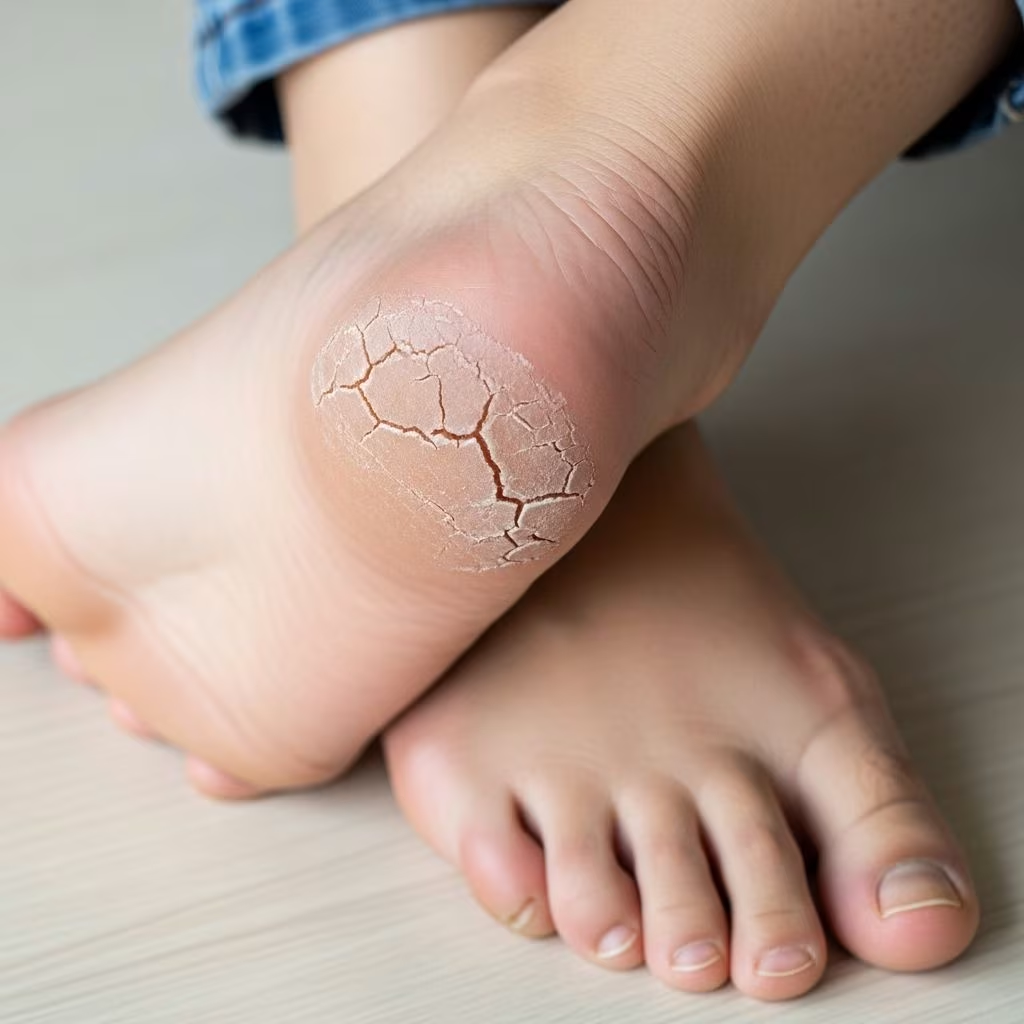
Natural Remedies and Care Tips for Dry, Cracked Heels
Cracked heels are an extremely common foot health concern, particularly in dry climates or among people who spend much of their day on their feet. Though it can start as mild dryness, heel fissures can progress to painful cracks, bleeding, and increased infection risk if left untreated. This comprehensive guide covers the causes, risks, natural remedies, professional treatments, and daily habits that support smooth, healthy heels.
Understanding Dry, Cracked Heels
Cracked heels develop when the skin on your heels becomes excessively dry and thick, resulting in splits or fissures. This dryness may be due to environmental factors, aging, skin conditions, or external pressure on the heels. Key symptoms include:
- Visible cracking, especially on heel edges
- Peeling, flaking, and rough skin patches
- Pain and tenderness during walking
- Bleeding or oozing in advanced fissures
Risk factors include wearing open-back shoes, prolonged barefoot walking, obesity, medical conditions like diabetes, and exposure to dry environments.
Daily Foot Care: Foundation for Prevention
The cornerstone of heel health is consistent, gentle foot care. Proper hygiene and protection not only soothe existing cracks but also prevent future damage:
- Wash your feet daily with a mild cleanser; avoid harsh soaps
- Dry thoroughly between the toes to prevent fungal growth
- Trim toenails regularly and wear clean socks daily
- Choose moisture-wicking socks and cushioned shoes
- Avoid walking barefoot on hard surfaces for extended periods
Top Natural Remedies for Cracked Heels
Many effective home remedies are simple, affordable, and backed by clinical insights for soothing heel fissures and restoring moisture.
Moisturizing Balms, Butters & Creams
Thick creams and heel balms containing ingredients like urea, lanolin, cocoa butter, shea butter, and petrolatum provide intensive hydration and bolster the skin’s protective barrier. After bathing, apply liberally and seal moisture with cotton socks overnight.
Natural Oils for Hydration
Nutrient-rich oils supply vital fatty acids and antioxidants that penetrate dry skin:
- Coconut oil — soothes inflammation and forms a protective layer against infection
- Olive, almond, apricot, argan, and avocado oils — deeply hydrate and soften rough skin
- Shea butter — natural emollient, helps restore elasticity
Massage onto clean heels, concentrating on deeply cracked areas.
Soaking and Exfoliation
| Soaking Agent | Benefits | Instructions |
|---|---|---|
| Epsom salt | Softens skin, reduces inflammation, antimicrobial | Soak feet in warm Epsom salt water for 15 minutes; exfoliate gently and moisturize post-soak |
| Apple Cider/Vinegar | Works as a gentle exfoliator, antibacterial | Add vinegar to warm water, soak feet for 10–15 minutes, then scrub and moisturize |
| Oatmeal | Soothes and hydrates dry, irritated skin | Use oatmeal bath/foot soak or apply oatmeal-based creams |
After soaking, use a pumice stone or gentle scrub—such as sugar, salt, or oatmeal mixed with oil—to remove dead skin. Avoid aggressive exfoliation; excessive scrubbing can worsen fissures.
Foot Masks and Natural Ointments
Overnight masks or thick ointments create an occlusive environment to promote healing:
- Honey and Milk — honey’s antimicrobial properties combined with milk’s lactic acid help exfoliate and hydrate
- Banana and Avocado — mash together for a vitamin-rich mask to nourish cracked skin
- Petroleum Jelly — classic occlusive, locks in moisture overnight; wear socks for best results
- Aloe Vera — anti-inflammatory, deeply hydrating, gentle for sensitive skin
Professional Products and Advanced Remedies
- Urea Cream (40%): Particularly effective for repairing severe heel fissures due to its dual exfoliating and moisturizing effects. Urea penetrates thick calluses, softening and healing even the roughest feet.
- Liquid Bandage: For deep cracks that bleed, liquid bandages seal fissures, prevent infection, and allow healing while maintaining daily mobility.
- Moisture Barrier Socks: Silicone gel-lined socks worn overnight boost absorption of creams or oils, creating a sealed environment for skin repair.
Common Causes of Heel Cracking
A full understanding of why cracks develop is crucial for long-term prevention. Key contributors include:
- Environmental Factors: Dry air, low humidity, and cold weather accelerate skin dehydration
- Footwear: Open-back shoes, sandals, and thin-soled shoes often increase heel pressure and cause callus build-up
- Prolonged Standing: Hard surfaces intensify cumulative pressure on heels
- Medical Conditions: Diabetes, hypothyroidism, eczema, and psoriasis can make the skin more susceptible to dryness and fissures
- Poor Circulation: Reduces healing capacity in feet
Step-by-Step Guide to Heal Cracked Heels
- Soak: Begin by soaking feet in warm water with Epsom salt, apple cider vinegar, or oatmeal for at least 15 minutes to loosen dead skin and relax muscles.
- Exfoliate: After soaking, gently exfoliate with a pumice stone, foot file, or natural scrub (e.g., sugar/honey, oatmeal/oil). Limit exfoliation to once or twice per week.
- Hydrate: Right after drying, apply a thick, oil-based cream, urea cream, or natural oils, massaging them into the heel area.
- Seal and Protect: Cover with cotton or silicone gel socks overnight to maximize moisture retention and healing.
- Repeat Daily: For best results, follow this regimen for at least three weeks. Monitor progress, and consult a podiatrist if severe cracks persist, bleed, or show signs of infection.
Tip: Use liquid bandage for painful, deep fissures exposed to pressure or risk of infection. Always apply to clean, dry skin.
Footwear and Lifestyle Adjustments
The right shoes protect the heels and reduce stress:
- Opt for well-cushioned, closed-back shoes with shock-absorbing soles
- Avoid flip-flops, sandals, and high heels for extended periods
- Wear socks made from soft, moisture-wicking materials (cotton, bamboo)
When to Seek Professional Help
If home remedies do not yield improvement within three weeks, or if you notice signs of infection (redness, swelling, pus), bleeding, or underlying medical conditions, consult a qualified podiatrist or dermatologist. Professional options include:
- Callus debridement — precise removal of built-up skin with medical tools
- Prescription-strength creams — higher concentrations of urea, salicylic acid, or lactic acid
- Diagnosis and management of underlying medical conditions
Frequently Asked Questions (FAQs)
Q: What is the fastest way to heal cracked heels?
A: Consistent daily application of a thick moisturizer (such as urea cream or petrolatum), post-soak exfoliation, and wearing moisture-sealing socks overnight is the most effective routine for rapid healing. Severe fissures may require professional treatment.
Q: Are natural remedies safe for everyone?
A: Most natural remedies are safe, but allergic reactions to oils, butters, or mask ingredients can occur. Individuals with diabetes or circulatory issues should consult a doctor before trying home treatments, as infection risk is higher.
Q: How can cracked heels be prevented long-term?
A: Prevention relies on regular moisturizing, gentle exfoliation, wearing protective shoes, and addressing any medical conditions that predispose to dry skin. Avoid prolonged barefoot walking, especially on hard surfaces.
Q: Do deep cracks require medical attention?
A: Yes. Deep, bleeding, or infected cracks should be evaluated by a podiatrist. Over-the-counter remedies are not sufficient for severe fissures or for people with underlying health issues.
Q: Is foot soaking necessary?
A: Soaking is highly recommended, as it softens dead skin, soothes irritation, and enhances absorption of moisturizers. Use warm—not hot—water to prevent further dryness.
Summary Table: Remedies and Their Target Effects
| Remedy | Primary Benefits | Best Used For |
|---|---|---|
| Urea Cream | Deep exfoliation, moisture boost | Severe, thickened, deeply cracked heels |
| Coconut/Olive Oil | Hydration, antimicrobial, anti-inflammatory | Mild cracks, daily moisture maintenance |
| Honey Mask | Antimicrobial, healing, hydration | Minor cracks, overnight treatment |
| Epsom/Vinegar Soak | Softens and exfoliates skin, soothes pain | Pre-exfoliation, pain relief |
| Liquid Bandage | Protects, promotes healing, blocks infection | Deep, bleeding cracks |
Final Tips for Healthy, Smooth Feet
- Prioritize hydration — Apply emollient creams morning and night
- Protect and cushion — Choose supportive footwear and replace worn soles
- Monitor skin changes — Treat dryness early to avoid progression
- Practice good foot hygiene — Wash and dry feet daily, keep nails short
- Consult professionals — Seek expert help for persistent or worsening heel pain
With the right combination of daily habits, tailored remedies, and medical awareness, you can restore dry, cracked heels to comfort and smoothness—and walk confidently.
References
- https://fasafw.com/blog/how-to-repair-cracked-heels/
- https://www.singlecare.com/blog/home-remedies-for-cracked-heels/
- https://www.healthline.com/health/cracked-heel-heal
- https://www.footankle.com/self-care/cracked-heels-fissures-home-treatment/
- https://www.mayoclinic.org/diseases-conditions/dry-skin/expert-answers/cracked-heels-treatment/faq-20455140
- https://www.bannerhealth.com/healthcareblog/better-me/home-remedies-for-cracked-heels
- https://www.medicalnewstoday.com/articles/324909


