


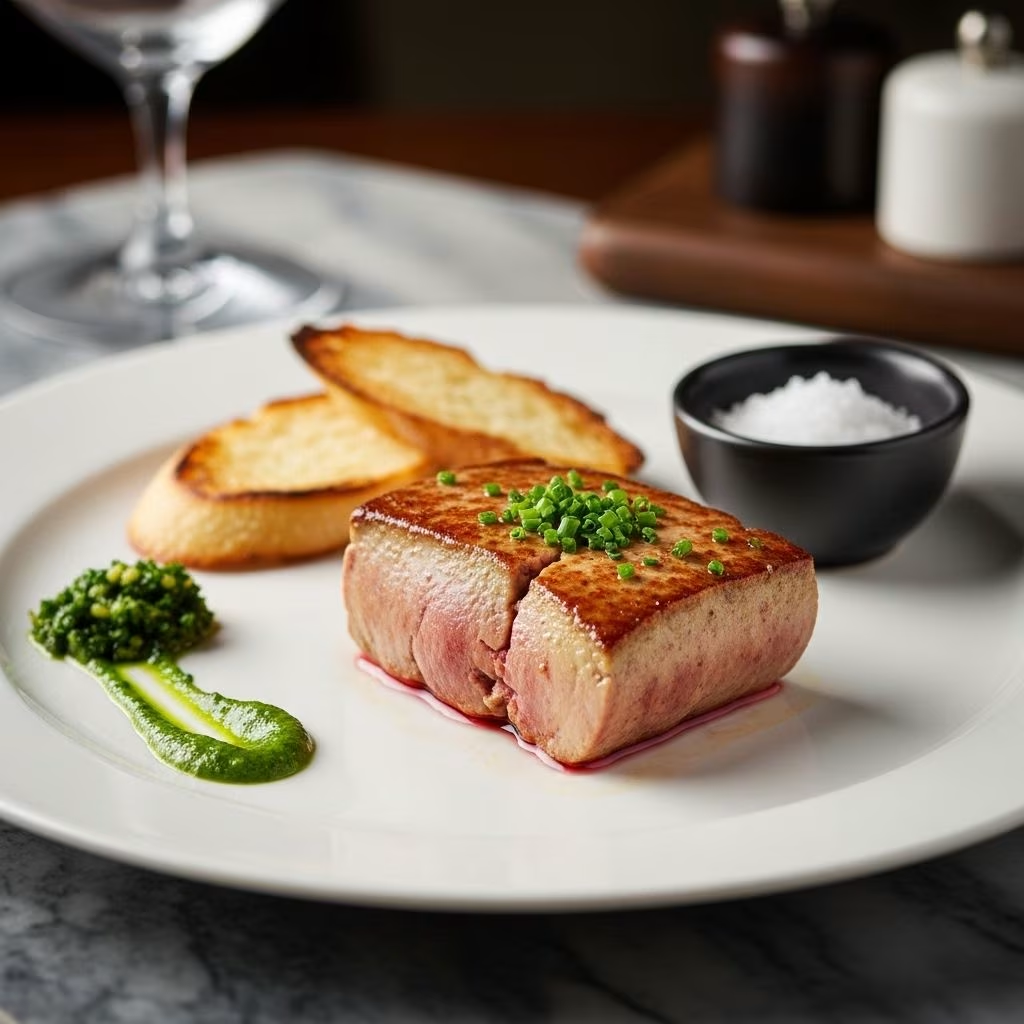
Monkfish liver is a prized delicacy in gourmet cuisine, especially revered in Japanese culinary traditions where it is known as ankimo. Often referred to as the “foie gras of the sea,” monkfish liver boasts a rich nutritional profile, a smooth, buttery texture, and a unique flavor experience that sets it apart from other organ meats. This guide explores what monkfish liver is, its health benefits, culinary uses, taste profile, preparation methods, and frequently asked questions about this fascinating ingredient.
What Is Monkfish Liver?
Monkfish liver is the edible liver of the monkfish (Lophius genus), a deep-sea predator found in the Atlantic and Pacific Oceans, as well as waters off France and Japan. Highly esteemed in gourmet circles, monkfish liver is considered one of the ocean’s finest delicacies, often likened to foie gras for its luxurious mouthfeel and depth of flavor. In Japanese cuisine, it is celebrated as ankimo, while in Europe—especially France—it is featured in high-end seafood dishes.
Historical and Culinary Context
Historically, monkfish liver was used by coastal communities but rarely reached the wider culinary world until recent decades, when innovative chefs and the global spread of Japanese food brought it to prominence. Today, it is served steamed, as pâté, or as part of sushi and sashimi dishes, especially in seasonal omakase menus.
Nutritional Benefits of Monkfish Liver
Monkfish liver is heralded as a nutrient-dense superfood, delivering an impressive array of high-quality protein, vitamins, minerals, and healthy fats.
- High Protein Content: Contains all essential amino acids necessary for muscle growth and tissue repair.
- Omega-3 Fatty Acids (EPA & DHA): Abundant in beneficial unsaturated fats, supporting heart and brain health, lowering inflammation, and improving skin quality.
- Vitamins A & D: Excellent source of fat-soluble vitamins vital for eye health, immune support, skin integrity, and bone development.
- Minerals: Notable levels of iron (for blood function), zinc (immune and reproductive health), selenium (antioxidant protection), and phosphorus (energy metabolism).
- Low in Carbohydrates: Makes it suitable for low-carb and ketogenic eating plans.
Summary Table: Nutritional Highlights
| Nutrient | Benefit |
|---|---|
| Protein | Supports muscle growth, repair, and satiety |
| Omega-3 (EPA/DHA) | Improves heart and brain function, reduces inflammation |
| Vitamin A | Promotes eye health, skin, immune system |
| Vitamin D | Essential for bone strength, immunity |
| Iron | Aids oxygen transport in blood |
| Zinc, Selenium | Antioxidant and immune support |
Culinary Uses and Cultural Significance
Monkfish liver is prized in both Japanese and Western high-end cuisine for its versatility and unique flavor.
Monkfish Liver in Japanese Cuisine: Ankimo
- Ankimo is monkfish liver that is cleaned, salted, steamed, and sliced, traditionally garnished with ingredients like grated daikon, ponzu sauce, scallions, and red chili.
- In Sushi: Served as “ankimo sushi”—a nigiri or sashimi—its creamy texture often contrasted with crisp cucumber or pickled elements.
- Kaiseki Cuisine: Featured in seasonal tasting menus, ankimo is considered a winter delicacy in Japan, symbolizing subtle luxury.
Western and Fusion Applications
- French Cuisine: Monkfish liver is prepared as a pâté or mousse, often paired with toasted bread and acidic garnishes to offset its richness.
- Modern Fine Dining: Chefs use it in sauces, as an hors d’oeuvre, or atop seafood salads for a rich umami boost.
- Fusion Approaches: Combined with citrus, pickled vegetables, or light broths to bring out its complex flavors.
Taste and Texture Profile
The taste and texture of monkfish liver set it apart from other organ meats and seafood ingredients.
- Texture: Exceptionally smooth, creamy, and buttery—often described as “melting” or velvety on the palate.
- Flavor: Subtly sweet and savory, with a delicate hint of the sea that is *never* overpowering.
- Umami-Rich: The famous fifth taste, umami, dominates, giving ankimo a deeply savory quality thanks to naturally occurring glutamates.
- Balanced Saltiness: The slight brininess comes from its ocean origin, but is well-balanced by the creamy mouthfeel.
Compared to the metallic or gamey flavors of many terrestrial livers, monkfish liver is much milder and often appeals even to those who shy away from organ meats. Its luxurious texture is closer to foie gras than to cod, halibut, or other fish livers, making it a singular experience among seafood delicacies.
Monkfish Liver vs. Other Fish Livers
| Type of Liver | Fat Content | Texture & Flavor | Typical Usage |
|---|---|---|---|
| Monkfish (Ankimo) | ~40% | Creamy, buttery, subtle brine, umami | Pâté, sushi, sashimi, steamed, sauces |
| Cod | Lower | Mild, slightly oily | Preserved, smoked, spreads |
| Tuna/Snapper | 2–3% | Richer, more oily, some fishiness | Cooked, stews, pâtés |
| Halibut | Moderate | Strong, distinct | Cooked, regional specialties |
| Duck (Foie Gras) | ~46% | Extremely rich, heavy, fatty | Pâté, terrines, seared |
Monkfish liver stands out for its high fat content—translating to a more luxurious mouthfeel and smoother texture. For those seeking a refined yet milder oceanic flavor, ankimo is the top choice.
How to Prepare Monkfish Liver
Preparing monkfish liver requires careful attention to detail, but is approachable for dedicated home cooks and a rite of passage for many chefs.
- Cleaning: Remove veins, blood, and membranes gently for optimal flavor and texture.
- Salting: Salt cures and firms the liver, drawing excess moisture and balancing the flavor.
- Soaking (in sake or milk): Optional, helps further mellow the flavor and increase creaminess.
- Rolling & Steaming: Roll into a cylinder (traditional for ankimo), then steam until just set; overcooking can make it dry and crumbly.
- Serving: Slice into medallions; serve garnished with ponzu, scallions, grated daikon, or paired with baguette/crackers and pickles.
Tips for Success
- Use the freshest possible monkfish liver for the cleanest taste.
- Classic accompaniments such as citrus (yuzu, lemon), sake, and vinegar highlight the natural flavor.
- Pair with light wines, sake, or champagne for a sophisticated flavor match.
Storage and Handling Tips
- Refrigeration: Store sealed fresh monkfish liver between 0° and 4°C (32°–39°F); use within 3 days of opening.
- Freezing: Suitable for extended storage, but freeze as fresh as possible to minimize texture changes upon thawing.
- Hygiene: Handle like any raw seafood—ensure cleanliness and avoid cross-contamination.
- Expiration: Consume before the sell-by date; organ meats spoil quickly.
Potential Health Considerations
- High Fat Content: While monkfish liver’s fats are primarily unsaturated and heart-healthy, the overall calorie content is high; portion control is advised, especially for those with cholesterol concerns.
- Vitamin A Toxicity: As with any liver, consuming large amounts regularly can lead to excessive vitamin A intake, which can be harmful. Moderation is crucial.
- Allergy & Sensitivities: Individuals with fish or seafood allergies should exercise caution.
Frequently Asked Questions (FAQs)
Q1: Why is monkfish liver called the “foie gras of the sea”?
A: Monkfish liver is nicknamed this because of its rich, creamy texture and luxurious mouthfeel, which is similar to traditional foie gras made from duck or goose liver. Its high fat content and delicate preparation give it a comparable gourmet appeal.
Q2: Is monkfish liver safe to eat raw?
A: Monkfish liver should always be cooked, not eaten raw. Proper steaming or poaching eliminates potential bacteria or parasites and provides the traditional smooth texture.
Q3: What does ankimo taste like compared to chicken or beef liver?
A: Ankimo has a much milder, more subtle flavor than terrestrial livers. It lacks the metallic or gamey notes of beef or chicken liver, offering sweetness, umami, and gentle brininess.
Q4: How should monkfish liver be served for the best experience?
A: Serve chilled, sliced, and simply—paired with citrusy ponzu, grated daikon, and scallions, or lightly toasted bread. Flavorful yet minimalist accompaniments let the liver’s unique qualities shine.
Q5: Are there ethical or sustainability concerns with monkfish liver?
A: Like all seafood, monkfish should be sourced from responsibly managed fisheries that avoid overfishing and bycatch. Ask your supplier for sustainably harvested options.
Final Thoughts
Monkfish liver, or ankimo, stands as one of the ocean’s most elegant and nutrient-rich delicacies. Its inviting taste, creamy texture, and immense culinary versatility have made it a staple of both Japanese haute cuisine and adventurous kitchens worldwide. When prepared and enjoyed in moderation, monkfish liver provides not only an unforgettable gastronomic experience but also substantial health benefits, making it a superfood worthy of its rising star status.
References
- https://www.foodrepublic.com/1513410/what-is-ankimo-monkfish-liver/
- https://seafoodsociety.hk/monkfish_hong-kong_hk/monkfish_liver_wild_fresh_hong-kong_hk/
- https://www.shinpiomakase.com/post/monkfish-liver-a-superfood-from-the-deep-that-s-taking-over-gourmet-kitchens
- https://www.finedininglovers.com/explore/articles/monkfish-liver-what-it-and-how-eat-it
- https://umamimart.com/blogs/main/japanify-ankimo-monkfish-liver
- https://www.sushi-pedia.com/en/sushi/ankimo
- https://intershellseafood.com/products/fresh-prepared-ankimo-cooked-monkfish-liver-copy
- https://fionaeats.wordpress.com/2011/05/15/monkfish-liver/


