


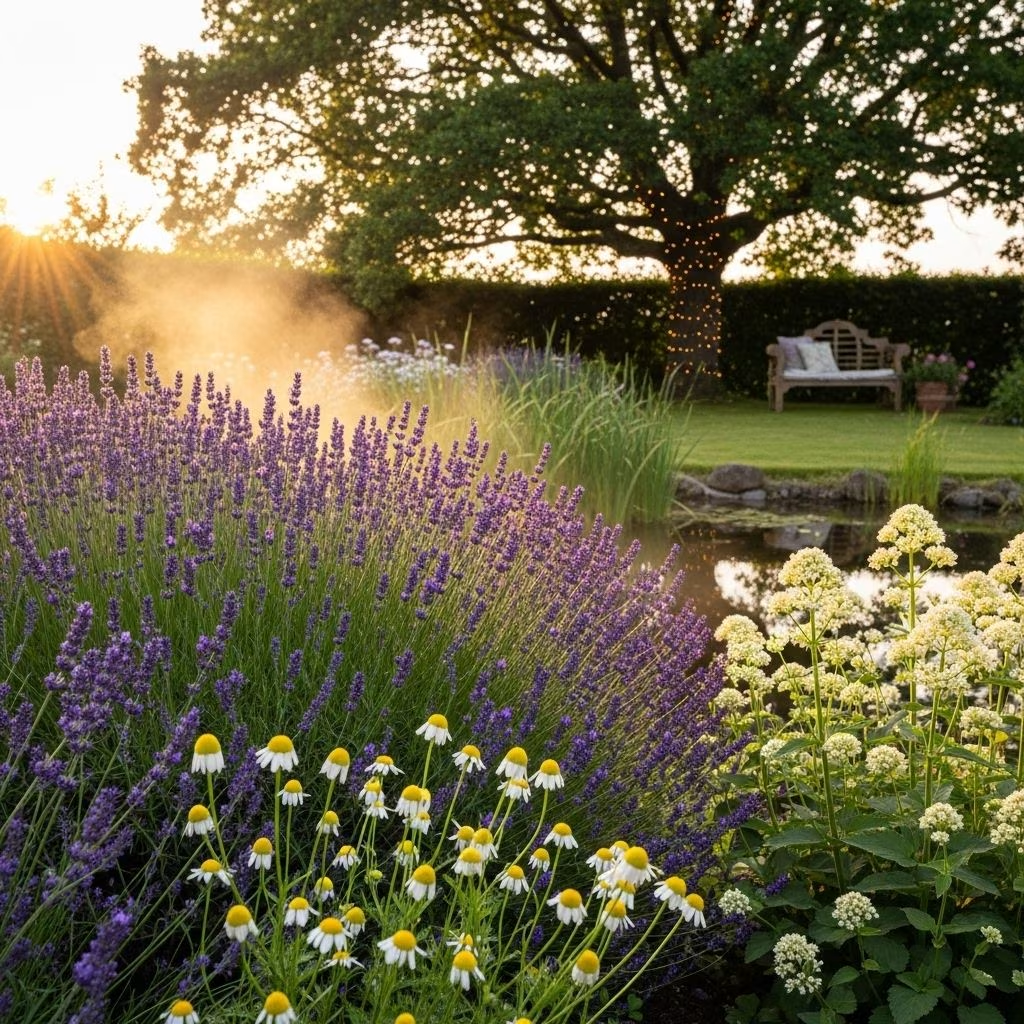
Sleep problems have become increasingly common in our modern world, affecting millions of people who struggle to get the restorative rest their bodies need. While pharmaceutical sleep aids are readily available, many individuals are turning to natural alternatives that have been used for centuries. Your garden can be a source of powerful sleep remedies, offering gentle yet effective solutions to help you drift off naturally and wake up refreshed. These plant-based options provide a holistic approach to better sleep without the side effects often associated with synthetic medications.
Growing your own sleep-promoting herbs connects you with nature while providing fresh, potent ingredients for your nighttime routine. The act of gardening itself can be therapeutic, reducing stress and promoting overall wellbeing. When you cultivate these plants yourself, you have complete control over their quality and can harvest them at their peak potency. This guide explores four remarkable herbs that can transform your garden into a natural pharmacy for better sleep.
Understanding Natural Sleep Remedies
Natural sleep aids work differently than pharmaceutical options, typically supporting your body’s own sleep mechanisms rather than forcing drowsiness. Plants contain complex compounds including essential oils, flavonoids, and other bioactive substances that interact with your nervous system to promote relaxation and sleep. These compounds have evolved over millions of years and often work synergistically to create gentle yet effective results.
The beauty of herbal sleep remedies lies in their multifaceted approach to rest. Rather than simply sedating you, many herbs address underlying issues like anxiety, tension, and stress that interfere with natural sleep patterns. They support your circadian rhythm, the internal biological clock that regulates sleep-wake cycles, helping your body recognize when it’s time to rest. Getting sunlight exposure while tending your garden in the morning can strengthen this rhythm, making it easier to fall asleep at night.
Growing these herbs at home ensures freshness and allows you to avoid pesticides and chemicals that may be present in store-bought products. Fresh or properly dried herbs maintain their therapeutic properties better than commercial preparations that may have been sitting on shelves for extended periods. Additionally, the ritual of preparing herbal teas or sachets can become part of a calming bedtime routine that signals to your body that sleep is approaching.
Chamomile: The Classic Calming Herb
Chamomile stands as one of the most beloved and widely used herbs for promoting sleep, with a history stretching back thousands of years. The German chamomile variety, scientifically known as Matricaria chamomilla, is particularly prized for its medicinal properties. This delicate plant produces small, daisy-like flowers with white petals and bright yellow centers that contain concentrated amounts of beneficial compounds. The flowers emit a pleasant, apple-like fragrance that itself can be soothing to the senses.
The sleep-promoting effects of chamomile come primarily from an antioxidant called apigenin, which binds to specific receptors in your brain that may decrease anxiety and initiate sleep. Chamomile also contains other compounds that work together to relax muscles, calm the nervous system, and reduce inflammation throughout the body. Beyond its direct sleep benefits, chamomile is renowned for soothing digestive discomfort, which can be another barrier to restful sleep for many people.
Growing Chamomile: Chamomile is remarkably easy to cultivate, making it perfect for beginning gardeners. It thrives in full sun to partial shade and prefers well-drained soil. The plants are relatively small, typically reaching 12 to 24 inches in height, and can be grown in garden beds, containers, or window boxes. Chamomile is often self-seeding, meaning once established, it may return year after year without replanting. The flowers should be harvested when fully open, ideally in the morning after the dew has dried but before the heat of the day.
Preparing Chamomile Tea: To create a sleep-inducing chamomile tea, you’ll need dried chamomile blossoms, which maintain their potency for up to a year when stored properly in an airtight container away from light and moisture. Place two to three teaspoons of dried flowers in a cup and pour hot water over them. Allow the flowers to steep for approximately 10 minutes to fully extract the beneficial compounds. The longer steeping time ensures you’re getting the maximum therapeutic benefit from the flowers. Drinking one cup of chamomile tea about an hour before bedtime can help promote a more restful night’s sleep.
Lavender: The Aromatic Sleep Enhancer
Lavender has captivated humans for centuries with its enchanting purple blooms and distinctive, soothing fragrance. English lavender, or Lavandula angustifolia, is the variety most commonly used for therapeutic purposes and is known for producing the highest quality essential oils. This Mediterranean native has adapted to thrive in many climates and has become a staple in gardens worldwide, valued both for its ornamental beauty and its remarkable calming properties.
The secret to lavender’s sleep-promoting abilities lies in its essential oils, particularly compounds like linalool and linalyl acetate. These substances have been shown to have calming effects on the nervous system, reducing anxiety and promoting relaxation. While definitive scientific proof of lavender’s direct impact on sleep quality is still being researched, its ability to reduce stress and anxiety—common culprits behind sleep disorders—is well documented. The gentle, floral scent of lavender has become synonymous with relaxation in many cultures.
Cultivating Lavender: Lavender plants prefer sunny locations and well-drained soil, as they are susceptible to root rot in waterlogged conditions. These hardy perennials are drought-tolerant once established, making them relatively low-maintenance garden additions. Lavender typically blooms from June through August, and the flowers should be harvested just as they begin to open for maximum essential oil content. Cut the flower stalks in the morning after the dew has evaporated, and hang them upside down in bundles in a dark, well-ventilated area to dry.
Using Lavender for Sleep: There are multiple ways to harness lavender’s sleep-promoting properties. A lavender pillow or sachet placed near your pillow allows you to breathe in the calming aroma throughout the night. To make lavender tea, place two heaped teaspoons of dried lavender flowers in a tea strainer, pour hot water over them, and let steep for 8 to 10 minutes. Some people prefer to combine lavender with other herbs like chamomile for a more complex flavor profile. Lavender essential oil can also be added to a diffuser in the bedroom or diluted in a carrier oil for a relaxing pre-bedtime massage.
Valerian: The Potent Root Remedy
Valerian root has been used as a sleep aid and anxiety reducer since ancient Greek and Roman times, earning it a well-deserved reputation as one of nature’s most powerful sedatives. Unlike the previous herbs where flowers are used, it’s the root system of valerian (Valeriana officinalis) that contains the concentrated active compounds. Despite producing attractive pink or white clustered flowers that bloom in summer, gardeners who want to use valerian medicinally must be patient and wait for the root to mature.
The roots contain numerous compounds including valerenic acid and various antioxidants that appear to interact with GABA receptors in the brain, the same receptors targeted by many prescription sleep medications. This interaction helps reduce nerve activity and promotes a sense of calm that can lead to sleep. Research suggests that valerian may help people fall asleep faster and experience better quality sleep, though effects may not be immediately noticeable and can take several weeks of consistent use to manifest fully.
Growing Valerian: Valerian is a hardy perennial that grows well in most temperate climates. The plants prefer partial shade to full sun and moist, well-drained soil rich in organic matter. They can reach heights of 3 to 5 feet when in bloom, making them impressive additions to the back of garden beds. A crucial detail for gardeners is that valerian roots should be harvested in their second year of growth, as first-year roots haven’t developed sufficient concentrations of active compounds. Harvest roots in autumn after the plant has gone dormant.
Preparing Valerian Tea: Creating valerian tea requires patience but yields a powerful sleep remedy. After harvesting and thoroughly washing the roots, they should be dried completely and then grated into small pieces. Place the grated dried valerian root in cold water and, if possible, allow it to soak for 12 hours. This extended soaking time is necessary because valerian’s active ingredients are released slowly. After soaking, gently warm the water, strain out the root pieces, and drink the tea about an hour before bedtime. Be aware that valerian has a distinctive, somewhat earthy odor that some people find unpleasant, though its effectiveness makes it worthwhile for many users.
Hops: The Unexpected Sleep Solution
Most people associate hops with beer brewing, but these climbing vines offer impressive sleep-promoting benefits that have been recognized in herbal medicine for centuries. Hops (Humulus lupulus) are the cone-shaped flowers of a vigorous climbing plant that can grow up to 20 feet or more in a single season. These papery, green cones contain lupulin, a yellowish powder rich in essential oils and bitter acids that contribute to both beer’s flavor and hops’ sedative properties.
The calming effects of hops come from compounds that appear to increase GABA activity in the brain, similar to valerian root. Studies have shown that hops can reduce the time it takes to fall asleep and may improve overall sleep quality. Interestingly, hops are often most effective when combined with other sleep herbs like valerian, creating a synergistic effect that’s more powerful than either herb alone. The relaxing properties of hops also make them useful for reducing restlessness and nervous tension.
Cultivating Hops: Hop vines are vigorous growers that require sturdy support structures like trellises, arbors, or poles. They prefer full sun and rich, well-drained soil with plenty of organic matter. As perennials, the vines die back to the ground each winter and reemerge in spring with explosive growth. The hop cones develop in late summer and should be harvested when they feel papery and spring back when compressed. Look for a yellowish powder at the base of the petals, indicating they’re ready for harvest. Fresh hops have a strong, somewhat resinous aroma.
Making Hop Tea: To prepare hop tea for sleep, you’ll need dried hop cones, which should be stored in airtight containers away from light to preserve their potency. Grind approximately one teaspoon of dried hop cones and place them in a cup. Pour hot water over the ground hops and allow the tea to steep for 10 to 15 minutes. Hop tea has a distinctly bitter flavor that some people find challenging, so you may want to add honey or combine it with more pleasant-tasting herbs like chamomile or lemon balm. Drink the tea about 30 to 60 minutes before bedtime for best results.
Creating Your Sleep Garden
Designing a dedicated sleep garden brings together all these beneficial herbs in one beautiful, functional space. Consider creating a moon garden—a garden designed to be enjoyed in the evening with white or light-colored flowers that seem to glow in twilight. This type of garden naturally includes many sleep-promoting plants and creates a peaceful environment perfect for evening relaxation. The simple act of spending time in your sleep garden during the evening hours can become part of a wind-down routine that prepares your mind and body for rest.
When planning your sleep garden layout, group plants according to their growing requirements. Place sun-loving lavender and chamomile in the brightest spots, while valerian can tolerate partial shade. Create a vertical element with hop vines climbing a decorative trellis or pergola. Add comfortable seating where you can sit and enjoy the calming scents of your herbs. The sensory experience of touching soft lavender leaves, smelling chamomile flowers, and listening to evening sounds can significantly reduce stress levels.
Remember that gardening itself offers sleep benefits beyond the herbs you grow. Physical activity in the garden provides exercise that promotes better sleep, while exposure to morning sunlight helps regulate your circadian rhythm. The act of nurturing plants and watching them grow can be deeply satisfying and stress-relieving. Studies have shown that spending time in green spaces reduces cortisol levels and promotes mental wellbeing, both of which contribute to better sleep quality.
Important Considerations and Safety
While natural sleep remedies from your garden are generally safe, it’s important to approach them with knowledge and respect. These herbs are powerful plant medicines, and even natural substances can cause side effects or interact with medications. Pregnant or nursing women should consult healthcare providers before using any herbal sleep aids. If you’re taking prescription medications, especially sedatives, antidepressants, or blood thinners, talk to your doctor before adding herbal remedies to your routine, as interactions can occur.
Start with small amounts when trying a new herb to assess your individual response. Some people may experience allergic reactions or sensitivities to certain plants. Keep in mind that herbal remedies typically work more gradually than pharmaceutical sleep aids, and you may need to use them consistently for several weeks before experiencing full benefits. If you have chronic or severe sleep problems, natural remedies should complement rather than replace professional medical care.
Quality matters when it comes to herbal preparations. Properly dried herbs should be stored in airtight containers away from light, heat, and moisture. Most dried herbs retain their potency for approximately one year, though this varies by plant. Always smell your dried herbs before use—they should maintain a strong, characteristic aroma. If herbs smell musty or have lost their scent, they’ve likely degraded and should be replaced. Growing your own ensures the freshest possible materials and allows you to harvest herbs at their peak potency.
Frequently Asked Questions
Q: How long does it take for herbal sleep remedies to work?
A: The timeframe varies by herb and individual. Some people notice effects from chamomile or lavender tea within 30 to 60 minutes, while herbs like valerian may require consistent use for 2 to 4 weeks before showing full benefits. Patience and consistency are key when using natural sleep aids.
Q: Can I combine different sleep herbs together?
A: Yes, many sleep herbs work synergistically and can be combined. Popular combinations include valerian with hops, chamomile with lavender, or all four herbs together. Start with smaller amounts of each herb when creating blends and adjust to your preferences.
Q: Are there any side effects from using garden herbs for sleep?
A: While generally safe, some people may experience mild side effects. Valerian can occasionally cause headaches or digestive upset. Chamomile may cause allergic reactions in people sensitive to plants in the daisy family. Always start with small amounts and discontinue use if you experience adverse reactions.
Q: How should I store dried herbs for maximum potency?
A: Store dried herbs in airtight glass containers away from direct sunlight, heat, and moisture. Label containers with the herb name and harvest date. Most dried herbs maintain potency for about one year when stored properly. Keep them in a cool, dark cupboard or pantry.
Q: Can children use these herbal sleep remedies?
A: Some herbs like chamomile are generally considered safe for children in appropriate doses, but it’s essential to consult a pediatrician before giving any herbal remedies to children. Dosages for children are typically much smaller than adult doses and should be determined by a healthcare professional.
Q: What’s the best time to drink herbal sleep tea?
A: Most experts recommend drinking herbal sleep tea 30 to 60 minutes before bedtime. This allows time for the compounds to be absorbed and begin working while giving you a chance to use the bathroom before settling in for the night.
Q: Will I build up a tolerance to herbal sleep aids?
A: Unlike many pharmaceutical sleep medications, most people don’t develop tolerance to herbal sleep aids with regular use. However, it’s still wise to take occasional breaks or rotate between different herbs to maintain effectiveness and prevent your body from becoming too dependent on external sleep aids.
Q: Can I use essential oils instead of teas?
A: Essential oils can be effective for aromatherapy purposes but should never be ingested without expert guidance. Lavender essential oil can be used in diffusers or diluted in carrier oils for topical application. However, teas and tinctures made from whole plant material offer different benefits than isolated essential oils.
References
- https://plantura.garden/uk/green-living/nutrition/herbs-for-sleep
- https://www.mattressfirm.com/blog/lifestyle-life-moments/gardening-for-better-sleep
- https://www.healthline.com/nutrition/sleep-aids
- https://www.walmart.com/ip/Soothing-Nature-Garden-Sleep-Remedy-Chewable-Tablets-8-Count-Pack-of-6/208985914
- https://www.angiethefreckledrose.com/2022/04/25/4-natural-garden-sleep-remedies-2/
- https://pmc.ncbi.nlm.nih.gov/articles/PMC4023459/
- https://www.gardenoflife.com/organics-sleep-well-tablets-vegan-tablets
- https://www.wishgardenherbs.com/products/sleepy-nights-fresh-mornings


