


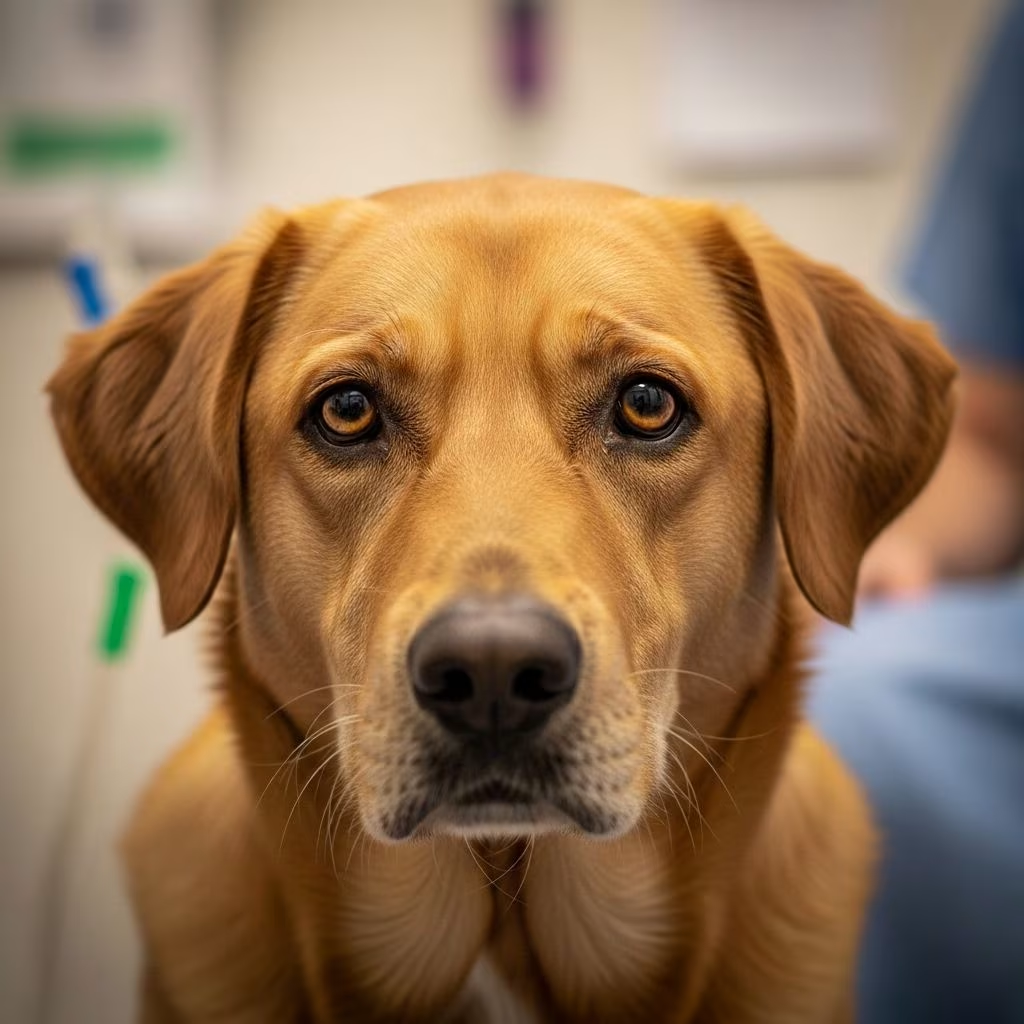
Understanding Protein-Losing Enteropathy (PLE) in Dogs
Protein-Losing Enteropathy, commonly referred to as PLE, is a serious and potentially life-threatening condition in dogs where significant amounts of protein are lost through the intestinal tract. It is not a single disease, but a syndrome that can result from various underlying causes affecting the intestines. Dogs with PLE often develop severe symptoms such as diarrhea, weight loss, and edema, and timely diagnosis and management are crucial for survival.
Causes and Mechanisms of PLE in Dogs
PLE can be caused by several intestinal disorders, including inflammatory bowel disease (IBD), intestinal cancer, infections, chronic intestinal inflammation, and particularly intestinal lymphangiectasia, a condition where lymphatic vessels in the intestines become dilated and leak protein-rich lymph. When the intestinal lining is damaged, more protein leaks into the intestinal lumen than the body can reabsorb, leading to protein deficiency in the blood and related complications.
- Chronic inflammation or mucosal injury can increase protein loss.
- Infectious agents or gastrointestinal parasites may contribute to intestinal damage.
- Certain breeds, such as Soft-Coated Wheaten Terriers, Yorkshire Terriers, and Norwegian Lundehunds, are more predisposed.
Signs and Symptoms
The symptoms of PLE often reflect the severity of protein loss and its effects on the dog’s overall health:
- Chronic diarrhea, often with a foul odor
- Weight loss and muscle wasting
- Loss of appetite
- Lethargy and weakness
- Edema (fluid accumulation, especially in the abdomen or limbs)
- Pale gums due to anemia
- Vomiting in some cases
If left untreated, PLE can progress to life-threatening complications such as thrombosis, pneumonia, or heart failure due to low blood protein levels.
Diagnosis
Diagnosing PLE involves a combination of clinical signs, blood tests, and specialized diagnostics:
- Blood tests: Measure blood protein (albumin and globulin) levels, which are typically low in PLE.
- Fecal tests: To rule out parasites or infections.
- Imaging: Ultrasound or X-rays to evaluate intestinal structure and detect masses or thickened intestines.
- Biopsy: Endoscopic or surgical biopsy of the intestinal lining to determine the underlying cause, especially to confirm intestinal lymphangiectasia or IBD.
Treatment Options
The treatment of PLE depends on the underlying cause and the severity of the condition. A multi-modal approach is usually required:
Medical Therapy
- Corticosteroids (Prednisone): Used to control inflammation, especially in cases of IBD.
- Immunosuppressants: Drugs like azathioprine or cyclosporine may be added for refractory cases.
- Octreotide: In some cases of intestinal lymphangiectasia that do not respond to standard therapy, octreotide may be prescribed to reduce lymphatic leakage.
- Supportive care: Plasma transfusions may be necessary for severely hypoalbuminemic dogs, and fluid therapy can help correct electrolyte imbalances.
- Vitamin B12 (Cobalamin): Many dogs with PLE are deficient and require supplementation.
Dietary Management
Nutritional therapy is a cornerstone of managing PLE, especially when the underlying cause is chronic inflammation or food sensitivity:
- Low-fat diet: Essential for dogs with intestinal lymphangiectasia to reduce lymphatic pressure and leakage.
- Novel or hydrolyzed protein diet: Used in cases where food allergies or sensitivities are suspected. An elimination trial with a single novel protein or hydrolyzed diet should be fed exclusively for at least 2 weeks to assess response.
- Highly digestible carbohydrates: To minimize osmolar effects and improve nutrient absorption.
- Adequate protein intake: To compensate for losses, but with careful selection of protein source to avoid allergies.
- Supplements: Probiotics and prebiotics may help restore gut flora, and specialized supplements (e.g., medium-chain triglycerides for lymphangiectasia) may be recommended.
Dietary modification alone can resolve clinical signs in more than half of dogs with chronic enteropathy. Where medical therapy is required, dietary changes can enhance drug efficacy and allow for dose reduction over time.
Long-Term Management and Monitoring
PLE often requires long-term management and regular veterinary follow-up:
- Regular blood tests: To monitor protein levels and detect relapse early.
- Weight and body condition monitoring: Weight loss or gain, muscle wasting, and general condition should be tracked.
- Adjustment of medications and diet: As the dog’s condition changes, treatment plans may need to be modified.
- Stress management: Minimize environmental stressors that could exacerbate symptoms.
- Exercise modification: Limiting strenuous activity during flare-ups but encouraging gentle exercise to maintain muscle tone.
Prognosis and Quality of Life
The prognosis for dogs with PLE varies depending on the underlying cause and severity of disease. Early diagnosis and a tailored treatment plan can significantly improve quality of life and survival. Many dogs can be managed well for years, although some may experience periodic relapses.
Prevention
Since PLE often arises secondary to other diseases, prevention focuses on early recognition and treatment of gastrointestinal disorders and careful monitoring of at-risk breeds. Maintaining a healthy diet and regular veterinary check-ups can help catch early signs.
Diet Recommendations for Dogs with PLE
While specific diet plans should be tailored to each dog by a veterinarian, some general principles include:
- Home-cooked diets: Fresh, high-quality ingredients with lean proteins, low-fat content, and digestible carbohydrates.
- Commercial prescription diets: Veterinary-supervised diets formulated for dogs with food allergies, chronic enteropathies, or fat malabsorption.
- Avoidance of table scraps and treats: Strict dietary control is often necessary to prevent relapse.
Living with a Dog Diagnosed with PLE
Caring for a dog with PLE requires patience and commitment:
- Administer medications and supplements as prescribed.
- Stick to the recommended diet without deviation.
- Monitor for changes in stool quality, appetite, energy levels, and body condition.
- Seek veterinary advice promptly if symptoms worsen.
Frequently Asked Questions (FAQs)
Q: Is protein-losing enteropathy curable?
Most cases of PLE are not curable, but the condition can often be managed with appropriate diet and medication to maintain a good quality of life.
Q: How do you test a dog for PLE?
Diagnosis involves blood tests to measure protein levels, fecal tests, imaging (ultrasound/X-ray), and sometimes intestinal biopsy to determine the underlying cause.
Q: What is the best diet for a dog with PLE?
The best diet depends on the underlying cause. Generally, a low-fat, highly digestible, novel or hydrolyzed protein diet is recommended. Always consult your veterinarian for a tailored plan.
Q: Can probiotics help dogs with PLE?
Probiotics may help restore normal gut flora and support intestinal health, especially in cases of chronic enteropathy.
Q: Which dog breeds are most at risk for PLE?
Breeds such as Soft-Coated Wheaten Terrier, Yorkshire Terrier, Basenji, and Norwegian Lundehund are more predisposed to PLE.
Q: How long can a dog live with PLE?
With proper management, many dogs can live for months to years. Prognosis depends on the underlying cause, response to treatment, and owner compliance.
Summary Table: Key Aspects of Managing PLE in Dogs
| Aspect | Recommended Action | Purpose |
|---|---|---|
| Diet | Low-fat, highly digestible, novel/hydrolyzed protein | Reduce lymphatic pressure, prevent antigenic stimulation |
| Medications | Anti-inflammatories, immunosuppressants, octreotide (if needed) | Control inflammation, reduce protein loss, manage symptoms |
| Supplements | Vitamin B12, probiotics, prebiotics | Correct deficiencies, support gut health |
| Monitoring | Regular veterinary visits, blood tests, weight tracking | Detect relapse, adjust therapy, maintain quality of life |
Conclusion
Protein-losing enteropathy is a challenging but manageable condition in dogs. Early recognition, accurate diagnosis, and a comprehensive, individualized treatment plan are essential for the best outcomes. With dedicated care, dietary management, and veterinary support, many dogs with PLE can enjoy extended, good-quality lives. If you suspect your dog may have PLE, consult your veterinarian promptly for a detailed evaluation and a personalized approach to care.
References
- https://todaysveterinarypractice.com/nutrition/nutritional-management-of-protein-losing-enteropathy/
- https://www.petmd.com/dog/conditions/digestive/c_dg_protein_losing_enteropathy
- https://www.dvm360.com/view/care-dogs-with-protein-losing-enteropathy-proceedings
- https://www.merckvetmanual.com/digestive-system/diseases-of-the-small-intestine-in-small-animals/chronic-enteropathies-in-small-animals
- https://onlinelibrary.wiley.com/doi/10.1111/jvim.16966
- https://vcahospitals.com/know-your-pet/proteinlosing-enteropathy-ple-in-dogs
- https://pmc.ncbi.nlm.nih.gov/articles/PMC6766500/
- https://www.vetspecialty.com/specialties/internal-medicine/protein-losing-enteropathy-ple/


