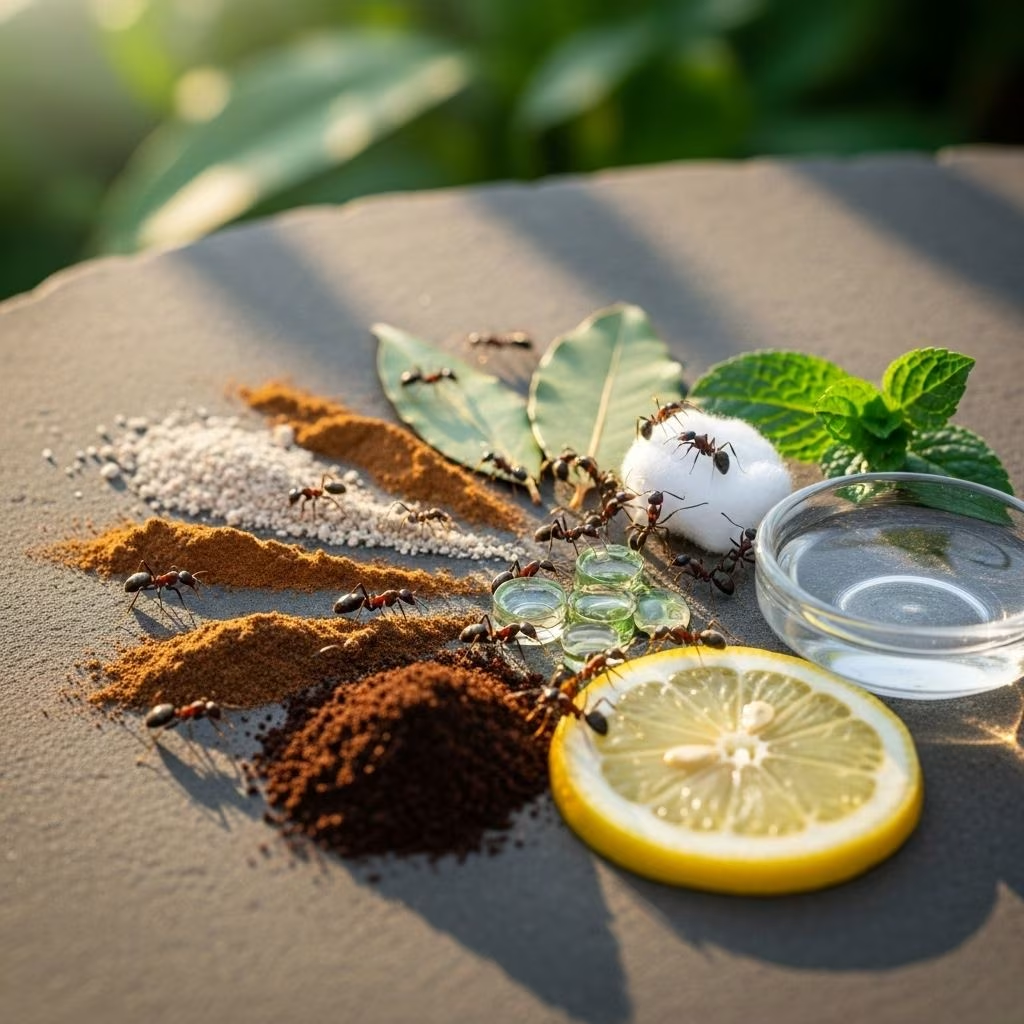
Ant Attack: Seven Natural Remedies to Deter and Repel Ants
Ants are industrious, resilient, and seemingly able to find their way into any home, especially during warmer months. While store-bought pesticides can control infestations, many people prefer natural remedies for a safer, eco-friendly approach—especially in homes with children, pets, or where environmental impact is a concern. Fortunately, you can combat ant invasions with simple ingredients you likely already have at home.
Why Choose Natural Ant Remedies?
Natural ant deterrents have gained popularity due to their safety, accessibility, and minimal environmental footprint. Unlike chemical pesticides, these methods don’t involve toxic ingredients, pose fewer risks to health, and can be part of a holistic approach to household cleanliness and pest management. Plus, they often make use of everyday kitchen staples, making them convenient and cost-effective.
Identifying Ant Entry Points
Before applying any remedies, it’s essential to locate the entry points and trails. Ants leave behind a scent trail between their food source and nest, allowing other members to find their way in. By identifying and targeting these trails and entryways, you’ll boost the effectiveness of natural deterrents and maximize your results.
1. Vinegar Solution: Disrupting Ant Trails
White vinegar is a versatile household product that serves both as a cleaner and an ant repellent. The strong smell of vinegar disrupts the scent trails ants use to navigate, deterring them from returning.
- How to Use: Mix equal parts white vinegar and water in a spray bottle. Spray directly onto ant trails, entry points, baseboards, windowsills, and countertops.
- Wipe surfaces with the solution to destroy invisible pheromone trails.
- The scent fades for humans but remains disruptive for ants.
This method is safe for most household surfaces, though it’s wise to test on a small area first, especially on stone or delicate surfaces.
2. Lemon Juice: A Citrusy Repellent
Lemon juice offers an effective and pleasantly scented way to repel ants. The citric acid not only obliterates their scent trails, but its strong aroma makes treated areas unattractive to returning ants.
- How to Use: Squeeze fresh lemon juice around entry points (doors, windows, and cracks).
- Combine lemon juice with water in a spray bottle and apply to ant trails and affected surfaces.
The added benefit? Lemon juice serves as a natural surface cleaner, leaving your home smelling fresh as it wards off ants.
3. Baking Soda and Sugar: Natural Bait-and-Kill
A mixture of baking soda and sugar exploits ants’ attraction to sweet substances, turning their quest for food against them. Sugar draws the ants in, while baking soda reacts with their digestive systems, proving fatal.
- How to Use: Mix equal parts baking soda and granulated sugar.
- Sprinkle the mixture in shallow dishes or directly on ant trails, near entry points, or close to nests.
- Monitor and reapply as needed.
This is a safer alternative to synthetic ant baits, especially in homes aiming to minimize chemical use.
4. Diatomaceous Earth: Natural Desiccant
Diatomaceous earth (DE) is a powder made from fossilized algae. Its fine, abrasive particles damage ants’ exoskeletons and absorb essential oils and moisture, causing them to dehydrate and die. Food-grade DE is safe for use in homes with pets and children—just be sure to avoid inhaling the powder.
- How to Use: Sprinkle a thin layer of DE along ant trails, baseboards, under appliances, and around entry points.
- Reapply after cleaning or if it gets wet.
It works best in dry conditions. Avoid outdoor use before rain or watering, as moisture reduces its effectiveness.
5. Essential Oils: Nature’s Scent-Based Repellents
Many essential oils contain compounds that ants find repugnant. Peppermint, tea tree, eucalyptus, and clove oil are particularly effective at disrupting ant trails and deterring further incursion.
- Peppermint oil: A few drops mixed with water make a powerful ant-repellent spray.
- Tea tree oil: Mix 5–10 drops with 2 cups water; spray as needed or soak cotton balls and place them near entry points.
- Lemon eucalyptus oil: Contains citronella and p-menthane-3,8-diol (PMD), both proven insect deterrents.
- Clove oil: Its strong odor and chemical properties repel ants. Mix with water and spray into cracks and crevices.
Note: Essential oils are strong and should be kept away from pets and small children. Always dilute properly before use.
6. Cinnamon: Aromatic Ant Barrier
Cinnamon is more than just a kitchen staple—it’s a natural ant deterrent. Its pungent aroma disrupts ant scent trails and can slow or stop them from entering treated areas.
- How to Use: Sprinkle ground cinnamon or place cinnamon sticks at common entry points and along trails.
- Consider using cinnamon essential oil for a stronger and longer-lasting barrier by mixing with water and spraying.
This method is non-toxic and safe for most household environments.
7. Coffee Grounds: Repurposing for Pest Control
Used coffee grounds are a surprising and eco-friendly solution to deter ants. Their strong aroma acts as a natural repellent and can help create physical barriers at entry points.
- How to Use: Sprinkle used (and dried) coffee grounds around the perimeter of your house, under windows, and near known ant entry points.
- Reapply after heavy rain or cleaning.
This method upcycles waste and provides a chemical-free option, helping to keep both ants and landfills at bay.
Bonus Remedies & Tips
- Borax and Sugar: Similar to the baking soda remedy, a mixture of borax and sugar serves as an effective bait. Keep out of reach of pets and children.
- Soap and Water: A solution of dish soap and water sprayed directly onto ants and trails suffocates them, breaking up the scent trail.
- Cornmeal: Ants will carry it back to the nest, but cannot properly digest it, reducing population over time.
- Chalk: Drawing lines of chalk near doors and windows is thought to disrupt scent trails, though results can vary.
- Planting Repellent Herbs: Mint, basil, and lavender can deter ants when planted around the home’s perimeter.
Prevention: Keep Ants from Returning
- Seal cracks and holes in walls, door frames, and windows.
- Store food in airtight containers.
- Clean up crumbs and spills promptly; sweep and mop regularly.
- Rinse recyclable containers and take garbage out frequently.
- Regularly check for leaks in sinks and pipes—ants are attracted to moisture.
Persistence is key: While natural remedies can be highly effective, ant problems may return if attractants or nesting opportunities persist.
FAQs About Natural Ant Control
Q: Are natural ant repellents safe for children and pets?
A: Most natural remedies are safer than synthetic pesticides, but some, like essential oils and borax, can be toxic if ingested or applied incorrectly. Always store remedies out of reach of pets and children, and clean up residues promptly.
Q: How long do natural remedies take to show results?
A: Some methods, like vinegar sprays and soap solutions, can work instantly to kill or repel ants, while bait-based methods (baking soda, borax, cornmeal) usually require several days for noticeable population decline.
Q: Do these remedies work on all types of ants?
A: Effectiveness may vary depending on the ant species, colony size, and environmental conditions. For persistent or large infestations, consult a pest control professional.
Q: Should I combine different methods?
A: Yes, combining several natural approaches—repellents to disrupt movement, baits to reduce population, and cleaning to eliminate attractants—usually yields the best long-term results.
Q: Are there any risks to using diatomaceous earth?
A: Food-grade diatomaceous earth is non-toxic to humans and pets, but it can irritate the lungs and skin if mishandled. Wear gloves and avoid breathing in the powder during application.
Summary Table: Seven Effective Natural Remedies for Ant Control
| Remedy | Main Action | Recommended Application | Precautions |
|---|---|---|---|
| Vinegar Solution | Disrupts ant scent trail; repels | Spray on trails, wipe surfaces | May etch stone surfaces |
| Lemon Juice | Masks trails; repels | Spray entry points, clean surfaces | None for most use cases |
| Baking Soda & Sugar | Natural bait, kills ants | Mix and set in ant paths | Keep away from pets |
| Diatomaceous Earth | Dehydrates and kills ants | Sprinkle along trails | Avoid inhaling powder |
| Essential Oils | Repels, masks scent trails | Mix oils with water, spray | Use diluted; may irritate pets |
| Cinnamon | Repels, disrupts trails | Sprinkle or spray along entryways | Minimal; safe for most |
| Coffee Grounds | Repels; barrier method | Scatter used grounds outside/entry | Avoid where pets may ingest |
Frequently Asked Questions (FAQs)
Q: Why do ants keep coming back after treatment?
A: Ants will persist if food sources or entry points remain untreated. Remove food attractants, seal gaps, and keep using preventive tactics for best results.
Q: Is it necessary to use natural remedies repeatedly?
A: Yes, because these methods are less persistent than chemical sprays and don’t kill entire colonies instantly. Periodic reapplication helps maintain ant-free spaces.
Q: Will planting herbs really stop ants?
A: Strongly aromatic herbs (mint, basil, lavender) deter ants when planted near entry points, though results may vary in effectiveness.
Take Control: Eco-Friendly, Safe Solutions for Every Home
An ant-free home is possible—without resorting to harsh chemicals. With vigilance, basic household ingredients, and these tried-and-tested methods, you can protect your space, family, and the environment. Should your ant problem persist despite these solutions, you may need to consult a pest control professional for further advice.