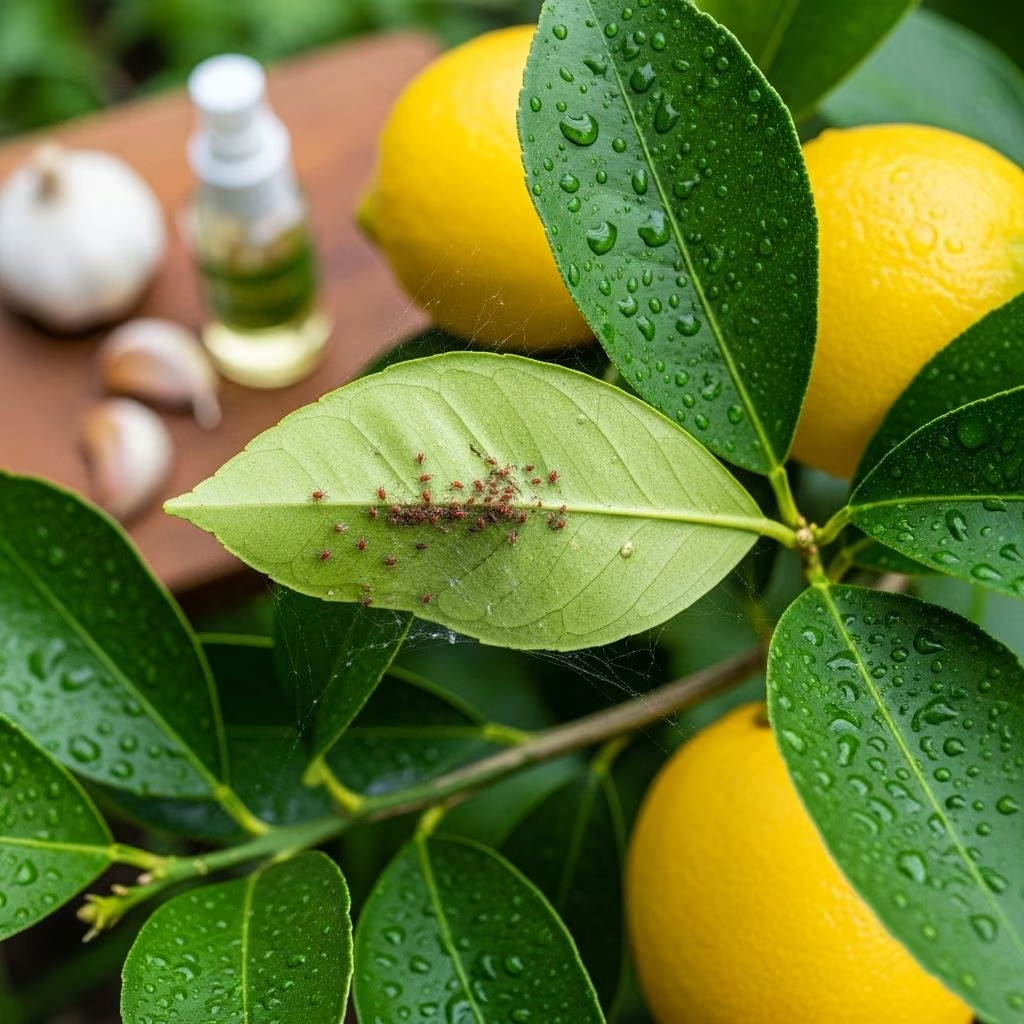
Spider mites represent one of the most challenging pests that lemon tree owners face, capable of transforming a thriving citrus tree into a struggling plant within days. These microscopic arachnids are particularly problematic for both indoor and outdoor lemon trees, creating unsightly webbing while draining vital nutrients from leaves and fruit. Understanding how to combat these pests using natural remedies not only protects your investment in citrus cultivation but also maintains the organic integrity of your homegrown lemons.
The battle against spider mites requires vigilance, knowledge, and a commitment to regular tree maintenance. Whether you’re overwintering your lemon tree indoors or maintaining an outdoor citrus grove, spider mites can strike at any time, especially in warm, dry conditions that create an ideal breeding environment for these pests. Fortunately, numerous natural remedies exist that effectively control spider mite populations without resorting to harsh chemical pesticides that can harm beneficial insects and compromise fruit quality.
Understanding Spider Mites on Lemon Trees
Spider mites are tiny, red, spider-like creatures that feed on plant tissue by piercing leaf cells and sucking out their contents. These pests are so small that they often go unnoticed until an infestation becomes severe. They typically measure less than 1/50th of an inch, making them nearly invisible to the naked eye. However, their damage becomes evident quickly as they reproduce rapidly, with populations exploding under favorable conditions.
The most distinctive sign of spider mite presence is the fine webbing they produce on leaves, stems, and fruit. This webbing serves as protection for the mites and their eggs while providing a pathway for movement across the plant. The undersides of leaves serve as prime real estate for spider mites, offering shelter and access to the tender tissue they prefer. As they feed, leaves develop a stippled, yellowed appearance, eventually turning bronze or brown as damage progresses.
Indoor lemon trees face particularly high risk of spider mite infestations because the warm, dry conditions inside homes create a perfect environment for these pests. The lack of natural predators indoors further compounds the problem, allowing populations to grow unchecked. Many indoor tree owners unknowingly introduce spider mites when bringing home new plants from nurseries, where these pests commonly hitchhike on foliage.
Early Detection and Prevention Strategies
The foundation of effective spider mite management lies in early detection and prevention. Regular inspection of your lemon tree should become a routine part of your plant care regimen. Examine both the tops and undersides of leaves at least once weekly, looking for telltale signs of spider mite activity including webbing, stippling, or the mites themselves. Use a magnifying glass to spot these tiny pests more easily, focusing on new growth and the underside of leaves where they typically congregate.
When inspecting leaves, look for a dusty or dirty appearance, which often indicates the presence of spider mite cast skins and fecal matter. Gently shake a branch over a white piece of paper—if tiny specks begin moving on the paper, you have spider mites. This simple test provides quick confirmation of an infestation and allows you to take immediate action before the problem escalates.
Prevention begins with maintaining optimal growing conditions for your lemon tree. Spider mites thrive in hot, dry environments, so increasing humidity around your tree creates an inhospitable environment for these pests. For indoor trees, place a humidifier nearby or set the pot on a pebble tray filled with water. Mist the foliage regularly, though be careful not to create conditions that promote fungal diseases. Outdoor trees benefit from adequate irrigation, as stressed, drought-affected plants are more susceptible to spider mite attacks.
Neem Oil: The Gold Standard Natural Treatment
Neem oil stands as one of the most effective natural remedies for controlling spider mites on lemon trees. Derived from the seeds of the neem tree, this organic pesticide works through multiple mechanisms to eliminate spider mites while remaining safe for beneficial insects when applied correctly. Neem oil contains azadirachtin, a compound that disrupts the life cycle of spider mites by interfering with their ability to feed, grow, and reproduce.
To prepare a neem oil spray, mix one to two tablespoons of pure neem oil with one gallon of water and add a few drops of mild liquid soap as an emulsifier. The soap helps the oil mix with water and improves coverage on leaf surfaces. Pour the mixture into a pump sprayer for easy application. It’s crucial to prepare fresh neem oil solution for each treatment, as the mixture separates over time and loses effectiveness.
Application technique makes all the difference when using neem oil. Thoroughly douse all parts of the tree, paying special attention to the undersides of leaves where spider mites hide. Don’t just give the tree a light misting—you want to see the solution dripping off the leaves. Spray the trunk, branches, and even the fruit if you notice black specks or webbing on them. The goal is complete coverage, as spider mites hiding in untreated areas will quickly repopulate the tree.
Timing your neem oil application appropriately maximizes effectiveness while minimizing potential harm to your tree. Apply neem oil in the early morning or late evening when temperatures are cooler and the solution won’t evaporate too quickly. Avoid spraying during the heat of the day or when temperatures exceed 90°F, as this can cause leaf burn. Repeat applications every seven to fourteen days until you see no signs of spider mite activity. Severe infestations may require weekly treatments for several weeks.
Water Spray Method for Physical Removal
One of the simplest yet surprisingly effective natural remedies for spider mites involves nothing more than water. A strong spray of water physically dislodges spider mites from leaves and stems, washing them away before they can reestablish themselves. This mechanical control method works particularly well in the early stages of an infestation or as a regular preventive measure.
To use this method effectively, take your potted lemon tree outside or to a sink if it’s small enough. Use a garden hose with a spray nozzle set to a strong jet, or use a spray bottle with good pressure for smaller trees. Systematically spray every part of the tree, focusing on the undersides of leaves where mites congregate. The force of the water breaks up webbing and washes mites off the plant, providing immediate relief.
Consistency is key when using water sprays as a control method. Repeat the process every two to three days for at least two weeks to break the reproductive cycle of spider mites. This regular disruption prevents surviving mites from rebuilding their population. The water spray method works best when combined with other natural remedies, creating a multi-pronged approach that’s more effective than any single treatment alone.
Insecticidal Soap and Horticultural Oil Solutions
Insecticidal soaps and horticultural oils provide another layer of natural defense against spider mites. These products work by suffocating the mites or disrupting their cell membranes, causing death without the use of synthetic pesticides. Many commercial formulations exist, or you can create your own solution using simple household ingredients.
To make a basic insecticidal soap, combine one tablespoon of mild liquid soap with one quart of water. Avoid using detergents or soaps with degreasers, fragrances, or other additives that might harm your tree. Pure castile soap works excellently for this purpose. Spray the solution liberally on all affected areas of the tree, ensuring complete coverage of both upper and lower leaf surfaces.
Horticultural oils work similarly to insecticidal soaps but provide longer-lasting protection. These highly refined petroleum or plant-based oils coat insects and their eggs, suffocating them while remaining safe for the tree. When using horticultural oil, follow label instructions carefully regarding dilution rates and application frequency. Be cautious not to over-apply, as excessive oil can clog leaf pores and cause more harm than good. One gardener’s experience demonstrates this risk—using too much oil suffocated leaves more effectively than it controlled the spider mites.
Beneficial Insects as Natural Predators
Introducing beneficial insects into your garden represents one of the most sustainable long-term solutions for spider mite control. These natural predators feed voraciously on spider mites, keeping populations in check without any intervention on your part. Ladybugs and lacewings stand out as the superheroes of the insect world when it comes to pest control, with both adult and larval stages consuming large numbers of spider mites daily.
Predatory mites offer another biological control option, particularly effective because they specialize in hunting spider mites. Unlike their pest counterparts, predatory mites don’t harm plants—they only feed on other mites and small insects. Species like Phytoseiulus persimilis work exceptionally well for controlling spider mites on citrus trees, rapidly multiplying when prey is abundant and naturally declining when mite populations decrease.
Attracting beneficial insects to your garden requires creating a welcoming habitat. Plant companion flowers such as yarrow, alyssum, fennel, and dill near your lemon trees to provide nectar and pollen for adult beneficial insects. Avoid using broad-spectrum pesticides that kill both harmful pests and beneficial predators indiscriminately. This approach works better for outdoor lemon trees, though some gardeners successfully introduce purchased beneficial insects to greenhouse or sunroom environments where citrus trees overwinter.
Pruning and Sanitation Practices
Proper pruning and sanitation play crucial roles in managing spider mite infestations naturally. When you discover leaves heavily infested with spider mites and their webbing, don’t hesitate to remove them immediately. Cut off affected branches and leaves, placing them directly into a sealed plastic bag to prevent mites from spreading to other parts of your tree or nearby plants. Dispose of the bag in the trash rather than composting it, as spider mites can survive in compost piles.
Regular pruning maintains tree health and improves air circulation through the canopy, creating conditions less favorable to spider mites. Remove dead or dying branches, thin out dense growth, and keep the center of the tree open to light and air movement. This not only discourages spider mites but also promotes overall tree vigor, making your lemon tree more resilient against pest attacks.
Clean your pruning tools between cuts when dealing with an active infestation to avoid spreading mites to healthy parts of the tree. A quick wipe with rubbing alcohol or a bleach solution disinfects tools effectively. After pruning, remove all fallen leaves and debris from around the base of your tree, as these materials can harbor mites waiting to reinfest the tree.
Environmental Modifications and Cultural Controls
Modifying the environment around your lemon tree creates conditions that naturally discourage spider mite infestations. Since these pests thrive in hot, dry conditions, maintaining adequate humidity becomes a critical control strategy. For indoor trees, aim for humidity levels between 40-60%, which remains comfortable for humans while being less hospitable to spider mites.
Watering practices significantly impact spider mite susceptibility. Water your lemon tree early in the morning, allowing foliage to dry before nightfall. This timing reduces humidity at night when fungal diseases develop while ensuring the tree has adequate moisture during the day. Deep, infrequent watering encourages healthy root development and overall plant vigor, making your tree more resistant to pest damage.
For trees overwintered in garages or other enclosed spaces, be aware that these environments often harbor spiders and other creatures that may introduce or exacerbate spider mite problems. The first time a gardener overwinters a tree in such a space often coincides with the first serious spider mite infestation. Regular monitoring becomes even more critical in these situations, as problems can escalate from zero to sixty within just a couple of days when conditions favor mite reproduction.
Integrated Pest Management Approach
The most effective strategy for managing spider mites on lemon trees combines multiple natural remedies into an integrated pest management (IPM) approach. This holistic strategy uses various control methods in concert, creating a robust defense that prevents resistance and provides better overall control than any single method alone.
Begin with cultural controls and environmental modifications as your first line of defense. Maintain tree health through proper watering, fertilization, and pruning. Monitor regularly for early signs of infestation. When you detect spider mites, start with the least invasive methods—water sprays and beneficial insects. If the infestation persists, escalate to insecticidal soaps or horticultural oils. Reserve neem oil for moderate to severe infestations, applying it thoroughly and consistently until control is achieved.
Document your treatments and their effectiveness to refine your approach over time. Note which methods work best for your specific situation, considering factors like whether your tree is indoors or outdoors, your local climate, and the severity of typical infestations. This information helps you respond more quickly and effectively when spider mites appear in the future.
Recovery and Long-Term Tree Health
After successfully controlling a spider mite infestation, focus on helping your lemon tree recover and regain its vigor. Severely infested trees suffer significant stress from both the pest damage and the treatments applied. Defoliation from heavy infestations reduces the tree’s ability to photosynthesize, weakening it and making it more susceptible to diseases and other pests.
Support your tree’s recovery with proper nutrition. Apply a balanced, slow-release fertilizer formulated for citrus trees to provide essential nutrients for new growth. Avoid over-fertilizing, as excessive nitrogen produces tender new growth that attracts spider mites and other pests. Maintain consistent watering practices, ensuring the tree receives adequate moisture without becoming waterlogged.
New leaves will gradually replace damaged foliage, and with proper care, your lemon tree should fully recover within a growing season. Continue monitoring closely during this recovery period, as stressed trees remain vulnerable to reinfestation. The investment you make in citrus trees—both financially and emotionally—deserves protection through vigilant care and prompt action when problems arise.
Frequently Asked Questions
Q: How quickly can spider mites infest a lemon tree?
A: Spider mite populations can explode remarkably fast, going from barely noticeable to severe infestation in just a few days under favorable conditions. Warm, dry weather accelerates their reproduction, with females laying hundreds of eggs that hatch within days. This rapid reproduction makes early detection and immediate treatment critical for preventing severe damage.
Q: Can I eat lemons from a tree treated with neem oil?
A: Yes, lemons from neem oil-treated trees are safe to eat. Neem oil is an organic pesticide approved for use on food crops. Wash the fruit thoroughly before consuming, as you should with any produce. Wait at least 24 hours after application before harvesting, and always follow label instructions regarding pre-harvest intervals.
Q: Why are my indoor lemon trees more susceptible to spider mites?
A: Indoor environments typically provide ideal conditions for spider mites—warm temperatures, low humidity, and absence of natural predators. The dry air in heated homes during winter creates particularly favorable conditions for mite reproduction. Additionally, indoor trees often experience more stress from inconsistent watering and lighting, making them more vulnerable to pest attacks.
Q: How often should I inspect my lemon tree for spider mites?
A: Inspect your lemon tree at least once weekly during the growing season, increasing to twice weekly during hot, dry weather when spider mite activity peaks. For indoor trees or those overwintering in enclosed spaces, maintain weekly inspections year-round. Early detection allows for easier control before populations explode.
Q: Will spider mites kill my lemon tree?
A: While spider mites rarely kill established lemon trees outright, severe infestations can cause significant damage that weakens the tree and reduces fruit production for multiple seasons. Heavy infestations lead to defoliation, which stresses the tree and makes it susceptible to diseases and other pests. Young or already stressed trees face greater risk of serious long-term damage or death from severe spider mite infestations.
Q: Can I prevent spider mites from returning after treatment?
A: Complete prevention is difficult, but you can significantly reduce the likelihood of reinfestation through several practices. Maintain optimal growing conditions with adequate humidity and consistent watering. Inspect new plants carefully before introducing them near your lemon tree. Continue monitoring regularly even after successful treatment. Encourage beneficial insects in your garden. These practices create an environment less favorable to spider mites while promoting overall tree health and natural pest resistance.
References
- https://www.youtube.com/watch?v=3izs3BsD1BQ
- https://forums.botanicalgarden.ubc.ca/threads/treatment-for-spider-mites-on-citrus.96747/
- https://foodgardening.mequoda.com/articles/the-bitter-taste-of-spider-mites-on-lemon-trees/
- https://www.lobbalexis.com/blog/say-goodbye-to-citrus-mites-a-complete-guide-to-keep-your-citrus-trees-pest-free_ae21.html
- https://ipm.ucanr.edu/home-and-landscape/spider-mites/