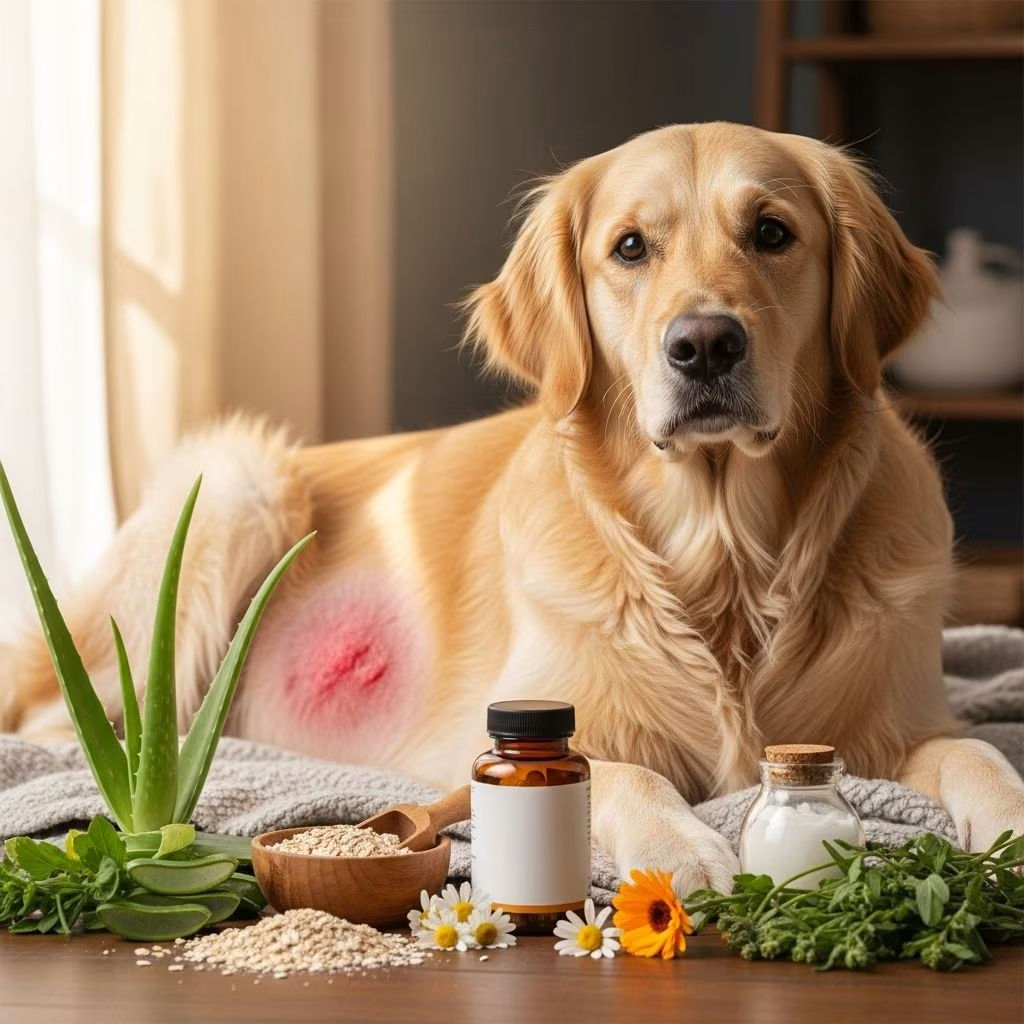
Atopic dermatitis represents one of the most challenging skin conditions affecting dogs worldwide, causing persistent itching, inflammation, and discomfort that can dramatically impact your pet’s quality of life. This chronic allergic condition affects an estimated 3% to 15% of the canine population and ranks as the second most common cause of allergic skin disease in dogs. While conventional treatments often involve expensive medications with potential side effects, an increasing number of pet owners are turning to natural remedies that offer gentle yet effective relief for their furry companions.
Understanding how to manage atopic dermatitis naturally requires knowledge of both the condition itself and the various plant-based, holistic treatments available. From ancient remedies like chamomile and aloe vera to modern discoveries involving hemp-derived products, natural solutions provide pet owners with safer alternatives that work in harmony with their dog’s body. This comprehensive guide explores the most effective natural remedies for canine atopic dermatitis, explaining how each treatment works and how to implement them safely for optimal results.
Understanding Atopic Dermatitis in Dogs
Atopic dermatitis in dogs is a chronic inflammatory skin condition triggered by environmental allergens such as pollen, dust mites, mold spores, and other airborne substances. Unlike simple skin irritations, this condition involves complex immune system responses that create persistent inflammation and intense itching. Dogs suffering from atopic dermatitis often develop characteristic symptoms including red, inflamed skin, constant scratching and licking, hair loss in affected areas, and secondary bacterial or yeast infections from damaged skin barriers.
The condition typically manifests in specific areas of the body, most commonly affecting the face, ears, paws, armpits, and groin region. Many dogs experience seasonal flare-ups when allergen levels are highest, though some suffer year-round symptoms. Traditional treatment approaches focus on avoidance and immunotherapy, but these options are frequently impractical or unsuccessful, leaving many pet owners searching for alternative solutions.
Soothing Herbal Remedies and Tea Soaks
Herbal remedies have provided relief for skin conditions across centuries, and their application to canine atopic dermatitis has proven remarkably effective. Chamomile, calendula, and green tea contain natural compounds that soothe irritated skin, reduce inflammation, and cool hot, itchy patches that risk becoming raw from excessive scratching. These gentle herbs work by delivering anti-inflammatory and antioxidant properties directly to affected areas.
Chamomile stands out as particularly beneficial for dogs with atopic dermatitis, offering powerful anti-inflammatory properties that relieve both itching and swelling. To prepare an herbal soak, steep several tea bags in warm water for three minutes, remove the bags, and allow your dog to soak in the bath for at least five minutes. This method proves especially effective for dogs experiencing widespread itching across their body.
For localized treatment of smaller affected patches, steep one or two tea bags in approximately two cups of hot water, allow the tea to cool completely, then pour it directly onto your dog’s skin as a targeted application. Let the solution drip dry naturally without rinsing to maximize its therapeutic benefits. The cooling sensation provides immediate relief while the herbal compounds work to reduce underlying inflammation.
Therapeutic Plant Oils for Skin Health
Various plant-derived oils offer antimicrobial, antioxidant, anti-inflammatory, and anti-itch properties that address multiple aspects of atopic dermatitis simultaneously. These natural oils work by nourishing damaged skin, creating protective barriers against environmental irritants, and combating secondary infections that commonly develop when the skin barrier is compromised.
Hemp Seed Oil has demonstrated promising results in managing allergic dermatitis symptoms. Research indicates that dietary hemp seed oil can help reduce clinical signs of the condition, though topical application also provides benefits. This oil delivers essential fatty acids that support skin health and reduce inflammation from within.
Coconut Oil functions as a versatile treatment option, acting simultaneously as a moisturizer, anti-inflammatory agent, mild sun protectant, and antiseptic when applied topically. However, pet owners should exercise caution with coconut oil application, as dogs instinctively lick their skin, potentially leading to unintended weight gain due to the oil’s high caloric content. Apply thin layers to affected areas and monitor your dog to discourage excessive licking.
Shea Nut Butter creates a rich, protective balm when applied to irritated skin, delivering anti-inflammatory and antioxidant benefits. The natural fats in shea butter form a defensive barrier that shields vulnerable skin from environmental elements and external irritants, allowing damaged tissue to heal more effectively.
Grape Seed Oil contains high concentrations of beneficial fatty acids, vitamin E, and phenolic compounds that may function as powerful antioxidants when applied topically. While research on this oil remains limited, preliminary findings suggest significant potential for supporting skin health in dogs with atopic dermatitis.
The Healing Power of Aloe Vera
Aloe vera represents one of the few plant-based products extensively evaluated in canine studies, with research confirming its effectiveness for dogs experiencing mild allergic dermatitis. This centuries-old natural treatment addresses various skin conditions including rashes, redness, burns, and persistent itching through its unique combination of healing compounds.
When applied to affected skin, aloe vera delivers immediate cooling relief while promoting faster healing of damaged tissue. The plant’s natural gel contains enzymes, vitamins, minerals, and amino acids that work synergistically to reduce inflammation, combat bacterial growth, and accelerate skin repair. For dogs with atopic dermatitis, aloe vera can be applied directly to inflamed areas, providing both symptomatic relief and therapeutic healing.
Tea Tree Oil: Benefits and Precautions
Tea tree oil offers natural antibacterial and antifungal properties that make it valuable for treating secondary infections associated with atopic dermatitis. Early studies demonstrate that a 10% tea tree oil cream applied to the skin may help reduce itching and allergic dermatitis symptoms in dogs. However, this powerful essential oil requires careful handling due to potential toxicity concerns.
Safe tea tree oil application demands strict adherence to specific guidelines. Always use properly diluted products containing no more than 10% tea tree oil, apply only thin layers to small, targeted areas, and prevent your dog from licking treated regions. Signs of tea tree oil toxicity include lethargy, tremors, excessive drooling, or paralysis. If any of these symptoms appear, discontinue use immediately and consult your veterinarian.
Apple Cider Vinegar for Itchy Skin Relief
Apple cider vinegar serves as a natural, safe solution for especially dry, itchy skin affected by atopic dermatitis. The antiseptic and antifungal properties of apple cider vinegar make it particularly effective for relieving irritation caused by environmental allergens. This readily available household ingredient provides quick relief without requiring expensive specialty products.
To create an apple cider vinegar treatment, fill a spray bottle with equal parts water and apple cider vinegar (50/50 ratio) to target affected areas. This dilution provides therapeutic benefits while ensuring the solution remains gentle enough for irritated skin. For dogs who have walked through areas containing poison ivy, oak, or sumac, soaking affected paws in the solution for up to five minutes can help remove allergens and soothe inflammation.
Important caution: Never apply apple cider vinegar to raw or open wounds, as the acidic solution will sting exposed tissue and cause significant discomfort. Reserve this treatment for intact skin experiencing itching, dryness, or mild inflammation.
Oatmeal Baths for Comprehensive Relief
Oatmeal has served as a trusted remedy for dry, itchy skin for generations, and this gentle treatment proves equally safe and effective for dogs suffering from atopic dermatitis. Colloidal oatmeal, which consists of finely ground oat particles suspended in liquid, appears as an active ingredient in most hypoallergenic dog shampoos due to its superior soothing and anti-irritation properties.
Oatmeal baths work by coating irritated skin with a protective layer that locks in moisture, reduces inflammation, and alleviates itching. The proteins in oats create a natural barrier that shields sensitive skin from environmental allergens while promoting healing. Regular oatmeal baths can provide significant relief for dogs experiencing widespread atopic dermatitis symptoms, offering a gentle yet effective treatment option suitable for frequent use.
Specialized Natural Balms and Topical Solutions
Specially formulated natural balms offer targeted treatment for different areas affected by atopic dermatitis. These products combine multiple healing ingredients to address various aspects of the condition simultaneously.
Skin Soother formulations represent powerful organic healing balms designed to treat crusty, red, rashy skin on less sensitive body regions. These products pack antibacterial, anti-inflammatory, and antifungal properties into concentrated formulas that treat underlying causes while promoting faster recovery. The balm creates a protective layer that helps keep environmental allergens away from vulnerable skin, making it ideal for treating a dog’s armpits, legs, ankles, paws, and neck.
Wrinkle Balm products provide gentler alternatives formulated specifically for sensitive areas including the face, ears, and other delicate regions. Despite their gentle nature, these balms remain strong enough to prevent and alleviate bacterial growth, crusty buildup, and environmental allergen exposure. The carefully balanced formula allows safe application to face folds, ears, genitals, and lips without causing additional irritation.
Hemp-Derived CBD Oil for Atopic Dermatitis
Cannabidiol (CBD) oil has emerged as a promising natural treatment option for canine atopic dermatitis, derived from the same hemp plant that produces beneficial hemp seed oil. CBD works by interacting with receptors in the dog’s endocannabinoid system, a regulatory network that helps control inflammation and immune responses.
CBD oil offers complete safety for dogs when sourced from reputable manufacturers and administered according to proper guidelines. This all-natural compound can be used in several different ways, including oral administration, topical application, or incorporation into specialized pet products. The anti-inflammatory properties of CBD help reduce the immune system overreactions that drive atopic dermatitis symptoms, potentially providing relief where other treatments have failed.
Practical Application Methods and Hygiene Practices
Successful management of atopic dermatitis requires consistent implementation of proper hygiene practices alongside natural remedy applications. Daily brushing removes accumulated dander and dandruff from your dog’s coat, helping eliminate allergens before they can trigger inflammatory responses[10]. This simple practice takes only minutes but provides significant benefits for dogs prone to allergic reactions.
Weekly bathing using gentle, natural shampoos helps wash away environmental allergens and contaminants that accumulate on the skin’s surface[10]. For dogs with paw-focused symptoms, Epsom salt soaks lasting 5-10 minutes at least once daily can effectively remove allergens while providing soothing relief. These targeted foot soaks prove particularly valuable during high allergen seasons or after outdoor activities.
Cool compresses offer immediate relief for inflamed, irritated skin during acute flare-ups. Simply soak a clean cloth in cool water, wring out excess moisture, and apply gently to affected areas for several minutes. This simple intervention reduces inflammation and provides comforting relief while other natural treatments work to address underlying causes.
Combining Natural Remedies for Maximum Effectiveness
The most successful natural treatment approaches often involve combining multiple complementary remedies to address different aspects of atopic dermatitis simultaneously. For example, regular oatmeal baths can be paired with targeted application of healing balms to specific problem areas, while dietary supplementation with hemp seed oil supports skin health from within.
When combining treatments, introduce new remedies gradually to monitor your dog’s response and identify any sensitivities. Start with the gentlest options like chamomile soaks and oatmeal baths before progressing to more concentrated treatments such as essential oils or specialized balms. This methodical approach allows you to build an effective treatment protocol tailored to your dog’s specific needs and tolerance levels.
Consistency proves crucial when using natural remedies, as these gentle treatments typically require regular application over time to achieve optimal results. Unlike pharmaceutical interventions that may provide rapid but temporary relief, natural approaches work gradually to restore skin health and strengthen the body’s natural defenses against allergens.
Important Considerations and When to Seek Veterinary Care
While natural remedies offer valuable benefits for managing canine atopic dermatitis, certain situations require professional veterinary attention. If your dog’s itching persists despite consistent application of natural treatments, intensifies over time, or results in self-inflicted wounds, schedule an appointment with your veterinarian. Severe cases may require more intensive interventions to prevent complications and ensure your pet’s comfort.
Secondary infections frequently develop when damaged skin provides entry points for bacteria and yeast. Signs of infection include increased redness, swelling, discharge, foul odor, or fever. These complications require veterinary diagnosis and may necessitate prescription medications alongside natural supportive care.
Research indicates that not all natural remedies demonstrate clinical effectiveness. One study examining a commercial homeopathic remedy found that it reduced pruritus by less than 50% in only 2 of 18 treated dogs, with results no better than placebo. This underscores the importance of selecting evidence-based natural treatments and monitoring your dog’s response objectively.
Creating a Comprehensive Natural Treatment Plan
Developing an effective natural treatment strategy for atopic dermatitis involves several key components working together harmoniously. Begin by establishing a consistent bathing schedule using gentle, natural shampoos formulated for sensitive skin. Weekly baths help remove environmental allergens while maintaining skin health without causing excessive dryness.
Incorporate daily grooming practices including brushing and targeted cleaning of frequently affected areas. Pay special attention to paws, face folds, and other regions where allergens commonly accumulate. These preventive measures reduce allergen exposure and help prevent flare-ups before they begin.
Select appropriate topical treatments based on your dog’s specific symptom patterns and affected body regions. Gentler formulations work best for facial areas and other sensitive zones, while stronger preparations may be necessary for tougher issues on less delicate body parts. Apply treatments consistently according to product guidelines, allowing adequate time for natural ingredients to exert their healing effects.
Consider dietary supplementation with beneficial oils such as hemp seed oil or omega-3 fatty acids to support skin health from within. These internal approaches complement external treatments by addressing inflammatory processes throughout the body and strengthening the skin’s natural barrier function.
Frequently Asked Questions
Q: How long does it take for natural remedies to work for atopic dermatitis?
A: Natural remedies typically require consistent application over 2-4 weeks before showing significant improvement, as they work gradually to restore skin health rather than providing instant relief like pharmaceutical options.
Q: Can I use multiple natural remedies at the same time?
A: Yes, combining complementary natural remedies often provides better results than using single treatments alone. Start with gentle options and gradually introduce additional remedies while monitoring your dog’s response.
Q: Are natural remedies safe for puppies with atopic dermatitis?
A: Most natural remedies like oatmeal baths and chamomile soaks are safe for puppies, but concentrated essential oils should be used with extra caution. Always consult your veterinarian before treating young dogs.
Q: How often should I bathe my dog with atopic dermatitis?
A: Weekly bathing with gentle, natural shampoos helps remove allergens without causing excessive dryness. Some dogs may benefit from twice-weekly baths during high allergen seasons.
Q: Will natural remedies completely cure my dog’s atopic dermatitis?
A: Atopic dermatitis is a chronic condition that cannot be cured, but natural remedies can effectively manage symptoms, reduce flare-ups, and significantly improve your dog’s quality of life when used consistently.
Q: What should I do if natural remedies aren’t helping?
A: If symptoms persist or worsen after 3-4 weeks of consistent natural treatment, consult your veterinarian for professional evaluation and possible prescription interventions to prevent complications.
Q: Can I use human-grade essential oils on my dog?
A: Only use properly diluted essential oils specifically formulated for pets, as many human-grade products contain concentrations too strong for dogs and may cause toxicity if ingested through licking.
Q: Is coconut oil safe if my dog licks it off?
A: While coconut oil is non-toxic, excessive ingestion can lead to weight gain due to its high caloric content. Apply thin layers and discourage licking when possible.
References
- https://www.holistapet.com/blogs/home-remedies-for-dogs/dermatitis
- https://www.akcpetinsurance.com/blog/5-natural-remedies-to-help-your-itchy-dog
- https://naturaldog.com/blogs/whole-dog-health/heal-skin-dermatitis-dogs
- https://pmc.ncbi.nlm.nih.gov/articles/PMC339391/
- https://www.dogsnaturallymagazine.com/atopic-dermatitis-in-dogs-a-holistic-approach/
- https://www.petmd.com/dog/general-health/home-remedies-for-dogs
- https://wagwalking.com/treatment/natural-eczema-remedies
- https://thevets.com/resources/pet-conditions/dermatitis-in-dogs/
- https://www.prodograw.com/health/symptoms-treatment-and-natural-remedies-for-atopic-dermatitis-in-dogs/
- https://www.smalldoorvet.com/learning-center/medical/atopic-dermatitis-in-dogs