Every dog owner will inevitably face the challenge of treating wounds on their beloved companion. Whether it’s a minor scrape from an enthusiastic play session, a cut sustained during outdoor adventures, or an unexpected injury, knowing how to properly care for your dog’s wounds using natural remedies can make a significant difference in healing time and overall recovery. Natural wound healing approaches offer safe, effective alternatives to harsh chemical treatments while supporting your dog’s body in its natural healing process.
Understanding how to leverage nature’s powerful healing properties can empower you to respond quickly and effectively when your furry friend needs care. From the antibacterial power of manuka honey to the soothing properties of herbal treatments, natural remedies provide comprehensive wound care solutions that promote faster healing while minimizing the risk of adverse effects associated with conventional treatments.
Understanding When to Use Natural Remedies
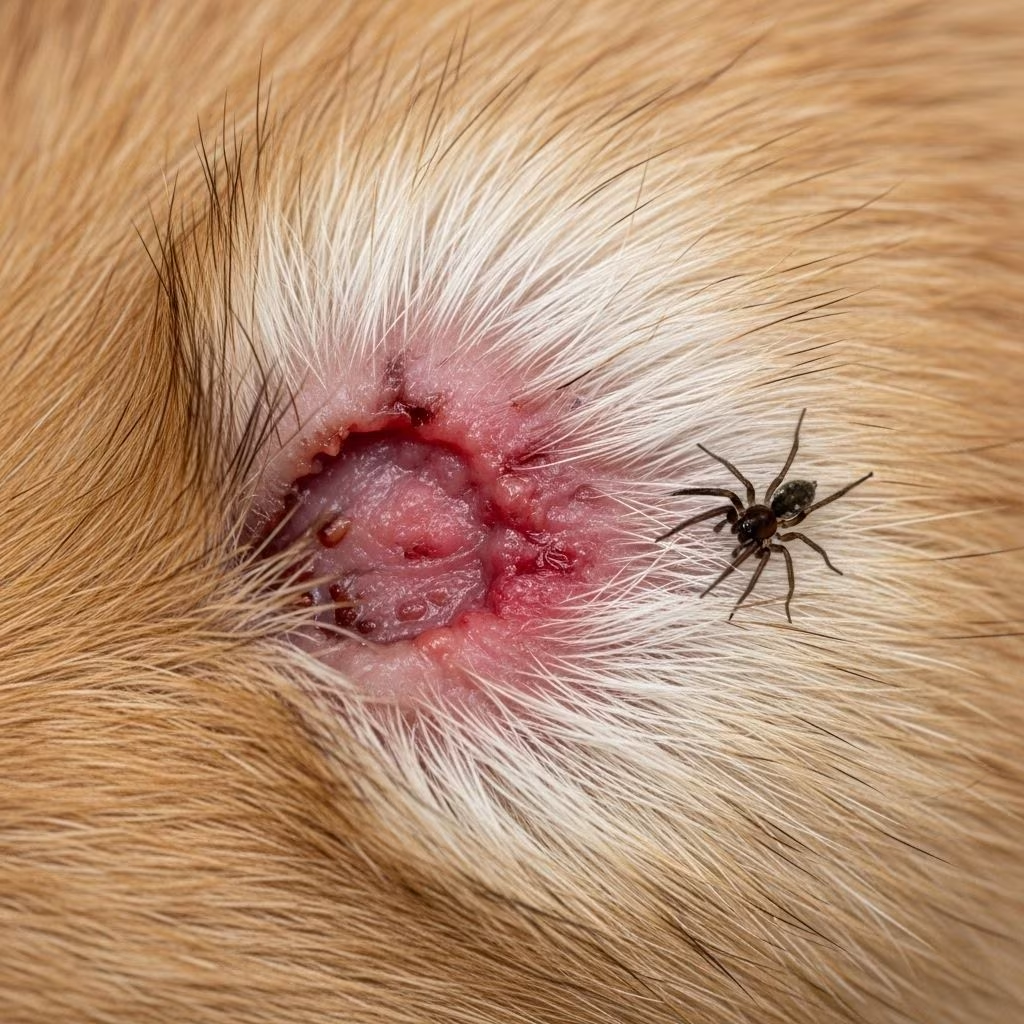
Before diving into specific natural treatments, it’s essential to understand which wounds are appropriate for home treatment and when professional veterinary care is necessary. Minor cuts, scrapes, and superficial wounds typically respond well to natural remedies when properly cleaned and monitored. These include shallow abrasions from rough play, minor scratches from vegetation during walks, and small cuts that don’t penetrate deeply into tissue.
However, deep puncture wounds, large lacerations, wounds showing signs of infection such as excessive swelling, pus, or foul odor, and injuries accompanied by significant bleeding require immediate veterinary attention. Always assess the severity of your dog’s wound carefully before proceeding with home treatment. When in doubt, consulting with your veterinarian ensures your dog receives appropriate care.
The Power of Hydrotherapy for Wound Healing
One of the most effective yet often overlooked natural wound care methods is hydrotherapy. Running cool water over a wound serves multiple therapeutic purposes that accelerate healing. The gentle flow of water mimics and enhances the body’s natural cleansing mechanisms, washing away debris, dead cells, and pus that accumulate during the healing process much more efficiently than the body can manage alone.
Hydrotherapy also appears to stimulate the growth of healthy healing tissue, encouraging faster regeneration of damaged skin. To properly administer hydrotherapy, run cool water directly on the wound for 5-10 minutes once or twice daily. You can use a faucet, garden hose, or for smaller dogs, the spray attachment in your kitchen sink works particularly well. The consistent, gentle pressure helps keep the wound clean while promoting circulation to the affected area.
This method is especially beneficial during the initial stages of wound healing when keeping the area clean is paramount. The cooling effect of the water also provides relief from discomfort and helps reduce inflammation naturally.
Manuka Honey: Nature’s Golden Healer
Manuka honey stands out as one of the most powerful natural wound healing agents available, backed by both traditional use and modern scientific research. This special honey, produced by bees that pollinate the Manuka bush native to New Zealand, possesses unique antibacterial properties that make it particularly effective for wound care. Unlike regular honey, Manuka honey contains methylglyoxal, a compound that gives it superior antimicrobial activity.
The healing mechanism of Manuka honey works on multiple levels. Its natural antibacterial properties fight harmful bacteria that could cause infection, while its osmotic effect draws out toxins and harmful substances from the wound bed. Additionally, Manuka honey maintains optimal moisture balance at the wound site, which is crucial for proper healing. This moisture-retentive environment prevents scabs from forming too quickly, allowing new tissue to regenerate more effectively.
To use Manuka honey for wound treatment, first ensure the wound is clean. Apply a thin, even layer of medical-grade Manuka honey directly to the wound surface. Cover with a clean, breathable bandage if the location permits, though be aware that dogs will attempt to lick the honey off if they can reach it. Reapply the honey twice daily, cleaning the wound gently between applications. The natural sweetness is appealing to dogs, so monitoring and potentially using an Elizabethan collar may be necessary to prevent licking.
Herbal Tea Treatments for Wound Care
Herbal tea rinses represent an ancient yet remarkably effective approach to wound healing that harnesses the therapeutic properties of medicinal plants. Chamomile, calendula, and lavender are particularly beneficial herbs for treating canine wounds, each offering unique healing properties that work synergistically to promote recovery.
Preparing Herbal Tea Rinses
Creating an effective herbal wound rinse is straightforward. Use 2 teaspoons of dried herb or 2 tablespoons of fresh herb per cup of boiling water. Chamomile soothes inflammation and provides gentle antimicrobial action. Calendula, often called the “gentle healer,” contains potent anti-inflammatory compounds and speeds up skin cell regeneration. Lavender offers both antibacterial properties and a calming effect.
To prepare the treatment, pour boiling water over your chosen herbs, cover the container, and allow the tea to steep until completely cool. This cooling period is essential as hot liquids can damage healing tissue. Once cooled, strain the liquid thoroughly to remove all plant material, which could irritate the wound. Refrigerate the prepared tea and use within 3-4 days for maximum effectiveness.
Apply the herbal tea as a spray, rinse, wash, or compress up to several times daily. For spray application, transfer the cooled tea to a clean spray bottle and mist the affected area. For compresses, soak a clean cloth in the tea and hold it against the wound for several minutes. These treatments relieve irritation, control inflammation, and create an environment conducive to healing.
Calendula: The Skin Regeneration Specialist
Calendula deserves special attention among herbal remedies due to its exceptional wound-healing properties. This bright orange flower, also known as pot marigold, has been used medicinally for centuries and contains numerous compounds that actively support tissue repair. The natural constituents in calendula stimulate collagen production and accelerate the formation of new skin cells, making it invaluable for treating various wound types.
Unlike harsher antiseptics, calendula works gently without causing irritation or damaging healthy tissue. Its anti-inflammatory action reduces swelling and discomfort while its antimicrobial properties help prevent infection. To create a calendula wound wash, prepare a strong tea solution using dried calendula petals. Use approximately 3-4 teaspoons of dried flowers per cup of boiling water for a more concentrated solution than regular herbal tea.
Allow the mixture to steep for at least 15 minutes before straining and cooling completely. Use this solution as a wound wash twice daily, gently applying it to clean wounds with a soft cloth or cotton pad. The solution can also be used in a spray bottle for easy application to hard-to-reach areas. Calendula’s gentle nature makes it suitable for even sensitive skin, and it can be used throughout the entire healing process.
Aloe Vera for Superficial Wound Treatment
While commonly associated with sunburn relief, aloe vera offers remarkable benefits for treating superficial wounds in dogs. The clear gel inside aloe leaves contains over 75 active compounds, including vitamins, enzymes, minerals, and amino acids that work together to promote healing. Particularly notable is glucomannan, a polysaccharide that stimulates collagen synthesis and accelerates wound closure.
Fresh aloe vera gel applied directly to clean wounds provides a cooling, soothing effect while creating a protective barrier that maintains moisture balance. To use aloe vera, cut open a mature leaf from an aloe plant, scoop out the clear gel using a clean spoon, and apply it directly to the wound. Avoid the yellow latex layer just beneath the skin, as this can cause irritation.
Reapply fresh aloe gel 3-4 times daily until you see significant healing progress. The gel absorbs quickly and doesn’t leave a greasy residue. However, it’s crucial to note that aloe vera should only be used topically and never allowed for internal consumption, as ingested aloe can be toxic to dogs. If your dog can reach the treated area to lick, consider alternative treatments or use protective measures to prevent ingestion.
Apple Cider Vinegar Water Rinse
Apple cider vinegar has earned its reputation as a versatile natural remedy with numerous applications in pet care, including wound treatment. Its cooling properties and antimicrobial effects make it valuable for treating minor cuts, skin infections, and itchy areas. The organic acids in apple cider vinegar create an inhospitable environment for harmful bacteria while soothing irritated skin.
However, caution is essential when using vinegar on wounds. If a wound is at all open, raw, or fresh, apple cider vinegar will sting considerably and cause discomfort. This remedy works best for older wounds that have already begun healing or for skin conditions rather than acute injuries. For an effective skin tonic, combine 1 part apple cider vinegar with 3 parts water.
For enhanced benefits, you can infuse the vinegar with herbs before diluting. Add dried herbs like calendula or chamomile to undiluted apple cider vinegar, seal the jar tightly, and leave it in a warm location for a month or longer. Strain the mixture, dilute it with water at a 1:3 ratio, and transfer to spray bottles for convenient application. Store in a cool, dark place and shake well before each use. For dogs with white or very light coats, substitute plain white vinegar to avoid any potential discoloration.
Sea Salt Solutions for Wound Healing
Mineral-rich unrefined sea salt offers exceptional wound-healing properties that have been recognized for generations. Unlike processed table salt, unrefined sea salt contains trace minerals that support cellular function and tissue repair. Salt solutions create an osmotic environment that draws out infection and reduces inflammation while promoting healthy tissue growth.
To create an effective wound spray, combine 4 cups of herbal tea with ¾ cup aloe vera juice or gel and ½ cup unrefined sea salt. This combination leverages the benefits of multiple healing agents in one convenient solution. For a simpler preparation, dissolve 2 tablespoons of unrefined sea salt in ½ cup of warm water to create a basic saline solution.
Apply sea salt solutions to wounds using a spray bottle, as a rinse, or with soaked compresses. The mild stinging sensation that may occur is temporary and indicates the solution is working to cleanse the wound. Regular application helps keep wounds clean, reduces bacterial load, and creates optimal conditions for healing. This approach is particularly effective for wounds that are beginning to show signs of minor infection or for maintaining cleanliness in hard-to-bandage areas.
Coconut Oil as a Natural Wound Dressing
Coconut oil’s impressive array of medium-chain fatty acids provides powerful antimicrobial protection against bacteria, viruses, yeasts, fungi, and parasites. These fatty acids, particularly lauric acid, disrupt the cell membranes of harmful microorganisms, making coconut oil an excellent natural wound dressing. Additionally, coconut oil keeps wounds moist, which is essential for proper healing and prevents premature scab formation that can impede tissue regeneration.
The main challenge with using coconut oil on dog wounds is that most dogs find its flavor irresistible and will eagerly lick it off. This makes coconut oil most practical for wounds in areas your dog cannot reach, such as parts of the back, shoulders, or top of the head. If you can keep the oil in place, it provides continuous protective coverage and moisture that supports healing.
Apply a thin layer of organic, virgin coconut oil directly to clean wounds. The oil will soften at body temperature and spread easily. Reapply as needed, particularly after cleaning the wound. For wounds your dog can reach, coconut oil can still be used if you employ protective measures like an Elizabethan collar, though this may not be practical for long-term treatment. Despite the licking challenge, the brief contact time before your dog removes it may still provide some benefit.
Yarrow: The Natural Styptic Herb
Yarrow stands out among herbal remedies for its exceptional ability to control bleeding and promote rapid wound healing. This versatile herb has been used for centuries as a natural styptic agent, meaning it helps stop bleeding quickly from minor cuts and scrapes. The compounds in yarrow help tighten tissues, reduce swelling, and stimulate the body’s natural healing mechanisms.
Yarrow’s applications are diverse and adaptable to various situations. To create a yarrow salve, combine dried yarrow with a carrier oil like coconut or olive oil, warm the mixture gently to infuse the oil with the herb’s beneficial compounds, strain out the plant material, and add beeswax to thicken the mixture into a spreadable consistency. This salve can be applied to bruises, minor cuts, or areas of swelling.
For immediate treatment needs, create a fresh poultice by crushing yarrow leaves into a paste with a small amount of warm water. Apply this paste directly to the affected area and cover with a clean cloth or light bandage for approximately 20 minutes. The herb’s active constituents will work to stop bleeding and initiate healing processes. Yarrow tea can also serve as an effective wound rinse. Steep dried yarrow in hot water, allow it to cool completely, and use it to gently clean minor wounds with a soft cloth.
Creating a Natural First Aid Kit
Being prepared with the right natural remedies ensures you can respond immediately when your dog sustains a wound. A well-stocked natural first aid kit should include several key items that address various wound care needs. Store these items in a clean, organized container that’s easily accessible during emergencies.
Essential items include medical-grade Manuka honey with a high UMF (Unique Manuka Factor) rating, dried herbs such as calendula, chamomile, and lavender for preparing teas and rinses, an aloe vera plant or pure aloe gel without added ingredients, unrefined sea salt for creating healing solutions, organic virgin coconut oil, and apple cider vinegar with the “mother” intact. Additionally, keep clean spray bottles, soft cotton cloths, sterile gauze pads, and breathable bandaging materials.
Maintain your natural first aid supplies by checking expiration dates regularly, replacing dried herbs annually as their potency diminishes, and ensuring all containers are clean and properly sealed. Having these items readily available allows you to begin treatment immediately, potentially preventing complications and speeding recovery.
Monitoring Healing Progress and Recognizing Complications
Even when using effective natural remedies, careful monitoring of wound healing progress is essential to ensure recovery proceeds normally and to identify any complications early. Healthy healing follows predictable patterns, and deviations from these patterns may indicate problems requiring veterinary attention.
Normal healing signs include gradual reduction in wound size, decreased redness and swelling over time, formation of healthy pink or light tissue at wound edges, minimal clear discharge that decreases as healing progresses, and your dog showing increased comfort and less interest in the wound. The wound should appear cleaner each day and show steady improvement.
Concerning signs that warrant veterinary consultation include increasing redness, heat, or swelling around the wound, foul-smelling discharge or pus, wounds that appear to worsen or fail to improve after several days of treatment, excessive pain indicated by your dog’s behavior, fever or lethargy, and wounds that reopen after appearing to heal. If you observe any of these warning signs, discontinue home treatment and seek professional veterinary care immediately.
Supporting Overall Healing Through Nutrition
Natural wound care extends beyond topical treatments to include nutritional support that enhances your dog’s ability to heal from within. Proper nutrition provides the building blocks necessary for tissue repair and immune function, significantly impacting recovery speed and quality.
Ensure your dog receives adequate high-quality protein, which supplies amino acids essential for collagen synthesis and new tissue formation. Include sources of vitamin C, which supports immune function and collagen production, though dogs can synthesize their own vitamin C. Zinc plays a crucial role in wound healing and can be supplemented if recommended by your veterinarian. Omega-3 fatty acids from fish oil help reduce inflammation and support cell membrane health.
Consider adding bone broth to your dog’s diet during recovery, as it provides easily digestible nutrients, including collagen and amino acids that directly support healing. Ensure your dog has constant access to fresh, clean water to maintain proper hydration, which is vital for all cellular processes including tissue repair.
Frequently Asked Questions
Q: How quickly should I see improvement when using natural wound remedies?
A: Most minor wounds should show visible improvement within 3-5 days of consistent treatment with natural remedies. You should notice reduced redness, swelling, and discharge, with the wound appearing cleaner and smaller. If you don’t see progress within this timeframe or if the wound worsens, consult your veterinarian.
Q: Can I combine multiple natural remedies for better results?
A: Yes, many natural remedies work synergistically and can be combined effectively. For example, you might use hydrotherapy for initial cleaning, apply an herbal tea rinse for its anti-inflammatory properties, and finish with manuka honey as a protective dressing. However, avoid applying too many products simultaneously, as this can make it difficult to assess what’s working.
Q: Is manuka honey safe if my dog licks it off the wound?
A: Yes, manuka honey is safe for dogs to consume in the small amounts they might lick from a wound. However, the treatment becomes less effective when removed, so it’s best to prevent licking when possible using an Elizabethan collar or by treating areas your dog cannot reach.
Q: How do I know if a wound is too serious for natural home treatment?
A: Deep puncture wounds, large lacerations longer than an inch, wounds with heavy bleeding that doesn’t stop within a few minutes, bite wounds, or any wound showing signs of infection such as foul odor, excessive pus, or significant swelling require professional veterinary care. When in doubt, always consult your veterinarian.
Q: Can I use regular grocery store honey instead of manuka honey?
A: While regular honey has some antibacterial properties, manuka honey is significantly more effective for wound healing due to its higher concentration of methylglyoxal and other therapeutic compounds. For best results, use medical-grade manuka honey with a UMF rating of 10 or higher.
Q: How long should I continue treating a wound with natural remedies?
A: Continue treatment until the wound is completely healed, with healthy skin covering the entire area. This typically takes 7-14 days for minor wounds, though deeper injuries may require longer. Even after the surface appears healed, continue gentle cleaning for a few extra days to ensure complete recovery.
Q: Are there any natural remedies I should avoid using on dog wounds?
A: Avoid using tea tree oil undiluted, as it can be toxic to dogs. Don’t apply hydrogen peroxide repeatedly, as it damages healthy tissue. Never use essential oils without proper dilution and expert guidance. Always research any remedy thoroughly before applying it to your dog’s wounds.
Q: Can natural remedies prevent scarring?
A: Natural remedies like manuka honey, aloe vera, and calendula support optimal healing conditions that can minimize scarring. Keeping wounds moist, preventing infection, and supporting tissue regeneration all contribute to better cosmetic outcomes. However, some scarring may still occur with deeper wounds regardless of treatment method.
References
- https://www.petnaturalremedy.com/blogs/read-our-blogs/topical-remedies-for-cleaning-dog-wounds-1
- https://www.dogsnaturallymagazine.com/natural-treatment-options-for-open-wounds/
- https://vcahospitals.com/know-your-pet/care-of-open-wounds-in-dogs
- https://autumntrailsvet.com/treat-minor-pet-wounds/
- https://thenaturaldogstore.com/blogs/health/first-aid-for-dogs
- https://www.youtube.com/shorts/X2Xmbdh8kNQ
- https://animalwellnessmagazine.com/your-dog-will-thank-you-for-these-natural-healing-wonders/
- https://www.petmd.com/dog/general-health/dog-wound-care-how-to-clean-treat-dog-wounds-at-home