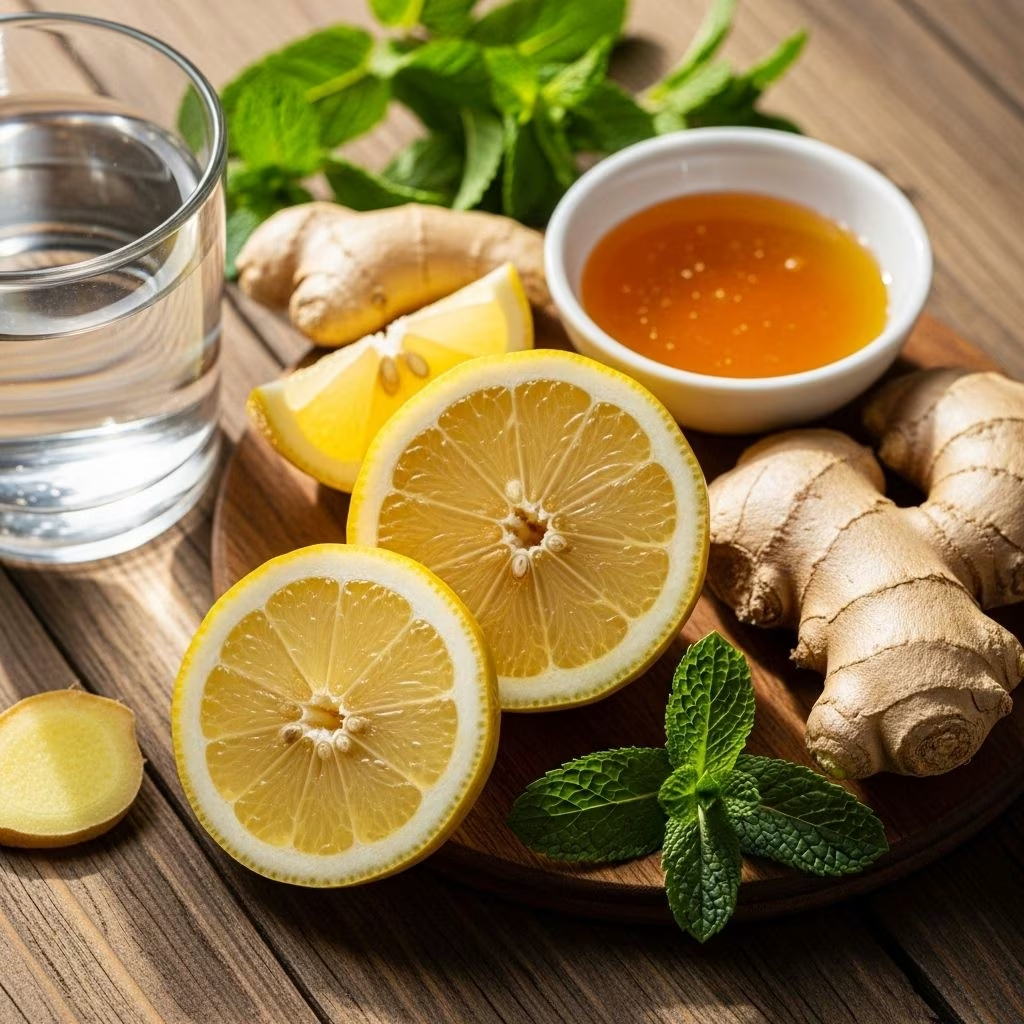
How to Use Home Remedies for Decreasing Stomach Acid
Excess stomach acid can lead to discomfort, heartburn, acid reflux, and even ulcers. While occasional symptoms are common, frequent heartburn or acid reflux can interfere with daily life. Thankfully, a combination of home remedies, dietary adjustments, and lifestyle changes can significantly reduce stomach acid and relieve symptoms. This in-depth guide outlines practical strategies to naturally manage and lower stomach acid levels from the comfort of your home.
Understanding Stomach Acid and Its Symptoms
Stomach acid (gastric acid) plays a crucial role in digesting food and protecting the stomach from harmful bacteria. However, too much acid or improper movement of acid into the esophagus leads to symptoms such as:
- Heartburn: A burning sensation in the chest, often after meals or at night
- Acid reflux: Backflow of stomach acid into the esophagus, causing discomfort
- Regurgitation: Sour, acidic taste in the mouth
- Indigestion: Bloating, nausea, or fullness after eating
- Sore throat or chronic cough
Frequent symptoms may signal gastroesophageal reflux disease (GERD), which requires medical attention. Occasional and mild symptoms, however, may be managed with home remedies and lifestyle changes.
Using Dietary Changes to Reduce Stomach Acid
What you eat (and how you eat) has a major impact on stomach acid production. Small dietary shifts can lead to big improvements. Consider the following tips:
Avoid or Limit Acidic and Trigger Foods
- Spicy foods: Chili peppers, hot sauces, spicy curries
- Citrus fruits: Oranges, lemons, grapefruits, limes
- Tomato-based products: Pasta sauces, ketchup, salsas
- Chocolate: Contains caffeine and theobromine, both acid stimulants
- Carbonated drinks: Soda, sparkling water, and energy drinks
- High-fat foods: Fried foods, full-fat dairy, fatty meats
- Alcohol and caffeine: Coffee, tea, wine, beer, and spirits
Choose Alkaline and Soothing Foods
- Oatmeal, brown rice, whole grains
- Non-citrus fruits: Apples, bananas, pears, melons
- Leafy greens, broccoli, cauliflower
- Low-fat dairy or plant-based dairy alternatives
- Lean meats: Skinless poultry, fish
These foods tend to be gentle on the stomach and may help absorb excess acid. Including them as dietary staples can make a significant difference in recurring symptoms.
Eat Smaller, More Frequent Meals
- Avoid large meals: Overeating can put pressure on the lower esophageal sphincter (LES), leading to acid reflux.
- Try 4–6 small meals or snacks: This keeps your digestive system from getting overwhelmed and reduces stomach acid production.
- Eat slowly: Chew food thoroughly to aid digestion and prevent overproduction of acid.
Trying Simple Natural Remedies
Certain home remedies and natural solutions can provide quick relief from stomach acid discomfort.
Drink Ginger Tea
- Ginger has natural anti-inflammatory and soothing properties that can aid digestion and soothe the stomach lining.
- Brew a cup of ginger tea by steeping slices of fresh ginger in hot water for 10–15 minutes. Drink it before meals or at the first sign of discomfort.
Use Baking Soda as an Antacid
- Mix 1/2 to 1 teaspoon of baking soda into a glass of water and drink slowly. Baking soda is alkaline and can neutralize excess stomach acid quickly.
- Note: This remedy is best for occasional relief and not for long-term use, as excessive intake can affect electrolyte balance.
Try Chewing Gum After Meals
- Chewing gum stimulates the production of saliva, which dilutes and helps clear out acid from the esophagus.
- Opt for sugar-free gum and chew for 30 minutes after meals for best results.
Drink Aloe Vera Juice
- Aloe vera juice (made for consumption, not topical gels) can help reduce inflammation in the stomach and esophagus.
- Drink a small amount (1/2 cup) of aloe juice before meals, but avoid it if you have a laxative effect or are pregnant.
Eat Licorice Root (DGL)
- Deglycyrrhizinated licorice (DGL) supplements or chews may protect the stomach lining and help balance acid levels.
- Consult your doctor before use, especially if you have high blood pressure or take medications.
Try Apple Cider Vinegar in Small Quantities
- Some individuals find diluted apple cider vinegar (1–2 teaspoons in a glass of water) before meals can help balance stomach pH and prevent symptoms.
- Monitor response, as it may not be suitable for everyone and could worsen symptoms in some cases.
Making Lifestyle Changes to Prevent Acid Buildup
Long-lasting relief often requires more than dietary changes. Specific lifestyle adjustments play a role in minimizing stomach acid and reducing the risk of reflux.
Maintain a Healthy Weight
- Excess weight, especially around the abdomen, increases pressure on the stomach, promoting acid reflux.
- Losing even a small amount of weight can reduce symptoms significantly.
Do Not Lie Down After Eating
- Wait at least 2–3 hours after a meal before lying down or going to bed. This allows gravity to help keep acid where it belongs— in the stomach.
- Prop up your head and upper chest while sleeping by elevating the bed 6–8 inches or using a wedge pillow. This can reduce nighttime symptoms.
Avoid Tight Clothing Around the Waist
- Belts, shapewear, and snug waistbands put external pressure on the stomach and can promote reflux. Choose loose, comfortable clothing when possible.
Quit Smoking
- Cigarette smoking weakens the LES (lower esophageal sphincter), allowing stomach acid to enter the esophagus.
- Quitting smoking can improve overall digestive health and reduce acid symptoms.
Reduce Stress
- Stress can increase stomach acid production and worsen reflux. Practice relaxation techniques such as deep breathing, yoga, mindfulness, or gentle exercise.
Recognizing When to See a Doctor
Home remedies and lifestyle changes are suitable for mild or occasional stomach acid symptoms. However, seek medical care if you experience:
- Frequent heartburn (2 or more times a week)
- Difficulty swallowing or painful swallowing
- Unexplained weight loss
- Persistent cough, hoarseness, or sore throat
- Vomiting blood or black, tarry stools
- Chest pain that may radiate to the arm, jaw, or back
Chronic symptoms may indicate GERD or other digestive disorders that benefit from professional evaluation and treatment.
Additional Preventative Eating and Living Tips
- Stay upright after eating: Remain seated or standing while your food digests.
- Hydrate wisely: Drink water between, rather than during, meals to avoid overfilling the stomach.
- Chew food well: Good chewing stimulates saliva and helps break down food.
- Use smaller plates: This visual trick helps control portion sizes.
- Don’t eat late at night: Try to finish your last meal 2–3 hours before bedtime.
- Be cautious with medications: Some over-the-counter medications, such as ibuprofen and aspirin, can irritate the stomach lining. Use alternatives or consult your doctor if you experience symptoms.
Table: Common Trigger and Safe Foods for Stomach Acid
| Trigger Foods (Increase Acid) | Safe Foods (Gentle on Stomach) |
|---|---|
| Spicy dishes, chili peppers | Bananas, apples |
| Citrus fruits (oranges, lemons) | Melons, pears |
| Tomato sauces and salsas | Whole grains, oatmeal |
| Fried and fatty foods | Lean poultry, fish |
| Chocolate and coffee | Leafy greens |
| Alcohol, soft drinks | Herbal teas (ginger, chamomile) |
Frequently Asked Questions (FAQs)
Q: How quickly do home remedies relieve stomach acid symptoms?
A: Relief varies depending on the remedy and individual. Some, like baking soda or chewing gum, can ease symptoms within minutes. Dietary and lifestyle changes take longer but offer more lasting benefit.
Q: Is it safe to use baking soda regularly for acid reflux?
A: Baking soda is best for short-term, occasional relief. Long-term use can disrupt your body’s pH and electrolyte balance. Consult a healthcare provider for frequent use.
Q: Are there any foods that naturally decrease stomach acid?
A: Foods like bananas, oatmeal, melon, lean meats, and non-citrus vegetables are gentle and may help soothe acid issues. Ginger, chamomile, and certain nuts (like almonds) are also worth trying.
Q: When should I seek professional help for stomach acid problems?
A: If you have symptoms two or more times a week, experience swallowing difficulties, chest pain, unexplained weight loss, or notice blood in vomit or stool, contact your doctor.
Q: Can stress really make acid reflux worse?
A: Yes. Stress increases stomach acid production and sensitizes your body to pain. Managing stress through relaxation techniques can be a valuable part of controlling symptoms.
Conclusion
Reducing stomach acid and relieving heartburn or acid reflux is achievable with a combination of science-backed home remedies, smart dietary choices, and practical lifestyle tweaks. While these approaches offer significant symptom relief for many, they are best complemented with professional evaluation when symptoms persist or worsen. Listen to your body, choose nourishing foods, and take steps every day to nurture your digestive health naturally.