Introduction to Dry Skin
Dry skin, medically known as xerosis, is a common condition characterized by a lack of moisture in the outermost layer of the skin. It can lead to discomfort, itchiness, and if untreated, may even result in skin cracks and infections. While there are many over-the-counter treatments available, natural remedies offer an effective and often more economical way to manage dry skin. This article explores some of the best natural remedies for dry skin, providing relief and promoting a healthier complexion.
Natural Remedies for Dry Skin
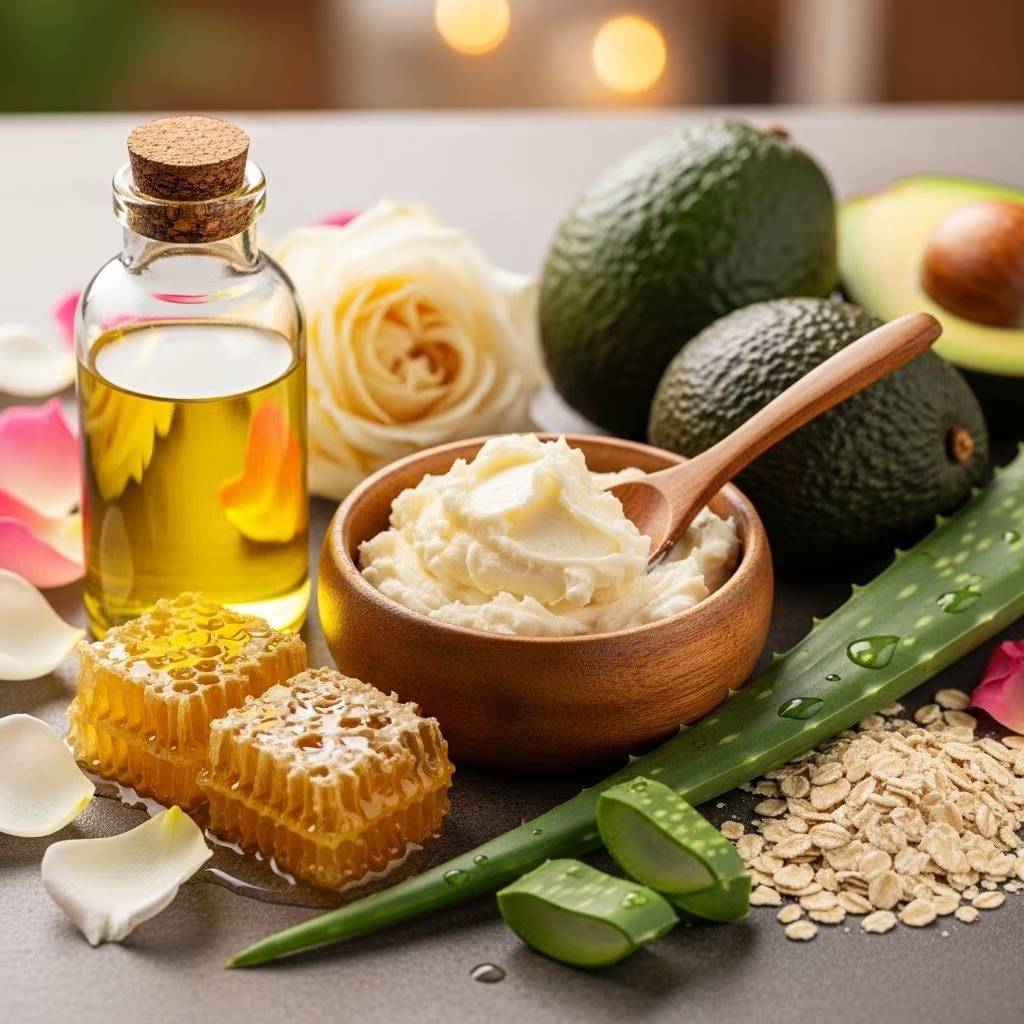
### 1. Coconut OilCoconut oil is renowned for its moisturizing properties, making it an excellent choice for dry skin. It contains saturated fatty acids that help hydrate and smooth the skin, offering relief from dryness and itchiness. Coconut oil is gentle and can be used daily, even on sensitive areas of the body.### 2. Aloe VeraAloe vera gel is another natural remedy that provides effective relief from dry skin. Known for its soothing and hydrating properties, aloe vera can help reduce signs of aging and rehydrate the skin. It is particularly beneficial when applied before bedtime, allowing it to work overnight.### 3. HoneyHoney is a natural humectant with moisturizing, healing, and anti-inflammatory properties, making it an ideal treatment for dry skin. It can be applied directly to the skin or used in combination with other ingredients like avocado for a nourishing face mask.### 4. CucumberCucumbers are not only refreshing but also hydrating. They can be blended into a soothing mask when combined with aloe vera, providing a cooling and moisturizing effect on dry skin.### 5. Colloidal OatsColloidal oatmeal is finely ground oats that can be added to bath water to create a soothing bath. It helps relieve itching and irritation, making it an excellent remedy for dry, irritated skin. Its anti-inflammatory properties strengthen the skin barrier and lock in moisture.### 6. Dry BrushingDry brushing is a technique that involves gently brushing the skin with a soft-bristled brush to remove dead skin cells and improve circulation. This can help reduce the appearance of dry skin and promote smoother skin texture.
Prevention and Lifestyle Changes
Managing dry skin not only involves using natural remedies but also includes making some lifestyle changes:- Use a Humidifier: Dry environments can exacerbate dry skin. Using a humidifier, especially in winter, can help maintain moisture levels in the air and prevent dry skin.- Limit Shower Time: Shorter showers with warm water can help prevent stripping the skin of its natural oils.- Avoid Harsh Soaps: Choose mild soaps that do not strip the skin of its natural moisture barrier.- Stay Hydrated: Drinking plenty of water helps maintain skin hydration from the inside out.
Frequently Asked Questions (FAQs)
Q: What are the primary causes of dry skin?
A: Dry skin can be caused by environmental factors such as cold weather, dry air, hot showers, and harsh soaps. It can also be part of a more serious condition like eczema or psoriasis.
Q: How can I prevent dry skin from occurring?
A: Prevent dry skin by moisturizing regularly, using warm water for bathing, avoiding harsh soaps, and staying hydrated. Additionally, using a humidifier can help maintain moisture in the air.
Q: Are natural remedies effective for severe dry skin?
A: Natural remedies can be effective for mild to moderate dry skin. However, for severe cases, it is advisable to consult a healthcare provider for personalized advice and treatment options.
Q: Can I use natural remedies on sensitive skin?
A: Most natural remedies are gentle and suitable for sensitive skin. However, it is always a good idea to do a patch test before applying a new remedy to ensure you do not have any adverse reactions.
References
- https://www.medicalnewstoday.com/articles/319555
- https://curology.com/blog/five-natural-remedies-for-dry-skin-to-promote-a-hydrated-complexion/
- https://www.healthline.com/health/home-remedies-for-dry-skin
- https://vincebeauty.com/blogs/vince-blog/how-to-cure-dry-skin-on-face-overnight-home-remedies
- https://www.health.harvard.edu/staying-healthy/9-ways-to-banish-dry-skin
- https://www.mayoclinic.org/diseases-conditions/dry-skin/diagnosis-treatment/drc-20353891
- https://www.wildandstone.com/blogs/eco-tips-and-tricks/natural-remedies-for-dry-skin
- https://nationaleczema.org/blog/natural-treatments-for-eczema/
- https://my.clevelandclinic.org/health/diseases/16940-dry-skin