Introduction
Colds and the flu are common illnesses that affect millions of people each year. While there is no cure for these viral infections, natural remedies can help alleviate symptoms, shorten their duration, and support your body’s recovery. This article explores science-based approaches to managing cold and flu symptoms naturally, highlighting both traditional practices and modern research.
Understanding Colds and the Flu
The common cold and influenza (the flu) are both respiratory illnesses caused by different viruses. Colds are usually milder and come on gradually, while the flu can be severe and often includes high fever, body aches, and fatigue. Both share symptoms like cough, sore throat, congestion, and sometimes fever, but the flu is more likely to cause serious complications.
Why Consider Natural Remedies?
Natural remedies can help manage symptoms, support immune function, and sometimes reduce the duration of illness. While over-the-counter medications can be helpful, many people prefer natural options to avoid side effects and support overall wellness. It’s important to note that natural does not always mean risk-free—some remedies can interact with medications or medical conditions, so consult a healthcare provider if you have concerns.
Hydration: The Foundation of Recovery
Staying well-hydrated is one of the simplest and most effective ways to support your body during a cold or flu.
- Drink plenty of water, herbal teas, and clear broths. These help keep your throat moist, loosen mucus, and prevent dehydration.
- Avoid caffeine and alcohol, which can dehydrate your system.
- Warm liquids, such as chicken soup, not only hydrate but also provide nutrients and comfort.
Rest: Let Your Body Heal
Your immune system works best when your body is at rest.
- Allow yourself extra sleep and avoid strenuous activity.
- Listening to your body’s signals for rest can help you recover more quickly.
Steam Inhalation for Congestion
Inhaling steam can help relieve nasal congestion and soothe irritated airways.
- Fill a bowl with hot water, cover your head with a towel, and breathe in the steam for 5–10 minutes.
- Consider adding a few drops of eucalyptus oil for added relief.
- Using a humidifier in your room can also help maintain moisture in the air, which may ease breathing.
Salt Water Gargle
Gargling with warm salt water is a time-tested remedy for sore throat.
- Mix half a teaspoon of salt in a cup of warm water and gargle several times a day.
- This simple practice can reduce throat swelling and discomfort.
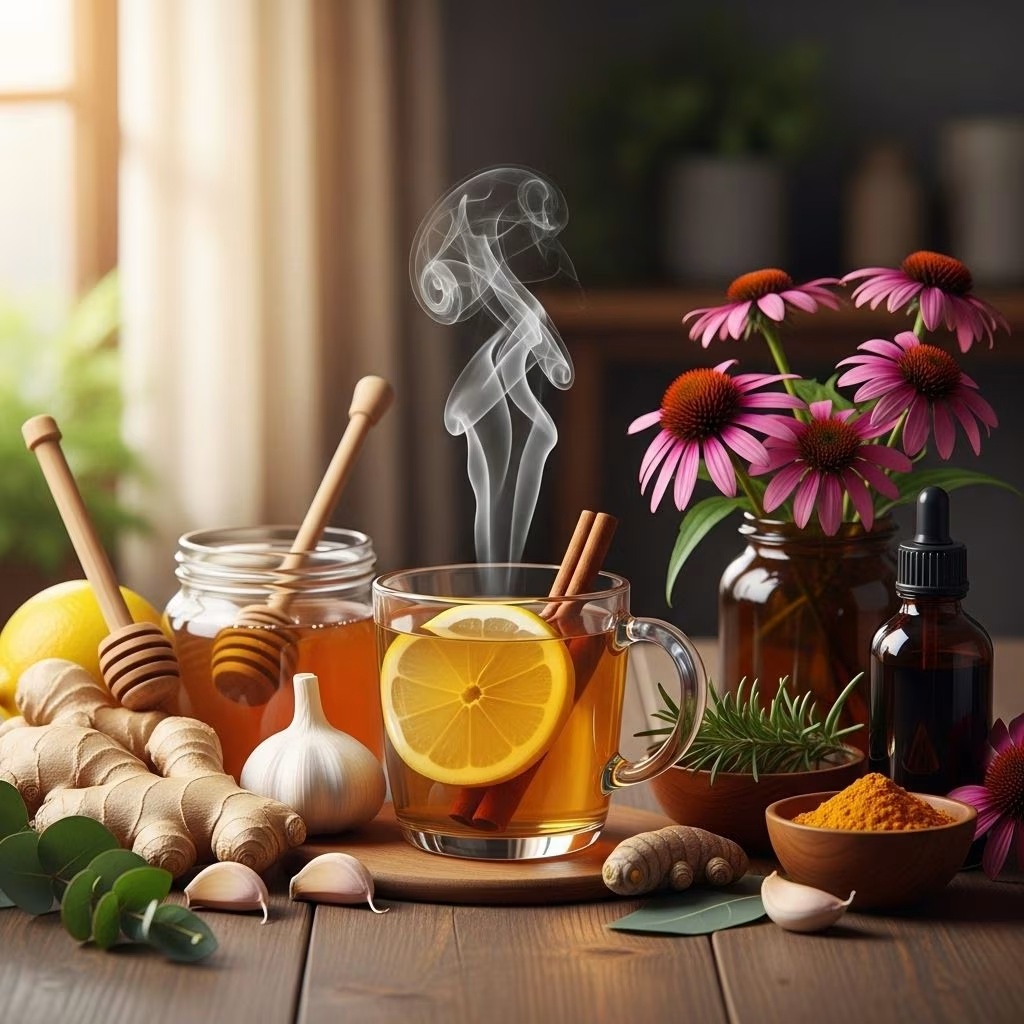
Honey and Lemon: Soothing and Immune-Boosting
Honey has natural antibacterial properties and can soothe a sore throat, while lemon provides vitamin C.
- Add a spoonful of honey and a squeeze of fresh lemon juice to warm water or herbal tea for a comforting, immune-supportive drink.
- Never give honey to children under one year old due to the risk of infant botulism.
Ginger Tea
Ginger is known for its anti-inflammatory and antiviral properties.
- Boil fresh ginger slices in water for a few minutes to make a potent tea.
- Adding honey can enhance both flavor and soothing effects.
Chicken Soup: More Than Comfort Food
Chicken soup is a classic remedy that provides warmth, hydration, and nutrients.
- The steam from hot soup can help relieve congestion, and the broth keeps you hydrated.
- Vegetables and protein in the soup support your immune system and overall recovery.
Natural Supplements and Herbs
While scientific evidence varies, several supplements and herbs are commonly used for cold and flu relief.
Vitamin C
Vitamin C is a key nutrient for immune function.
- While not a cure, regular intake of vitamin C may reduce the duration and severity of cold symptoms in some people.
- Good dietary sources include citrus fruits, red peppers, and green leafy vegetables.
Zinc
Zinc lozenges or syrups, taken soon after symptoms begin, may reduce the duration of a cold.
- Studies suggest zinc can shorten cold symptoms by a day or more, but formulations and doses vary—excessive intake can cause nausea.
- It’s best to stick to recommended daily amounts (typically under 20 mg from supplements).
Echinacea
This popular herb may help prevent or reduce the severity of colds in some studies.
- Effects appear modest, with a 10–30% reduction in symptom duration in some research—but results are inconsistent, possibly due to different plant varieties and preparations.
- Echinacea is generally safe for healthy adults, but quality and dosage matter.
Elderberry
Elderberry extract is used to treat flu symptoms.
- Some studies suggest elderberry may reduce the duration of flu symptoms, but more research is needed.
- Elderberry is available in syrups, tinctures, and supplements.
Garlic
Garlic contains allicin, which may have antiviral and immune-boosting effects.
- Regular consumption might help prevent colds, though evidence for treating symptoms is limited.
- Adding garlic to your diet is safe for most people.
Ginseng
North American ginseng taken over several months may reduce the risk and severity of colds and flu.
Boosting Immunity Naturally
Supporting your immune system year-round can help reduce the frequency and severity of infections.
- Eat a balanced diet rich in fruits, vegetables, lean proteins, and whole grains.
- Exercise regularly, manage stress, and get adequate sleep.
- Probiotics, found in yogurt and fermented foods, may also support immune health.
When to Seek Medical Attention
While natural remedies can be helpful, it’s important to recognize when professional medical care is needed.
- Seek help if you have trouble breathing, chest pain, confusion, severe headache, or persistent high fever.
- Flu can lead to serious complications, so prompt treatment is crucial for high-risk groups, including young children, older adults, and those with chronic health conditions.
Frequently Asked Questions (FAQs)
Can vitamin C cure a cold?
No, vitamin C cannot cure a cold, but it may reduce the duration and severity of symptoms in some people.
Is honey safe for children with colds?
Honey can help soothe a sore throat in children over one year old, but should not be given to infants due to the risk of botulism.
How does zinc help with colds?
Zinc may help shorten the duration of a cold if taken soon after symptoms start, but it does not prevent colds.
Are herbal remedies safe during pregnancy?
Many herbs and supplements have not been adequately studied in pregnancy. Always consult your healthcare provider before use.
Can chicken soup really help when you’re sick?
Yes, chicken soup provides hydration, warmth, and nutrients that can help you feel better and support recovery.
Conclusion
Natural remedies for cold and flu can help manage symptoms, support recovery, and boost immunity. Hydration, rest, steam inhalation, soothing foods, and certain supplements may offer relief, but always consult a healthcare provider if symptoms are severe or persistent. A holistic approach—combining evidence-based natural remedies with healthy lifestyle practices—can help you cope with cold and flu season more comfortably and effectively.
References
- https://www.webmd.com/cold-and-flu/14-tips-prevent-colds-flu-1
- https://www.piedmont.org/living-real-change/9-natural-cold-and-flu-remedies
- https://www.mayoclinic.org/diseases-conditions/common-cold/in-depth/cold-remedies/art-20046403
- https://www.elliothospital.org/about-us/newsroom/news/cold-and-flu-home-remedies-natural-treatments-and-when-seek-help-virtualer
- https://www.healthline.com/health/cold-flu/home-remedies
- https://www.nccih.nih.gov/health/tips/tips-natural-products-for-the-flu-and-colds-what-does-the-science-say
- https://www.healthychildren.org/English/health-issues/conditions/chest-lungs/Pages/caring-for-kids-with-colds-and-flu-simple-remedies-that-help.aspx
- https://intermountainhealthcare.org/blogs/natural-relief-home-remedies-for-your-cold
- https://medlineplus.gov/ency/patientinstructions/000466.htm
- https://healthy.kaiserpermanente.org/maryland-virginia-washington-dc/health-wellness/healtharticle.6-natural-cold-remedies-try-this-winter