


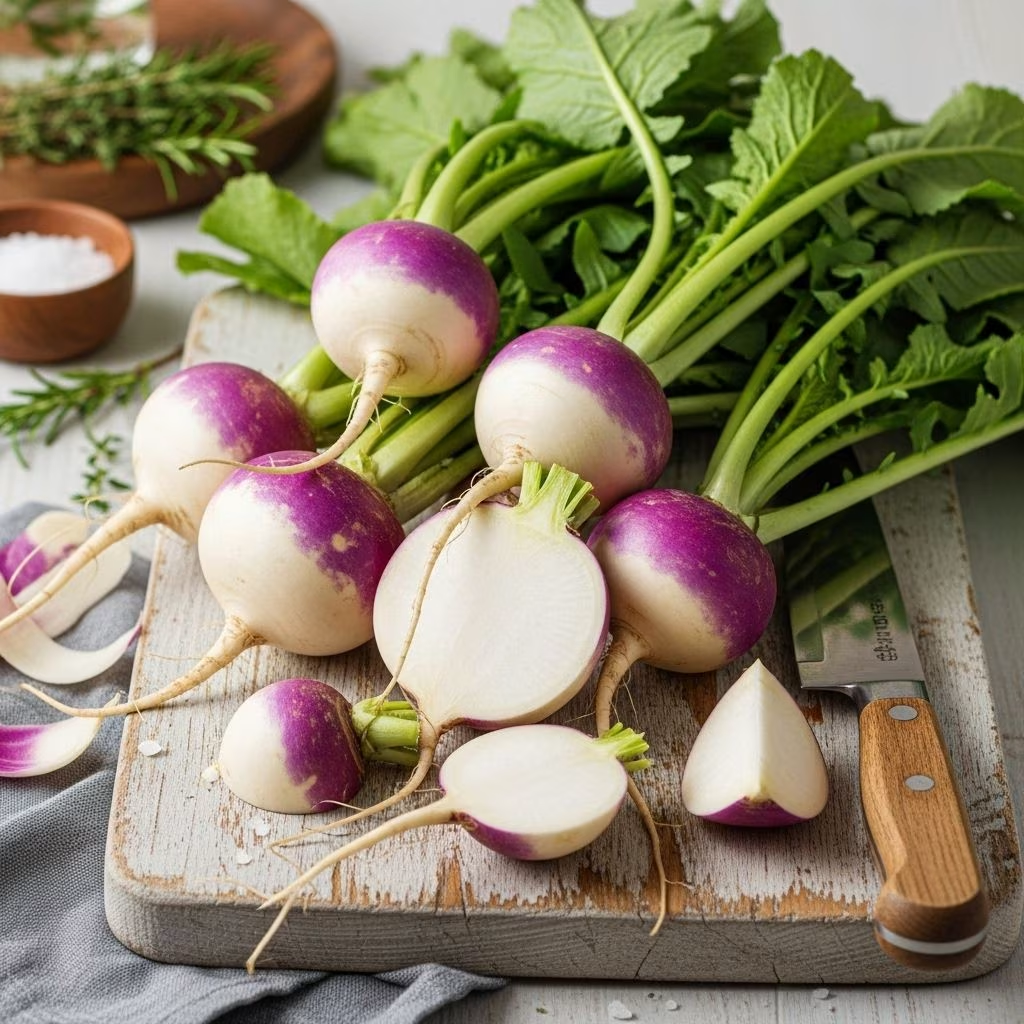
Turnips, Brassica rapa subsp. rapa, have been valued for centuries as a vital root vegetable. With their peppery flavor, crisp texture, and versatility in the kitchen, turnips serve as an important food source and a staple in various culinary traditions worldwide. This article dives deep into the world of turnips—exploring their history, nutritional benefits, health effects, uses, and culinary versatility.
What is a Turnip? Botanical Description & Origins
The turnip is a biennial plant belonging to the mustard family (Brassicaceae) and is widely cultivated for its fleshy edible root and tender leafy tops known as turnip greens. Originating in the Middle and Eastern Asia, turnips have been naturalized and grown throughout temperate climates, from Northern Europe to East Asia. The plant’s historical relevance spans over 4,000 years, being a significant staple in both ancient and modern diets.
- Scientific name: Brassica rapa subsp. rapa
- Family: Brassicaceae (mustard family)
- Related vegetables: Mustard greens, cabbage, broccoli, cauliflower, and radish
- Description: The turnip has a white, globular root, often with a purple or green band at the top where sunlight strikes. The edible part is actually a swollen stem with the root base, forming the signature round shape. Leaves sprout directly from the root’s “shoulder,” and there is no pronounced crown or neck.
- Turnip greens: The leafy tops are edible, nutritious, and often enjoyed as a separate vegetable.
- Growth: Although a biennial, turnip is most often cultivated annually. If allowed to mature into the second year, the plant produces small, yellow, cross-shaped flowers and elongated seedpods.
- Not a rutabaga: Rutabaga is a closely related but different species (Brassica napus) with a yellowish flesh and waxy texture.
Nutritional Profile of Turnip: A Powerhouse of Nutrients
Turnips, both roots and greens, are celebrated for their remarkable nutritional contributions, offering:
- Low calories: Ideal for weight management—turnip roots are over 90% water and contain only around 28–30 kcal per 100g
- Rich in fiber: Supports digestive health, helps regulate blood sugar, and contributes to satiety
- Vitamin C: An excellent source, crucial for immune function, skin health, and antioxidant protection
- Vitamin B6 and folate (B9): Play roles in metabolism and red blood cell formation
- Minerals: Good amounts of calcium and potassium for bone and heart health
- Turnip greens: Even richer in vitamin A, vitamin K, vitamin C, calcium, and iron compared to the root
| Nutrient | Amount |
|---|---|
| Calories | 28–30 kcal |
| Water | ~92% |
| Carbohydrate | 6.4 g |
| Protein | 0.9 g |
| Fat | 0.1 g |
| Fiber | 1.8 g |
| Vitamin C | 21 mg (25% Daily Value) |
| Calcium | 30 mg |
| Potassium | 191 mg |
Turnip greens (leaves) deliver even higher concentrations of nutrients, especially vitamins A, C, and K, calcium, and iron, making them a nutritious addition to many dishes.
Health Benefits of Turnips
Turnips offer a variety of health-promoting properties:
- Antioxidant support: Rich in vitamin C and phytonutrients such as glucosinolates, which help neutralize harmful free radicals
- Cancer-preventive potential: Glucosinolates, found in turnips and other cruciferous vegetables, are under investigation for their role in cancer prevention
- Heart health: High potassium and fiber content support healthy blood pressure and cholesterol levels
- Bone health: Turnip greens are high in calcium and vitamin K, which are important for bone strength
- Weight management: Low calorie and high fiber content create feelings of fullness and support healthy metabolism
- Immune support: Abundant vitamin C promotes immune resilience
- Digestive health: Dietary fiber aids regular bowel movements and supports a healthy gut
Consuming both the root and greens can help provide a balanced array of beneficial nutrients for various aspects of wellness.
Culinary and Traditional Uses
Turnips feature in a wide array of traditional and modern recipes, reflecting their adaptability in the kitchen:
- Raw: Young, tender turnip roots can be sliced into salads, slaws, or eaten as crunchy snacks. They have a crisp texture and mild, radish-like bite.
- Cooked: Turnips can be:
- Boiled or steamed as a side dish (often mashed, much like potatoes)
- Roasted with other root vegetables for a sweet, earthy flavor
- Added to soups, stews, and braised dishes for depth and substance
- Pickled or preserved, as customary in several Asian and Eastern European cuisines
- Turnip greens: Typically cooked (boiled, steamed, or sautéed) and enjoyed as a side dish, often partnered with smoked meats, onions, or potatoes in Southern U.S. and European traditions
- Animal fodder: Turnips have historically been grown for feeding livestock during the winter months
- Culturally significant: Turnips appear in folklore and were once used to carve the first Jack-o’-Lanterns before pumpkins in Ireland
What Do Turnips Taste Like?
Turnips have a unique, slightly pungent flavor profile influenced by variety, age, soil, and preparation:
- Raw turnip: Mildly peppery with a crisp texture, reminiscent of a cross between radish and cabbage
- Cooked turnip: Mellow, subtly sweet, and earthy, with the pungency largely dissipating upon cooking
- Young turnips: Tend to have a sweeter, more delicate flavor
- Mature turnips: Can be stronger and sometimes mildly bitter, though proper preparation softens these notes
- Turnip greens: Peppery, mustard-like bite when raw; milder and earthier after cooking
Turnip Greens: Nutritional and Culinary Highlights
Turnip greens are often regarded as a “superfood” thanks to their exceptional nutrient density and culinary versatility. These greens, which are the leafy tops of the turnip plant, can be grown specifically for their leaves or harvested along with the root:
- Rich in vitamins: Notably high in vitamins K, A, C, and folate
- High in minerals: Calcium, magnesium, and iron content is especially significant in the greens
- Very low calorie: An excellent addition to calorie-conscious diets
- Flavorful: Peppery taste is popular in Southern U.S. and Mediterranean cuisines; works well in sautés, soups, and as a cooked green side dish
Including turnip greens is an easy way to increase the variety and nutritional value of home-cooked meals.
Popular Turnip Varieties
- Purple Top White Globe: Classic white globe-shaped turnip with a distinctive purple band on top.
- Tokyo Cross: Pure white, globe-shaped, and mild, often used fresh in salads.
- Hakurei: A Japanese salad turnip, exceptionally sweet and tender, ideal for raw use.
- Golden Ball: Golden yellow-fleshed; sweet and fine-grained.
- Shogoin: Grown primarily for greens rather than roots.
How to Select and Store Turnips
Selection and proper storage can ensure the freshest taste and maximum shelf life:
- Choose turnips that feel firm and heavy for their size—avoiding those with soft spots, shriveling, or large cracks
- Look for smaller roots (2–3 inches in diameter) as they tend to be sweeter and less fibrous
- If leaves are attached, they should be vibrant and green, not limp or wilted
- Remove the leafy tops before storage; this prevents the root from losing moisture and wilting
- Turnip roots can be stored in the refrigerator (vegetable drawer) in a perforated bag for up to two weeks
- Turnip greens should be used within a few days for best flavor and nutrient preservation
How to Prepare and Cook Turnips
Turnips are remarkably versatile and easy to prepare. Here are some popular methods:
- Boiling: Peel and chop turnips, then boil until fork-tender. Season and serve mashed or whole.
- Roasting: Cut into cubes or wedges, toss with olive oil, salt, and herbs, then roast at 400°F (200°C) until caramelized and golden.
- Sautéing: Sauté sliced turnips or greens in a skillet with garlic, onions, and olive oil until tender.
- Stewing: Add chopped turnip to soups and stews for extra body and subtle flavor.
- Raw: Grate or slice young turnips into salads or slaws for a crunchy, peppery note.
To reduce bitterness, especially in mature turnips, blanch or soak in cold water before cooking. Pairing with robust flavors—such as cured meats, berries, vinegar, or creamy sauces—can balance or accentuate the distinctive taste of turnips and greens.
Frequently Asked Questions (FAQs)
Q: Are turnips and rutabagas the same?
A: No, despite some visual similarities, rutabagas (Brassica napus) are a different species. Rutabagas are usually larger, waxier, and have yellow flesh. Turnips are typically smaller, with creamy white flesh and a purple or green top.
Q: Can you eat turnip greens?
A: Yes, turnip greens are highly nutritious and edible. They can be prepared much like other leafy greens—sautéed, steamed, or added to soups.
Q: When is turnip season?
A: Turnips are cool-weather crops, best harvested in spring and late fall. Young turnips and greens are often available from early spring through early winter, depending on climate.
Q: Are turnips good for weight loss?
A: Absolutely. Turnips are low in calories, high in fiber, and packed with nutrients, making them suitable for healthy weight management.
Q: How can you reduce bitterness in turnips?
A: Select smaller, younger roots for a sweeter flavor. Blanching or soaking can help minimize bitterness. Cooking with complementary ingredients (apples, carrots, bacon, or cream) also mellows strong notes.
Turnips are a timeless, underappreciated vegetable that brings nutrition, delicious flavor, and versatility to the table—whether enjoyed for their crisp roots or nutrient-rich greens.
References
- https://en.wikipedia.org/wiki/Turnip
- https://www.britannica.com/plant/turnip
- https://plantura.garden/uk/vegetables/turnip-greens/turnip-greens-overview
- https://gardeningsolutions.ifas.ufl.edu/plants/edibles/vegetables/turnips/
- https://academics.hamilton.edu/foodforthought/our_research_files/turnips.pdf
- https://www.healthline.com/nutrition/turnip-nutrition
- https://specialtyproduce.com/produce/Turnips_4032.php
- https://www.ams.usda.gov/grades-standards/turnip-or-rutabagas-grades-and-standards


