


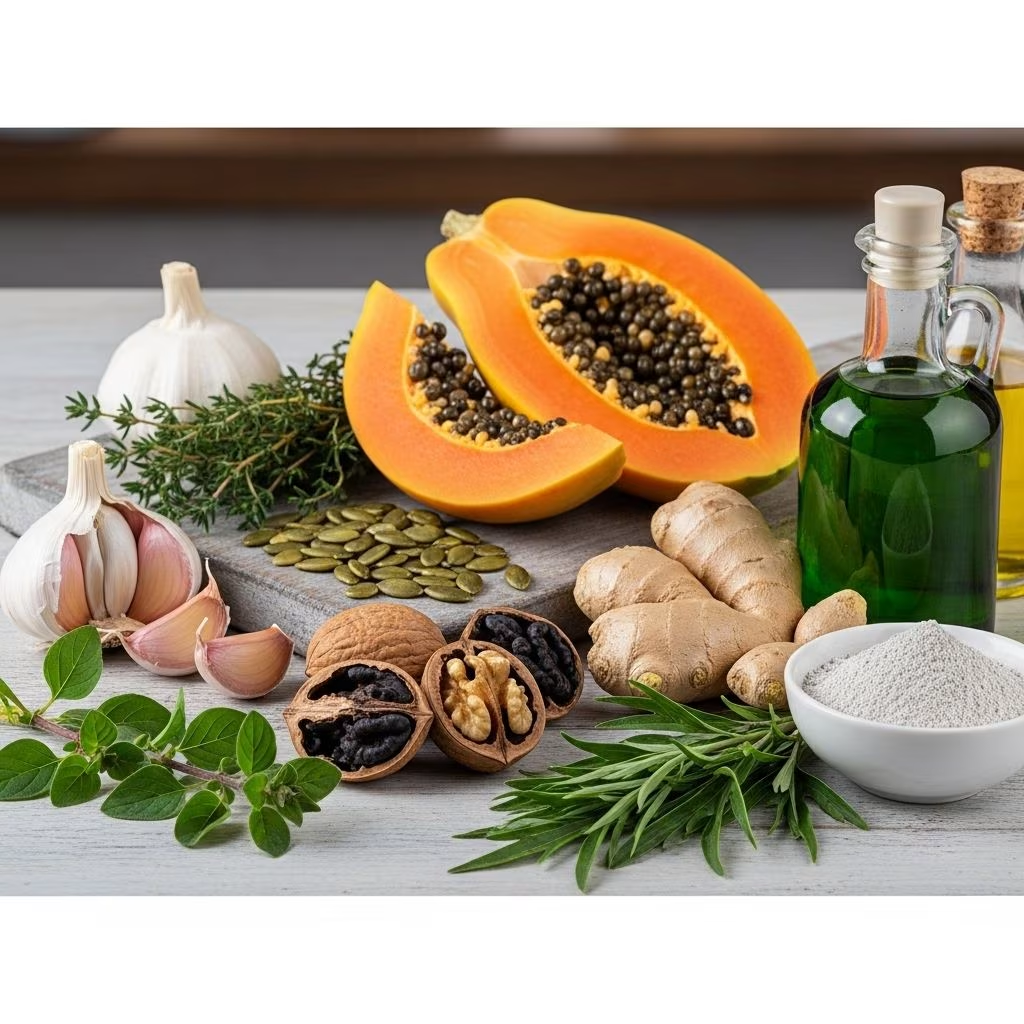
Intestinal parasites are a common health issue affecting millions worldwide, manifesting as organisms such as worms or protozoa that inhabit and feed off the intestines. While anti-parasitic drugs prescribed by medical professionals remain the gold standard for treatment, many seek natural and dietary remedies to complement conventional medicine or as preventive measures. This comprehensive guide explores evidence-based home remedies, supportive foods, preventive strategies, and frequently asked questions regarding intestinal parasites and their management.
Understanding Intestinal Parasites
Intestinal parasites refer primarily to organisms like roundworms, pinworms, tapeworms, hookworms, and protozoans that invade the gastrointestinal tract. Common symptoms can include:
- Abdominal pain or cramping
- Nausea or vomiting
- Diarrhea or constipation
- Loss of appetite and weight loss
- Fatigue and weakness
- Anal itching (particularly with pinworms)
- Visible worms in stool (in severe cases)
Infestation typically occurs through consuming contaminated food or water, inadequate hand hygiene, contact with soil, or poorly cooked meat. Children and individuals in areas with poor sanitation are at higher risk.
Top Home Remedies for Intestinal Parasites
Several herbs, foods, and lifestyle practices are widely regarded in traditional and natural medicine for their potential to fight parasitic infections and support gut health. While robust clinical evidence is limited, some studies and historical use support their efficacy.
1. Garlic
Garlic is renowned for its potent antimicrobial and antiparasitic properties. Compounds like allicin found in garlic can disrupt the metabolism of a wide range of pathogens, including gastro-intestinal worms.
- How to use: Chew raw garlic cloves in the morning, or crush and mix them with honey.
- Alternative: Prepare a garlic paste and apply near the anal area to combat pinworm eggs (with caution, especially in children).
2. Coconut
Coconut oil and raw coconut are traditional remedies thought to possess antiparasitic effects. Lauric acid in coconut oil has been shown to have microbial activity.
- Eat a tablespoon of freshly grated coconut at breakfast, followed by a glass of warm milk with castor oil after three hours (consult your physician before using castor oil, especially for children).
- Apply coconut oil to the anal region to reduce irritation caused by worms .
3. Pumpkin Seeds
Pumpkin seeds contain cucurbitacin, which can paralyze parasites, aiding in their expulsion through the digestive tract.
- Eat a handful of raw, unsalted pumpkin seeds daily on an empty stomach.
- Grind seeds and mix them with juice or smoothies.
4. Carrots
Carrots are high in fiber and vitamins, which can help push parasites through the intestines and boost immune response.
- Eat a small bowl of grated raw carrots twice daily .
5. Papaya Seeds
Papaya seeds contain enzymes like papain and caricin, which are believed to help destroy parasitic worms in the digestive system.
- Chew a teaspoon of fresh papaya seeds and follow with a glass of warm water, or mix crushed seeds with honey .
6. Cloves
Cloves are known for their anti-parasitic and antibacterial activity, targeting eggs and adult worms.
- Brew clove tea or add ground cloves to food and smoothies.
7. Neem
Neem (Azadirachta indica) is a bitter herb frequently used in traditional medicine for its purgative qualities.
- Brew neem tea using dried neem leaves or powder and consume under professional guidance, as high doses may be toxic.
8. Turmeric
Turmeric contains curcumin, an anti-inflammatory and anti-parasitic compound that may help eliminate worms from the intestines.
- Add turmeric powder to warm milk or include it in your daily diet for added benefit.
9. Ginger
Ginger stimulates digestive secretions and may help destroy harmful bacteria and parasites in the gut.
- Drink ginger tea two to three times daily or add freshly grated ginger to salads and dishes.
10. Onions
Onion juice and raw onions are valued for their natural sulphur content, which can inhibit the reproduction of intestinal parasites.
- Soak sliced onions in water overnight and drink the strained water on an empty stomach every morning for a few days.
11. Fermented Foods
Fermented foods such as yogurt, kefir, idli, dosa, and sauerkraut contain probiotics that support gut flora and may inhibit worm reproduction.
- Include fermented foods regularly in your daily meals.
12. Honey
Raw honey offers antimicrobial properties and can help improve immunity while aiding the expulsion of parasites.
- Consume a simple mix of honey and papaya seeds, or take a tablespoon of honey in warm water in the morning.
Dietary and Lifestyle Recommendations
Beyond individual remedies, certain dietary and lifestyle practices play an important role in the management and prevention of parasitic infections:
- Increase Fiber Intake: Insoluble fiber (from fruits, vegetables, and whole grains) aids in regular bowel movements, helping to physically remove parasites from the gut.
- Stay Hydrated: Drinking ample water helps flush toxins and supports digestive function.
- Avoid Sugar and Processed Foods: Many parasites thrive in sugary and processed food environments; cut back on refined sugars to reduce their sustenance.
- Practice Good Hygiene: Wash hands before meals, after bathroom use, and after handling pets or soil.
- Properly Cook Food: Ensure meats are adequately cooked and vegetables are thoroughly washed to prevent infection.
Table: Foods and Herbs for Combating Intestinal Parasites
| Remedy | Active Components / Mechanism | How to Use | Cautions |
|---|---|---|---|
| Garlic | Allicin, sulfur compounds | Chew, crush, or apply externally | Can irritate skin/gut in high doses |
| Pumpkin Seeds | Cucurbitacin | Eat raw or ground in food | Safe for most, watch for allergies |
| Papaya Seeds | Papain enzyme, caricin | Chew fresh or mix with honey | Use in moderation |
| Neem | Limonoids, azadirachtin | Tea, capsules, powdered root | Consult doctor, potential toxicity |
| Coconut | Lauric acid, MCTs | Eat raw, use oil, external application | Use castor oil only if medically approved |
| Cloves | Eugenol | Add to food or infuse in tea | May irritate stomach lining |
| Carrots | Beta-carotene, fiber | Eat raw, grated | – |
| Ginger | Gingerol, shogaol | Infuse in tea, add fresh to food | Excess may cause heartburn |
| Probiotic Foods | Live beneficial bacteria | Yogurt, pickle, sauerkraut | Check for dairy intolerance |
Precautions and When to Seek Medical Help
Despite the potential of these remedies, it’s crucial to recognize that:
- Most natural treatments for parasites have limited clinical research, and some evidence is mainly anecdotal.
- Some herbs may be toxic in high doses or long-term usage.
- Persistent or severe symptoms, such as abdominal pain, bloody stools, fever, or weight loss, require immediate medical evaluation.
- Pinworm infections are highly contagious and often require medical treatment to prevent recurrence and spread within households.
- Children, pregnant women, elderly individuals, and those with chronic illnesses should consult healthcare providers before attempting any alternative remedies.
Frequently Asked Questions (FAQs)
Q: Are natural remedies a replacement for prescribed medications?
A: No. While some home remedies may help reduce worm burden or relieve symptoms, they should not replace antiparasitic medications prescribed by a healthcare professional, especially in moderate or severe cases.
Q: How long do natural treatments for intestinal parasites take to work?
A: The duration varies widely depending on the severity of infection and individual health. Some may notice symptom relief in a few days, while others require weeks. Coordinate with a physician for persistent infections.
Q: Can dietary changes alone eliminate intestinal parasites?
A: Dietary changes and natural foods can help reduce the risk and support overall recovery but are rarely sufficient on their own for established infections.
Q: Are these home remedies safe for children?
A: Some remedies (like raw garlic applied externally or herbal teas) may irritate children’s skin or digestion. Consult a pediatrician before giving any remedies to children or using them for long periods.
Q: How can I prevent reinfection or spread of intestinal parasites?
A: Wash hands regularly, maintain clean nails, wash fruits and vegetables thoroughly, avoid undercooked meats, use clean toilets, and ensure pets are dewormed regularly.
References and Further Reading
- EBSCO: Complementary and Alternative Medicine for Intestinal Parasites
- Healthline: Parasite Cleanse – What Is It, How Does It Work?
- Pristyn Care: Foods to Kill Intestinal Worms Naturally
- Vinmec: Home Treatments for Pinworm Infection
Conclusion
Intestinal parasites can significantly affect quality of life, but a blend of prescribed medications and well-chosen natural remedies, supported by proper dietary and hygienic habits, offers the best defense. Always consult a medical professional before starting any home treatment, especially if symptoms are severe, prolonged, or impact children and vulnerable adults.
References
- https://www.ebsco.com/research-starters/complementary-and-alternative-medicine/natural-treatments-intestinal-parasites
- https://www.vinmec.com/eng/blog/any-tips-to-treat-pinworms-at-home-en
- https://www.pristyncare.com/blog/food-to-kill-intestinal-worms-naturally-0113/
- https://www.healthline.com/health/human-parasite-cleanse
- https://my.clevelandclinic.org/health/diseases/intestinal-parasites
- https://mfm.au/digestive-health/parasites/
- https://pmc.ncbi.nlm.nih.gov/articles/PMC4345092/
- https://www.rupahealth.com/post/natural-supplements-parasite-cleanse
- https://www.medicalnewstoday.com/articles/322714


