Keto diet pills and supplements have surged in popularity alongside the rise of the ketogenic diet, promising rapid weight loss, enhanced mental clarity, and a shortcut to ketosis. But do these products actually deliver on their bold claims, or are they simply an expensive—and potentially risky—shortcut? Here, we break down what you need to know before adding keto pills to your regimen and explore why nutrition experts urge caution.
What Is the Ketogenic Diet?
The ketogenic diet (or keto diet) is a high-fat, low-carbohydrate eating plan. Typically, it calls for:
- Over 70% of daily calories from fat
- Around 20% from protein
- 10% or less from carbohydrates
The objective is to encourage your body to enter ketosis—a metabolic state in which fat becomes the primary fuel source instead of carbohydrates. This shift can lead to quick weight loss and other health effects, though the diet itself is controversial among nutritionists.
Keto Pills and Supplements: What Are They?
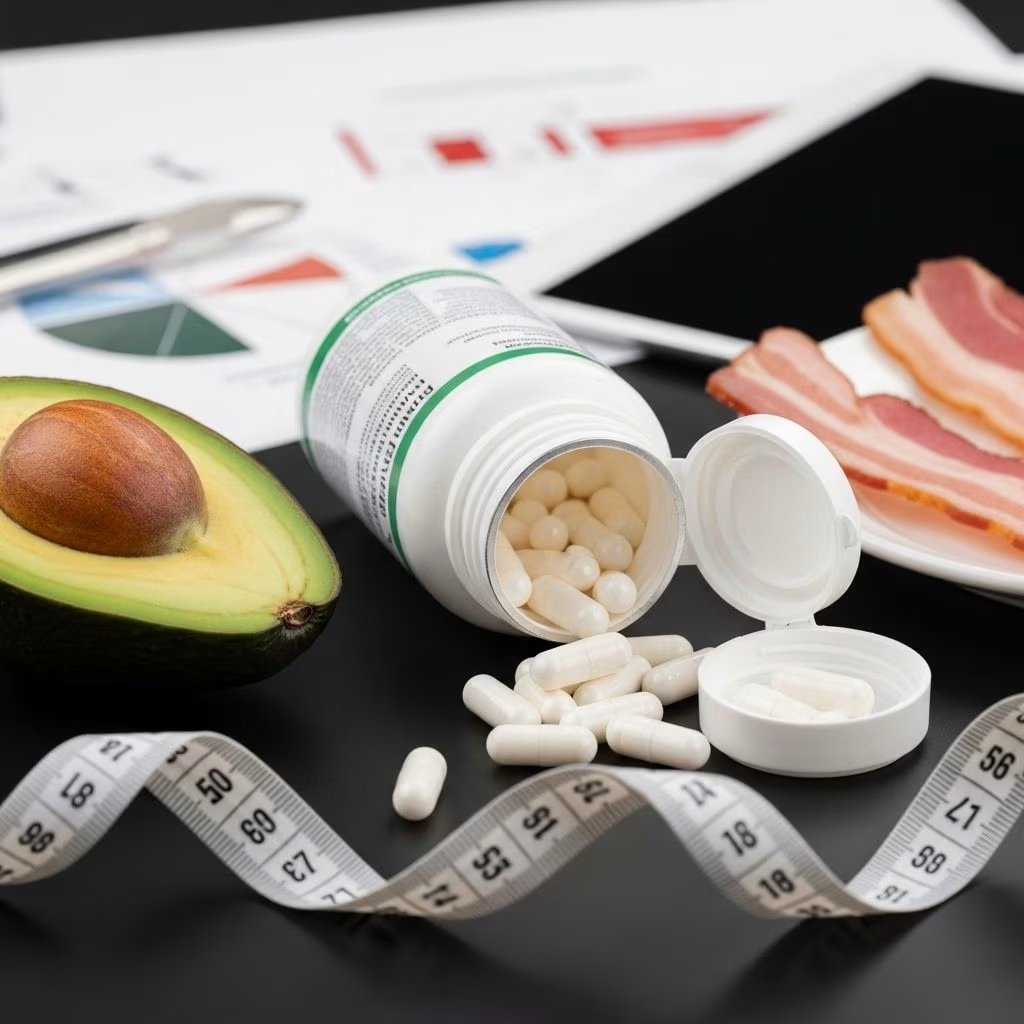
The keto supplement market has expanded rapidly, offering powders, capsules, and drink mixes purported to help you reach and maintain ketosis without the strict dietary restrictions. Popular products often contain:
- Exogenous ketones (usually beta-hydroxybutyrate, or BHB) designed to raise blood ketone levels
- MCT oil (medium-chain triglycerides) to boost fat-burning metabolism
- Electrolytes like sodium, magnesium, potassium, and calcium
- Vitamins and minerals, often at lower amounts than you’d find in real food
- Caffeine or herbal energy blends for a performance boost
Brands like KetoLogic—with its Keto 30 Challenge—and popularized Shark Tank-pitched products have led the charge, promising outcomes like achieving ketosis “in three days,” improved focus, suppressed appetite, and even protection against the infamous “keto flu.” However, these benefits remain largely unsubstantiated by rigorous research.
Keto Supplements and Metabolic Claims: Do They Work?
How Keto Pills Claim to Work
Keto pills aim to shortcut your body’s normal adaptation to carbohydrate deprivation by “flooding” your system with ketones. The idea is that higher blood ketone concentrations can:
- Enhance satiety by increasing leptin (the fullness hormone)
- Reduce hunger by lowering ghrelin (the hunger hormone)
- Provide an immediate source of alternative fuel for the brain and muscles
The Biological Reality
While supplemental ketones can temporarily raise blood ketone levels, evidence suggests this effect is fleeting and does not produce the same sustained metabolic adaptations as actual carb restriction. Once supplementation stops or you return to a regular diet, appetite may rebound—making you hungrier than before.
Key concern: The body’s appetite-suppressing response to ketosis may only be present during active ketosis. Once the diet (or supplements) stop, there is a physiological “catch-up” effect, often resulting in increased hunger and possible weight regain.
The True Cost of Keto Pills
Keto supplements are expensive, often costing $150 or more for a 30-day supply. Despite their price, many offer components you may already have in your pantry or can acquire with a routine balanced diet. Here’s a closer look at what’s inside:
- Electrolyte mixes: Often contain large amounts of sodium, sometimes up to 40% of your daily recommended value in a single serving. Regular sports drinks or even table salt can offer similar effects for less.
- MCT oil: Sold as a “fat-burning” ingredient, it may help fuel ketosis, but can also cause nausea, bloating, and diarrhea in many users.
- Vitamins and minerals: The amounts in pills and powders are usually much less potent than those in whole foods.
What is the Keto Flu?
During the initial days of a ketogenic diet, some people experience the so-called “keto flu,” a cluster of symptoms as the body adapts to burning fat for fuel. Symptoms can include:
- Aches and cramps
- Fatigue and exhaustion
- Digestive issues (diarrhea, constipation)
- Weakness and brain fog
Many keto supplements market themselves as “cures” for these symptoms by boosting your intake of electrolytes and MCTs. However, there’s little scientific proof these products effectively prevent or relieve keto flu in most people, and whole food options may serve just as well, if not better.
Are Keto Pills Safe?
Keto supplements are not regulated like medications, meaning the Food & Drug Administration (FDA) does not evaluate these products for safety, purity, or efficacy. This opens up several key concerns:
- Ingredient potencies can vary dramatically between brands and batches
- Products may include unlisted fillers, stimulants, or adulterants
- Excess supplementation can stress your organs—high sodium, for instance, can exacerbate blood pressure issues; excess ketones can lead to dehydration and imbalances
- Potential for side effects: nausea, vomiting, diarrhea, constipation, and stomach cramps are frequently reported
- Some scammers use fraudulent marketing to lure vulnerable dieters, as reported by consumer advocacy groups
Table: Common Keto Supplement Ingredients & Potential Side Effects
| Ingredient | Promoted Benefit | Potential Side Effects |
|---|---|---|
| BHB (Beta-Hydroxybutyrate) | Raise blood ketone levels for fuel, aid ketosis | Nausea, stomach pain, headaches |
| MCT Oil | “Fat-burning” quick energy, suppress appetite | Diarrhea, cramps, bloating |
| Electrolytes (Na, K, Mg, Ca) | Prevent dehydration, keto flu relief | Imbalance, high blood pressure (with excess sodium) |
| Caffeine/Herbal Stimulants | Energy, focus, appetite suppression | Jitters, high heart rate, anxiety |
Supplements vs. Real Food: Which Is Better?
Experts overwhelmingly recommend getting vitamins, minerals, and electrolytes from whole foods rather than pills or powders. Here’s why:
- Supplements may not contain the exact quantities or forms listed, due to lax oversight
- Whole foods provide synergistic nutrients (like fiber and antioxidants) that isolated supplements cannot replicate
- Consuming certain nutrients in supplement form can, counterintuitively, increase oxidative stress in the body, potentially harming organ tissues and raising the risk for heart disease and cancers
- Keto diets restrict many fruits and vegetables, increasing the risk for nutrient deficiencies unless a high-quality, food-based multivitamin is added
Table: Key Nutrients in Keto Supplements vs. Whole Foods
| Nutrient/Supplement | Typical Dose in Supplements | Common Real Food Sources |
|---|---|---|
| Potassium | 50-100 mg | Banana (400 mg), Spinach, Avocado |
| Magnesium | 50-100 mg | Almonds (80 mg/oz), Spinach, Pumpkin seeds |
| Calcium | 70-120 mg | Greek yogurt (180 mg/serving), Leafy greens |
| Vitamin D | 400-1000 IU | Egg yolks, Salmon, Fortified milk |
Red Flags: Keto Pill Scams and Dubious Marketing
Consumer watchdogs, such as the AARP, have noted an uptick in keto diet pill scams. Fraudsters deploy pop-up ads promising “free trials” or heavily discounted products, but often enroll buyers in expensive, difficult-to-cancel monthly subscriptions. Occasionally, these scams target vulnerable groups—especially older adults—tricking them into spending hundreds of dollars for unproven or even counterfeit supplements.
- Be wary of: products promising “miracle” weight loss, secret Shark Tank endorsements, or non-specific “guaranteed” results
- Always check for independent third-party lab testing and scrutinize user reviews
- If a product sounds too good to be true, it probably is
Should You Take Keto Supplements?
The bottom line for most healthy adults: there is little compelling reason to take keto pills or supplements if you are already eating a balanced, real-food diet. Keto pills may offer temporary appetite suppression and a brief energy boost, but their high cost, lack of proven long-term benefit, and potential to disrupt your metabolism or cause side effects make them a questionable investment for health or weight loss. Instead, focus on:
- Eating a varied diet rich in minimally processed foods
- Minimizing empty calories and refined sugars
- Getting regular physical activity
- Consulting with your healthcare provider before starting any restrictive diet or supplement regimen
Frequently Asked Questions About Keto Pills
Do keto pills help you lose weight fast?
Although marketed as accelerating weight loss, there is no substantial scientific evidence that keto pills offer weight loss advantages over diet-induced ketosis. Most effects are likely due to appetite suppression, which is temporary and may rebound after stopping use.
Are there any risks to taking keto supplements?
Yes. Side effects can include digestive distress (nausea, diarrhea, constipation), dehydration, and the risk of excess sodium or mineral imbalances. Supplements are not evaluated by the FDA and could include unlisted ingredients. Scams are also prevalent.
Can I achieve ketosis without supplements?
Yes. Dietary ketosis is achievable by strictly reducing carbohydrate intake. Supplements are unnecessary except in rare medical situations determined by a physician.
What is the best way to get enough nutrients on a keto diet?
Prioritize nutrient-rich whole foods like leafy greens, nuts, seeds, fish, eggs, and dairy. Consider a reputable multivitamin if you have been advised to limit certain foods, and always consult a registered dietitian or healthcare provider for guidance.
Are keto supplements regulated?
No. Over-the-counter supplements in the US are largely unregulated, so there is no guarantee of ingredient safety, efficacy, or purity in keto pills or powders.
Key Takeaways
- Keto pills are not a magic solution—most effects are temporary and can be achieved through genuine dietary changes.
- Keto supplements can be costly, are not well regulated, and may come with side effects.
- You’re generally better off obtaining nutrients from whole foods, which provide a broader spectrum of health benefits and fewer risks.
- If you are considering the keto diet—or keto supplements—speak with a qualified healthcare provider or registered dietitian to ensure safety and nutritional adequacy.
References
- https://www.aarp.org/money/scams-fraud/keto-diet-pill-scams/
- https://www.goodhousekeeping.com/health/diet-nutrition/a25857145/keto-pills/
- https://www.goodhousekeeping.com/health-products/a46883816/athletic-greens-review/
- https://www.goodrx.com/conditions/weight-loss/signs-of-ketosis
- https://pmc.ncbi.nlm.nih.gov/articles/PMC2692867/
- https://www.youtube.com/watch?v=_zIfuvGc-30
- https://pmc.ncbi.nlm.nih.gov/articles/PMC10723274/