When to Visit Spain: Weather, Festivals, and Insider Advice
Spain invites visitors year-round with its rich blend of lively festivals, world-class art, dramatic architecture, and stunning landscapes. Yet deciding when to travel to Spain is essential for making the most out of your trip. From bustling coastal resorts and age-old mountain villages to flamenco-filled fiestas, the best time to visit Spain depends on your interests, tolerance for heat or crowds, and desire to participate in local traditions.
Overview: Seasons at a Glance
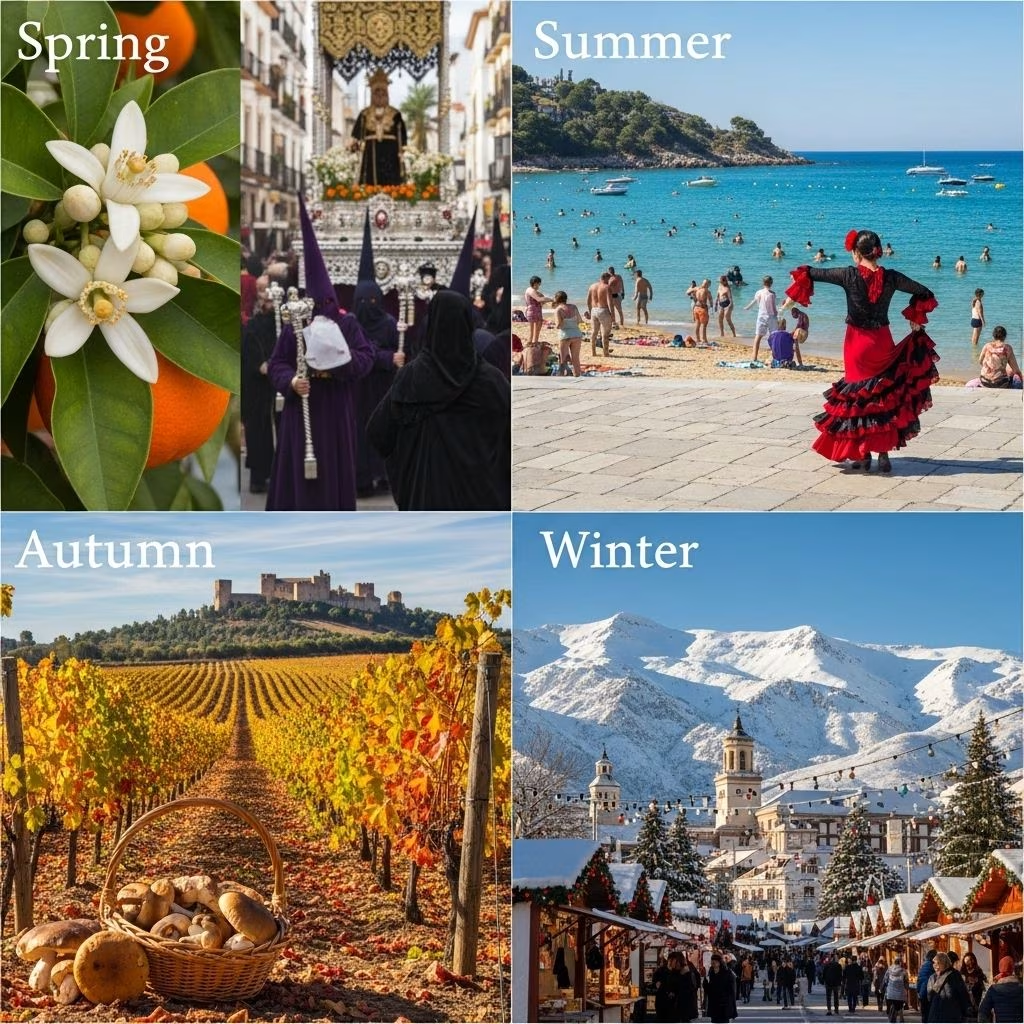
- Spring (March–May): Pleasant weather, vibrant festivals, and moderate crowds.
- Summer (June–August): Hot and crowded on the coasts, scorching and quiet in the interior.
- Autumn (September–October): Warm weather lingers, lighter crowds, many regional events.
- Winter (November–February): Chilly inland, rainy on the coast. Off-season for many regions except for vibrant carnival celebrations.
Spring and Fall: The Ideal Spanish Seasons
For many travelers, spring and fall are the sweet spots for visiting Spain. These periods offer a delightful balance of:
- Comfortable temperatures, ideal for sightseeing and outdoor activities
- Long daylight hours to make the most of your days
- Reduced tourist crowds compared to the summer peak
- Abundant cultural events and festivals
Spring is especially festive, with some of Spain’s most iconic celebrations taking place during this time:
- Semana Santa (Holy Week): Somber and spectacular religious processions fill the streets of cities like Seville, Málaga, and Granada the week before Easter. Expect dramatic floats, penitents in traditional robes, and moving music.
- Seville’s Feria de Abril (April Fair): Following Easter, Seville erupts in a week-long party of flamenco, colorful costumes, horseback parades, and casetas (party tents).
- Jerez de la Frontera’s Feria de Caballo (Horse Fair): Equestrian shows, competitions, and sherry celebrations in Andalusia’s world-famous horse capital, often held in May.
- Córdoba’s Patio Festival: In early May, private courtyards compete to display the most dazzling floral arrangements—some open to visitors for just this event.
- Madrid’s Bullfighting and Zarzuela Season: May marks the height of bullfights and performances of Spain’s traditional musical theatre.
Autumn (September to October) is another excellent time, with summer heat waning, grapes being harvested across wine regions, and multiple local fiestas in the mix. The beaches along Mediterranean and Atlantic coasts remain inviting as late as October, while cities regain their pre-summer rhythms.
Summer in Spain: Vibrancy, Heat, and Crowds
The summer months—July and August—are Spain at its most intense, in both climate and crowds. Here’s what you can expect:
- Coastal Resorts: Beaches on the Costa del Sol, Costa Brava, and Balearic Isles swell with both international tourists and Spaniards on holiday. Prices rise, accommodations fill quickly, and nightlife buzzes into the early morning.
- City and Interior Heat: Major inland cities like Madrid, Seville, and Córdoba experience daytime highs often exceeding 35°C (95°F). Streets may be quiet at midday, but outdoor concerts and festivals often fill the evening air.
- Running of the Bulls (San Fermín): Pamplona’s raucous festival in early July draws thousands for its famous encierro (bull run) and vibrant street parties. Book early and expect dense crowds.
| Region | Summer Typical Highs | Atmosphere | Tips |
|---|---|---|---|
| Barcelona/Costa Brava | 28–32°C (82–90°F) | Busy, festive, lots of open-air events | Book ahead for accommodations, consider day trips to quieter nearby towns |
| Andalusia (Seville, Córdoba) | 34–40°C (93–104°F) | Very hot, quieter mid-day, festive nights | Take sightseeing breaks, prioritize museums or shaded plazas at noon |
| North (Basque Country, Galicia) | 20–27°C (68–80°F) | Milder, relaxed coastal communities | Ideal for hiking and cooling off |
Travel Essentials for Summer:
- Air-conditioned lodging is essential in most cities and the south
- Shops and restaurants may close for extended siesta breaks, especially in August
- Some smaller businesses shut down entirely as owners also go on holiday
- Major museums and attractions remain open but expect longer lines
Winter in Spain: Off-Season Nuances
Winter (November through February/March) brings vastly different experiences, depending on your destination:
- Interior Cities (Madrid, Toledo, Salamanca): Can be bitterly cold, with occasional snow and frosty mornings. Most major sights remain open, but daylight is short.
- Coastal Regions (Barcelona, Valencia, Costa del Sol): Warmer than the interior but prone to rain and gray days. Good for quieter city explorations and off-season deals.
- Andalusia: Seville, Granada, and Córdoba see mild daytime temperatures, but nights can be chilly.
- Mountains: The Pyrenees and Sierra Nevada offer skiing and winter sports from December through March.
Note that off-season means:
- Shorter opening hours for museums and attractions
- Longer midday breaks (siestas), especially in smaller towns
- Fewer regional activities except during special festivals
Winter’s Big Exception: Carnival Season
Carnival lets Spain shake off the winter blues. In the weeks before Lent, fiestas explode in color with parades, costumes, and all-night parties:
- Cádiz: Home to Spain’s wildest and quirkiest carnival, famous for satirical performances and energetic street parties.
- Sitges: Near Barcelona, recognized for its vibrant, LGBT-friendly celebrations filled with elaborate costumes and spectacular processions.
- Madrid and Barcelona: Each city showcases vibrant festivities and children’s parades, with local flair.
- Santa Cruz de Tenerife (Canary Islands): Among the world’s biggest—and most flamboyant—carnivals, rivaling even Rio.
Always confirm local festival dates and details close to your trip, as weather, local decisions, and other factors can change schedules, especially outside high season.
Regional Variations: Where Weather and Crowds Differ
Spain’s geography runs from arid central plains to lush northern coasts and subtropical islands, so climate and crowds vary considerably.
- Costa del Sol: Mediterranean breezes make for milder winters and sun-drenched summers. Spring and autumn are delightful with fewer crowds.
- Andalusia: Famous for whitewashed villages, flamenco, and intense summer heat—inland cities are nearly deserted at midday as residents embrace a slower pace.
- Basque Country, Asturias, and Galicia: In northern Spain, the Atlantic moderates temperatures and brings more rainfall, especially in winter. Summers remain cooler and pleasantly green.
- Madrid and Central Plateau: Experiences hot, dry summers and cold winters—dress in layers when visiting outside July and August.
- Balearic and Canary Islands: Enjoy a mild, spring-like climate almost year-round—ideal for escaping mainland chills or summer’s interior heat.
Spain’s Top Festivals by Season
| Season | Festival | Location | Highlights |
|---|---|---|---|
| Spring | Semana Santa | Seville, Málaga, Granada | Religious processions, elaborate floats, music |
| Spring | Feria de Abril | Seville | Flamenco, horse parades, casetas |
| Summer | San Fermín | Pamplona | Running of the bulls, concerts, parties |
| Autumn | Rioja Grape Harvest | La Rioja | Wine tastings, parades, traditional presses |
| Winter | Carnival | Cádiz, Sitges, Tenerife | Parades, masquerades, late-night revelry |
Tips for Planning Your Spanish Adventure
- Book Early if you plan to visit during major festivals (Semana Santa, Feria de Abril, San Fermín) or summer in top beach resorts.
- Consider Shoulder Seasons (April–June, September–October) for lower prices, active calendar, and friendlier weather.
- Pack Strategically: Layered clothing is helpful; the difference between day and night temperatures can be surprising.
- Reserve Key Attractions: For the Alhambra in Granada, Sagrada Família in Barcelona, and other must-sees, reserve tickets weeks in advance, especially from late spring through early fall.
- Take Siesta Seriously: Especially in hot regions, midday can be very quiet. Use the time for a leisurely lunch in the shade or a museum visit; plan outdoor activities in the morning or early evening.
- Check Local Schedules: Holidays can affect opening hours, public transportation, and food services.
Frequently Asked Questions (FAQs)
Q: What is the single best month to visit Spain?
A: May or October generally offer a superb balance of weather, crowds, and activities across most Spanish regions. These months see long sunny days and fewer tourists compared to summer, with many festivals and lively streets.
Q: Is August a good time for a Spain vacation?
A: August can be enjoyable on the coast but hot and less lively in inland cities, where locals often leave on holiday. Beach towns are vibrant but crowded and expensive; many urban businesses close for a summer break.
Q: Will I encounter rain in Spain?
A: Spain’s coastal north (Basque Country, Galicia) is wettest, especially from October to April. Coastal areas along the Mediterranean are much drier, but showers are possible year-round. Always pack a light jacket for spring and fall.
Q: How can I catch a major Spanish festival?
A: Research city-specific event calendars and book lodging months in advance for Semana Santa, Feria de Abril, or the Running of the Bulls. Confirm dates locally, as festival schedules can change year to year.
Q: What is ‘siesta’ and how does it affect tourists?
A: Siesta is a midday pause—often from 2:00 to 5:00 pm—when shops and restaurants (especially outside major cities) may close. Plan sightseeing and meals accordingly, or enjoy Spain’s leisurely pace with a long lunch.
Final Thoughts: Choosing Your Ideal Spanish Season
No matter when you choose to visit Spain, there’s a perfect region or local festival waiting for you. Whether you want to marvel at Semana Santa in spring, bask on Mediterranean beaches in summer, enjoy bustling city life in the fall, or dance through a winter carnival, Spain bursts with experiences for every season. With the right timing—and a sense of adventure—you’ll experience the best of Spain at its vibrant, ever-changing best.
References
- https://www.ricksteves.com/tours/spain/best-spain-tour
- https://www.ricksteves.com/watch-read-listen/video/tv-show/tv-specials/andalucia-the-best-of-southern-spain
- https://www.ricksteves.com/watch-read-listen/video/travel-talks/spain
- https://www.ricksteves.com/europe/spain/best-time-to-go-to-spain
- https://www.ricksteves.com/europe/spain
- https://community.ricksteves.com/travel-forum/spain/best-time-to-visit-spain