Bavaria stands out as Germany’s largest federal state, renowned for picture-perfect alpine vistas, iconic castles, time-honored cultural traditions, and cosmopolitan cities. Whether you’re drawn by Munich’s dynamic urban scene or the tranquil charm of mountain villages, Bavaria epitomizes the classic Germany that travelers dream of—lederhosen, lively beer gardens, and romantic castles nestled beneath breathtaking mountains.
Why Bavaria Embodies German Tradition
Often, the international image of Germany—festive crowds in dirndls and lederhosen, steins raised in cheerful beer gardens, scenic villages amidst rolling meadows and alpine peaks—is pure Bavarian. Here, customs feel authentic, rural roots remain visible, and tradition is celebrated year-round, not just at Oktoberfest. Visiting Bavaria means stepping into a living postcard of German heritage, where local pride and hospitality run deep and every season brings new festivities, from Christmas markets to Maypole dances.
- Lederhosen and Dirndls: Still worn on special occasions and during festivals.
- Year-round festivities: Maypoles in spring, Christmas markets in winter.
- Beer culture: Rowdy Oktoberfest-style halls operate throughout the year.
Top Places to Experience in Bavaria
Bavaria offers an impressive spectrum, from cosmopolitan Munich to serene alpine retreats. Below are the most essential destinations, each offering unique glimpses into Bavarian life, history, and landscape.
▲▲▲ Munich
- Lively city center with pedestrian zones, vibrant squares, and a festive ambiance.
- World-class museums, Baroque palaces, and historic churches.
- Notable beer halls and convivial gardens—don’t miss the renowned Hofbräuhaus.
- Oases like the Englischer Garten (English Garden) offer relaxation within the city.
- Nearby: the sobering Dachau Concentration Camp Memorial provides historical perspective.
▲▲▲ Bavarian Alps
- Fairy-tale castles: Including Neuschwanstein, Hohenschwangau, and Linderhof.
- Charming villages like Füssen (ideal as a home base) and Oberammergau, famed for its painted houses and Passion Play.
- Spectacular mountain scenery: The towering Zugspitze, Germany’s tallest peak, is accessible by cable car.
- Outdoorsy activities: Hiking, luge rides, and lake excursions around Berchtesgaden and Königssee.
- Historical intrigue: Berchtesgaden also hosts poignant WWII sites.
▲▲ Nuremberg (Nürnberg)
- Nuremberg’s old town is famous for its evocative medieval walls and half-timbered houses.
- The castle, lively markets, and poignant WWII memorials offer a blend of history and vitality.
▲▲ Würzburg and Rothenburg ob der Tauber
- Würzburg dazzles with Baroque grandeur, iconic vineyards, and historic residences.
- Rothenburg is beloved for its preserved city walls, cobblestone lanes, and picture-perfect medieval character.
Munich: Bavaria’s Lively Heart
Munich (München) stands as Germany’s most “livable city”—a dynamic fusion of history, artistry, tradition, and cutting-edge innovation. Its compact, pedestrian-friendly center is tailor-made for exploration.
Main Sights in Munich
- Marienplatz: The central square featuring the ornate New Town Hall and Glockenspiel performances.
- Residenz Palace: The former royal palace, home to exquisite state rooms, crown jewels, and world-class art collections.
- Art Museums: The Alte Pinakothek, Neue Pinakothek, and Pinakothek der Moderne display works spanning centuries.
- St. Peter’s Church: Offers panoramic city views from its tower.
- English Garden: One of the world’s largest city parks, complete with walking trails, beer gardens, and river surfers.
- Munich beer halls: Hofbräuhaus is a bucket-list destination, but many other halls and gardens offer authentic experiences.
- Dachau: An easily accessible, sobering memorial to Germany’s past just outside the city.
Local Experiences
- Enjoy a hearty Bavarian breakfast of white sausages, pretzels, and sweet mustard.
- Join locals in a beer garden, especially during seasonal festivities.
- Take part in or observe traditional celebrations, from Fasching (carnival) to October’s famous Oktoberfest.
The Bavarian Alps: Castles and Mountain Magic
Bavaria’s southern stretches offer postcard-perfect landscapes, a playground for nature lovers and history buffs alike.
Iconic Fairy-tale Castles
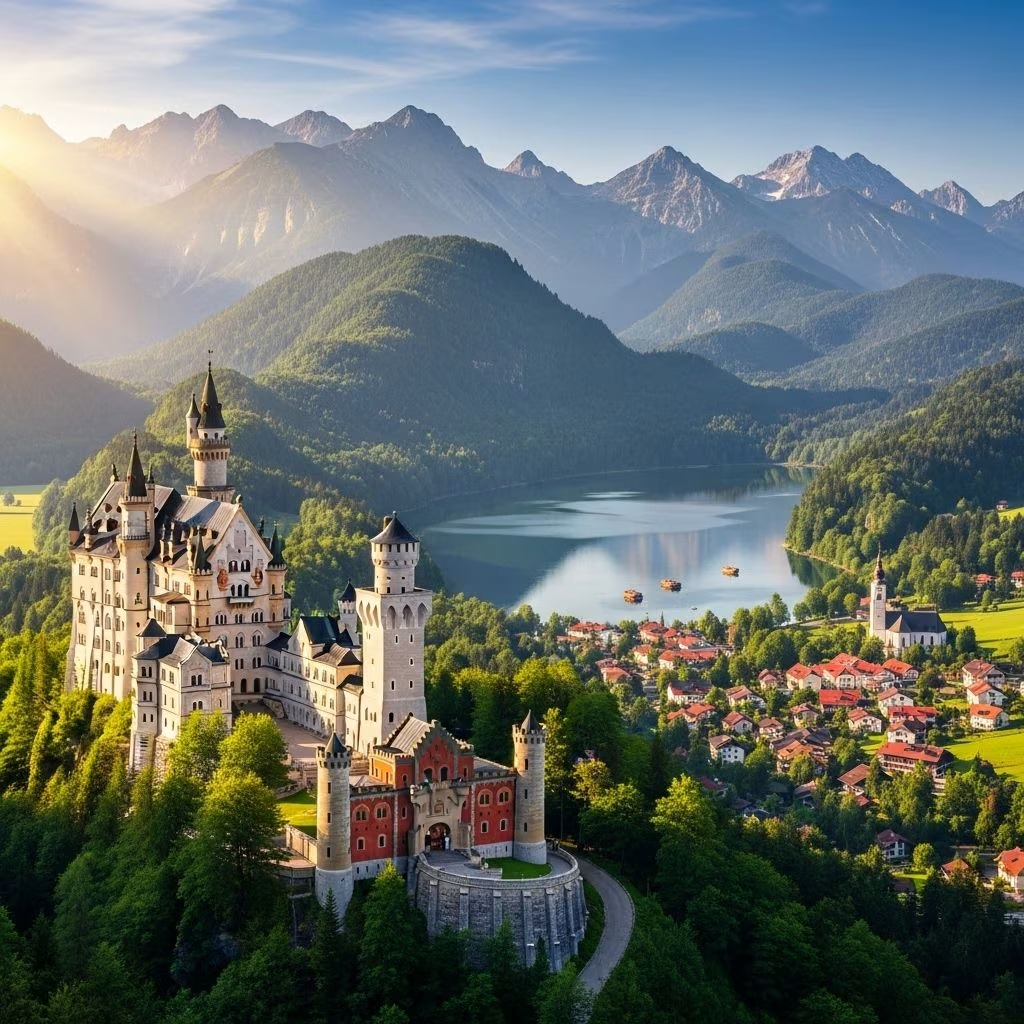
- Neuschwanstein Castle: King Ludwig II’s iconic fantasy, perched on a rugged hill near Füssen. Its turrets and romantic silhouette inspired Disney and countless imaginations.
- Hohenschwangau Castle: Ludwig’s childhood home, offering insight into royal lives and 19th-century elegance.
- Linderhof Palace: A smaller, lavish palace in French rococo style, with extravagant gardens and grottoes.
Note: Castles are exceptionally popular. Tours are only by reservation; book online ahead to avoid disappointment, as ticket lines form early in the morning and may sell out.
Alpine Adventures
- Zugspitze: Germany’s highest peak (2,962 meters/9,718 feet), reachable by train and cable car for panoramic views, skiing, and snow play—even in summer.
- Oberammergau: Renowned for its Passion Play and vibrantly painted façades.
- Berchtesgaden & Königssee: Jaw-dropping natural parks, lakes, salt mines, and the historic Eagle’s Nest.
- Füssen: Excellent base for exploring castles and lakes, surrounded by lush rolling hills and dramatic peaks.
Beyond the Alps: Northern and Eastern Bavaria
Bavaria’s diversity extends far beyond its southern mountains, with rich medieval towns and cultural hubs scattered through the north and east.
Nuremberg
- Famed for its medieval castle, open squares, Christmas market, and poignant WWII trial landmarks.
Würzburg
- Home to the splendid Residenz palace, a UNESCO World Heritage site flanked by spectacular gardens and vineyards.
Rothenburg ob der Tauber
- Pristine medieval cityscape, captivating travelers with its preserved ramparts, city gates, and cobbled lanes.
Essential Travel Tips for Bavaria
- When to visit: Summer brings festivals and ideal hiking weather; autumn offers golden foliage and harvest celebrations; winter transforms towns into festive markets and ski havens.
- Transport: Bavaria boasts a robust public transport network—trains and regional buses link major towns, castles, and scenic sites.
- Accommodations: Options range from historic inns and alpine guesthouses to boutique city hotels. Advance booking is recommended for peak seasons.
- Language: Standard German is spoken everywhere, but embrace some local words (Grüß Gott for hello!).
- Festivals: Time your visit for folk festivals, Christmas markets, or the Oberammergau Passion Play (every ten years).
Sample Itinerary for Exploring Bavaria
| Days | Destination/Activity |
|---|---|
| 1–3 | Munich: Explore museums, palaces, beer gardens, and enjoy local cuisine. |
| 4–6 | Bavarian Alps: Base in Füssen or Garmisch-Partenkirchen; visit Neuschwanstein and Hohenschwangau, hike, take alpine lifts, day trip to Zugspitze. |
| 7–8 | Berchtesgaden area: Lake Königssee, Eagle’s Nest, salt mines. |
| 9 | Nuremberg: Medieval center, museums, WWII sites. |
| 10 | Würzburg and Rothenburg ob der Tauber: Palaces, medieval ambiance, local wines. |
Savoring Bavarian Cuisine
Bavarian food is hearty, flavorful, and celebrates fresh, local ingredients. Dining is as much about ritual and camaraderie as it is about the food itself.
- Weißwurst: White sausages, best enjoyed with sweet mustard and freshly baked pretzels before noon.
- Schweinshaxe: Crisp roasted pork knuckle, a pub staple.
- Bavarian beer: From golden lagers to wheat beers, each region has its favorite brew, often served in centuries-old beer halls and gardens.
- Apple strudel and cakes: Served in cafés and inns throughout the region.
Unique Bavarian Experiences
- Maypole Festivals: Colorful village processions in spring with dancing and local foods.
- Christmas Markets: Town squares transform with twinkling lights, handcrafts, and spiced treats in December.
- Passion Play at Oberammergau: Once every decade, the entire village stages a centuries-old dramatization of Christ’s passion.
- Engage in crafts: Traditional woodcarving in Oberammergau or glassmaking in the Bavarian Forest.
Frequently Asked Questions (FAQs)
Q: When is the best time to visit Bavaria?
A: The ideal time is late spring through early fall for festivals and hiking. Winter is magical for Christmas markets and snowsports.
Q: Do I need to reserve castle tours in advance?
A: Yes, reservations are highly recommended for popular sites like Neuschwanstein as same-day tickets often sell out early in the morning.
Q: Can I explore the Bavarian Alps without a car?
A: Absolutely. Trains and buses conveniently connect Munich with Füssen, Garmisch, and alpine villages. Local buses link castles and key attractions.
Q: How English-friendly is Bavaria?
A: In most tourist areas, English is widely spoken. Learning a few German greetings is appreciated and enhances your experience.
Q: Is Bavaria expensive compared to other German regions?
A: While large cities and famous destinations may be pricier, plenty of affordable options for lodging, food, and transit exist, especially in smaller towns.
Plan Your Bavarian Adventure
With its unique traditions, spectacular scenery, world-famous castles, and vibrant city life, Bavaria promises an unforgettable journey through the heart of Germany. Each corner reveals another story, inviting every traveler to discover both the legendary past and the living culture of this special region.
References
- https://www.ricksteves.com/watch-read-listen/video/tv-show/munich
- https://www.ricksteves.com/europe/germany/itinerary
- https://www.youtube.com/watch?v=hobqbySMnYQ
- https://www.ricksteves.com/europe/germany/bavaria
- https://www.ricksteves.com/europe/germany/bavarian-alps
- https://community.ricksteves.com/travel-forum/germany/bavaria-itinerary-suggestions
- https://www.youtube.com/watch?v=XsU49m7fDRo
- https://www.ricksteves.com/europe/germany
- https://www.ricksteves.com/watch-read-listen/video/tv-show/germany-black-forest-and-cologne