Introduction to the Basque Country
Nestled between the Atlantic coast and the slopes of the Pyrenees, the Basque Country is a region unlike any other in Europe. Straddling the border of Spain and France, it boasts its own ancient language, distinct cultural traditions, and a resilient regional identity. Whether you’re drawn by bustling cities, haunting history, scenic coastal villages, or the celebrated gastronomy, the Basque Country delivers an unforgettable journey through one of Europe’s most singular corners.
Understanding Basque Identity
The Basques have thrived for centuries as one of Europe’s most distinctive cultural groups. Their language, Euskara, predates Indo-European tongues and has no known relatives, lending an air of mystery. Geographically, the Basque Country (called Euskal Herria in Basque) is shaped by the rugged Pyrenees and stretches along the Bay of Biscay, encompassing both Spanish provinces and part of southwestern France.
- Unique Language: Euskara signage appears alongside both Spanish and French.
- National Boundaries: The region is not marked on standard political maps, but is defined by local pride and tradition.
- Stubborn Independence: Centuries of semi-autonomy have reinforced a strong regional identity, famously expressed in sports, festivals, and political aspirations.
Major Destinations of the Spanish Basque Country
- San Sebastián (Donostia): Famous for its crescent beach, upscale food scene, and elegant Belle Époque architecture.
- Bilbao: Once an industrial powerhouse, now rejuvenated by bold modernity and cultural innovation.
- Pamplona: Universally associated with the Running of the Bulls during the San Fermín festival, but rich in history year-round.
- Guernica (Gernika): A symbol of Basque endurance, immortalized by Picasso’s tragic painting.
San Sebastián: Coastal Sophistication and Gastronomy
San Sebastián enchants with its stunning setting along La Concha Bay. The city boasts some of the best beaches in the region, a lively old town packed with pintxos bars, and a thriving arts and festival scene.
- Beaches: Relax on Playa de la Concha, one of Europe’s urban coastal gems.
- Pintxos Bars: The local version of tapas, ranging from simple bites to culinary masterpieces, are best sampled in the Old Town’s atmospheric taverns.
- Cultural Festivals: San Sebastián hosts the prestigious International Film Festival every September, drawing cinema lovers from around the globe.
Bilbao: From Heavy Industry to High Art
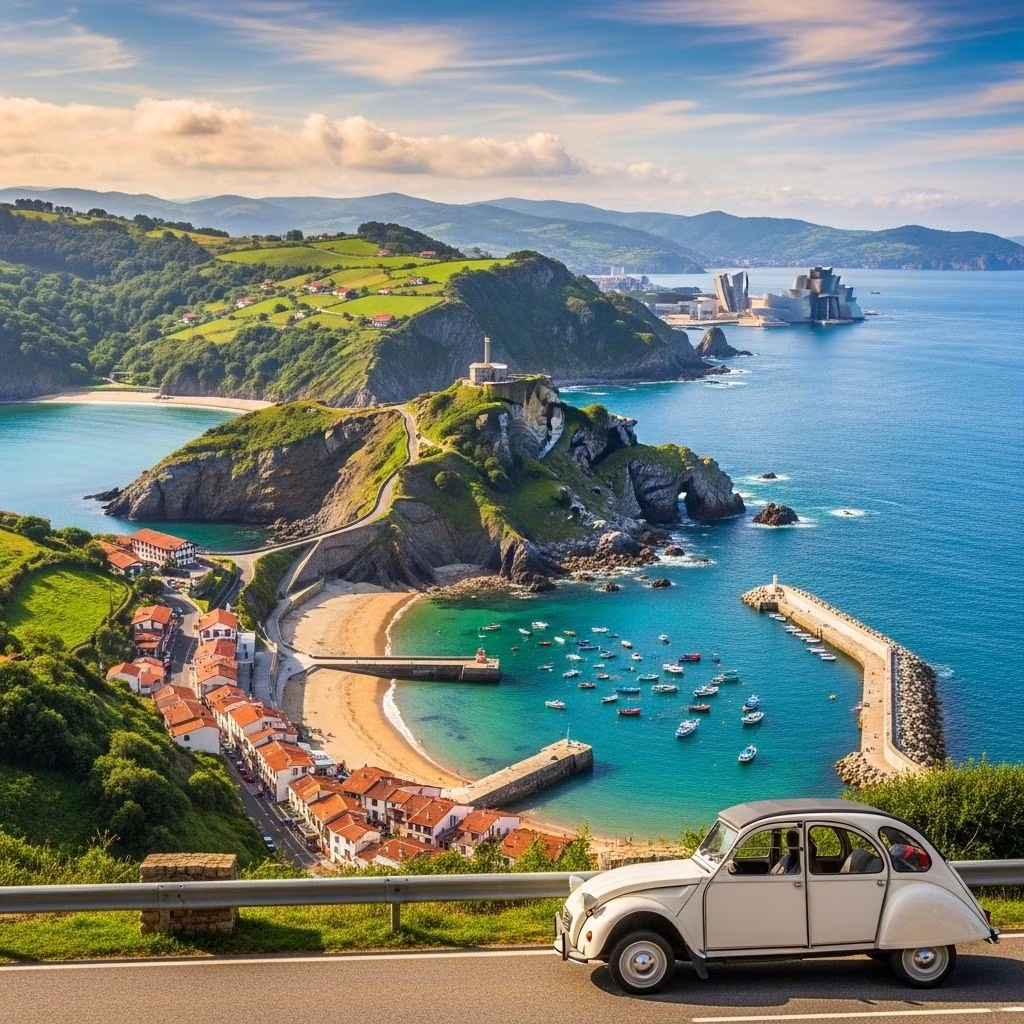
Beneath a shroud of green hills and the Nervión River, Bilbao has transformed itself from a gritty industrial hub to a center of design and culture. The city’s architectural marvel, the Guggenheim Museum, has become a global symbol of urban regeneration.
- Guggenheim Museum: Frank Gehry’s titanium-clad creation is a destination for contemporary art aficionados.
- Casco Viejo: Stroll through Bilbao’s rejuvenated Old Quarter for lively squares, traditional taverns, and boutique shops.
- Basque Fine Arts Museum: Showcasing rich regional and international collections.
Pamplona: Beyond the Bulls
The winding medieval streets of Pamplona are brimming with history, from solemn churches and fortifications to lively plazas. Best known internationally for the wild San Fermín festival each July, Pamplona’s charm can be appreciated year-round.
- San Fermín Festival: Experience or learn about the legendary Running of the Bulls as townsfolk and daredevil visitors rush alongside stampeding cattle.
- Historical Sights: Explore city walls, Gothic churches, and the atmospheric Old Town.
- Camino de Santiago: The city lies along the pilgrims’ route to Santiago de Compostela, greeting travelers from across Europe.
Guernica: Testament to Basque Resilience
Immortalized by Picasso’s epic painting, Guernica (Gernika) was nearly destroyed during a 1937 bombing raid, standing today as a symbol of peace and the Basque commitment to self-determination.
- Guernica Peace Museum: Exhibits and memorials narrate the tragedy of the bombing and its impact.
- Replica of Picasso’s ‘Guernica’: Displayed in the city center to commemorate the historic event (the original resides in Madrid).
Breathtaking Villages and Landscapes
- Bayonne & St-Jean-de-Luz (French Basque Country): Just over the border, these towns offer Basque traditions blended with French charm.
- Hondarribia: Picturesque coastal town with a colorful port and medieval fortress.
- Pyrenees Drives: Scenic routes wind through lush hills and past stone farmhouses, ideal for exploring at a leisurely pace.
Top Experiences in the Basque Country
- Walking Tours: Discover cities like San Sebastián, Bilbao, Bayonne, and Pamplona on foot, unlocking grand plazas, markets, and centuries-old streetscapes.
- Sheep Farms: Visit rural enterprises where local cheeses and products are made by hand.
- Wine Tasting: The region is celebrated for crisp Txakoli whites and hearty reds from Rioja Alavesa.
- Men’s Dining Societies (Sociedades): Basque men’s clubs—a unique tradition—serve as private venues for communal feasts and socializing.
- Camino de Santiago Pilgrimage: Join walkers for a stretch of this storied medieval trail, vibrant with camaraderie and history.
Basque Cuisine: A Culinary Wonderland
The Basque Country is a food lover’s mecca, with a reputation for both rustic and world-class dining.
- Pintxos: Bite-sized creations, often served atop bread and featuring local ingredients like seafood, peppers, and cured ham.
- Basque Cheeses: Such as Idiazabal, crafted from sheep’s milk in the mountains.
- Fresh Seafood: Enjoy anchovies, hake, and cod prepared using age-old recipes.
- Chuleton: A generous, wood-fired steak shared among friends.
- Txakoli: Light, slightly sparkling white wine poured from above to aerate the flavors.
Many villages and cities feature markets brimming with fresh produce, cheeses, and Basque specialties. The Basque Country’s famed gastronomic societies showcase the region’s deep love for food and convivial gatherings.
Culture and Traditions
- Festivals: Experience age-old celebrations filled with traditional dancing, music, and sports.
- Sports: Basque Country is home to pelota (a high-speed court game), rural competitions like stone-lifting and wood-chopping, and the region’s own soccer teams.
- Language: Many locals speak Euskara in addition to Spanish or French, and public signage is often bilingual or trilingual.
- Art & Architecture: Discover Romanesque churches alongside cutting-edge contemporary structures—nowhere better illustrated than in Bilbao.
Getting Around
The Basque Country’s compact size makes it easy to explore by car, train, or bus. Well-developed public transport networks connect major cities and many villages.
- Most travelers begin in Bilbao or San Sebastián, both of which have well-connected airports.
- Trains and buses offer scenic journeys through the countryside, while car rentals provide flexibility for rural stops and off-the-beaten-path sights.
- Biking is possible along well-marked coastal trails and city lanes.
Travel Tips
- Accommodations: Choices range from boutique hotels and rural guesthouses to urban apartments.
- Dining: It’s customary to dine late—lunch after 2 p.m., dinner after 8 or 9 p.m.
- Weather: Expect mild seasons, but rain is possible year-round—pack accordingly.
- Language: Knowledge of Spanish (or French on the north side) helps, but English is understood in most tourist spots.
Sample Basque Country Itinerary
| Day | Highlight |
|---|---|
| 1 | Bayonne walking tour, Basque culture museum |
| 2 | St-Jean-Pied-de-Port and scenic Pyrenees drive |
| 3 | Pamplona tour and dining society lunch |
| 4 | Camino de Santiago walk, wine tasting |
| 5 | San Sebastián city highlights |
| 6 | Visit a Basque sheep farm |
| 7 | Guernica memorial tour |
| 8 | Bilbao and Guggenheim Museum |
| 9 | Departure or onward travel |
Travel Challenges & Comfort
- Physical Demands: Expect moderate walking, stairs, and occasional uneven surfaces.
- Climate: While summers are pleasant, always be ready for a sudden rain shower along the coast.
- Culture Shock: Late-night meals, bilingual signage, and distinct social norms around food and friendship are hallmarks of Basque style.
Testimonials from Basque Country Travelers
- “I loved learning about the Basque culture and then experiencing it through food, art, and the people. The guides also were wonderful at making it personal by sharing their experiences.”
- “I enjoyed the start of the Camino in St Jean Pied-a-Port, riding through the Pyrenees, and wandering around Pamplona. San Sebastian is also very picturesque, and the Guggenheim museum in Bilbao was fun to explore.”
- “The replica of Picasso’s mural in Guernica was impactful; even a brief moment there leaves a lasting impression.”
Frequently Asked Questions (FAQs)
Q: What is unique about Basque cuisine?
A: Basque cuisine is renowned for pintxos (small bar snacks), local cheeses, fresh seafood, premium steaks, and special wines like txakoli. The region is famously home to both rustic recipes and Michelin-starred dining rooms.
Q: Is it easy to travel between Spanish and French Basque regions?
A: Yes, the border is seamless for travelers. Public transport connects major cities, and car rentals allow easy exploration of villages on both sides.
Q: When is the best time to visit the Basque Country?
A: Late spring through early autumn (May–October) offers pleasant temperatures and lively festivals. Be prepared for some rain throughout the year, especially along the coast.
Q: Do people speak English in the Basque Country?
A: In tourist centers and hotels, English is widely understood, though learning basic Spanish or Basque greetings is appreciated and enriches the experience.
Q: What are top cultural experiences in the Basque Country?
A: Must-do activities include sampling pintxos in San Sebastián, exploring the Guggenheim in Bilbao, witnessing a Basque festival, and walking a stretch of the Camino de Santiago.
References
- https://www.ricksteves.com/tours/spain/basque
- https://store.ricksteves.com/shop/p/basque-country-guidebook
- https://www.ricksteves.com/watch-read-listen/video/tv-show/basque-country
- https://www.ricksteves.com/europe/spain/basque-country
- https://www.ricksteves.com/watch-read-listen/read/articles/the-best-of-the-basque-country
- https://www.ricksteves.com/watch-read-listen/video/basque-country-san-sebastian
- https://community.ricksteves.com/travel-forum/tours/tour-report-basque-country-of-spain-and-france-september-22-30-2023
- https://www.youtube.com/watch?v=5-mZF3YcjB4