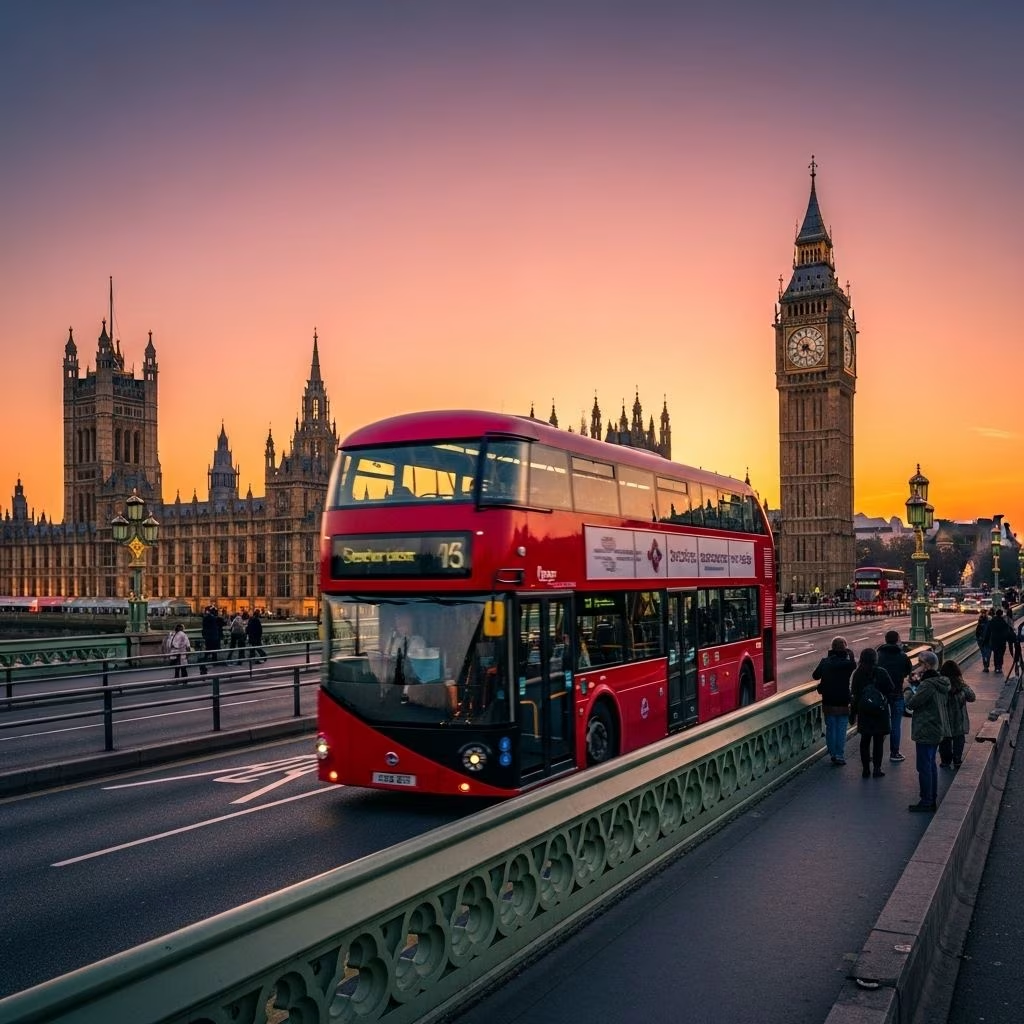
Essential London: Sights, Walks, Day Trips, and Practical Tips
London is a city where time-honored traditions blend seamlessly with cosmopolitan energy. As England’s sprawling capital, it’s home to a mix of world-class museums, stately landmarks, vibrant markets, iconic theaters, and a storied past at every turn. Whether you’re a first-time visitor or returning to explore its hidden corners, this comprehensive guide offers everything you need for a rewarding stay, from the essentials on practical planning to deep-dives into historic sites, self-guided city walks, and can’t-miss day trips.
Why Visit London?
Few cities offer the kind of all-in-one experience that London does. It is a metropolis where history-laden streets meet energetic modernity. There are layers to discover, from Roman times and medieval splendor to a vibrant multicultural present. The city is famous for:
- An unparalleled collection of free museums and world-class art galleries
- Some of Europe’s most iconic landmarks: Big Ben, Tower of London, Buckingham Palace
- Dynamic theater and live performance scenes—regarded as the best on the planet
- Excellent transportation, making it easy for visitors to explore neighborhoods and beyond
- Eclectic dining, shopping, and entertainment experiences
When to Go and Essential Planning
London can be visited year-round, but the most popular times are late spring through early autumn, when the city’s parks are lush and outdoor festivals abound. However, off-peak seasons such as late autumn or winter offer fewer crowds and lower prices—particularly for accommodations and attractions.
Key Planning Tips
- Book tickets well in advance for top attractions (London Eye, West End shows, major exhibitions).
- Consider purchasing an Oyster Card or Visitor Travelcard for public transport savings.
- Plan at least 3-4 full days to experience central London highlights; add extra time for day trips or deeper exploration.
- Stay centrally if possible: locations near Covent Garden, Westminster, South Bank, or Soho offer easy access to key sights.
- Review festival dates, school holidays, and major events, as these increase prices and crowds.
Getting Around London
London’s comprehensive public transport system makes exploring simple and efficient. Here’s what you need to know:
- Underground (“Tube”): Fast and frequent, covers all major neighborhoods.
- Buses: A scenic, affordable way to discover London above ground; many run 24 hours.
- Overground and National Rail: Reach outlying neighborhoods or day trips easily.
- Biking: Public bike hire stations are scattered across the city—great for short, scenic rides.
- Taxis and Ride-Sharing: Black cabs are iconic, but services like Uber are widely available.
Helpful hint: Always tap in and out with your Oyster card, and mind the “Zone” system for fares. Most key attractions are in Zones 1 and 2.
Must-See Sights and Activities
London delivers an embarrassment of riches when it comes to sightseeing. Delve into these favorites:
- Westminster Abbey: England’s great royal church, setting for coronations, weddings, and burials of national icons.
- Tower of London: Legendary fortress, palace, and prison; see the jaw-dropping Crown Jewels and meet the Beefeaters.
- British Museum: Home to treasures like the Rosetta Stone and Elgin Marbles. Admission is free, but some special exhibits may charge a fee.
- National Gallery: Houses masterpieces from da Vinci to Van Gogh, right on Trafalgar Square.
- St. Paul’s Cathedral: An iconic dome and whispering galleries. Climb the dome for city panoramas.
- Victoria & Albert Museum: One of the world’s great collections of decorative arts and design.
- British Library: See originals from Shakespeare, the Beatles, and the Magna Carta.
- South Bank and Bankside: Enjoy riverside walks, street art, and food markets. Don’t miss Shakespeare’s Globe Theatre.
- Tate Britain & Tate Modern: Spanning British classics and 20th-century avant-garde.
- Borough Market: Historic food market with global flavors and London’s best bites.
Recommended Hotels and Restaurants
London caters to all budgets and tastes. Some neighborhoods are especially convenient for visitors:
- Covent Garden/Soho: Central, lively, great for theater and nightlife.
- South Bank: Riverside, modern, excellent for families and easy access to cultural venues.
- Westminster/Victoria: Close to historical monuments and good transport connections.
- Kensington: Leafy, elegant, near key museums and Hyde Park.
Dining runs the gamut from classic British fare (pies, fish and chips, roasts) to high-end international cuisine. London’s multicultural population ensures representation from around the globe. The city is especially known for:
- Gastro pubs: Creative twists on pub classics in a convivial setting.
- Afternoon tea: Elegant tearooms abound in hotels and shops.
- Markets and street food: Borough, Camden, and Spitalfields stand out.
Self-Guided Walks
Walking is the best way to experience London’s layers. Try these expertly designed routes, each uncovering a different facet of the city:
- Westminster Walk: Journey from Parliament Square, past Big Ben, Westminster Abbey, St. James’s Park, to Buckingham Palace.
- West End Walk: Explore bustling Covent Garden, street performers, the grand piazza, and lively theaterland.
- Bankside Walk: Walk along the Thames for highlights like the Globe Theatre, Tate Modern, and Borough Market.
- The City Walk (Historic London): Delve into London’s origins with stops at St. Paul’s, historic lanes, and hidden churches.
- East End Walk: Discover the heart of creativity, street art, diverse cultures, and classic markets.
Self-Guided Tours
Explore these major sights with a self-guided approach for a more personal experience:
- Westminster Abbey: Marvel at the coronation chair, poet’s corner, and royal tombs.
- Houses of Parliament: Snap iconic photos of Big Ben and attend a parliamentary debate if the house is sitting.
- National Gallery: Tour masterpieces in the grand halls of Trafalgar Square.
- British Museum: Focus on a theme or era—don’t try to do it all at once.
- British Library: Seek out rare manuscripts and historic documents.
- St. Paul’s Cathedral: Climb to the Whispering Gallery or further up to the Golden Gallery for exceptional views.
- Tower of London: Combine guided Yeoman Warder tours with your own exploration of towers, ramparts, and treasures.
- Victoria & Albert Museum: Plan your visit around favorite interests—textiles, jewelry, sculpture, or design.
- Tate Britain: Survey the story of British art from the Renaissance to the present.
- Greenwich: Cross the Meridian Line, visit the Royal Observatory, and enjoy panoramic views of London’s skyline.
Day Trips from London
London’s excellent train network places a wealth of rewarding destinations within easy reach:
- Windsor: Explore Windsor Castle, the Queen’s weekend residence, and stroll along the River Thames.
- Cambridge: Experience the renowned university city with its punting, colleges, and leafy gardens.
- Stonehenge: Marvel at the mysterious ancient stone circle on the Salisbury Plain. Consider combining this with Salisbury Cathedral.
Culture, Shopping, Entertainment & Nightlife
There’s no shortage of ways to enjoy London’s creative energy, day and night.
Culture & Entertainment
- Theater: The West End offers blockbuster musicals and dramatic gems; for Shakespeare, don’t miss the Globe Theatre.
- Pubs: From cozy 16th-century nooks to modern gastropubs.
- Music: Jazz clubs, pop concerts, and classical performances abound.
Shopping
- Oxford Street: Britains’ busiest shopping high street, with flagship stores galore.
- Covent Garden: Fashion, souvenirs, street performers.
- Markets: Camden (alternative and vintage), Portobello (antiques and food), Spitalfields (arts and indie designers).
Nightlife
- Soho and Shoreditch: Known for lively bars, nightclubs, and late-night eats.
- South Bank: Great for evening walks and riverside dining.
London with Children
London offers plenty for families and young explorers. Highlights include:
- Natural History Museum: Dinosaurs, blue whales, hands-on exhibits.
- Diana Memorial Playground: Pirate ships and imaginative play in Kensington Gardens.
- Tower of London: Look for special tours and kid-friendly activities.
- London Transport Museum: Interactive exhibits on the city’s iconic buses and trains.
- Boat rides on the Thames: A fun perspective on London’s landmarks.
- Regent’s Park & London Zoo: Expansive parklands and family-friendly attractions.
Handy British–American Vocabulary
| British | American |
|---|---|
| Lorry | Truck |
| Lift | Elevator |
| Queue | Line (waiting line) |
| Underground/Tube | Subway (metro) |
| Flat | Apartment |
| Biscuits | Cookies |
| Chips | French fries |
| Holiday | Vacation |
| Postcode | Zip Code |
Frequently Asked Questions (FAQs)
Q: What is the best way to get around London?
London’s public transport system—including the Tube, bus, and regional trains—is fast, economical, and comprehensive. Purchase an Oyster Card or use contactless payment for the best fares. Walking is often enjoyable for short distances between top sights.
Q: Is London safe for tourists?
Yes, London is generally safe for visitors. Exercise standard precautions against pickpocketing in crowded areas, and be aware of late-night transport schedules. Emergency services are accessible throughout the city.
Q: How much time do I need to see the main sights?
A minimum of 3-4 full days allows you to see London’s major attractions. Consider a week if you want to explore neighborhoods in depth and take a day trip or two.
Q: What are some good day trips?
Popular options include Windsor (for Windsor Castle), Cambridge (for university charm), and Stonehenge (for ancient wonder). All are easily accessible by train and can be combined with nearby sights.
Q: Where should I stay for easy sightseeing?
Central neighborhoods such as Covent Garden, South Bank, Soho, or Westminster are ideal for sightseeing, dining, and entertainment. They offer excellent public transport connections as well.
Q: What’s the difference between Rick Steves’ full London guide and the Pocket guide?
The full guidebook provides detailed city walks, more in-depth sightseeing, and fuller listings for restaurants and hotels. The Pocket guide is lighter, perfect for shorter or return trips, focusing on highlights and compact maps.
Q: Are museums in London free?
Most of London’s national museums and galleries offer free admission to their main collections, though special exhibitions and events may require tickets.
Q: What tips help avoid long lines?
Book tickets online for major attractions, visit popular sites early or late in the day, and use fast-track or timed entry where possible.
References
- https://store.ricksteves.com/shop/p/london-guidebook
- https://www.ricksteves.com/tours/england/london
- https://www.ricksteves.com/watch-read-listen/video/tv-show/london-historic-and-dynamic
- https://www.ricksteves.com/europe/england/london
- https://store.ricksteves.com/shop/guidebooks
- https://community.ricksteves.com/travel-forum/trip-reports/trip-report-a-vigorous-11-days-in-london-may-2025
- https://www.tripadvisor.com/ShowTopic-g186338-i17-k6064289-o10-What_s_wrong_with_Rick_Steves-London_England.html