Norway’s Ultimate Natural Thrill: A Journey into the Heart of the Fjords
When it comes to untamed natural magnificence, few places on earth rival Norway’s western region. Jagged mountain peaks, ancient glaciers, sky-blue lakes, and narrow, thundering fjords compose a landscape that has inspired myths and travelers for centuries. Guided by the insights of travel expert Rick Steves, let us embark on an adventure through the wildest corners of Norway—where elemental forces have sculpted one of Europe’s most breathtaking backdrops.
Where Norway’s Nature Roars: The West Unveiled
The heart of Norway’s most dramatic scenery beats strongest in its west. This region is defined by colossal glaciers, thunderous waterfalls, sheer cliffs, and impossibly deep fjords. The terrain is so raw and majestic that visitors often feel they’ve wandered into a land of Norse gods and ancient sagas. The towering formations and lush valleys elicit a sense of awe that transcends photographs, compelling travelers to slow down and savor nature in its most powerful form.
Jotunheimen: The Mountain Realm of the Giants
Jotunheimen National Park, translated as the “Home of the Giants,” sits at the crown of Norway’s wilderness. Here, sharp ridges and dramatic peaks—some cloaked in snow even during summer—evoke images of ancient myths and the spirits of Thor and Odin. The area is a haven for hikers and nature lovers seeking encounters with unspoiled alpine landscapes and rare wildlife.
- Galdhøpiggen: At 2,469 meters (8,100 feet), it’s the highest peak in Norway and Northern Europe. Hiking to its summit is a rite of passage for many Norwegians and offers panoramic views stretching for miles.
- Besseggen Ridge: Known for one of Norway’s most iconic hikes, this narrow trail balances between two shimmering lakes—one turquoise, the other deep blue—offering exhilarating vistas with every step.
- Unique flora and fauna:
- Reindeer and wolverines roam free, visible to the lucky and patient traveler.
- The glacier buttercup, Norway’s highest-growing flower, dots the landscape as a splash of yellow delicately balanced on rocky slopes.
- The world’s smallest tree, the dwarf willow, creeps just a few inches above the ground, a testament to life’s resilience in harsh environments.
The human scale is dwarfed by nature’s grandeur here, which is why Steves treasures Jotunheimen as the country’s ultimate window into Norway’s soul.
Sognefjord: The King of the Fjords
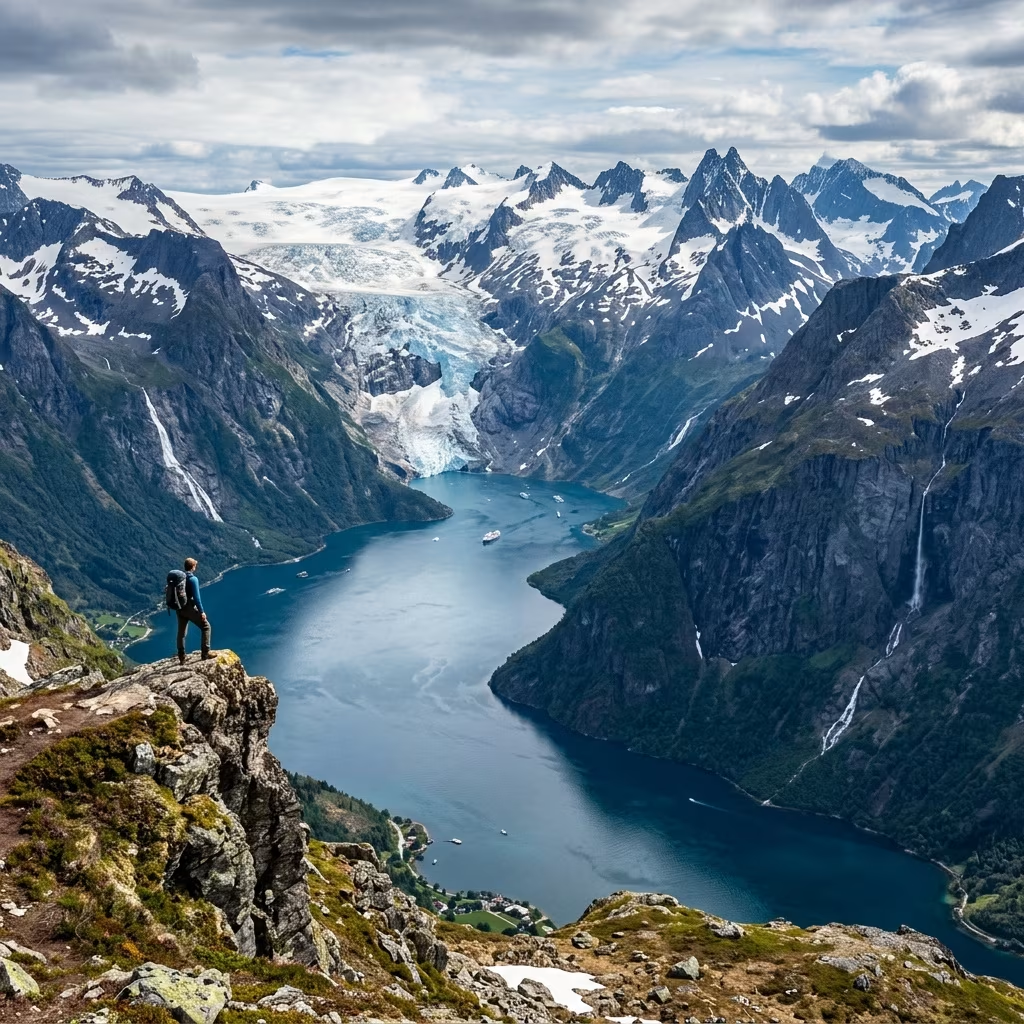
No feature defines Norway more than its fjords—narrow, glacially-carved inlets flanked by craggy cliffs, rushing waterfalls, and mirror-like water. Of them all, Sognefjord reigns supreme.
Sognefjord, the so-called “King of the Fjords”, stretches 205 kilometers (127 miles) inland from the coast north of Bergen and plunges to depths exceeding 1,300 meters (4,300 feet). It is the longest and deepest fjord in Norway, and many—Rick Steves included—consider it the country’s most spectacular natural feature.
- 30 distinct arms: Each fjord arm presents different landscapes, from steep-walled valleys to gentle green slopes flecked with farms.
- UNESCO-listed Nærøyfjord: Among Sognefjord’s branches, Nærøyfjord stands out for its narrowness (barely 250 meters wide at points), plunging waterfalls, and recognition as a UNESCO World Heritage site.
- Villages and culture: Rustic villages like Balestrand, Flåm, and Aurland hug the shoreline, offering a taste of local hospitality, cider production, and traditional architecture.
The allure of Sognefjord extends beyond the water—panoramic viewpoints like Stegastein, hiking rigs along the rim, and ferry rides weave a tapestry of unforgettable experiences.
Nærøyfjord and Fjord Safaris: Adventure on the Water
To truly grasp the scale and beauty of the fjords, nothing rivals getting out onto the water—or above it. The Fjord Safari company offers high-octane RIB boat journeys through Nærøyfjord, bringing visitors face-to-face with plunging cliffs and glacial rivers. Stepping aboard means donning survival suits and zipping through emerald waters at exhilarating speeds, guided by locals who share the natural and cultural secrets of the region.
- Speed and safety: Specially designed suits keep passengers warm and dry, regardless of the spray and Norwegian chill.
- Hidden stories: Guides highlight not only dramatic waterfalls and wildlife but also stories of remote farms, many still reached only by boat.
- Alternative options: Traditional ferries travel more gently through the fjords. These lifelines connect isolated communities, carrying locals, visitors, and even the post.
| Contrast | Fjord Safari (RIB Boat) | Traditional Ferry |
|---|---|---|
| Speed | Very fast; thrilling | Leisurely pace |
| Experience | Close to nature, access to hidden spots | Relaxed, panoramic views |
| Season | Mainly spring–autumn | Year-round |
Nærøyfjord, only 10 miles long and strikingly narrow, is often considered the visual highlight—a place where the land closes in dramatically and waterfalls plunge hundreds of feet from vertical cliffs.
Glacial Glories: Nigardsbreen and Icy Expeditions
No trip to Norway’s wild west is complete without witnessing the icy might of a living glacier. Nigardsbreen, one of the most accessible “arms” of the massive Jostedalsbreen Glacier, offers up-close encounters with the frozen grandeur that shaped these fjords over millennia.
- How to Visit:
- Start at the Breheimsenteret Glacier Center, where exhibitions, films, and guided walks explain glacier science, climate change, and safety protocols.
- Reach the glacier by a short boat ride across a turquoise lake, followed by a scenic hike to the glacier face.
- Glacier Hikes:
- Family-friendly tours last about an hour and bring hikers within arm’s reach of the ice walls—a thrilling yet accessible venture for most ages.
- Those craving more adventure can strap on crampons and, led by guides, trek across the jagged crevasses and ice caves of Nigardsbreen itself.
- Environmental Lessons: Guides underscore climate change’s impact: within living memory, Nigardsbreen filled most of its valley, having receded significantly in just a few decades.
The sight of rivers of blue-white ice, the snap of air chilled by millennia-old snow, and the sound of meltwater coursing through the glacier’s belly all leave indelible impressions.
Bergen: Gateway to the Fjords and Living Tradition
If Sognefjord is the king, Bergen is its royal gateway. This lively, coastal city—often called the Gateway to the Fjords—balances vibrant contemporary culture with centuries-old tradition. Colorful wooden wharves, quirky museums, a celebrated music scene, and the scent of briny air make Bergen a destination in its own right.
- Bryggen Wharf: This UNESCO World Heritage Site preserves the historic Hanseatic harbor, lined with leaning wooden buildings, artisans’ workshops, and atmospheric cafés.
- Music and Arts: The legacy of composer Edvard Grieg resonates in Bergen’s concert halls and open-air performances, while galleries and street art reveal fresh creative energy.
- Markets and Food: The Torget Fish Market brims with today’s catch, and restaurants highlight both traditional and New Nordic cuisine.
- Gateway to adventure: Well-connected by train, boat, and road, Bergen anchors most west Norway itineraries.
Soaked in Atlantic mists much of the year, Bergen is more than a starting point—it’s where Norwegian urban life meets wild nature at the water’s edge.
Planning Your Adventure: Practical Tips
- When to Go: Most fjord region attractions are bustling from late May to early September. Some smaller villages and tours shut down or scale back during the off-season (mid-September–mid-May), so plan accordingly.
- Getting Around:
- Trains, boats, and regional buses link key towns. The Flåm Railway is a highlight, winding steeply from the mountains to the fjord shore.
- Car rentals offer flexibility for reaching remote hikes, vista points, and less-touristed hamlets.
- Where to Stay:
- Rustic lodges, mountain hotels, and guesthouses abound in areas like Balestrand, Flåm, and along the Sognefjord.
- Book in advance if visiting in July or August.
- Packing Essentials:
- Weather shifts quickly—layers, rain gear, and sturdy boots are vital.
- Binoculars and a camera for wildlife and landscapes.
- Adventurous Add-ons:
- Biking scenic valleys, kayaking the fjord arms, and sampling local cider in Balestrand.
- Hiking Stegastein viewpoint’s hairpin roads for panoramic fjord vistas.
Frequently Asked Questions (FAQs)
Q: What is the best time to visit Norway’s fjord region?
A: The best time to visit is between late May and early September, when weather is milder and most attractions, ferries, and tours operate on their full schedules. Outside this window, certain villages and services may be closed due to weather or low demand.
Q: What makes Sognefjord different from other fjords in Norway?
A: Sognefjord is Norway’s longest and deepest fjord, stretching over 120 miles inland with dramatic, towering cliffs. It offers more scenic diversity and access to side arms like Nærøyfjord (a UNESCO World Heritage site), earning it the title “King of the Fjords.”
Q: Is glacier hiking in Norway safe for beginners?
A: Yes. Many glacier hikes, such as those at Nigardsbreen, are tailored for families and beginners, focusing on safety and accessibility. All hikes are accompanied by experienced guides and use safety equipment like crampons and ropes.
Q: Do I need a car to explore Norway’s fjord region?
A: While a car allows maximum flexibility, public transport—including ferries, trains, and buses—covers all main attractions and towns. Many travelers combine both methods, taking a train to Bergen, then ferries to fjord villages, and renting a car for more remote areas.
Q: What should I avoid or skip in the region, according to Rick Steves?
A: Though every traveler’s preference differs, Rick Steves suggests prioritizing Sognefjord and its branches over more commercialized or less scenic areas. Some popular stops, like the Borgund Stave Church, may not justify a long detour if your time is limited.
Let the Wild West of Norway Move You
From the towering peaks of Jotunheimen to the glacier-etched fjords and the storied wharves of Bergen, Norway’s west seizes the senses and stirs the soul. Whether you crave high adventure, reflective solitude, or insight into a land where myth and nature entwine, this region delivers an epic, unforgettable journey. Stand on the edge of the world—let Norway’s ultimate natural thrill change the way you see adventure.
References
- https://www.explore.com/1778763/norway-norwegian-region-west-boasts-best-nation-natural-beauty-rick-steves/
- https://www.islands.com/1906501/rick-steves-must-see-fjord-norway-sognefjord/
- https://www.ricksteves.com/watch-read-listen/video/tv-show/norways-west-fjords-mountains-and-bergen
- https://www.ricksteves.com/watch-read-listen/read/articles/the-nature-of-norway
- https://www.ricksteves.com/watch-read-listen/read/articles/norways-ultimate-natural-thrill
- https://www.ricksteves.com/watch-read-listen/read/articles/steep-deep-western-norway-from-peaks-to-port
- https://blog.ricksteves.com/blog/norway-in-a-nutshell-fun-on-a-fjord/
- https://blog.ricksteves.com/blog/norway-old-country-new-outlook/
- https://www.sfgate.com/travel/article/Steep-deep-Western-Norway-From-peaks-to-port-2312299.php