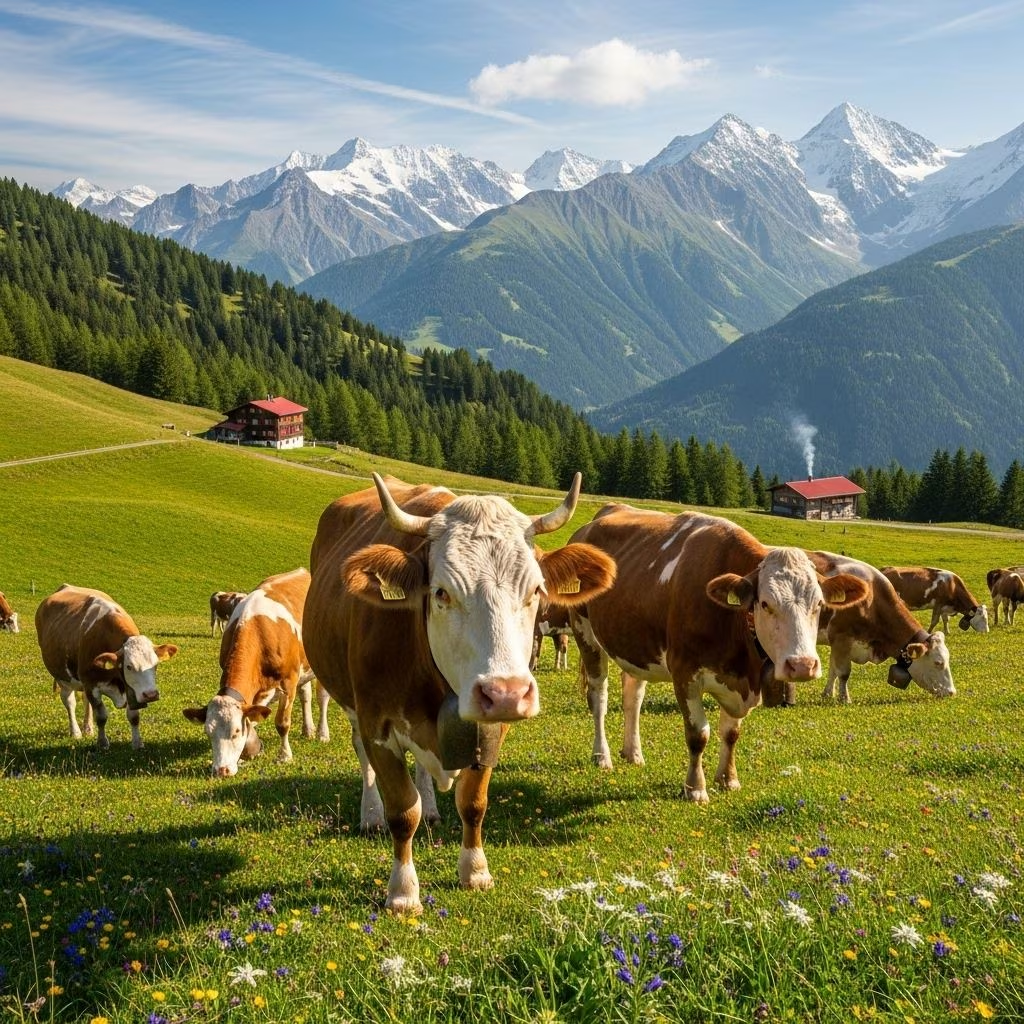
Switzerland’s High Cow Culture: Guardians of Alpine Tradition
In the Berner Oberland region of Switzerland, the annual cycle of cattle culture is both a vital part of daily rural life and a vibrant piece of living heritage. From spring ascents to high alpine pastures to the colorful autumn parades as cattle return to the valleys, Switzerland’s cow culture is marked by traditions, communal celebrations, and enduring bonds between people, their land, and their animals.
Alpine Cattle Farming: A Way of Life
Every year, around late spring or midsummer, Swiss cow farmers lead their livestock up into elevated pastures known as Alpen (alpages in French). Here, the cows graze for about 100 days, sometimes at altitudes that vary by thousands of feet as farmers follow the optimal grazing zones. The tradition is not just practical, but a deeply rooted cultural statement: farmers often forgo easier, more profitable livelihoods in favor of keeping ancient practices alive, supported by governmental subsidies that help them balance heritage and sustainability.
- Elevation changes: Cows move vertically up to 5,000 feet or more throughout the season, maximizing access to fresh and nutrient-rich grasses.
- Seasonality: The migration is dictated by the seasons, with farmers and animals moving together as they’ve done for centuries.
- Subsidies & lifestyle: Many farmers break even at best, relying on about $5,000 per cow annually in government support, which is as much geared toward tourism value as it is toward agricultural output.
- Tradition over profit: The commitment to this way of life is a conscious choice, preserving local customs and stunning mountain landscapes for future generations.
Ceremonial Cow Bells: Symbolism, Craft, and Sound
A distinctive feature of Swiss Alpine cattle culture is the use of elaborate cow bells. At the start of summer, farmers fasten large ceremonial bells—sometimes weighing upward of 10 pounds and costing over $2,000 apiece—around their cattle’s necks. These bells are both an investment and an emblem of pride. Once the cows reach the alpine huts, these ceremonial bells are hung under the eaves, replaced by more practical versions for everyday grazing.
- Bells as status: The size and decoration of a cow’s bell often reflect its importance within the herd and the farmer’s reputation in the community.
- Craftsmanship: Bell making is a highly respected trade, with intricate designs and hand-stitched leather straps adding to their value.
- Functionality: Practical bells help locate animals in vast alpine meadows, while ornate bells symbolize the annual festivities and communal spirit.
The Symbolic Power of Bells in Swiss Culture
Cow bells represent both practical utility and festive pride. In some mountain communities, the largest bells go to the most productive cows or those leading the herd—an acknowledgement of both animal achievement and the owner’s dedication. Bells are passed down through families, becoming cherished heirlooms and markers of local identity.
Alpine Pastures: Nature and Nurture in the Berner Oberland
The Alpen pastures are the heart of Swiss mountain agriculture. These high-altitude meadows host not only cows, but also sheep, goats, and even alpacas, supporting traditional transhumance practices—seasonal movement of livestock between lowland and alpine grazing zones,. Archaeological evidence suggests this system existed in the Alps as far back as 3000 BCE.
- Biodiversity: The alpine pastures support a unique mix of plant species, which impart distinctive flavors to the milk and cheese produced there.
- Cheese making: Farmers use alpine milk to create iconic Swiss cheeses (such as Berner Alpkäse), distributed among herdsmen at season’s end.
- Community: Alpine huts and stables are social hubs where farmers share meals, traditions, and stories.
The Colorful Autumn Descent: Cow Parades and Local Festivals
As summer wanes, the spectacular tradition known as cattle descent or Alpabfahrt (German), désalpe (French), takes center stage. Between mid-August and mid-September, herds return to valley farms in parades marked by vivid decorations and communal celebrations,.
- Festive cow crowns: Each cow chosen for distinction wears a hand-crafted crown of seasonal flowers, twigs, and sometimes even tissue blossoms to reduce weight. The animals honored this way are often those who provided the most milk or led the herd.
- Decorations: Beyond flower crowns, cows may sport crosses, wooden panels, or even upside-down milking stools, varying widely by region and farm.
- Parade ambiance: Villages come alive with market stalls, music (including yodeling and alphorns), traditional costumes, and local crafts. Culinary offerings abound, from cheeses to regional specialties, embodying the valley’s agricultural bounty.
- Cheese distribution: Some areas hold ceremonies to allocate the season’s cheese among herdsmen, underscoring the collective spirit and fair sharing among participants.
Cultural Roots of the Cattle Homecoming
The homecoming tradition is a mix of gratitude (for a season without mishap) and community pride. Originally a simple thanksgiving, it evolved into a formalized, highly anticipated festival. The parade not only marks the changing of the seasons, but also serves as a tourist draw and an affirmation of rural Swiss identity.
Cows as Swiss Symbols: Heritage, Identity, and National Pride
In Switzerland, cows are far more than farm animals—they are icons of national identity, beloved by locals and visitors alike. Images of cows adorn souvenirs, advertisements, and public art, embodying Switzerland’s connection to its agricultural past.
- Historical significance: Cows have been tied to Swiss history for centuries, playing roles in foundational events like the Battle of Sempach in 1386, where the cow symbolized resistance and unity.
- National associations: While Switzerland lacks an official national animal, the cow consistently ranks among the most cherished and culturally resonant beasts (alongside the St Bernard, marmot, and ibex).
- Popular affection: For many Swiss, cows evoke nostalgia—memories of childhood, mountain adventures, and chalet visits.
Traditional songs such as ‘Lyoba’ (sometimes called ‘Ranz des Vaches’) reflect the emotional bond Swiss people hold with cows and mountain landscapes.
Economic Realities: Tourism, Cheese, and Subsidies
Despite the romantic imagery, most Alpine cow farmers face economic challenges. Cheese production often only covers basic costs, making government subsidies crucial not only for sustaining farm families, but also for preserving the traditions that attract visitors worldwide.
| Aspect | Description |
|---|---|
| Government support | About $5,000 per cow per year, balancing economic and tourism goals |
| Tourist draw | Alpine cow culture is central to the Swiss rural image marketed globally |
| Cheese economy | Cheese produced in Alpine huts is often allocated among herdsmen at autumn festivals |
| Challenges | Many farmers could earn more elsewhere but choose tradition for family and community |
Preserving Traditions: The Modern Importance of Cow Culture
Swiss cow culture is actively sustained and promoted through official programs, holiday celebrations, and international outreach. The cows, their bells, and their flower wreaths are potent symbols that help preserve the nation’s intangible cultural heritage. Alpine rituals and festivals are leveraged both for local pride and to draw tourists who marvel at these rural spectacles.
- Craftsmanship: Bell-making, crown-making, and cheese-making skills are passed down from generation to generation.
- Community engagement: Young people join older family members for the ceremonial drives, parades, and cheese sharing.
- Modern adaptation: Some farmers are diversifying, welcoming tourists into alpine huts and teaching about traditional farming methods.
Frequently Asked Questions (FAQs)
Q: When do Swiss cows descend from the mountains?
A: Cattle descent, or Alpabfahrt/désalpe, typically occurs from mid-August to mid-September, marking the end of the mountain grazing season and the return to valley farms.
Q: Why do Swiss cows wear flower crowns and large bells?
A: Flower crowns and ornate bells are part of the celebratory rituals associated with the autumn descent. They honor the cows who led the herd or provided the most milk, and are a source of pride for the farmers.
Q: What is the significance of cows in Swiss culture?
A: Cows symbolize Swiss rural life, history, and identity. They feature prominently in national celebrations, folklore, and nostalgic imagery, representing a deep-seated connection to land and heritage.
Q: How are Alpine pastures different from lowland farms?
A: Alpine pastures are high-altitude meadows with rich biodiversity, providing unique grasses that create distinctive milk and cheese flavors. Farming here relies on seasonal migration and traditional methods.
Q: Are Swiss farming traditions at risk?
A: Economic pressures challenge Alpine farming, but government subsidies, tourism, and a strong sense of local identity help sustain these practices. Community events and international interest are also vital to their survival.
Living Heritage: The Enduring Allure of Berner Oberland Cow Culture
The cow culture of Switzerland’s Berner Oberland is far more than an agricultural routine—it is a living, breathing testament to the Swiss commitment to tradition, nature, community, and identity. Through flower-crowned parades, bell-ringing ascents, and communal cheese-sharing, locals and visitors alike are invited into a world where the past is celebrated and the future is nurtured on the open slopes and in the villages of the Alpine heartland.
References
- https://observingleslie.com/magazine/the-history-and-future-of-switzerlands-annual-autumn-cow-parade
- https://www.ricksteves.com/watch-read-listen/read/articles/the-cow-culture-of-switzerlands-berner-oberland
- https://www.myswitzerland.com/en-us/experiences/summer-autumn/autumn/cattle-descent-from-alpine-pastures/
- http://houseofswitzerland.org/swissstories/society/switzerlands-iconic-cow
- https://www.aboutswitzerland.eda.admin.ch/en/the-herens-queen-of-the-cows
- https://www.internationalschoolparent.com/articles/cows-crowns-and-culinary-delights-experience-the-apline-cattle-descent/