Slowing Down in Sleepy Salema: Portugal’s Timeless Seaside Retreat
Nestled on the sun-drenched southern coast of Portugal, Salema represents a rare fragment of the authentic Algarve—a place where the rhythm of the ocean and the echoes of traditional fishing culture blend seamlessly with gentle waves of tourism. While much of the region has succumbed to development and the demands of modern leisure, Salema persistently guards its powder-fine sandy beach, its iconic cliffside vistas, and a local lifestyle that’s as old as the sea itself. Here, the Algarve of dreams survives—though just barely.
The Spirit of Salema: A Last Authentic Hideaway
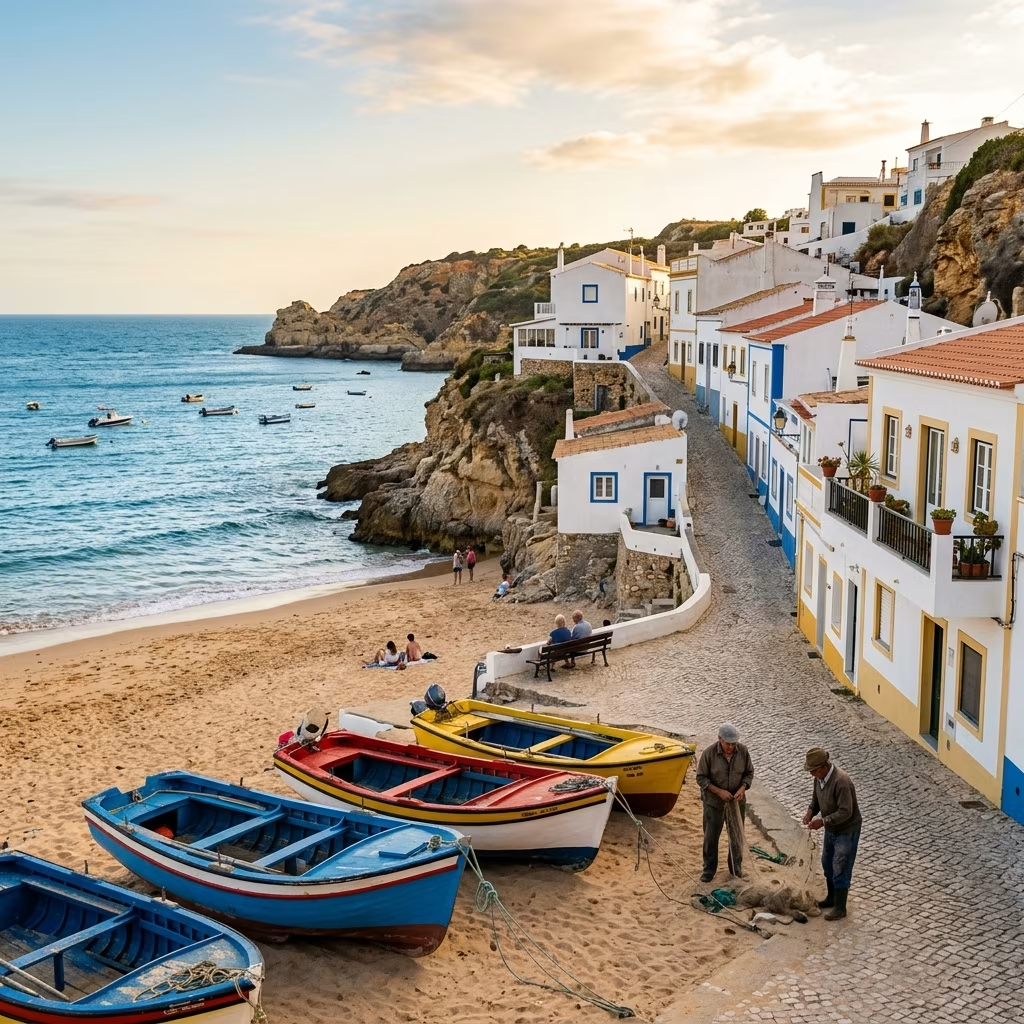
As the Algarve grows ever-popular, Salema remains a world apart. While many southern Portuguese beach towns have transformed into destinations for international retirees and vacationers residing in glamorous gated estates or hillside golf resorts, Salema retains its quaint, unhurried soul. Colorful boats share the sweeping beach with sunbathers, and weathered fishermen still cast and mend their nets on the sand. The beloved “street of fishermen”—the Rua dos Pescadores—offers a snapshot of tradition, even as the village cautiously embraces modernity.
- Broad, sandy beach with powder-like sand and steep yellow cliffs
- Minimal commercialization compared to most Algarve towns
- Blend of old whitewashed houses and modest tourist infrastructure
- Easy access by bus from Lagos, yet removed from mass tourism
From Fishermen’s Village to Seaside Escape
Decades ago, arriving in Salema meant driving on gravel roads and seeking a night’s stay from local widows renting out spare rooms. Today, those times are mostly gone—with government regulations and rising expectations reshaping hospitality. Yet the village’s history endures in its layout and daily life. The fishing traditions persist (though fewer engage in the trade), and the local culture remains visible through:
- Unwritten local customs: Families hold claim to their own stretches of undersea territory, and pottery jars—octopus traps—dot the beach.
- Daily rituals: Tractors haul fishing boats at dawn and dusk, and old-timers socialize in the shade, arm-wrestling octopi from jars and swapping tales.
- Resident-tourist harmony: Locals and visitors share the beach, where British and German sunseekers lounge, children play in gentle surf, and dogs roam freely.
Salema’s Split Personality
Salema has evolved into a village of two halves:
| Old Town (Resident) | Tourist District |
|---|---|
| Whitewashed cottages housing local families | Modern hotels, time-shares, condos, and rental apartments |
| Traditional lifestyles, daily fishing activity | International cuisine, English/German menus |
| Simple, authentic tavernas (some family-run) | Beachside bars, seasonal waterfront restaurants |
This balance is fragile but genuine—a dance of peaceful coexistence that preserves the village’s spirit.
The Beach: Salema’s Crowning Glory
Salema Beach stretches luxuriously along the coast, framed by dramatic cliffs and washed by Atlantic waves. The sand here is finer and softer than on most European beaches, and—especially outside July and August—the crowds are light, leaving mornings and evenings quiet for walks and contemplation.
- Long, broad sandy strand ideal for swimmers, families, joggers, and shell collectors
- Beach rules are relaxed, with occasional topless sunbathing and semi-private coves for more risqué relaxation
- Seasonal lifeguard service and color-coded flags for swimmer safety, especially around beachside establishments
Each winter, locals anxiously watch the waves erode sections of the beach, then hope the sands return with the spring tide—a metaphor for the village’s resilience.
Cuisine: Seafood, Cataplana, and Local Flavors
Salema’s food is inseparable from its culture, with octopus, sardines, and cataplana (the region’s hearty seafood stew) starring in hole-in-the-wall eateries and family-run tavernas. The former fishermen’s hut (once the site of lively auctions) now functions as a gathering spot, and beachside restaurants like Atlântico offer both sustenance and shelter. For visitors, these establishments provide:
- Fresh catches turned into traditional dishes—always changing with the day’s haul
- Rustic interiors, communal tables, and steamy pots of cataplana
- Simple quartros (rooms) above main street eateries, often with ocean views
The tradition of serving what’s caught—often with local wine—is as strong as ever, and meals are often followed by conversations with locals and the slow savoring of a sunset.
Accommodations: Quartos and Quaint Retreats
While big resorts dot the inland hills, Salema’s accommodations reflect its scale and character. Along the main street and tucked among quiet lanes, quartos (private rooms for rent) offer a taste of the old travel style: straightforward, friendly, and affordable.
- Simple rooms often with private showers and springy beds
- Panoramic views of the Atlantic or village rooftops
- Family-owned guesthouses and boutique inns—some part of Salema for generations
Tourism provides vital income, supporting local families and helping maintain the town’s folksy charm. The slow migration toward fancier accommodations is felt, but small, authentic lodgings still anchor Salema’s sense of place.
Leisure and Everyday Life
To visit Salema is to slow your pace. The town’s sleepy beauty is a seduction that quietly unravels itinerary-driven plans. Days drift into evenings highlighted by simple pleasures:
- A glass of white wine sipped on the promenade, watching the sun slip behind cliffs
- Withered women shelling almonds with a railroad spike as they have for decades
- Men fishing from the rocks with improbably long poles, seeking elusive catches
- Dogs roaming as guardians of the beach—unbothered by schedules or crowds
The beachside bar draws small gatherings where laughter, port, and olive pits form the soundtrack. From here, Cape Sagres is visible—a reminder that, five centuries earlier, this was the fabled “edge of the world.” For some, it still feels that way.
Practical Travel Tips: Making the Most of Salema
- Getting There: Salema is an easy 15-mile bus ride from the Lagos train station, with regular connections during the main season.
- Best Time to Visit: Late spring and early autumn are recommended for fewer crowds and pleasant weather.
- Beach Access: Wide promenade and gentle slopes allow easy reach for families and less-mobile visitors.
- Language: English and German are commonly spoken in tourist venues; Portuguese is prevalent in residential areas.
- Dining: Try seafood stews, grilled fish, and local wines along the beach or at traditional tavernas inland.
Preserving Salema’s Character: Economy and Challenges
Salema’s reliance on tourism is a double-edged sword—supporting local livelihoods but also nudging the town toward change. Regulatory reforms have made room rental less common, and economic downturns have cast uncertainty on future prospects. Nevertheless, the essentials remain:
- Fishing as a persistent, though shrinking, way of life
- Tourist-based businesses supporting residents—from restaurants to quartros
- Efforts by restaurateurs to guarantee lifeguarding and beach safety during summer
- A delicate ‘policy of peaceful coexistence’ between locals and visitors
The struggle for identity and survival continues, with hopes pinned on the annual return of both the sand and tourists who appreciate slow beauty and sincere hospitality.
Nearby Attractions: Cape Sagres and the Edge of Europe
Just beyond Salema lies Cape Sagres and Cape St. Vincent, dramatic outposts marking Portugal’s southern tip. These sites offer:
- Stunning ocean vistas once considered the horizon of the known world
- The historic lighthouse at Cape St. Vincent, sometimes accessible via impromptu tours
- Tranquil walks and spectacular sunsets, best experienced after a day in Salema
Adventurous visitors may walk or drive to these sites, tracing the footsteps of explorers while marveling at rugged coastline and the wildness of the Atlantic.
Frequently Asked Questions (FAQs)
Q: How do I book a room in Salema?
A: Most quartros and guesthouses accept bookings online or by phone—although some family-run accommodations may require inquiries in person, especially outside summer.
Q: Is Salema suitable for families?
A: Yes, Salema’s calm beach, safe swimming zones, and laid-back atmosphere attract families with children as well as solo travelers and couples.
Q: What is the best time to visit Salema?
A: The optimal seasons are late spring and early fall, when the weather is pleasant and the beach is uncrowded. Summer sees more visitors but is still less hectic than larger Algarve towns.
Q: Are there still traditional fishing activities?
A: Fishing persists—though fewer locals rely on it now. You’ll witness early-morning boat launches, net mending, and traditional octopus trapping, especially on the old town side.
Q: Can you swim safely at the beach?
A: Yes. During summer, beachside restaurants often fund lifeguards and a flag warning system. Offseason swimming is common but always check surf conditions.
Experience Salema: The Algarve’s Quiet Treasure
For those seeking the lingering flavors of old Portugal—where time stretches with the tides and the gathering dusk brings reflections rather than rush—Salema is an invitation to slow down, savor, and connect. Whether you come for the sun, the seafood, or the soulful peace, Salema welcomes you as it has travelers for generations: simply, sincerely, and with open arms.
References
- https://www.youtube.com/watch?v=CG2oynM-6Pk
- https://blog.ricksteves.com/blog/portugals-sunny-salema%E2%80%AF/
- https://www.ricksteves.com/watch-read-listen/read/articles/salema-portugal
- https://blog.ricksteves.com/blog/tag/salema/
- https://blog.ricksteves.com/blog/salema-my-favorite-stretch-of-portugals-algarve/
- https://community.ricksteves.com/travel-forum/portugal/is-salema-worth-the-trip
- https://www.arcamax.com/homeandleisure/travel/ricksteves/s-2703857?print