Essential Travel Tips: A Comprehensive Guide Inspired by Rick Steves
Traveling provides some of life’s most enriching moments, but it also requires smart planning and a flexible mindset. Drawing inspiration from Rick Steves’ extensive experience and renowned expertise, this detailed guide brings together the core travel advice you need to make every journey rewarding, efficient, and authentically memorable.
Getting Organized Before Your Trip
Efficient organization before departure sets the tone for your entire journey. Rick Steves advocates a proactive approach, emphasizing:
- Create a streamlined itinerary with flexibility. Highlight major destinations and pre-book accommodation for arrival nights, leaving room for spontaneous discoveries.
- Gather essential documents: passport (valid 6+ months from return date), tickets, insurance, and digital as well as paper copies of critical information.
- Download key travel apps for navigation, translation, booking, and emergency contacts.
- Share your travel plans with family or friends for peace of mind and emergency readiness.
- Check for visa requirements and health guidelines specific to your destination.
Savvy organization means being prepared for challenges while leaving the door open for unexpected joys.
Packing Light: Freedom and Mobility
One of Rick Steves’ fundamental mantras is to pack light. Travelers who master this skill enjoy unmatched freedom and a stress-free journey. Here’s how to adopt his approach:
- Use a carry-on-sized bag (usually 9 x 22 x 14 inches). This is ideal for maneuvering through airports, public transit, and pedestrian areas in European cities, where cars are often restricted near city centers.
- Prioritize versatile clothing: Choose items that can be mixed, matched, and layered. Neutral colors, wrinkle-resistant fabrics, and multi-purpose pieces minimize your packing list.
- Scrutinize each item: Ask yourself if every item justifies the effort of carrying it. Eliminate “just in case” extras.
- Limit shoes to 2 pairs: One comfortable walking pair, and one slightly dressier but still comfortable option.
- Minimize toiletries. Most essentials are widely available across Europe. Bring travel-sized versions and refill as you go.
Packing light directly translates to flexibility. It’s easier to hop on trains, walk cobblestone streets, and adapt plans, all with less physical and mental burden.
Staying Healthy on the Road
Your health is your foundation while traveling. Rick Steves offers practical steps to keep wellness a priority:
- Stay hydrated: Carry a refillable water bottle and know where to safely drink tap water.
- Pack essential medications and copies of prescriptions, especially for chronic conditions.
- Have health insurance coverage that applies abroad. Bring proof of insurance and understand the process for obtaining care in your destination.
- Adopt basic hygiene practices: Hand sanitizer and regular hand washing reduce your risk of illness.
- Listen to your body: Don’t push yourself to exhaustion. Build in rest days and recognize signs of jet lag or dehydration.
Many countries offer quality urgent care for minor health issues, but preparation helps you avoid interruptions and ensures prompt care if needed.
Living Like a Temporary Local
To truly absorb another culture, Rick Steves recommends travelers live like a temporary local. This means adopting habits that help you connect with daily life, such as:
- Stay in family-run hotels, guesthouses, and B&Bs. These offer a more personal, authentic touch than large international hotel chains.
- Shop at local markets for snacks, picnic supplies, or even souvenirs. The experience brings you closer to the local rhythm.
- Eat where locals eat: Venture beyond tourist zones to discover handwritten menus and seasonal specialties. You’ll enjoy fresh, reasonably priced food and a lively, welcoming atmosphere.
- Attend community events: Festivals, open markets, and fairs give a window into what makes a place unique.
- Learn basic phrases in the local language. Simple greetings and thank yous go a long way in building goodwill.
As Steves likes to say, living as a local keeps you closer to the culture you came to experience.
Timing Your Visits and Avoiding Crowds
Visiting popular attractions often comes with heavy crowds, especially in peak seasons. Rick Steves’ strategy:
- Arrive early or late: Be the first in line at popular sites or take advantage of quiet evenings when group tours have left.
- Book tickets in advance whenever possible – especially for must-see sights. Skip-the-line passes are invaluable in busy cities.
- Time visits around cruise ship schedules: Ports like Santorini and Dubrovnik become crowded midday when ships dock, so plan visits in the early morning or late afternoon.
- Travel off-season (shoulder months like May, September, or October) for better prices and manageable crowds.
- Seek alternative attractions: Sometimes stepping a few blocks away uncovers equally impressive but less trafficked gems.
With a little planning, you avoid stress and enjoy a deeper experience—even at the world’s most treasured sights.
Stepping Outside Your Comfort Zone
One of travel’s great powers is encouraging us to embrace the unknown. Rick Steves advises you to:
- Skip tourist traps: Go beyond well-trodden areas to discover unique eateries, campuses, or cultural institutions.
- Engage with locals in real settings—take a meal at a university cafeteria, join in neighborhood festivals, or simply strike up a conversation at a bar.
- Embrace the unexpected: If you stumble upon a street performance or village parade, pause and immerse yourself.
- Be adaptive: Stay flexible if weather, events, or new friends adjust your course. Some of the best experiences are unplanned.
- Try new foods: Say yes to unfamiliar dishes and drinks. Every bite is an opportunity to connect with place and people.
Leaving your comfort zone leads to stories and connections you will remember long after returning home.
Transportation: Trains, Cars, and Urban Mobility
Getting around efficiently is a cornerstone of successful travel. Rick Steves shares insights into transportation logistics in Europe and beyond:
- Europe’s rail network is extensive and reliable. Trains are often the fastest and most scenic way to travel between cities.
- Consider rail passes if taking multiple long-distance trips. Otherwise, point-to-point tickets are usually best for shorter stays.
- Car rentals are ideal for rural regions and small towns, but avoid driving in big cities where parking is scarce and transit is efficient.
- Public transportation within cities (metros, buses, trams) is generally safe, affordable, and reaches most major sites.
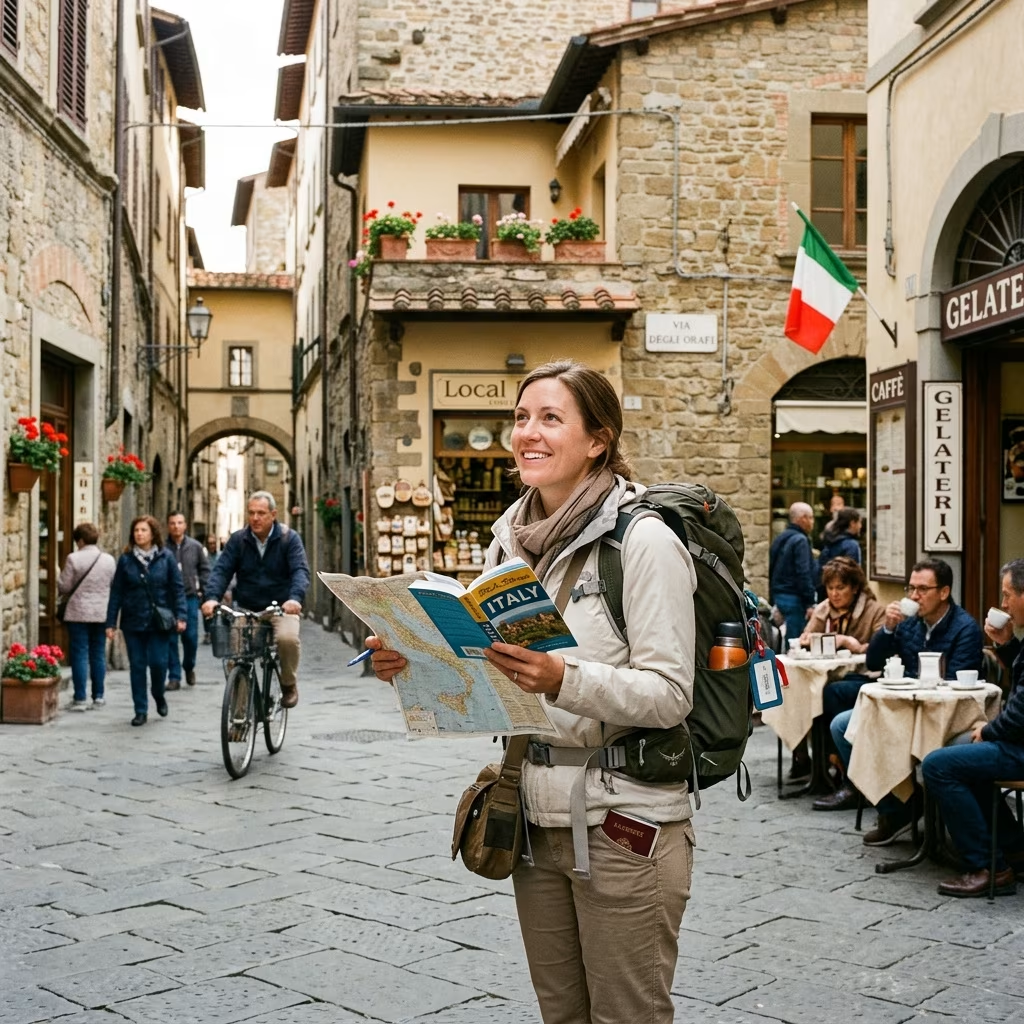
- Be prepared to walk: Many European city centers are pedestrian-friendly, and distances between major sites are best covered on foot.
Travel infrastructure in many destinations is well designed for both comfort and efficiency, allowing you to maximize time spent exploring.
Money Matters: Currency and Smart Spending
Financial savvy keeps you secure and helps stretch your travel budget further. Rick Steves’ money management suggestions include:
- Use ATMs for the best conversion rates. Withdraw local currency in moderate sums to minimize fees while reducing the risk of loss or theft.
- Inform your bank of your travel plans to avoid card freezes. Carry at least two credit/debit cards in case of malfunction.
- Avoid exchanging cash at airports or hotels, where rates are unfavorable.
- Choose cards with no foreign transaction fees for significant savings on purchases abroad.
- Be mindful of pickpocketing in crowded areas. Use a money belt or hidden pouch for valuables.
Smart money habits let you focus on experiences, not expenses.
Safety, Security, and Staying Connected
While travel is inherently safe, following a few practical rules will help protect you and your belongings:
- Stay alert in tourist areas. Petty theft is the most common risk.
- Use a crossbody bag with zippers or hidden pockets to deter pickpockets.
- Always carry copies of important documents (passport, insurance, credit cards), stored separately from the originals.
- Keep emergency contacts and embassy details accessible, digitally and in print.
- Stay connected: Consider a local SIM card, global roaming plan, or portable Wi-Fi for maps, translation, and communication.
Preparedness enhances peace of mind, allowing you to enjoy every moment more fully.
Frequently Asked Questions (FAQs)
Q: What is the biggest travel mistake first-timers make?
A: Overpacking is the most common rookie mistake. Trust that you can buy what you need along the way and enjoy the freedom of traveling light.
Q: How can I save money on accommodation?
A: Book small, family-run lodgings, explore hostels, or rent short-term apartments. These options provide more value and a deeper connection with local culture.
Q: What’s the best way to avoid lines at major attractions?
A: Visit at off-peak hours (early morning or late afternoon) and reserve timed-entry tickets in advance when possible.
Q: Is it safe to travel solo in Europe?
A: Yes, Europe is generally safe, but take usual precautions: stay aware, secure your belongings, and share your plans with someone you trust.
Q: How can I meet locals while traveling?
A: Attend local events, participate in group walking tours or classes, dine at neighborhood restaurants, and be open to conversations in communal spaces.
Final Thoughts
Travel is about more than seeing new places—it’s about engaging, learning, and growing. By organizing well, packing light, seeking real experiences, and staying prepared, you’ll discover that the world is both more accessible and more rewarding than you imagined. Bon voyage!
References
- https://www.islands.com/1498214/best-travel-tips-learned-rick-steves/
- https://www.ricksteves.com/watch-read-listen/video/tv-show/european-travel-skills-part-1
- https://www.youtube.com/watch?v=58HdRSTAFec
- https://www.youtube.com/watch?v=oz4Dt3jnB-c
- https://www.ricksteves.com/travel-tips/trip-planning/travel-checklist
- https://www.ricksteves.com/travel-tips
- https://www.ricksteves.com/travel-tips/trip-planning
- https://community.ricksteves.com/travel-forum/general-europe/tips-for-total-novice-travellers
- https://www.youtube.com/playlist?list=PL1OajwstW05Hlp6Le5OgA1yZ9QEyxfBnJ
- https://www.ricksteves.com/travel-tips/money/thrifty-50-tips