Andorra: Not Lost in the Pyrenees
Tucked high in the rugged heart of the Pyrenees, Andorra is a realm that has, for centuries, mastered the art of reinvention. Once famed as a haven for smugglers shuttling goods across mountainous borders, this microcountry has evolved into a modern crossroads where duty-free shopping, Alpine adventure, and stone-clad medieval villages vie for travelers’ attention. While the retail bargains that once defined Andorra are vanishing, the nation now beckons as a year-round magnet for outdoor enthusiasts and those seeking a taste of Pyrenean heritage.
The Changing Face of Andorra la Vella
The journey often begins in Andorra la Vella, the capital and largest city. Decades ago, Rick Steves described it as a “big Spanish-speaking Radio Shack,” dominated by banks, electronics outlets, jewelry stores, and fur shops lining its compact streets. While the surfaces have been polished and modernized, the commercial pulse remains—a legacy of the country’s past as a beacon for bargain hunters from both Spain and France.
Since adopting the euro and introducing a modest sales tax, Andorra’s prices no longer undercut its bigger neighbors as dramatically as before. The pressures of online shopping have further dulled its edge as Europe’s shopping cart. Anticipating this shift, the nation has wisely pivoted, aiming to draw visitors for much more than a day trip of duty-free deals.
From Retail Hub to Adventure Playground
- Duty-free prices have diminished, but Andorra’s natural assets are now in the spotlight.
- The country is investing in a reputation as a premier year-round destination for outdoor sports and high-altitude adventure.
The Outdoor Allure: Skiing and Beyond
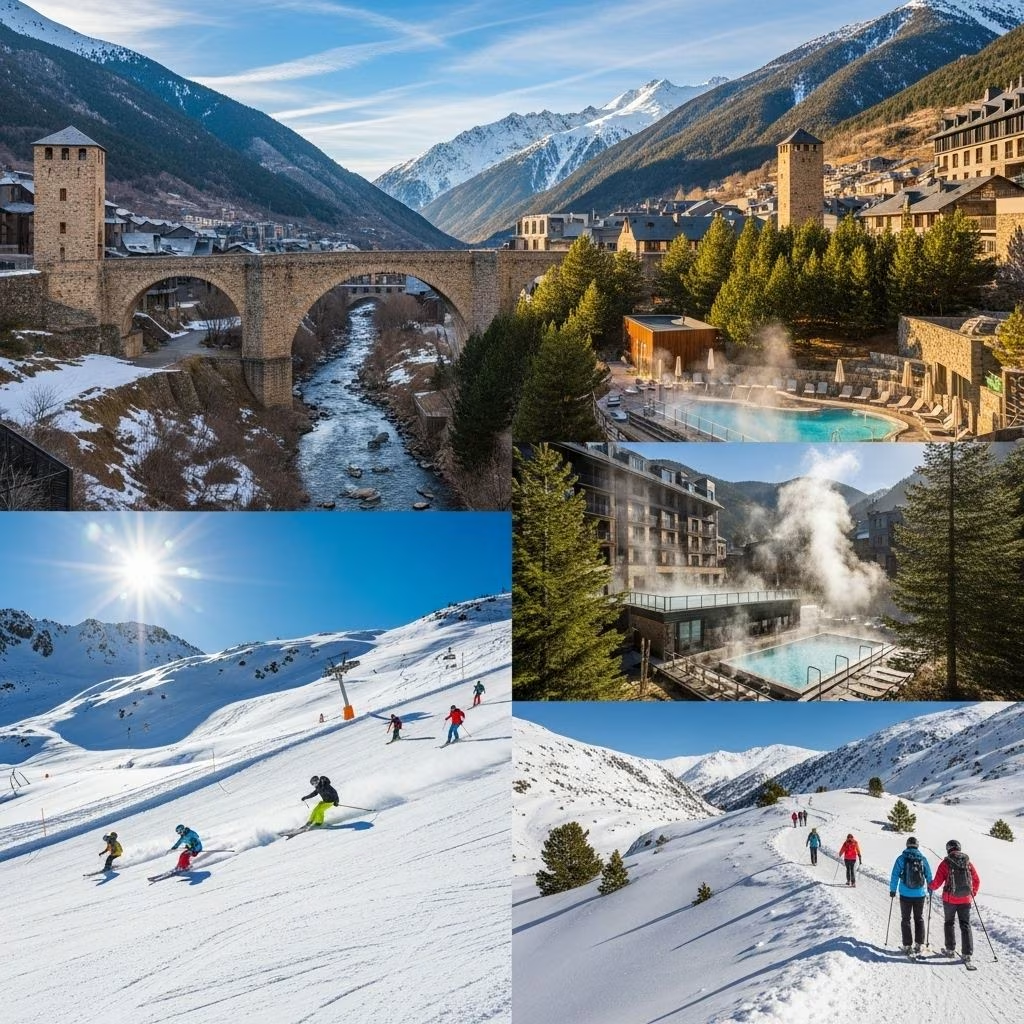
Few places condense so much terrain into so little space: Andorra is just about 13 by 13 miles, yet it’s laced with valleys and peaks boasting world-class slopes. The country is home to two main ski areas:
- Grandvalira: The flagship of Andorra’s ski resorts, offering over 140 slopes and centered on the lively alpine town of Pas de la Casa. It caters to everyone from beginners, with tailored lessons, to thrill-seeking experts drawn to challenging black runs. Beyond skiing, activities like snow tubing, dog mushing, and snowmobiling punctuate the winter scene.
- Vallnord: Dominated by the Pal and Arinsal resorts, this zone exudes a quieter atmosphere, perfect for families and less-experienced skiers. The gentle pistes and focus on safety have cemented its appeal to novices and visitors seeking an escape from crowds.
Andorra’s ski season is famously long, but the nation refuses to be defined by winter. The moment the snow melts, hikers, bikers, and climbers flock to the high valleys. Trails weave across wildflower meadows, up to panoramic ridges, and through forests rich with the call of mountain wildlife. It’s a multi-season hub for nature lovers, whether drawn by the thrill of a downhill run or the serenity of a summer trek.
Wellness in the Mountains: Caldea Spa and Thermal Baths
For all its vigor, Andorra also excels at relaxation. The Caldea Spa, an 18-floor glass marvel shimmering above the capital, is fed by local thermal springs and stands as the tallest structure in the nation. Adventure-weary travelers descend here to soak, steam, and unwind amid bubbling waters—an experience that blends futuristic design with ancient tradition. The spa’s popularity has inspired others across the country, making Andorra an unexpected hotspot for wellness tourism.
Stone Villages, Romanesque Churches, and Timeless Pyrenean Heritage
Venture beyond the bustle of Andorra la Vella and you’re quickly swept into a different world—one of stone-built villages wedged into high, green valleys. The buildings, with their slate roofs and sturdy walls, blend seamlessly into the dramatic mountains. Here, the past lingers in tangible ways:
- 12th-century Romanesque churches, distinguished by slender bell towers and centuries-old frescoes.
- Clusters of homes where traditions run deep, from handcrafts to folk festivals rooted in the rhythms of the land.
These rural enclaves reflect a time when Pyrenean isolation fostered a distinct culture—one that is proudly preserved in the face of modernity. Stone and mountain are inseparable, and Andorra’s villages stand as living museums to both resilience and adaptation.
Andorran Cuisine: Barbecue, Trout, and Snails with a Twist
Food in Andorra is honest, hearty, and suffused with local character. Grilled meats dominate the culinary landscape, a legacy of both necessity and celebration:
- Local trout, caught in swift mountain streams, is grilled over open fires and finished with regional herbs.
- Beef and lamb gain their flavor from alpine pastures and are prepared with rustic simplicity.
- Perhaps most distinct are the snails, a favorite delicacy. In a culinary quirk, these are often fattened on thyme prior to cooking—an herbal touch that enhances their taste and ties the dish to the surrounding wild slopes.
As tourism grows, Andorran gastronomy has emerged as an attraction in itself. Traditional barbecues are now events, drawing visitors eager to sample Pyrenean fare with a modern twist in atmospheric, family-run restaurants.
Sample Traditional Andorran Dinner Menu:
| Starter | Main Course | Side | Dessert |
|---|---|---|---|
| Grilled local snails with thyme | Charcoal-grilled trout or beef | Seasonal vegetables | Catalan cream |
Andorra’s Unique Identity: Straddling Borders and Histories
Beyond its physical terrain, Andorra occupies a singular position as a relic of Europe’s tangled medieval past. In the 13th century, disputes among French and Spanish noble families led to an agreement: Andorra would exist not as a spoil of ongoing feud, but as a neutral buffer state, governed in tandem by the Bishop of Urgell (in Spain) and the French head of state. This co-principality arrangement endures today, making Andorra perhaps the only country ruled by both a bishop and a president.
- Modern Andorra claims political independence, yet remains culturally intertwined with neighboring Catalonia and France.
- The local language is Catalan, but Spanish, French, and Portuguese are widely heard, reflecting centuries of international influence.
This blend is most visible in everyday life—from the food, to the festivals, to the signage lining city streets. For many, Andorra’s greatest charm is precisely this sense of being in-between—at once distinct and familiar, both rooted and open to the world.
Recreation for All Seasons: What to Do in Andorra
- Shopping: Duty-free stores still abound, selling everything from high-end watches and jewelry to sports equipment and electronics. While the price lure is fading, the variety is vast.
- Hiking and Nature: Extensive networks of marked trails explore valleys and peaks, suitable for all levels.
- Skiing and Snowboarding: Modern resorts with reliable snow, extensive runs, and lively après-ski scenes.
- Spa and Wellness: Thermal baths, massages, and wellness treatments provide respite year-round.
- Cultural Sites: Romanesque churches, ethnographic museums, and village festivals showcase the Pyrenean soul of Andorra.
Tips for Visiting Andorra
- Best Time to Visit: Winter for skiing (December–April); summer for hiking and festivals (June–September).
- Transportation: Most visitors arrive by road from Spain or France. Public buses connect the main towns; having a car broadens access to rural valleys.
- Accommodation: A range from budget B&Bs to luxury hotels, especially clustered in ski areas and Andorra la Vella.
- Currency: The euro is the official currency.
Andorra Compared to Other European Micro-Countries
| Country | Location | Main Attractions | Official Language(s) | Special Feature |
|---|---|---|---|---|
| Andorra | Pyrenees (between Spain & France) | Skiing, shopping, Romanesque churches | Catalan | Co-principality governance |
| Monaco | Mediterranean coast (France) | Casino, Formula 1, luxury | French | Tax haven & glamorous resorts |
| Liechtenstein | Alps (between Switzerland & Austria) | Castles, hiking | German | Princely rule |
| San Marino | Italian peninsula | Medieval old town, towers | Italian | World’s oldest republic |
| Vatican City | Rome, Italy | St. Peter’s Basilica, papal seat | Italian, Latin | Smallest country, spiritual center |
Frequently Asked Questions (FAQs)
Q: Is Andorra part of the European Union?
A: No, Andorra is not an EU member, but it uses the euro and has close ties to both Spain and France.
Q: What languages are spoken in Andorra?
A: Catalan is the official language. Spanish, French, and Portuguese are also commonly spoken.
Q: Do I need a visa to enter Andorra?
A: Andorra has no airport or border crossing of its own; travelers enter via Spain or France, following those countries’ Schengen visa policies. No visa is required for Andorra itself, but you may need one for Spain or France.
Q: What is the best way to get around Andorra?
A: Local buses serve the main towns, but renting a car is recommended for exploring the countryside and less accessible valleys.
Q: Can I still shop duty-free in Andorra?
A: Yes, duty-free shopping remains, but the savings are much less dramatic compared to decades past due to introduction of sales taxes and EU pressure on price differences.
Q: What is traditional Andorran cuisine like?
A: Expect hearty mountain fare—grilled meats, local trout, and rich Catalan-inspired desserts, often enjoyed by the fireside.
Q: Are there cultural events or festivals worth seeing?
A: Yes. Seasonal festivals in the villages, often with music, dance, and traditional costumes, are a highlight, especially in summer and around major religious holidays.
References
- https://www.youtube.com/watch?v=B10DiNXmFQM
- https://www.islands.com/1741222/rick-steves-europe-country-andorra-charm-giant-shopping-mall/
- https://community.ricksteves.com/travel-forum/general-europe/andorra-information-needed
- https://www.ricksteves.com/travel-tips/travel-classes/monday-night-travel/little-europe
- https://www.ricksteves.com/watch-read-listen/read/tms/andorra-not-lost-in-the-pyrenees
- https://www.ricksteves.com/watch-read-listen/video/tv-show/little-europe
- https://blog.ricksteves.com/blog/andorra-i-go-there-so-you-wonae%E2%84%A2t-have-to/