Discovering the Heart of Tuscany: An Introduction to Tuscan Hill Towns
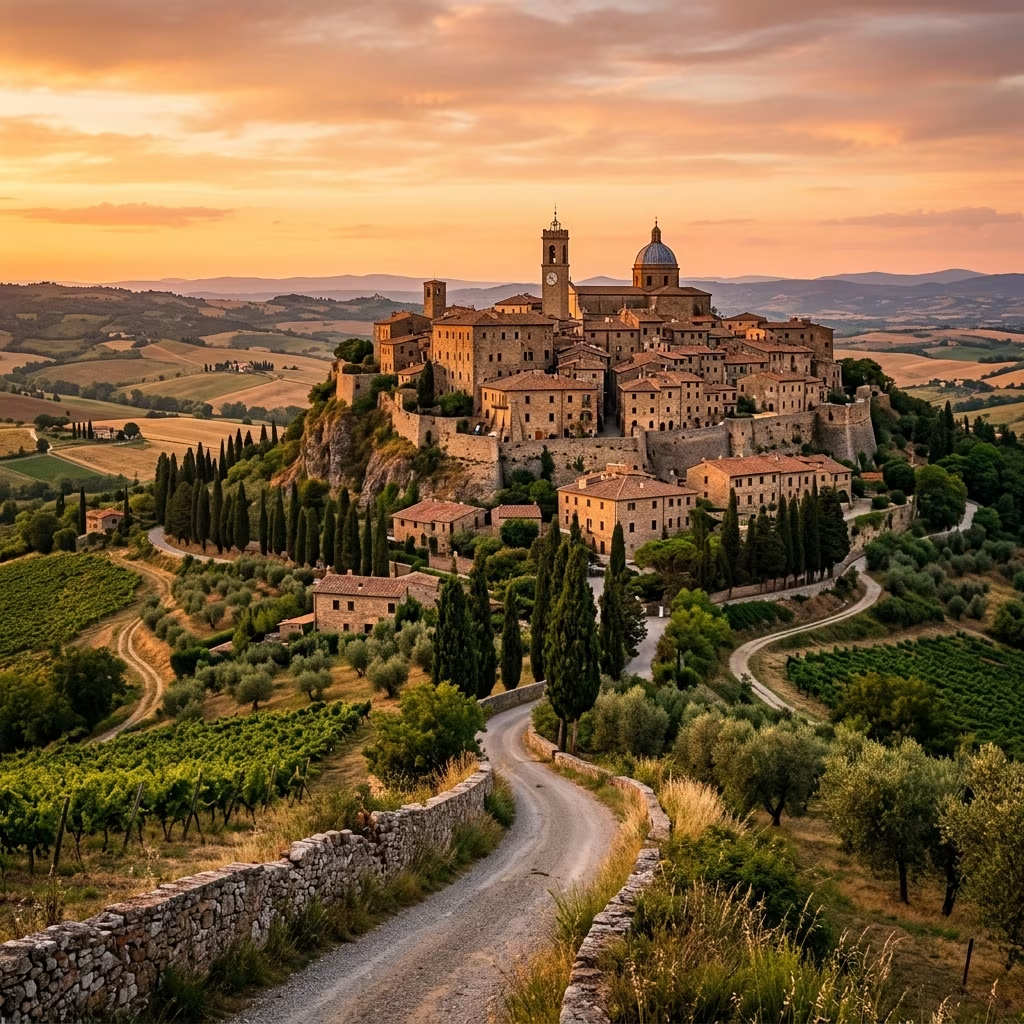
The rolling landscape of central Italy is dotted with hill towns—stone villages perched on ridges and cliffs, basking in the Tuscan sun. These towns offer a blend of medieval architecture, vibrant traditions, celebrated wines, and unparalleled vistas. For travelers in search of the quintessential Italian experience, Tuscany’s hill towns are an irresistible invitation to slow down and savor the best of Italian life.
Imagine cypress-lined drives curving past ancient villas, open squares humming with local life, and a patchwork of vineyards and olive groves gleaming in the light. The region pulses with the spirit of its people: proud, relaxed, and deeply rooted in centuries-old customs. Whether lingering over a glass of Brunello in a sunlit enoteca or exploring storied citadels, you’ll find Tuscany’s unique cadence—unhurried, delightful, and endlessly picturesque.
At a Glance: Tuscany’s Most Notable Hill Towns
- Siena: Famed for its medieval pageantry, the thrilling Palio horse races, and a breathtaking, car-free central square. Doubles as a convenient base for exploring the Crete Senesi countryside.
- Volterra: A walled town with strong Etruscan roots, slightly off the main tourist track, offering both authenticity and fascinating ancient remains.
- Montepulciano: Crowns a high ridge with panoramic views, abundant wine cellars, and a rugged character—ideal as a base for travelers with a car.
- San Gimignano: The archetype of a hill town, adorned with fourteen medieval towers; a magnet by day that becomes truly enchanting after sunset.
- Montalcino: Surrounded by olive trees and legendary vineyards, this town boasts a dramatic castle and is famous for its world-class Brunello wines.
- Pienza: A small, Renaissance-planned jewel, known for its harmonious architecture and bucolic scenery.
- Cortona: Perched above the plains, it entices with Etruscan and Renaissance treasures, as well as stunning views and a welcoming local spirit.
The Essence of Tuscan Hill Towns
What makes the Tuscan hill towns so captivating is their well-preserved mix of history, local culture, and natural beauty. Most were founded on strategic high ground in ancient times, primarily for defense. Over centuries, these settlements became fortified strongholds, thriving on autonomy and regional rivalry.
Their narrow lanes and stone buildings stand as testaments to a time when neighboring towns vied for influence, and each family guarded its own tower. This legacy created communities fiercely proud of their independence—traits that shape their character to this day. Many towns still host centuries-old festivals, where costume, competition, and civic identity blend seamlessly on medieval streets.
Traveling the Tuscan Countryside: Slow Travel, Rich Rewards
Unlike Italy’s big cities, Tuscany’s hill towns invite a slower pace. Wandering becomes both pastime and pleasure: lose yourself in atmospheric alleys, pause for a chat with locals, or simply soak in the golden-hour sunlight spilling across tiled rooftops. While some towns buzz with day-trippers, evenings return them to the locals—making twilight the perfect time to sample authentic local life.
- By Car: Renting a car provides the flexibility to explore the remotest towns, take spontaneous vineyard detours, and linger in tiny outposts missed by buses and trains.
- On Foot: Many historic centers are pedestrian-only, ensuring peaceful walks and uninterrupted vistas.
- Public Transport: Key towns are connected by train or bus, though some of the most enchanting villages require a bit more determination—and reward you with tranquility and authenticity.
Highlights of the Top Hill Towns
Siena: Where Medieval Splendor Thrives
Siena is renowned for its dramatic setting, Gothic architecture, and civic spirit. The town’s Piazza del Campo is a masterpiece: a scallop-shaped square surrounded by historic palaces and dominated by the slender Torre del Mangia. For centuries, Siena has staged the Palio horse race, attracting thousands for an exhilarating burst of medieval Italy seen nowhere else. Wandering after sunset is particularly atmospheric, as day-trippers fade and locals reclaim their streets.
Volterra: Ancient Walls and Etruscan Echoes
Perched atop volcanic rock, Volterra offers a deep immersion into layers of history. Its Etruscan roots run deep, visible in museum artifacts, stone gates, and remnants scattered throughout. Medieval fortifications and a vibrant, artistic community make Volterra a favorite for those seeking history away from the crowds.
Montepulciano: Vistas, Vino, and Timeless Stonework
Montepulciano towers above the Val d’Orcia, with cobbled lanes that spill down from its Renaissance heart. The town is famed for robust Vino Nobile, best sampled in atmospheric wine cellars carved into the hillsides. Its strategic ridge-top location yields sweeping views—a photographer’s delight—and its lively main street brims with both travelers and local artisans.
San Gimignano: Towers, Tales, and Twilight Magic
Nicknamed the “Medieval Manhattan,” San Gimignano once boasted over 70 imposing towers—today, 14 remain, creating a jagged skyline visible for miles. While its narrow lanes throng with visitors during the day, dusk restores San Gimignano’s ethereal aura. Climb Torre Grossa for breathtaking panoramas or simply weave through the maze-like streets for glimpses of stone artistry and local life.
Montalcino: Fortress Views and Brunello Vineyards
Surrounded by rolling vineyards and silver-green olive trees, Montalcino is a haven for wine lovers. Its fortress, perched above the valley, has stood for centuries as both symbol and sentinel. The town’s fame is inexorably linked to Brunello di Montalcino—a wine revered around the globe. Even nondrivers find Montalcino manageable, with accessible tasting rooms and exceptional schiacciata (Tuscan flatbread).
Pienza: Renaissance Harmony in a Pastoral Setting
A gem by any measure, Pienza is the incarnation of Renaissance urban design. Commissioned in the 15th century by Pope Pius II, the town’s harmonious plan and elegant palazzi set the standard for future town planning. Today, it’s also famed for Pecorino cheese and postcard-worthy vistas of the Val d’Orcia’s undulating fields.
Cortona: Artistic Legacy and Under the Tuscan Sun
Cortona basks on its hillside perch, remarkable for its history, museums, and lively market squares. Its Etruscan Museum holds treasures from the town’s ancient beginnings, while Renaissance churches and city walls impart old-world grandeur. In modern times, Cortona gained fame from Frances Mayes’ book “Under the Tuscan Sun,” adding a romantic brushstroke to its timeless allure.
The History Behind the Hill Towns
Tuscany’s hill towns emerged from centuries of conflict, alliance, and rivalry. Initially settled by Etruscans—Italy’s pre-Roman civilization—many towns still bear traces of tombs, gates, and artifacts dating back over 2,500 years. As Rome fell and the Dark Ages descended, people sought the safety of hills to escape chaos and invaders. These communities soon fortified their heights, evolving into city-states that charted independent courses, often at odds with each other and the surrounding countryside.
By the Middle Ages, these towns flourished as centers of trade, art, and political power. Internal factions and external threats fostered the rise of family towers and defensive walls. The Black Death of 1348 and the eventual domination by larger powers (especially Florence) led many once-thriving towns into a quiet slumber. Ironically, this preserved their character, leaving today’s travelers with a vision of Tuscany much as it appeared centuries ago.
Experiencing Hill Town Culture: Food, Wine, and Traditions
To truly savor Tuscany, indulge in its culinary and cultural pleasures:
- Wine: Each hill town claims its own varieties—Brunello di Montalcino, Vino Nobile di Montepulciano, and Vernaccia di San Gimignano are must-tries.
- Local Cuisine: Tuscan food is rustic yet refined. Sample dishes like pici pasta with wild boar ragu, ribollita soup, and fine sheep cheeses (Pecorino).
- Markets: Weekly open-air markets brim with fresh produce, cheeses, meats, and local crafts—perfect for picnics or souvenirs.
- Festivals: Don’t miss celebrating with locals at events like Siena’s Palio, Volterra’s medieval festivals, or Montepulciano’s wine harvests.
Practical Travel Tips for Visiting Tuscan Hill Towns
- Parking: Most historic centers restrict cars. Use designated lots outside the walls, then enjoy the short walk in.
- Pacing: Spend at least one night in a hill town to experience its magic after the crowds depart.
- Season: Spring and autumn offer mild weather and fewer tourists. Summer can be hot and busy, but festivals abound.
- Language: Basic Italian phrases are appreciated, though many locals in tourist areas speak English.
Sample Itinerary: A Week Among the Hill Towns
| Day | Destination | Highlights |
|---|---|---|
| 1 | Siena | Piazza del Campo, Duomo, Palio history |
| 2 | Volterra | Etruscan museum, city walls, alabaster workshops |
| 3 | San Gimignano | Medieval towers, gelato competition, night stroll |
| 4 | Montepulciano | Wine tasting, Piazza Grande, scenic drives |
| 5 | Montalcino | Brunello vineyards, fortress views, local eateries |
| 6 | Pienza | Cheese shops, papal history, Renaissance architecture |
| 7 | Cortona | Etruscan Museum, hilltop churches, sweeping sundown vista |
Frequently Asked Questions (FAQs)
Q: Is it possible to visit Tuscany’s hill towns without a car?
A: While key towns such as Siena, Cortona, and Montepulciano are accessible by train or bus, many smaller villages require a car or organized tour for easy access. Renting a car allows for the most flexibility and the opportunity to explore at your own pace.
Q: When is the best time to visit the Tuscan hill towns?
A: The ideal seasons are spring (April–June) and autumn (September–October), offering pleasant weather, lush landscapes, and fewer crowds. Summer brings vibrant festivals but also higher temperatures and more tourists.
Q: What local foods and wines should I try?
A: Tuscany is renowned for robust red wines like Brunello di Montalcino, Vino Nobile di Montepulciano, and Chianti. Essential culinary experiences include pici pasta, wild boar ragu, ribollita soup, pecorino cheese, and fresh olive oil.
Q: Are the hill towns suitable for families?
A: Absolutely. Most towns offer pedestrian-only zones, family-friendly restaurants, engaging festivals, and scenic walks. Be prepared for some hills and cobbled streets, which may be challenging for strollers or those with mobility issues.
Q: How much time should I spend in each town?
A: Larger towns like Siena or Montepulciano reward a full day or overnight stay, while smaller villages such as Pienza or Volterra can be explored in half a day, with more time to linger if you wish to soak up the atmosphere or sample local cuisine.
References
- https://www.ricksteves.com/europe/italy/tuscan-hill-towns
- https://www.ricksteves.com/watch-read-listen/video/travel-talks/tuscany
- https://www.ricksteves.com/watch-read-listen/video/tv-show/italy-hill-towns
- https://www.youtube.com/watch?v=VUTZ9nE7_XQ
- https://www.youtube.com/watch?v=dLnBeW76NMA
- https://www.ricksteves.com/watch-read-listen/read/articles/hill-towns-of-central-italy
- https://community.ricksteves.com/travel-forum/italy/your-top-three-tuscan-hill-towns-and-why
- https://www.youtube.com/watch?v=2v6TpRE82Ps
- https://community.ricksteves.com/travel-forum/italy/any-tuscan-hill-towns-with-relatively-flat-centers
- https://community.ricksteves.com/travel-forum/italy/favorite-tuscan-towns-and-villages