Best Time to Visit Hungary
For travelers dreaming of exploring rich Hungarian culture, historic architecture, and vibrant city life, timing your trip can make a world of difference. This guide covers the best seasons to visit Hungary, with a special focus on Budapest, the heart of Central Europe. You’ll find information on crowds, weather, prices, top events, and essential travel tips to help you plan an unforgettable Hungarian getaway.
When to Go: Choosing the Right Season
The best time to visit Hungary highly depends on your travel priorities:
- Pleasant weather and outdoor activities: Late spring (May–June) and early autumn (September–mid-October)
- Festival season and liveliest atmosphere: Summer (July–August)
- Low crowds and cheaper prices: Shoulder seasons (April, early May, late September, October, November, and March)
- Festive markets and spa escapes: Winter (December–February)
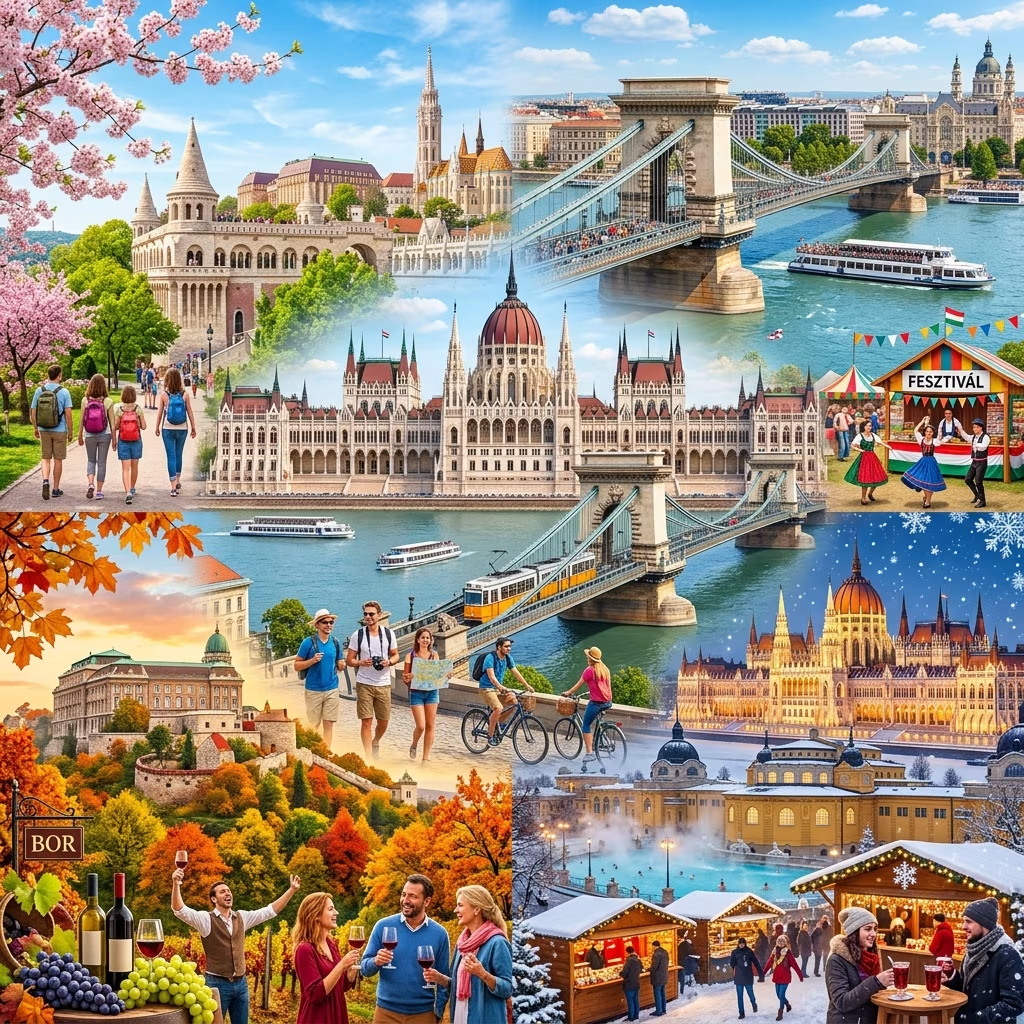
Hungary’s Seasons at a Glance
| Season | Weather | Crowds | Events |
|---|---|---|---|
| Spring (April–May) | Mild, fresh, blooming | Low to moderate | Spring Festival, Easter |
| Summer (June–August) | Warm to hot, occasionally humid | High | Music & cultural festivals, Sziget Festival |
| Autumn (September–October) | Pleasant, gradually cooler | Moderate to low | Wine harvests, festivals |
| Winter (November–March) | Cold, possible snow | Low, except holidays | Christmas Markets, thermal bath season |
Spring: Mild Weather, Blooms, and Fewer Tourists
April and May bring the first colors and fresh warmth to Hungary. Budapest awakes from its winter slumber, and countryside villages begin to buzz anew. Temperatures typically range from 10°C to 20°C (50°–68°F). Rain showers are possible, so pack a light jacket and umbrella.
- Pros: Parks and city gardens are in full bloom. Crowds are lighter than in summer. Outdoor cafés open up, and riverside promenades are lively without being crowded.
- Cons: Unpredictable weather; layers are essential.
- Events: Budapest Spring Festival (a major cultural event for music and arts), Easter markets, and folk traditions across the country.
Summer: Festivals, Open-Air Life, and Tourist High Season
June through August is Hungary’s busiest and warmest period, with average highs of 25°–30°C (77°–86°F) in Budapest and similar temperatures elsewhere.
- Pros: Days are long and perfect for sightseeing. Nightlife and open-air festivals animate city streets. The Danube, lakes, and thermal baths are filled with locals and visitors alike.
- Cons: This is peak tourist season: expect bigger crowds at main attractions, higher accommodation prices, and longer lines.
- Events: Sziget Festival (one of Europe’s biggest music festivals, held on an island in Budapest), Budapest Summer Festival, State Foundation Day (Aug 20) featuring fireworks and river concerts, open-air film and theater events, wine and food fests.
- Tips: Reserve accommodation and event tickets well in advance. Carry water, sunblock, and a hat, and plan your museum visits for midday when it’s hottest outside.
Autumn: Harvests, Festivals, and Golden City Light
September and October are a favorite among many seasoned travelers. Milder days, cool evenings, vibrant foliage, and a general sense of calm return after summer’s frenzy.
- Pros: Pleasant weather lingers through September. Crowds thin. Vineyards and countryside areas host wine harvest festivals (szüret), showcasing traditional music, folk crafts, and food.
- Cons: By late October, days grow shorter and it can get chilly, especially after sunset.
- Events: Budapest Wine Festival (held in the grounds of Buda Castle), National Gallop (horse-racing spectacle in central Budapest), and numerous food and folk festivals nationwide.
- Tips: Sample new local wines, enjoy walks along the Danube, and explore outdoor markets with fewer crowds. Bring a warm layer for evenings.
Winter: Christmas Magic, Thermal Baths, and Cozy Cafés
November through March is low season for most travelers, except around Christmas and New Year. Budapest, in particular, dazzles with festive lights and beautifully curated Christmas markets from late November to December. Temperatures range from 0°C to 5°C (32°–41°F).
- Pros: Low hotel prices and fewer crowds. The city’s historic baths (like Széchenyi and Gellért) are especially satisfying when it’s cold out. Fantastic indoor culture: world-class opera, classical concerts, galleries, and historic cafés.
- Cons: Cold, grey weather and short days (sunset as early as 4pm in December and January). Some smaller attractions, especially in rural areas, operate on limited hours or close for winter.
- Events: Advent and Christmas markets (especially in Budapest and Eger), Hungarian National Holiday (March 15), seasonal classical concerts, and New Year’s celebrations on city squares.
- Tips: Book early if visiting around the holidays. Bring warm, waterproof layers and consider planning more indoor activities.
Special Events and High Season in Budapest
Budapest is the star of Hungary’s travel scene, blending imperial grandeur, vibrant food culture, and a festival-filled calendar. Major national and religious holidays can draw crowds or mean closures, which is important for scheduling.
- March 15: National Holiday (1848 Revolution Day) with parades and cultural celebrations.
- Late March–April: Easter holidays including open-air markets and folk music events.
- May–June: Spring festivals, Danube Carnival, and Night of Museums.
- August 20: St. Stephen’s Day (Hungary’s founding), features grand fireworks on the Danube and city-wide celebrations.
- December: Christmas Markets fill multiple city squares, with music, crafts, food, and lights.
These events can affect hotel rates, museum hours, and public transportation. Book lodging early during big festivals, and check opening times for attractions on public holidays.
Weather, Crowds, and Travel Costs: What to Expect
Every season comes with its own balance of climate, crowd levels, and costs:
- Peak Season (Summer): Highest prices for hotels and flights; book accommodations and most-visited attractions well in advance.
- Shoulder Seasons (Spring, Autumn): Best blend of affordable rates and pleasant weather. Attractions and restaurants are open but uncrowded. Many locals take holidays in August, so some businesses may close temporarily outside tourist areas.
- Low Season (Winter): Bargains on flights and rooms (except Christmas/New Year). Biggest crowds are at major Christmas market sites in December. Many rural attractions close, but cities retain full cultural schedules.
Sample Price Tips:
- Public transportation is efficient and inexpensive, especially in Budapest.
- Eating out is more affordable compared to Central or Western Europe, with local specialties such as goulash, stuffed paprikas, and delectable pastries.
- Bargains are best found in the low season and early spring/autumn.
Regional Highlights: Beyond Budapest
- Lake Balaton: Best in midsummer for lake swimming and beach resorts, but quieter and cheaper in June and September. Popular with Hungarian families, especially in August.
- Eger: Gorgeous Baroque town, ideal from spring to autumn for wine tasting and thermal bath visits.
- Pécs: Southern city with early springs and mild autumns, perfect for enjoying its architecture and art scene without crowds.
- Danube Bend towns (Visegrád, Szentendre, Esztergom): Great for day trips in late spring and early autumn for exploring castles, basilicas, and village festivals.
- Hollókő: UNESCO-listed village-meets-open-air folk museum; at its most atmospheric during spring and folk festival weekends.
Seasonal Packing and Travel Tips
- Spring: Pack light jackets, layers, and an umbrella for sudden showers.
- Summer: Bring sun protection, comfortable shoes, and a refillable water bottle. Expect to dress modestly for church visits.
- Autumn: A warm jumper or light coat is handy, plus rain gear for October.
- Winter: Thermal layers, wool hats, and waterproof boots are a must.
- All year: Hungary’s currency is the forint (HUF), though many city businesses accept credit cards.
Hungarian Public Holidays: Closures and Celebrations
- March 15: 1848 Revolution and War of Independence day (parades, concerts; some closures).
- Easter Monday: Folk events, many shops closed.
- May 1: Labor Day (major events in parks; closures).
- August 20: St. Stephen’s Day, with grand fireworks (widespread closures).
- October 23: 1956 Revolution Memorial Day (celebrations, government offices closed).
- December 24–26: Christmas (extensive closures, but markets in full swing until the 24th).
- New Year’s Day: City-wide parties on the night of December 31, quiet streets on the 1st.
Plan around holidays if you want to avoid crowd surges or disappointment at shuttered attractions. Most restaurants and sights operate with limited hours or close entirely, especially in smaller towns, on these dates.
Frequently Asked Questions (FAQs)
Q: What is the absolute best month to visit Hungary?
A: September is often regarded as the prime month with mild temperatures, fewer crowds, grape harvests and cultural festivals, and vibrant city life.
Q: How many days do I need in Budapest?
A: Allow at least three full days to see major museums, experience a thermal spa, stroll ruin pubs and the Danube promenade, and enjoy a day trip to a village, wine region, or castle. More days let you dig deeper.
Q: Will I face language barriers?
A: English is widely spoken in Budapest’s tourism hubs, hotels, and restaurants. In the countryside, a few basic Hungarian words or phrases help. Signs often use both Hungarian and English in tourist areas.
Q: Can I visit Hungary in winter and enjoy it?
A: Yes! Budapest’s thermal baths, Christmas markets, and lively culture make winter magical, but plan for short days and cold temperatures. Thermal spas are a highlight when it’s chilly.
Q: Are there differences between visiting Budapest and smaller Hungarian towns?
A: Absolutely. Budapest is busy, cosmopolitan, and geared to year-round travel. Smaller towns—like Eger, Pécs, or Sopron—shine during spring through autumn, with limited activity and closures in winter.
Q: Will tourist attractions close in the shoulder season?
A: Most main attractions in Budapest and tourist-friendly towns stay open all year, but check for reduced hours, especially in winter months. National holidays prompt many museum and restaurant closures.
Q: Is Hungary safe for solo travelers?
A: Hungary is considered very safe for solo and family travelers. Exercise the usual precautions against pickpocketing in busy areas and around festivals or markets.
Hungary Travel Quick Reference
- Currency: Hungarian forint (HUF). Credit cards widely accepted in cities.
- Voltage: 230V/50Hz (standard Europlug).
- Public transport: Extensive, efficient, with online journey planners available.
- Emergency services: Dial 112 for police/medical/fire.
- Language: Hungarian (Magyar), but English is common in tourist spots.
Plan Your Hungarian Journey
The best time to visit Hungary depends on your travel style, budget, and interest in weather and events. For most, the shoulder seasons (spring and autumn) offer the ideal blend of comfortable weather, moderate prices, and cultural vibrancy. Summer delivers action-packed festivals but peak crowds, while winter transforms Budapest into a festive wonderland. Whenever you choose to travel, Hungary’s rich heritage, hospitality, and unique flavors promise a captivating adventure.
References
- https://store.ricksteves.com/shop/p/budapest-guidebook
- https://www.ricksteves.com/tours/hungary
- https://www.ricksteves.com/watch-read-listen/video/tv-show/budapest-the-best-of-hungary
- https://www.ricksteves.com/europe/hungary
- https://community.ricksteves.com/travel-forum/hungary/private-guide-budapest
- https://www.youtube.com/watch?v=dASiU-kKx7o
- https://www.tripadvisor.com/ShowTopic-g274887-i263-k6633858-o10-Rick_Steves_travel_guide_good-Budapest_Central_Hungary.html
- https://www.ricksteves.com/watch-read-listen/video/travel-talks/czech-republic-poland-hungary-with-cameron-hewitt
- https://www.ricksteves.com/watch-read-listen/read/articles/budapest-city-of-paradox