The Easy Streets of Copenhagen
Copenhagen, Denmark’s vibrant capital, offers a perfect blend of old-world charm, modern urban planning, and cozy everyday living. This Scandinavian city welcomes both the most ambitious sightseers and leisure travelers, inviting everyone to explore its pedestrian thoroughfares, historic monuments, colorful neighborhoods, and unique social spirit. From its compact city center to its innovative bike culture and legendary sense of hygge, Copenhagen provides a living case study in how cities can prioritize people over cars and foster a warm, welcoming community atmosphere.
A Compact Capital: The Heart of Copenhagen
Copenhagen’s layout is defined by its compact city center, making it easy for visitors to access many of its major attractions on foot. The central train station, the National Museum, Tivoli Gardens amusement park, and the grand City Hall all cluster around the bustling Rådhuspladsen (City Hall Square). This square functions as the nexus of local energy, marking the top of Copenhagen’s most famous pedestrian street, the Strøget.
- Rådhuspladsen acts as the city’s pulse point, where major boulevards intersect and people gather for daily life and civic events.
- Most key sights are within easy walking or cycling distance, reinforcing Copenhagen’s reputation for convenience and accessibility.
Strøget: Europe’s First Great Pedestrian Boulevard
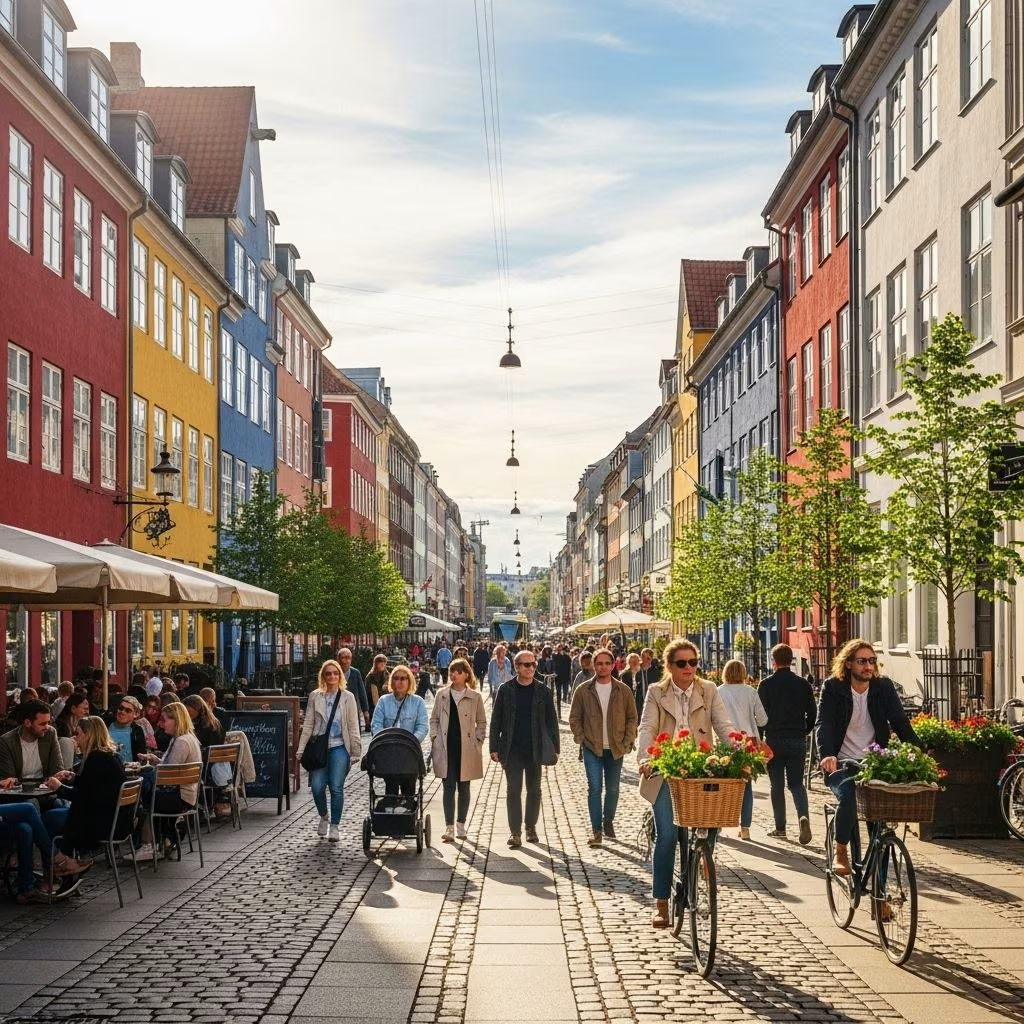
The Strøget is Copenhagen’s legendary pedestrian shopping boulevard—a series of lively streets and open squares stretching through the old city from City Hall Square to Nyhavn’s harbor. Created in 1962, Strøget pioneered the concept of car-free downtown shopping districts in Europe, inspiring urban planners across the world.
- Strøget was established in response to rising congestion and hygiene problems within the old walled city.
- Today, Strøget connects historical sites, shops, eateries, and local culture, making it the beating heart of urban Copenhagen.
- This boulevard features:
- Chic boutiques and cafés alongside flagship retail chains.
- Historic architecture concealed above modern storefronts.
- Scenic squares perfect for lingering and people-watching.
A stroll down Strøget offers a unique snapshot of Denmark’s commercial history and its transformation from medieval town to modern metropolis. While the ground level reflects the latest trends, look up to catch glimpses of 19th-century masonry, intricate facades, and stories from times past.
Echoes of the Old City Walls: Moats, Parks, and Lakes
Originally, Copenhagen was contained by city walls for centuries. These defenses led to cramped living conditions, and outbreaks of disease spurred their removal in the mid-1800s. Today, the vestiges of these walls manifest as a delightful greenbelt—a circuit of tranquil lakes and people-friendly parks encircling the old town.
- Remnants of moats and ramparts now provide scenic walking routes and recreational spaces for locals and visitors alike.
- Lakes and gardens encourage relaxation, socializing, and community gatherings throughout the year.
Hygge and Urban Balance: The Danish Way of Life
Despite hosting a million residents, Copenhagen radiates an unmistakably hyggelig atmosphere—the Danish ideal of coziness, comfort, and contentment. In Copenhagen, orderliness coexists with a relaxed pace, and the entire city exudes a sense of balance and calm.
- Hygge is experienced everywhere: in candlelit cafés, park benches lined with friends, or quiet strolls among the city’s bike lanes and boulevards.
- Danes are well-known for embracing simple pleasures, prioritizing leisure, and fostering connections in everyday moments.
Visitors quickly feel at home—whether they’re cycling along canal-side paths or savoring a pastry on a street terrace. The city’s unhurried rhythm invites you to observe “the little details” and immerse yourself in Danish good living.
Cycling Copenhagen: Europe’s Bike Capital
Copenhagen is famous worldwide for its bike-friendly infrastructure. Generous bike lanes, public bike sharing programs, and a visible cycling culture make two-wheeled travel both practical and popular for people of all ages.
- The city’s extensive network of dedicated bike lanes covers virtually every major street and neighborhood.
- Loaner bikes are available throughout downtown, inviting visitors to join locals in this sustainable mode of transportation.
- The city’s design prioritizes cyclists—reducing car traffic, promoting clean air, and supporting healthy lifestyles.
| Mode of Transport | Percentage of Commuters | Features |
|---|---|---|
| Bicycle | ~40% | Dedicated lanes, public bike sharing |
| Car | ~30% | Restricted in downtown core |
| Public Transport | ~30% | Buses, Metro, trains |
Copenhagen’s bike culture is integral to its identity, reducing urban noise, alleviating congestion, and encouraging active social engagement. It’s common to see families, professionals, and students all relying on bikes as their primary form of transit.
Nyhavn: The Salty Mini-Harbor
Strolling Strøget leads directly to Nyhavn, Copenhagen’s picturesque canal district, famous for its colorful facades, lively bars, and historic ships. Always bustling with life, Nyhavn provides a glimpse into the city’s maritime past and its ongoing love affair with the water.
- Historic port buildings now house restaurants, galleries, and pubs.
- Boat tours offer scenic rides around the harbor and through Copenhagen’s network of canals.
- Locals and tourists alike lounge on the quayside benches or enjoy open-air dining.
More than a tourist attraction, Nyhavn is an essential destination for soaking up Danish conviviality, sampling fresh seafood, or enjoying a craft beer with new friends.
The Evolution of Traffic-Free Zones
Strøget’s enduring popularity inspired the pedestrianization of additional downtown streets, creating a ripple effect throughout Copenhagen’s urban design. What began as an experimental idea—overcoming merchant skepticism to ban cars from city boulevards—evolved into a cornerstone of the city’s thriving café and restaurant scene.
- Neighboring streets have been closed to traffic, making way for al fresco dining, vibrant shopping districts, and safe recreation spaces.
- City planners continue to expand pedestrian zones in response to positive community feedback and increased commercial success.
- As the value of walkable streets rises, there is tension between modernization and preservation of historic charm.
While some lament the loss of old storefronts to modern chains, careful observers can still find character in upper facades and down quieter side streets—a testament to the city’s layered past.
Hidden Courtyards and Old Copenhagen
Beyond Strøget’s bustle, Copenhagen reveals another layer of history. Fortified around large mansions with expansive courtyards, the old city’s architecture has been shaped by generations of adaptation. As the population grew, these courtyards filled with quirky buildings, and today, stepping into one of these hidden spaces feels like traveling back in time.
- Characteristic half-timbered buildings and cobblestone passageways evoke 19th-century Copenhagen.
- If a courtyard door stands open, locals suggest you’re welcome to discreetly wander in and enjoy the historic ambiance.
Exploring these off-the-beaten-path nooks, visitors discover scenes untouched by modernization—from tired horses (in memory) to lines of outhouses—a vivid reminder of the city’s working-class roots.
Christiania: Copenhagen’s Free-Thinking Commune
On the eastern edge of central Copenhagen, the district of Christiania stands as a unique counterculture experiment. Founded in 1971 when squatters occupied a decommissioned military base, Christiania operates as an independent commune within the city, guided by its own principles of freedom, responsibility, and community ethics.
- The community’s rules tolerate soft drugs but strictly forbid hard drugs and guns.
- No one owns land; instead, residents occupy space as needed, fostering a spirit of shared stewardship.
- Christiania’s flag—three orange balls—symbolize “Love Love Love.”
- Childcare, environmental initiatives, and local craft industries (including bike factories) thrive here.
Once overlooked by the city, Christiania now sits on prime real estate, raising debates over development, property rights, and cultural preservation. Depending on perspective, it is either a shantytown of dogs and dazed people or a haven of peace and self-determination.
Danish Spirit and the “Fight for Freedom” Museum
Copenhagen’s free spirit is not a modern invention. Throughout history, Danes have championed liberty and responsibility—most famously during World War II, when the Danish underground bravely resisted Nazi occupation. The city honors this legacy at the “Fight for Freedom” Museum, which shares stories of courage and resistance.
- Exhibits detail Denmark’s struggle and the sacrifices made for independence and human dignity.
- Visitors leave with a deeper understanding of the city’s enduring values and societal resilience.
Modern Amenities in a Timeless City
Although rich with history, Copenhagen offers a remarkable array of modern comforts:
- World-class museums, including the National Museum and art galleries showcasing Danish and European masterpieces.
- Renaissance and Baroque palaces, such as Rosenborg Castle and Amalienborg Palace, offer glimpses into royal heritage.
- Trendy bars, creative restaurants, and designer shops line the city’s thoroughfares, blending old-world ambiance with contemporary flair.
Whether cycling along leafy avenues, sailing silent canals, or relaxing in a cozy café, Copenhagen balances tradition and innovation to remain Scandinavia’s most affordable and fun-loving capital.
Frequently Asked Questions (FAQs)
Q: Why is Copenhagen considered a model for pedestrian-friendly cities?
A: Copenhagen’s early adoption of traffic-free zones, notably Strøget, along with its commitment to expanding walkable areas and bike networks, makes it a leading city in people-friendly urban planning.
Q: What does hygge mean, and where can you experience it?
A: Hygge refers to the Danish philosophy of coziness, warmth, and contentment. Experience it in candlelit cafés, friendly parks, and the relaxed mood of city life throughout Copenhagen.
Q: Is Copenhagen suitable for cycling tourists?
A: Yes. The city’s vast bike infrastructure, public bike-sharing programs, and flat terrain make it perfect for cycling visitors. Many major sights and neighborhoods are linked by safe, dedicated lanes.
Q: What should I know about visiting Christiania?
A: Christiania is a semi-autonomous district built on communal values—its rules, businesses, and housing differ from the rest of Copenhagen. Visitors are welcome to respectfully explore but should understand local customs, particularly around photography and behavior.
Q: How do Copenhagen’s modern developments affect its historic charm?
A: While increased land value and modernization can threaten historic storefronts, local efforts to preserve upper facades, courtyards, and side streets help maintain the city’s layered character.
Tips for Visitors
- Take your time: Although sights are close together, Copenhagen rewards slow exploration and attention to detail.
- Join the bike culture: Rent a bike or take a cycling tour to experience the city like a local.
- Venture off Strøget: Step into side streets and hidden courtyards for glimpses of 19th-century character.
- Visit Christiania: Explore the district’s craft shops, organic eateries, and creative homes—but do so with curiosity and respect.
- Enjoy the water: Relax in Nyhavn, take a canal cruise, or try kayaking for a unique city perspective.
Embracing Copenhagen’s Cozy and Creative Spirit
Copenhagen’s easy streets, innovative planning, and communal ethos make it an ideal destination for travelers eager to experience European city life at its best. Whether you are drawn to its bustling boulevards, leafy greenbelts, vibrant canal districts, or the experimental lifestyle of Christiania, the Danish capital offers countless ways to feel at home. In Copenhagen, every stroll is an invitation to discover balance, inspiration, and a profound sense of belonging.
References
- https://www.ricksteves.com/watch-read-listen/video/tv-show/copenhagen
- https://www.ricksteves.com/watch-read-listen/read/articles/the-easy-streets-of-copenhagen
- https://www.oklahoman.com/article/5438907/rick-steves-europe-the-easy-streets-of-copenhagen
- https://blog.ricksteves.com/blog/tag/copenhagen/page/3/
- https://www.strongtowns.org/journal/2023/10/18/rick-steves-what-americans-can-learn-from-europes-people-friendly-places
- https://www.sfgate.com/travel/article/Copenhagen-s-strollable-streets-provide-a-feel-6498796.php
- https://www.ricksteves.com/watch-read-listen/read/articles
- https://blog.ricksteves.com/blog/having-fun-in-copenhagen/
- https://www.ricksteves.com/watch-read-listen/read/articles/in-denmark-even-the-gravestones-are-content