Mastering Train Travel in Europe: A Comprehensive Guide
Europe’s rail network is a marvel of efficiency, comfort, and accessibility, offering travelers the freedom to explore the continent with remarkable ease. Whether you’re weaving through scenic alpine routes in Switzerland, hopping between vibrant city centers, or using overnight trains to maximize sightseeing, understanding Europe’s train system unlocks an unforgettable travel experience. This comprehensive guide demystifies the essentials of train travel in Europe: from deciphering schedules and choosing between tickets or rail passes, to navigating stations and enjoying iconic journeys.
Why Travel Europe by Train?
Trains are woven into the fabric of European life. For travelers, they offer:
- Speed and Convenience: European cities and regions are tightly linked by fast, frequent trains. Central stations are typically located at the heart of each city, minimizing transfer hassles and taxi rides.
- Scenic Routes: Many lines, especially in Switzerland, Austria, France, and Italy, pass through breathtaking countryside and legendary landmarks.
- Flexibility: With well-connected networks and smart ticketing or pass options, you can improvise your itinerary on the fly.
- Comfort and Space: Even budget-friendly second-class cars generally provide more legroom, larger windows, and freedom to move about during your journey, compared to budget air travel.
- Eco-Friendliness: Train travel is among the most sustainable ways to traverse Europe, helping you reduce your carbon footprint.
The Basics of European Trains
Europe’s trains fall into several broad categories, each offering its own perks and characteristics:
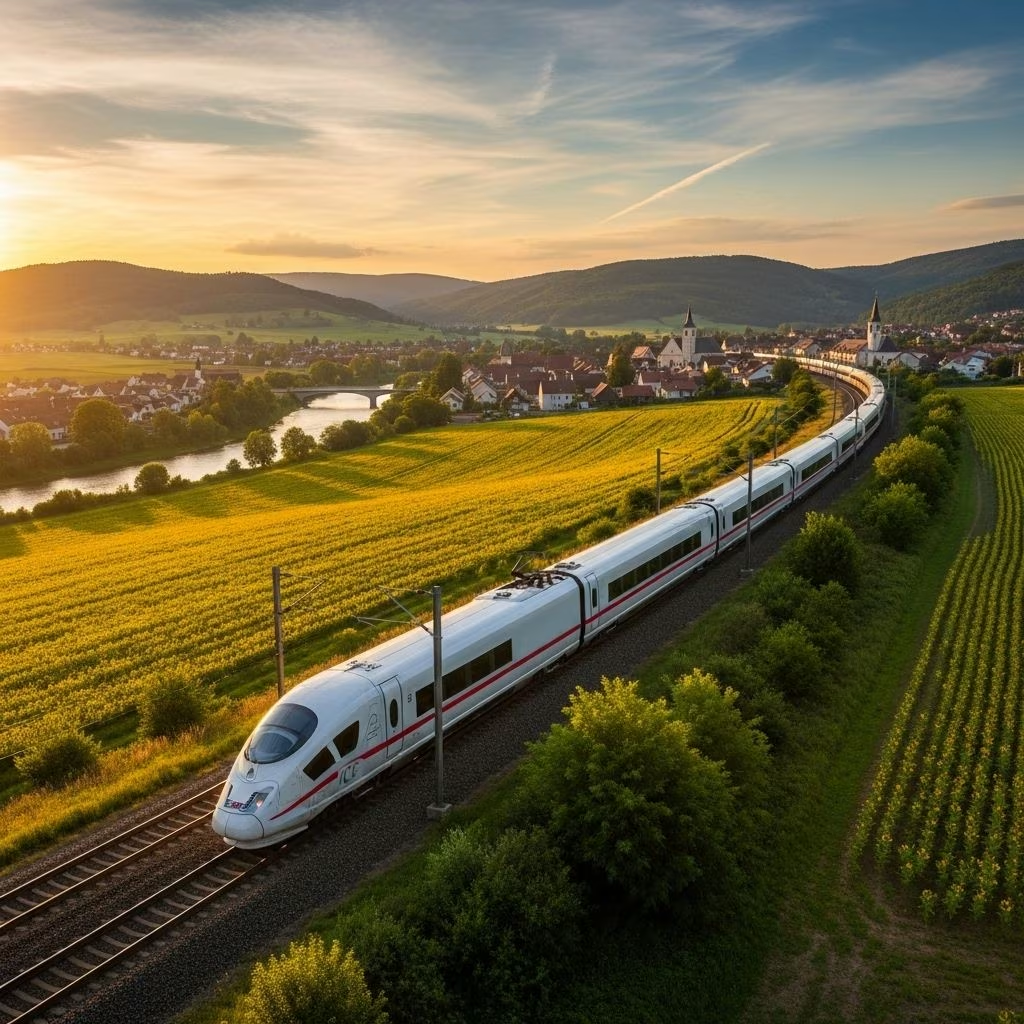
- High-Speed Trains: Trains such as France’s TGV, Germany’s ICE, and Italy’s Frecciarossa slash travel times dramatically between major cities. Many require seat reservations in advance.
- InterCity and Express Trains: These link cities at fast, regular intervals and may connect with high-speed lines at larger endpoints.
- Regional and Local Trains: Slower services that stop at every station along the route, providing access to smaller towns and rural areas.
- Night Trains: Overnight services let you sleep while you travel, often in comfortable couchettes or private cabins.
First Class vs. Second Class
European trains almost always offer both first and second class:
- First Class: More spacious seating, quieter cars, and often extra amenities (power outlets, food service). Worthwhile for those craving comfort or holding certain rail passes.
- Second Class: Cheaper fares with slightly less space, but typically clean and comfortable. Perfect for most travelers, especially on shorter journeys.
Navigating Schedules and Buying Tickets
Understanding Train Schedules
European train stations display schedules on large, well-organized boards, featuring essential columns:
- Departure time (often on a 24-hour clock)
- Route or stops
- Destination
- Track (platform) number
- Delay status (if any)
It’s crucial to know your train type and its track, especially in large stations that serve dozens of departures per hour. Always allow some cushion in your timing, and double-check announcements for last-minute platform changes.
Ticketing Options: Individual Tickets vs. Passes
Travelers can choose between individual tickets for each journey or rail passes offering flexible train use over a set period.
- Individual Tickets: Best for those with a short, fixed itinerary or traveling within a single country. Advance-purchase tickets (especially on high-speed lines) can be very affordable, but may lock you into a specific train and time.
- Rail Passes: The classic Eurail and Interrail passes cover broad networks across multiple countries. They offer unlimited travel on consecutive or flexi days within a set period, allowing you to hop on and off most trains freely (seat reservations sometimes required).
When to Consider a Rail Pass
- Covering long or expensive distances on express or international routes.
- Desiring flexibility to change your schedule, stop for sightseeing, or explore smaller towns on a whim.
- Making many journeys in a short time across multiple countries.
For those with limited travel, fixed city pairs, or who plan to use only a few trains, individual advance tickets can be cheaper.
Validating Your Ticket or Rail Pass
Before you board, especially with paper tickets or passes, you may need to validate them by stamping at platform machines or presenting them at a ticket counter. Some electronic tickets and mobile passes activate automatically. Conductors may check your documents during the journey; keep them on hand.
Using European Train Stations
Europe’s train stations are typically hubs of activity, offering more than just transport, including:
- Baggage Storage: Coin-operated lockers and automated storage systems make it easy to sightsee luggage-free between hotels or during stopovers.
- Ticket Offices and Information Desks: Staffed booths, self-service machines, and information points help with ticketing, reservations, or finding your platform.
- Departure Boards: Electronic displays update arrivals, departures, and track changes in real-time, often in multiple languages.
- Amenities: Cafés, shops, restaurants, restrooms, and sometimes showers are often available, especially in large stations.
Each city may have multiple stations, so confirm your departure and arrival locations carefully. Be aware that an early-morning train could leave from a suburban rather than central station.
Navigating Platforms and Cars
- Signs on each platform indicate where different train cars (first and second class, restaurant car) will stop. Train composition charts can show the carriage order for each train.
- Each car is numbered. Double-check both your ticket and the platform chart to find your reserved seat or class.
- Trains may split or combine during their routes; ensure you’re on the correct section for your final destination.
Choosing and Using Rail Passes
Picking the right rail pass can save money and add flexibility, but it requires some calculation. Consider:
- Coverage: Passes can be country-specific, regional, or pan-European. Only buy what you need.
- Travel Days: Flexi passes offer a set number of days within a period (e.g., 10 days in 2 months), while consecutive passes allow unlimited travel for X continuous days.
- Seat Reservations: Many high-speed, international, or night trains require (and charge extra for) advance reservations, even with a pass.
- Youth and Senior Discounts: Special rates exist for travelers under 28 or over 60 in many countries.
Passes are ideal for:
- Covering lots of ground, especially in western and northern Europe where trains are expensive.
- Enjoying spontaneity: hop on a train when you want, pause for impromptu sightseeing, or vary your pace according to your mood.
Seat Reservations and Supplements
High-speed, night, and some international trains require separate reservations, which guarantee you a seat and sometimes an entire sleeping compartment. Key points:
- Reservations may be mandatory during busy seasons or on popular routes (Eurostar, TGV, Thalys, ICE, etc.).
- Supplements and reservation fees are payable even with rail passes (some are included, but not all).
- Book reservations at station ticket counters, self-service kiosks, or online through the relevant train operator; many allow seat selection and mobile ticketing.
Baggage and Onboard Comfort
Luggage Tips
- Trains have generous luggage allowances, with overhead racks and dedicated spaces for larger items at car ends or in entryways.
- Pack light—stations often require stairs, and you may need to move quickly between platforms.
- Label your bags and keep valuables close.
You’re responsible for your own luggage at all times—there’s rarely checked baggage service, except on select overnight or international trains.
Onboard Facilities
- Most long-distance and express trains have restrooms, power outlets, and food or beverage service.
- Quiet cars and family areas, plus Wi-Fi, are common on modern trains.
- Second-class cars offer a lively, social experience, while first class is quieter and more private.
Europe’s Most Scenic Train Journeys
Some routes are journeys in themselves, not just a means of transport. Don’t miss these highlights:
- Switzerland’s Golden Pass: Cross Alpine landscapes between Lucerne and Lake Geneva, with panoramic cars offering stunning mountain vistas.
- The Rhine Valley: Germany’s Mittelrhein route, running between Koblenz and Mainz, meanders past castles, vineyards, and river towns.
- Bernina and Glacier Expresses: Switzerland’s famous routes, featuring spiraling viaducts, high alpine passes, and endless photo opportunities.
- France’s TGV Routes: From Paris southward, you whisk through lavender fields and rolling countryside at thrilling speeds.
Night Trains: Sleep While You Travel
Europe’s overnight trains combine lodging and transport, maximizing your time and budget. Options include:
- Couchettes: Simple bunks (4 or 6 per compartment)—affordable for solo travelers or small groups.
- Sleeping Compartments: Private or semi-private rooms with beds, sometimes including a washbasin or en suite bathroom.
- Carry snacks and eye masks, as comfort varies by price and country.
- Night trains often require reservations and supplements (even with a pass).
Insider Tips for Stress-Free Train Travel
- Keep your passport, tickets/passes, and any required seat reservations accessible for inspectors.
- Double-check train numbers and platform information—switches and delays do happen.
- Consider stopovers in intriguing towns between major destinations; many passes and tickets allow you to break your journey for sightseeing.
- Stay alert for last-minute announcements in unfamiliar languages—monitors and staff are your friends.
- Smile and greet compartment-mates; trains are great places to meet locals and fellow travelers.
Table: Comparing Rail Passes and Point-to-Point Tickets
| Feature | Rail Pass | Point-to-Point Ticket |
|---|---|---|
| Best For | Multiple countries, many trips, flexible schedule | Few trips, simple itinerary, fixed dates |
| Flexibility | High (usually) | Low (advance purchase, specific trains) |
| Advance Purchase Required | Not usually | Often (for best prices) |
| Seat/Bed Reservation Fees | May apply, especially on high-speed/overnight trains | Usually included or added at purchase |
| Cost Effectiveness | Best with frequent/high-value travel | Best with infrequent/short distances |
| Documentation | Pass and sometimes local validation | Just the single ticket |
Crossing the Channel: The Eurostar
The Eurostar zips travelers through the Channel Tunnel, linking London with Paris, Brussels, and Amsterdam in just a few hours. Key tips:
- Book early—fares are often cheaper in advance, though peak-hour trains fill fast.
- Major stations: London St. Pancras, Paris Gare du Nord, Brussels Midi/Zuid, and Amsterdam Centraal.
- Check your luggage allowance and expect airport-style check-in and security procedures.
- For destinations beyond initial stops, compare costs and timing for onward flights versus connecting trains.
Frequently Asked Questions (FAQs)
Q: Are European trains punctual?
A: Most European trains are famous for their punctuality, particularly in Switzerland, Germany, and France. Delays can sometimes occur, so always check schedules and announcements.
Q: Do I need to reserve seats on all trains?
A: Reservations are usually required on high-speed, international, and overnight trains. Regional and local services rarely require advance reservations.
Q: Can I use a rail pass on night trains?
A: Yes, but you will usually pay an additional supplement for sleeper or couchette accommodations, and reservations are necessary.
Q: What if I miss my train?
A: For open tickets or passes, simply catch the next available train. However, discounted advance tickets may lock you into a specific departure, so check fare rules when booking.
Q: How do I manage luggage on trains?
A: Limit yourself to what you can comfortably carry. Use overhead racks or luggage spaces, and consider station locker facilities if you have a long stopover.
Q: Are train stations safe at night?
A: Most European stations are well-lit and patrolled, but as with any travel, keep a close eye on belongings—especially late at night or in crowded areas.
Final Thoughts on European Train Travel
Mastering Europe’s train system empowers you to travel deeply and flexibly, broadening your adventure well beyond well-trodden tourist trails. With the right combination of tickets, passes, and up-to-date travel wisdom, Europe by rail is not just a means of getting from place to place—it’s an essential part of the experience itself.
References
- https://www.ricksteves.com/watch-read-listen/video/tv-show/european-travel-skills-part-1
- https://www.youtube.com/watch?v=3AxtbifeoBY
- https://www.ricksteves.com/travel-help/rail-faq
- https://www.ricksteves.com/watch-read-listen/read/articles/scenic-trips
- https://www.ricksteves.com/travel-tips/transportation/trains
- https://www.ricksteves.com/travel-tips/transportation/trains/buying-tickets
- https://www.youtube.com/playlist?list=PLDA1849C66C2A6D62
- https://www.ricksteves.com/watch-read-listen/video/travel-talks/european-trains