Château de Chenonceau: France’s Storybook Castle
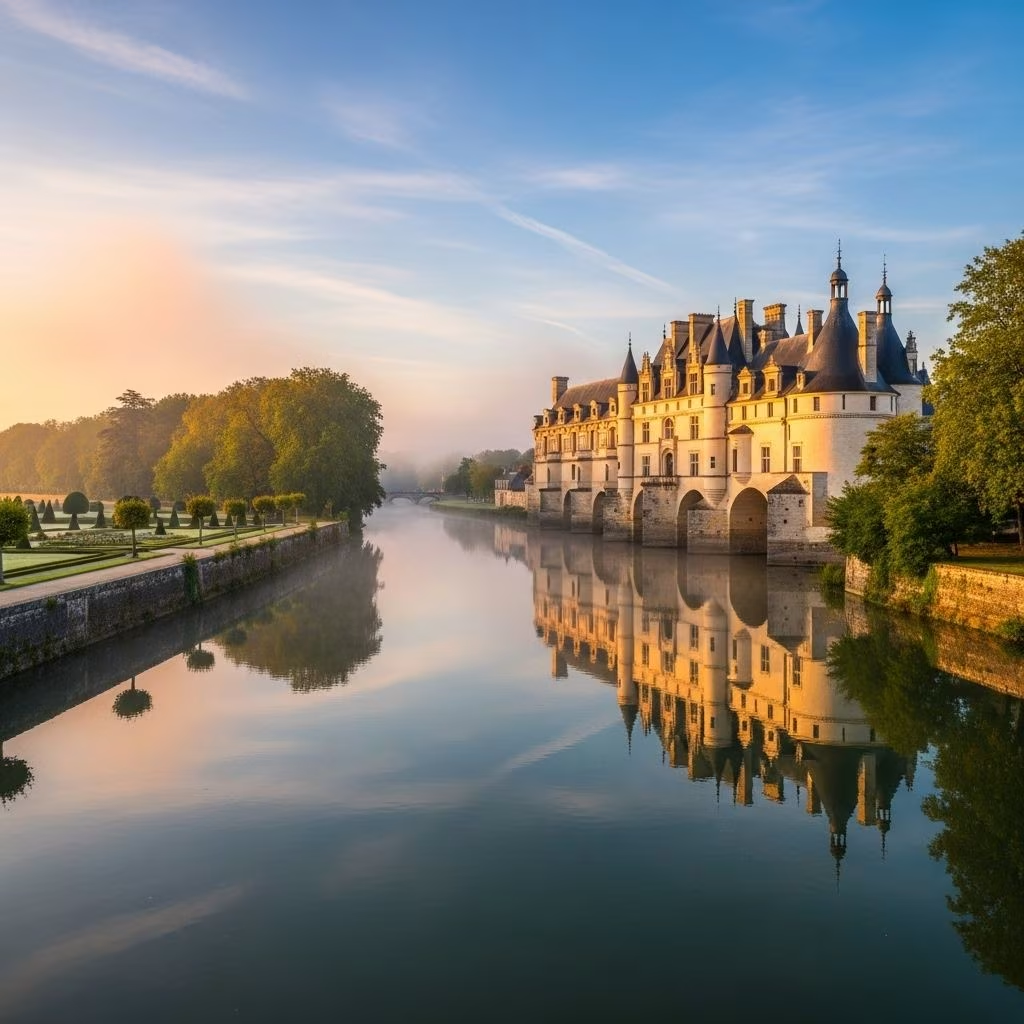
The Château de Chenonceau is one of France’s most celebrated architectural treasures, gracefully arching across the Cher River in the heart of the Loire Valley. Renowned for its remarkable setting, fascinating legacy of powerful women, and ornate Renaissance designs, Chenonceau’s evocative story and lush gardens captivate scholars, travelers, and romantics alike.
Why Chenonceau Stands Apart
- Unique Design: The only major Loire château built atop a river, with its iconic gallery bridge.
- Women’s Legacy: Shaped by queens, noblewomen, and mistresses, earning it the nickname château of the ladies.
- Lowland Setting: Surrounded by formal gardens and woodlands, Chenonceau merges nature and architecture seamlessly.
The Loire Valley: Land of Thousand Châteaux
The Loire Valley, often called the Valley of a Thousand Châteaux, is famed for its density of grand castles spread among lush vineyards, rolling farmland, and picturesque riverscapes. For travelers, Chenonceau, Chambord, and Cheverny are among the most recommended stops, each offering distinct historical and architectural experiences.
Origins and Renaissance Grandeur
Chenonceau’s story begins in the early 16th century, with its first stone structure commissioned on the ruins of an old fortified mill. Designed for pleasure rather than defense, it exemplified a shift in French nobility’s lifestyle from medieval fortification to Renaissance refinement.
- Early Construction: Built by Thomas Bohier and his wife Katherine Briçonnet, who oversaw much of the initial design as her husband was often away on royal business.
- Personal Touches: Many features and flourishes resulted from Katherine’s vision—her attention to comfort, art, and garden planning laid the groundwork for later glories.
The Ladies of Chenonceau: Rivalry and Influence
Chenonceau’s reputation as the “château of the ladies” is rooted in the succession of remarkable women who shaped its destiny:
Diane de Poitiers
- Royal Favorite: Gifted the château in 1547 by King Henry II, Diane was renowned for her beauty, intelligence, and political acumen.
- Architectural Impact: Commissioned the graceful arched bridge to cross the Cher River, linking the château directly to its hunting grounds.
- Gardens: Established the original design of the castle’s formal gardens, fond of symmetry and proportion.
Catherine de’ Medici
- Queen Consort: Following Henry II’s death in 1559 (from a jousting accident), Catherine forced Diane to cede Chenonceau and move to the lesser Château de Chaumont.
- Transformation: Expanded the château, adding the magnificent three-story structure atop Diane’s bridge, turning it into an elegant grand gallery and ballroom.
- Artistic Patronage: Elevated Chenonceau as a hub for the arts, sciences, and lavish court festivities, cementing its status as a Renaissance showpiece.
Other Noteworthy Ladies
- Louise Dupin: In the 18th century, she hosted Enlightenment-era salons, entertaining great thinkers and writers.
- Simonne Menier: During World War I, the château was converted into a hospital for wounded soldiers, managed by this visionary owner.
Architectural Marvels: Structure and Innovation
Chenonceau’s architecture represents a harmonious marriage of late Gothic and early Renaissance styles. Its most striking feature is the gallery—an elegant 60-meter-long hall that stretches above the river, supported by historic arches.
| Element | Description |
|---|---|
| Main Château | Three stories, with lantern-topped turrets and intricately carved windows. |
| Bridge | Five graceful arches, originally commissioned by Diane de Poitiers, support the grand gallery. |
| Grand Gallery | Long reception and ballroom, paved with checkered flagstones; floods with light from river-facing windows. |
| Formal Gardens | Geometric parterres and fountains, flanked by mature woodlands and kitchen gardens. |
| Salon Louis XIV | Walls adorned with Renaissance art and tapestries, testaments to the château’s historic grandeur. |
Inside Chenonceau: Rooms, Art, and Furnishings
Each room of Chenonceau is adorned with period furniture, grand fireplaces, portraits, and bouquets of fresh flowers. Notable features include:
- The Kitchens: Housed in the river’s supporting piers, these rooms showcase massive cooking hearths and antique culinary tools.
- Royal Bedrooms: With carved canopies, tapestries, and striking Renaissance beds. Catherine de’ Medici’s chamber features her personal emblems, while Diane de Poitiers’ room displays her coat of arms.
- Fine Tapestries: Some of France’s best-preserved 16th-century tapestries, depicting courtly life and power struggles.
- Gallery Views: The sunlit grand gallery offers panoramic river vistas—once the stage for balls, theatre, and dazzling parties.
The Gardens of Chenonceau
The formal gardens are masterpieces of layout and horticulture. Two major gardens face off across the château:
- Diane de Poitiers’ Garden: Defined by orderly lawns, flower beds, and a central fountain, emphasizing clarity and geometry.
- Catherine de’ Medici’s Garden: Slightly smaller, featuring circular motifs and a reflective pond framed by vibrant blooms.
- Vegetable and Flower Gardens: Supplied fresh bouquets for the château’s interiors, a tradition still maintained today.
- Woodland Walks: Paths winding through old-growth trees, perfect for contemplative strolls and scenic photography.
Legacy Through War and Revolution
Despite centuries of turbulence, Chenonceau survived both the French Revolution and two world wars, evolving with the times:
- French Revolution: Spared from confiscation or destruction, owing in part to the genteel popularity of its owners and the château’s function as a bridge—making it locally indispensable.
- World War I: Transformed into a hospital by Simonne Menier, who cared for wounded soldiers within its storied halls.
- World War II: Located on the border between Nazi-occupied and Free France—the gallery’s far end serving, for a time, as a secret escape route to freedom.
Modern-Day Chenonceau: Visitor Experience
Today, Chenonceau is meticulously maintained and welcomes thousands of visitors annually. The château remains unique for its attention to fresh floral arrangements, music, and storytelling, ensuring every guest experiences a sense of its golden past.
- Audio Guides: Available for visitors in multiple languages, enhancing the self-guided tour experience.
- Museum-Quality Artworks: Featuring numerous paintings, ancient tapestries, and artifacts from the château’s illustrious residents.
- Family-Friendly Routes: Clearly marked paths allow for easy exploration of gardens, riverbanks, and woodland groves.
- Events: Cultural salons, concerts, and floral exhibitions are held year-round, reflecting the château’s traditions of hospitality and artistry.
Comparing the Chenonceau Experience: How Does It Measure Up?
| Château | Architectural Style | Highlight | Unique Feature |
|---|---|---|---|
| Chenonceau | Renaissance | Gallery over river, formal gardens | Lady-ruled legacy, river setting |
| Chambord | Renaissance Gothic | Double helix staircase, rooftop spires | Largest enclosed forest park |
| Cheverny | Classical | Lavishly furnished interiors | Continuously lived-in by same family |
Planning Your Visit: Practical Information
- Location: Chenonceau lies about two hours southwest of Paris, a short drive from Amboise or Tours.
- Access: Reachable by car, train, or organized minivan tours that often include other notable châteaux.
- Tickets: Entry includes access to the château, gardens, and most exhibitions. Audio guides and group tours are available for an additional fee.
- Seasonal Beauty: Spring and summer bring an explosion of blossoms; autumn offers tranquil river views framed by golden leaves.
Frequently Asked Questions (FAQs)
Q: Why is Château de Chenonceau called the “château of the ladies”?
A: The nickname arises from the succession of influential women—such as Katherine Briçonnet, Diane de Poitiers, Catherine de’ Medici, and Louise Dupin—who shaped its architecture, gardens, and history over centuries.
Q: What makes Chenonceau’s architecture unique?
A: Its elegant gallery bridges the river—an engineering marvel for its time and a visually stunning centerpiece, blending structural innovation with Renaissance artistry.
Q: How much time should visitors spend at the château?
A: Most travelers find two to three hours sufficient for exploring the buildings, gallery, and extensive gardens, but history and art lovers may wish to linger for a half day or more.
Q: What are the highlights for families?
A: Besides the colorful gardens and the river views from the gallery, families enjoy the kitchen displays, animal-friendly wooded paths, and seasonal festivals.
Q: Is Chenonceau accessible for disabled visitors?
A: The château is committed to accessibility, with adapted pathways in the gardens and ground-level gallery access; however, upper floors may present some mobility challenges due to historic structures.
The Timeless Allure of Chenonceau
With its storied past, architectural grace, and tradition of hospitality, Chenonceau remains a living symbol of the Loire’s majesty. Whether for a fleeting visit or a deeper study, this riverside château invites exploration and inspires awe—much as it did five centuries ago.
References
- https://www.youtube.com/watch?v=MneaaWHLU6I
- https://www.ricksteves.com/watch-read-listen/video/tv-show/season-8/frances-loire-chateau-country
- https://www.ricksteves.com/watch-read-listen/read/articles/frances-loire-valley-of-a-thousand-chateaux
- https://www.ricksteves.com/watch-read-listen/video/chateau-de-chenonceau
- https://community.ricksteves.com/travel-forum/france/question-about-chateau-de-chenonceau
- https://www.youtube.com/watch?v=7BE2ILyd5O4
- https://www.ricksteves.com/europe/france/loire
- https://www.youtube.com/playlist?list=PL1OajwstW05FBm-7GOf-5v7mRjWNO7Oo1