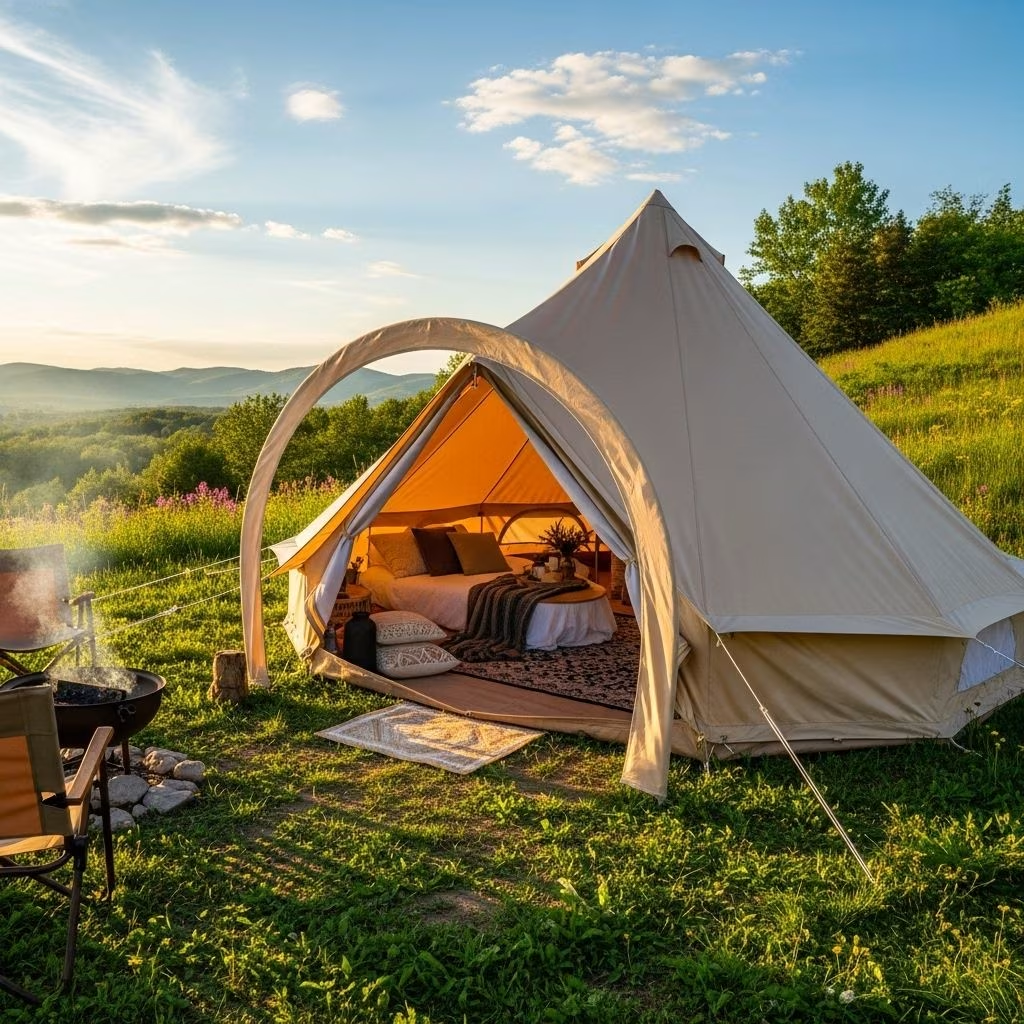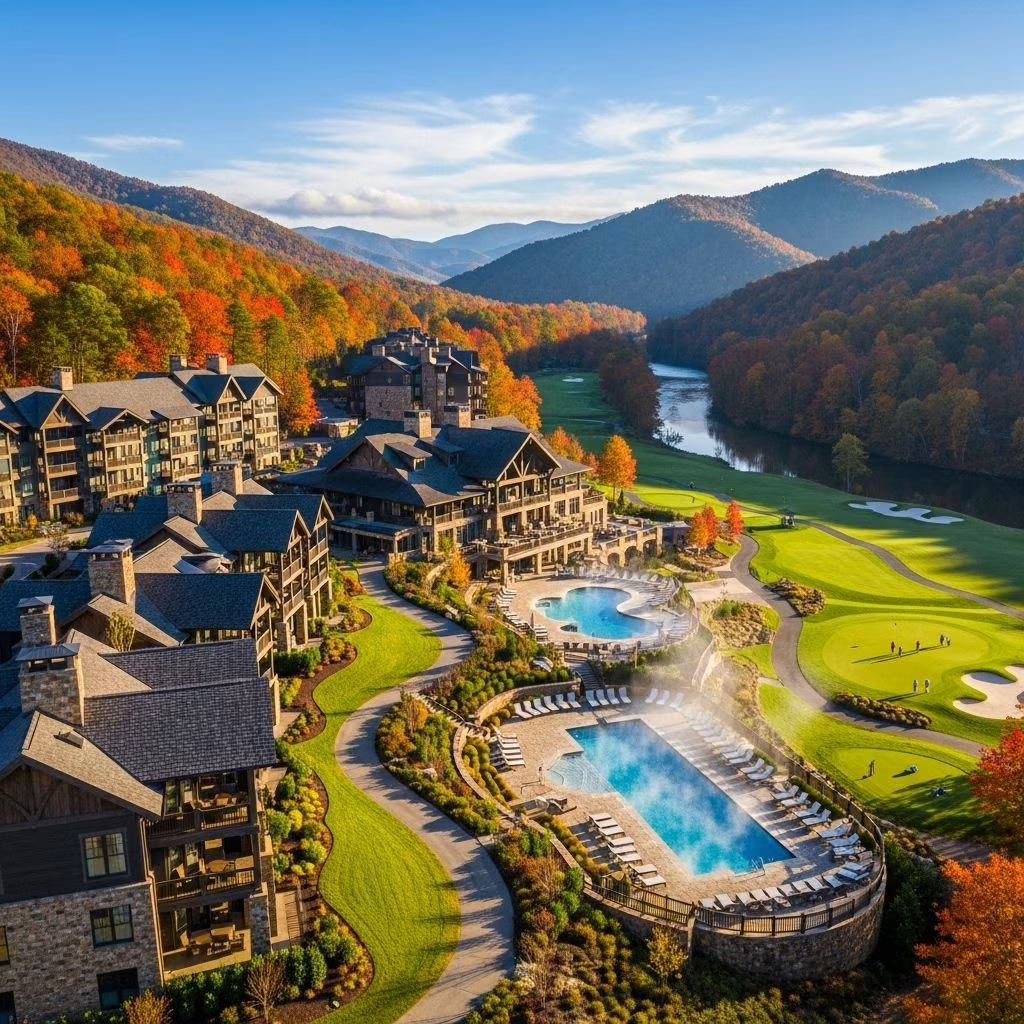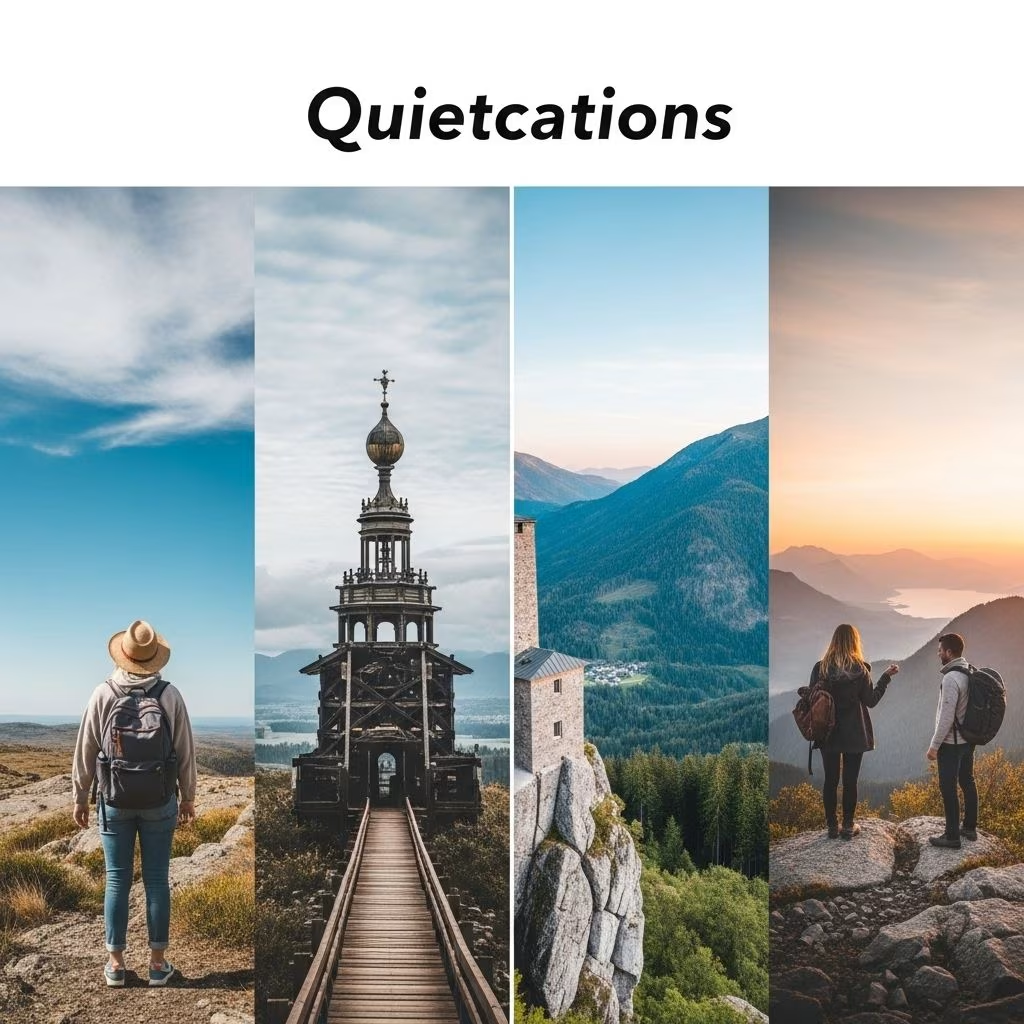
In an increasingly overstimulating and noisy world, a growing number of travelers are seeking the opposite of the traditional action-packed, sightseeing-heavy holiday. Enter the quietcation—a travel trend focused on escaping not just your job, but the modern world’s relentless noise and digital demands. Discover what quietcations are, why they’re being embraced, and how these silence-first getaways can transform your well-being long after your return.
What Is a Quietcation?
A quietcation, sometimes referred to as silent travel, is a vacation designed to help you unplug, decompress, and experience the profound benefits of silence and slow living. Unlike typical travel, quietcations prioritize:
- Minimal noise and digital input
- Mindful, slow-paced activities such as meditation, walking in nature, and tech-free relaxation
- Intentional rest over jam-packed schedules or constant connectivity
This differs from viral trends like ‘quiet vacationing’ (where employees work remotely while concealing their location), as the aim of quietcations is purposeful restoration, not secrecy or multitasking.
Why Are Quietcations Booming?
The surge in quietcations aligns with greater public awareness of mental health, burnout, and digital overload. According to travel industry reports and platforms like Pinterest, searches for “quiet places” and “calm places” have spiked significantly in recent years. This shift reflects a growing desire to swap busy itineraries for trips that genuinely recharge, rather than exhaust, travelers. The wellness travel sector now heavily features silent or near-silent retreats as a top offering[See Benefits].
The Benefits of Silence: What Science and Travelers Say
Silence is more than just absence of noise—it’s a proven wellness tool. Multiple studies highlight the advantages of quiet environments for mental, emotional, and even physical health. Here are key benefits:
- Reduced stress and blood pressure: Silence is associated with lower cortisol levels, diminished anxiety, and improved heart health.
- Better sleep: Detaching from digital screens and city noise helps reset your circadian rhythm.
- Mental clarity and creativity: Quiet moments allow the mind to reset, leading to better focus and problem-solving.
- Emotional restoration: Travelers often report feeling calmer, less irritable, and more balanced after a silent retreat or quietcation.
- Long-term habit formation: Practicing stillness on vacation can make it easier to integrate mindfulness and tech boundaries at home.
Meet the Quietcationers: Why People Seek Silence
A growing cohort—including travel influencers, wellness experts, and everyday vacationers—now seeks quietcations for a range of reasons:
- Managing burnout: Busy professionals use silent travel as an intentional antidote to work-related exhaustion.
- Self-care during health challenges: Those with autoimmune or chronic conditions find restorative solace in quiet environments, where pace can be controlled.
- Creative reset: Artists, writers, and consultants use downtime in silent places as a way to mentally regroup and foster inspiration.
- Mindful recovery: After illness or major life events, silence enables deeper emotional processing and healing.
For example, wellness experts often cite their own experiences of retreating to the hills of Japan or remote cabins, intentionally disconnecting to recharge mentally and physically.
Types of Quietcations
| Quietcation Type | Main Features | Ideal For |
|---|---|---|
| Silent Retreats | Complete or partial silence, often at monasteries or wellness centers; structured meditation, yoga, and mindful meals | Deep restoration, experienced meditators |
| Nature Immersions | Solo hiking, forest bathing, or remote cabins; no tech or minimal interaction | Natura enthusiasts, those needing a digital detox |
| Low-Key Wellness Resorts | Spas, yoga getaways, noise-cancelling design, tech-free hours | Travelers seeking amenities with tranquility |
| DIY Quietcations | Staycations or off-season getaways with intentional limits on schedules and devices | Anyone starting small or experimenting |
How to Plan a Quietcation
Planning a successful quietcation is as much about mindset as it is about location. Consider these steps:
- Define your silence level: Decide if you want complete silence (no talking, no tech) or simply less stimulation and digital minimalism.
- Choose the right setting: Look for locations renowned for peace and tranquility—think secluded resorts, off-grid lodges, or mountain villages.
- Set clear tech boundaries: Enable airplane mode, schedule tech-free hours, or leave devices at home entirely.
- Plan mindful activities: Consider including yoga, meditation, nature walks, or journaling rather than amusement parks or nightclubs.
- Communicate expectations: Travel with like-minded companions or travel solo; let others know you’ll be largely unavailable.
Destinations and Ideas for Quietcations
If you’re seeking inspiration, here are some popular (and lesser-known) quietcation ideas:
- Mountain or lakeside cabins with no Wi-Fi
- Monastery or meditation center retreats
- National parks during off-peak seasons
- International destinations renowned for silence, such as Japan’s Koyasan or Scandinavian forest resorts
- Wellness resorts offering silent breakfasts, guided nature walks, and noise-free spa treatments
What to Expect on a Quietcation
Being alone with your thoughts can feel daunting at first. Many people grow so accustomed to constant noise that stillness may seem uncomfortable. However, most discover that a period of initial discomfort gives way to deep relaxation, improved focus, and a renewed sense of self. Here’s what to keep in mind:
- Some discomfort at the start is normal—it’s a sign you’re unwinding from usual habits.
- Staying occupied isn’t always productive; silence creates space for creative problem-solving.
- It often takes a few days to adjust, especially if you’re used to multitasking.
- Even short quietcations (2–3 days) can yield meaningful benefits if you commit fully to the silence.
Integrating Silence Into Daily Life After a Quietcation
The power of quietcations extends beyond vacation. Experts urge travelers to integrate what they’ve learned by:
- Scheduling short periods of daily silence or meditation (even 20 minutes)
- Designating tech-free zones or time at home
- Replacing some social media scrolling with nature walks or journaling
- Introducing mindful mealtimes free from TV or phone distractions
Wellness is cumulative; the more you deliberately practice silence, the greater the long-term benefits for mind and body.
Scientific Evidence: Are Quietcations Really Effective?
Multiple studies and wellness tourism research support the tangible benefits of quietcations:
- Lower blood pressure and decreased stress: Quiet environments reduce physiological stress markers.
- Improved mood and self-efficacy: Participants in wellness retreats report higher positivity and a greater sense of capability after their trips.
- Better sleep and detoxification: Time in silent, natural environments enhances sleep quality and can help reset the body’s rhythms.
- Long-term habit shifts: Quietcations often spark healthier lifestyle choices that travelers maintain long after returning home.
Some research suggests measurable results in as little as a week, particularly for stress and mental clarity. However, the extent of change varies based on trip duration, retreat structure, and whether habits are continued post-trip.
Quietcation vs. Traditional Vacation: Key Differences
| Traditional Vacation | Quietcation |
|---|---|
| Busy schedules, lots of sightseeing, constant stimulation | Minimal itinerary, slow pace, intentional silence |
| Frequent use of digital devices for photos, navigation, social media | Tech boundaries or even total digital detox |
| Social focus—group meals, entertainment, city nightlife | Solo time, reflective activities, connecting with nature |
| Temporary relaxation, post-trip fatigue common | Deeper recovery, restoration, longer-lasting wellness benefits |
Tips for Maximizing Your Quietcation
- Start with shorter silent stretches if you’re new to spending time unplugged.
- Pack a journal or sketchbook to capture insights without breaking silence.
- Tell friends, family, and co-workers you’ll be minimizing contact—set expectations early.
- Be patient with yourself: transformation into stillness takes practice.
- Reframe any restlessness as evidence that you’re gently undoing old patterns—not “wasting” time.
Frequently Asked Questions (FAQs)
Q: Is a quietcation the same as a meditation retreat?
A: Not always. While many quietcations have a meditation component, some simply focus on reducing stimulation, such as in nature or spa settings, without a formal program.
Q: Do I have to be completely silent the whole time?
A: No. The degree of silence is up to you. Many quietcations offer optional silent periods (e.g., during meals or specific activities), while others provide completely silent days.
Q: Will I be bored?
A: It’s common to feel bored at first, especially if you’re accustomed to constant activity. Most people later report feeling creatively inspired or deeply relaxed after an initial adjustment phase.
Q: Are there health risks to quietcations?
A: For most people, no—quietcations can instead benefit mental health, reduce blood pressure, and improve sleep. Those with specific health concerns should check with their healthcare provider.
Q: Can families or groups try quietcations?
A: Absolutely. While solo travel is common, friends, partners, and even families can enjoy quietcations, provided everyone agrees on device rules and the pace of activities.
Conclusion: Why You Should Consider a Quietcation
The wellness revolution in travel is here—and silence, once overlooked, is now recognized as a cornerstone of radical rest and rejuvenation. Whether you’re a well-practiced wellness traveler or simply burned out and curious, a quietcation offers the powerful reset your mind and body may need. By letting go of noise, you might just rediscover yourself—and the world around you—in ways you never imagined possible.
References
- https://www.bustle.com/wellness/quietcation-wellness-trend-2025
- https://www.shms.com/en/news/wellness-tourism/
- https://upgradedpoints.com/travel/wellness-vacations-hype-or-healing/
- https://www.mckinsey.com/industries/consumer-packaged-goods/our-insights/future-of-wellness-trends
- https://athletechnews.com/wellness-micro-trends/
- https://pmc.ncbi.nlm.nih.gov/articles/PMC9869067/
- https://hospitalityinsights.ehl.edu/wellness-travel-market
- https://globalwellnessinstitute.org/global-wellness-institute-blog/2025/03/28/workplace-wellbeing-initiative-trends-for-2025/
- https://www.mckinsey.com/industries/consumer-packaged-goods/our-insights/the-trends-defining-the-1-point-8-trillion-dollar-global-wellness-market-in-2024
- https://www.benefitspro.com/2025/01/10/5-trends-transforming-workplace-wellbeing-in-2025/