What Are Bio-Enzymes?
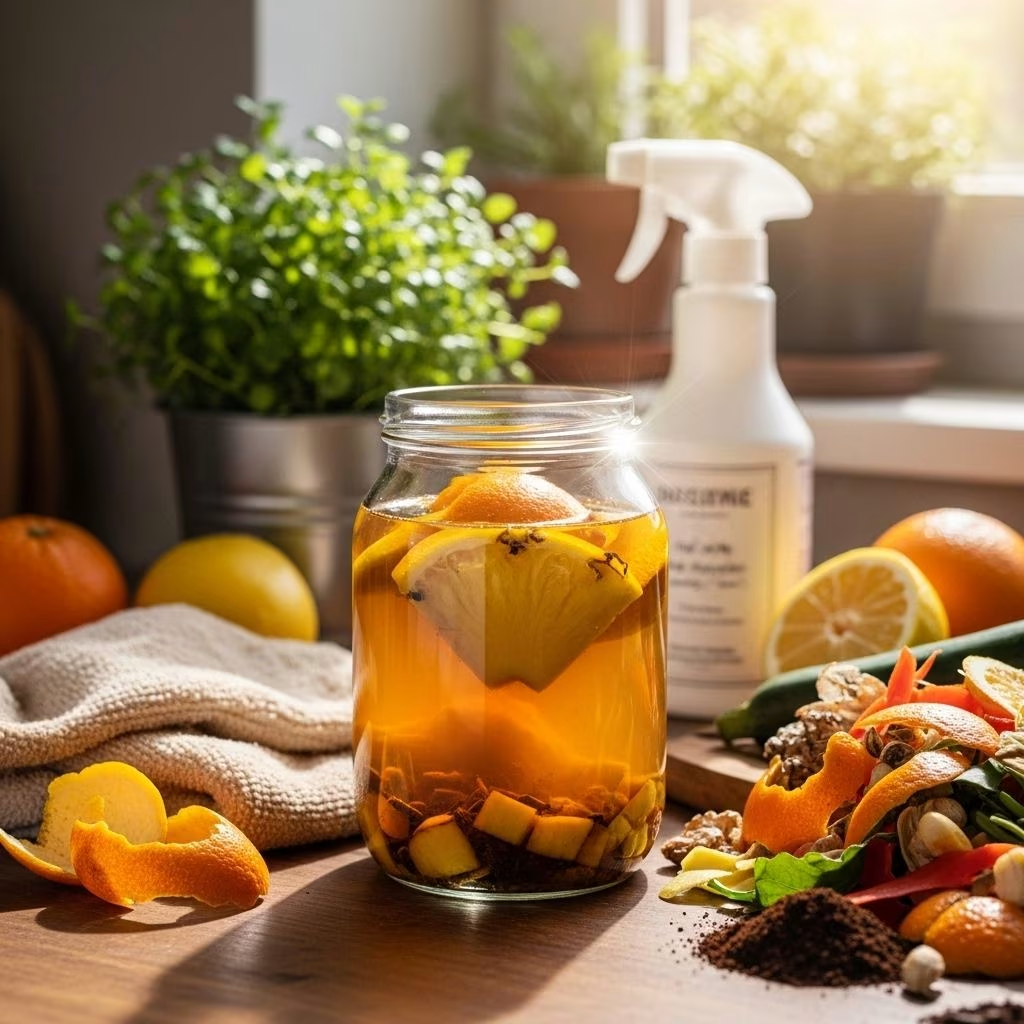
Bio-enzymes are natural cleaning solutions created through the fermentation of kitchen waste, primarily citrus peels, jaggery, and water. The process harnesses beneficial microbes to break down organic matter, producing a liquid rich in enzymes, which can break up grease, stains, and grime. Unlike typical cleaning chemicals, bio-enzymes are safe, non-toxic, and environmentally friendly.
Why Make Bio-Enzyme at Home?
- Reduce Household Chemical Use: Commercial cleaners often contain harsh chemicals that can contaminate waterways and harm health. Bio-enzymes provide a chemical-free alternative for cleaning surfaces, dishes, laundry, and toilets.
- Utilize Food Scraps: Repurposes kitchen waste like citrus peels, reducing landfill contributions and promoting a waste-free lifestyle.
- Cost-Effective and Versatile: Ingredients are inexpensive and easily available. Once made, bio-enzymes can be used for several cleaning applications—saving money and reducing the clutter from multiple cleaning liquids.
- Safe for Family and Pets: Contains no synthetic substances, making it safer for children, pets, and allergy-prone individuals.
- Environmental Impact: Less packaging waste, less chemical runoff, and lower carbon footprint compared to store-bought products.
The Science Behind Bio-Enzyme Fermentation
The production of bio-enzymes is based on anaerobic fermentation, where beneficial microbes break down sugars and organic acids in kitchen waste. The microbes produce enzymes that degrade complex organic compounds (like oils and proteins), enabling the liquid to act as a cleaner and degreaser. Over time, fermentation generates a mixture of organic acids, alcohols, and biologically active compounds that give bio-enzymes their cleaning power.
Ingredients Needed for Homemade Bio-Enzyme
| Ingredient | Role |
|---|---|
| Citrus Peels | Source of organic material and natural oils |
| Jaggery (or brown sugar) | Feeds the microbes, kickstarting fermentation |
| Water | Medium for fermentation |
Optional Additions:
- Yeast (to speed up fermentation)
- Starter pulp from a previous batch
Step-by-Step Guide: How To Make Bio-Enzyme At Home
Step 1: Gather and Prepare Ingredients
- Citrus peels (orange, lemon, lime, etc.) – avoid processed/frozen peels
- Jaggery or brown sugar
- Clean, room-temperature drinking water
- A large plastic bottle or jar with a tight lid (leave 10–15% empty for gases)
Step 2: Measure Ingredients
- Ratio: 1 part jaggery, 3 parts peels, 10 parts water (by volume, e.g. 100g jaggery: 300g peels: 1L water)
Step 3: Mix and Start Fermentation
- Layer peels, jaggery, and water in the bottle.
- Do not use glass: Gases may build up and shatter the container.
- Seal with a tight lid. Label with the date.
- Store in a dark, dry place, away from sunlight.
Step 4: Manage Gas Build-Up
- For the first week: Open the lid daily to release fermentation gases.
- Second week: Open every other day.
- After two weeks: Open once a week.
- Failure to release gases could risk a leak or burst container.
Step 5: Fermentation Timeline
- Traditional Method: Takes up to 3 months for the enzyme to be ready.
- With Starter Pulp: Add a cup from a previous batch to ready new enzyme in 1 month.
- With Yeast: Add 1 tsp baking yeast to speed to 20 days (quality remains similar).
Step 6: Strain and Store
- Strain the liquid using a fine mesh cloth or sieve and squeeze the pulp to extract maximum liquid.
- Retain leftover pulp for future batches or use as concentrated cleaner.
- Store the bio-enzyme in airtight bottles. The liquid may be orange to brown, with some fine residue (okay to use).
Common Uses of Bio-Enzyme in Home Cleaning
- Floor Cleaner: Add to mop water for streak-free, sanitized floors.
- Bathroom Cleaner: Effective against toilet stains, sinks, tubs, and tile grout.
- Dishwashing: Mix with soapnut for grease removal on utensils.
- Laundry: Add 2–3 tablespoons to washing machine for odor-free, soft clothes.
- Multipurpose Surface Spray: For countertops, glass, appliances, and kitchen sinks.
- Compost Activator: Speeds up decomposition in compost bins.
- Fertilizer/Plant Manure: Use small amounts diluted for plant watering (promotes root health).
- Handwash: Gentle cleaner for hands if diluted properly.
Environmental and Social Benefits
- Waste Reduction: Redirects organic waste from landfill.
- Waterway Protection: Less chemical residue flows into sewage, protecting aquatic life.
- Cost Savings: Reduces monthly cleaning supply expenses.
- Community Impact: Popular movement in eco-conscious communities; some stores sell commercial bio-enzymes.
- Supports Circular Economy: Every batch recycles leftovers for new batches, creating minimal waste.
Tips, Tricks, and Troubleshooting
- Batch Speed-Up: Use yeast or leftover pulp to reduce waiting time for the fermentation batch.
- Gas Management: Never skip airing bottles as gas buildup is normal and must be controlled.
- Dark Storage: Keep fermenting bottles out of sunlight for consistent microbial activity.
- Measurement Flexibility: The formula is forgiving; slight deviations usually don’t spoil the batch.
- Odor: Finished bio-enzyme should have a fresh citrus smell; if it smells rotten, discard.
Comparisons: Bio-Enzyme vs. Traditional Cleaners
| Aspect | DIY Bio-Enzyme | Chemical Cleaners |
|---|---|---|
| Ingredients | Natural, biodegradable (citrus peels, jaggery, water) | Industrial chemicals, fragrances, preservatives |
| Safety | Non-toxic; safe for children & pets | Can cause skin/eye irritation, exposure harmful |
| Environmental Impact | Low; reduces waste & pollution | High; contains persistent chemicals |
| Cost | Very low, uses kitchen waste | Medium to high, recurring purchases |
| Versatility | Multi-purpose (cleaning, gardening, composting, handwash) | Specific to purpose (toilet, glass, dish, etc.) |
Frequently Asked Questions (FAQs)
How can I speed up the fermentation?
Add either baking yeast (1 tsp per liter) or leftover pulp from a previous batch. With yeast, the process completes in 20 days. With starter pulp, it’s ready in a month.
Is the quality affected by using yeast?
No, the bio-enzyme quality remains the same. Yeast simply speeds up the microbial fermentation but may increase gas production—open bottles daily to prevent pressure.
Can I use bio-enzyme for washing fruits and vegetables?
Bio-enzymes can clean surfaces, but they are not edible. Do not use them directly for washing produce intended for consumption.
What if I only have non-citrus peels?
Other fruit and vegetable peels can be used, but citrus peels provide natural degreasing power and a pleasant aroma. Non-citrus peels may result in less effective cleaning action.
Does the container type matter?
Use plastic containers with tight lids; do not use glass, as gas buildup can shatter it.
How do I use the leftover pulp?
Reuse as a starter for future batches, or as a concentrated cleaner for tough stains. Pulp can also be composted.
How can I tell the batch is ready?
After fermentation (3 months for first batch, 1 month with starter/yeast), the liquid should be orange-brown, fresh-smelling, free from large particles (strain if needed).
Does bio-enzyme clean as effectively as store-bought products?
Bio-enzymes are reported by users to handle most household cleaning needs, from removing grime and stains to disinfecting surfaces, though heavily soiled items may need extra scrubbing or repeated applications.
Can I sell homemade bio-enzyme?
Yes, many eco stores and individuals prepare and sell bio-enzyme locally. However, always comply with local regulations and disclose ingredients for transparency.
Conclusion: Join the Sustainable Cleaning Revolution
By making bio-enzyme at home, you contribute toward a healthier home and cleaner planet, transforming common kitchen waste into a powerful solution for everyday cleaning. The process is simple, cost-effective, and adaptable to large or small households. Homemade bio-enzyme embodies the spirit of zero-waste living—redefining how we clean, conserve, and care for our environment.
References
- http://kaustubam.blogspot.com/2017/02/how-to-make-bio-enzyme-or-garbage.html
- https://www.youtube.com/watch?v=uwUUbY4I2kE
- https://timesofindia.indiatimes.com/city/pune/from-vessels-to-floors-toilets-bio-enzymes-make-cleaning-a-chemical-free-choice-for-all/articleshow/104792213.cms
- https://www.irjet.net/archives/V8/i3/IRJET-V8I3302.pdf
- https://anubooks.com/uploads/files/17140334641.pdf
- https://pmc.ncbi.nlm.nih.gov/articles/PMC8490741/