The Eco Argument Against Cotton Swabs: Rethinking Everyday Essentials
Cotton swabs, commonly known by the brand name Q-tips, are a staple in homes worldwide. Yet, despite their ubiquity and usefulness, these seemingly innocuous implements generate serious environmental concerns. As the world grows more conscious of plastic waste and sustainable consumption, the cotton swab stands as a prime example of a disposable product with hidden costs. This article explores the journey of the cotton swab, its impact on the environment, safer ways to use or avoid them, and offers guidance on more sustainable alternatives.
A Brief History of Cotton Swabs
The cotton swab owes its inception to Leo Gerstenzang, who, in the 1920s, invented the Q-tip after observing his wife wrap cotton around a toothpick to clean their baby’s ears. This simple household innovation quickly evolved and, by the mid-20th century, was found in nearly every medicine cabinet around the world.
Key historical highlights:
- 1920s: The mass manufacturing of cotton swabs begins.
- Brand dominance: “Q-tip” becomes a generic name for cotton swabs in the U.S., much like “Kleenex” for tissues.
- Expanding uses: Originally promoted for baby care and ear cleaning, cotton swabs have accumulated a wide range of uses.
Why Do People Use Cotton Swabs?
Cotton swabs have developed a reputation for versatility. Manufacturers market them for multiple personal care and household tasks. Some of the most common uses include:
- Cleaning the outer ear (despite medical warnings)
- Applying and adjusting makeup
- Cleaning electronics and small crevices
- First-aid and wound care
- Cleaning jewelry
- Arts, crafts, and hobbies
Despite the packaging recommendations rarely suggesting ear canal cleaning, it remains the most common reason people purchase and use cotton swabs.
What’s the Problem With Cotton Swabs?
At first glance, cotton swabs appear harmless. However, several key issues arise from their use:
- Health Risks: Medical experts discourage inserting cotton swabs into ear canals, as it can push wax further in, cause injury, or even lead to infection.
- Single-Use Plastics: Most cotton swabs are single-use and commonly feature plastic or paper sticks, leading to unnecessary waste.
- Environmental Impact: Improperly discarded swabs, particularly those with plastic stems, are persistent pollutants, often found on beaches and in aquatic habitats.
Let’s examine each of these challenges in more depth.
Environmental Impact of Cotton Swabs
The life cycle of a cotton swab—from cotton cultivation to disposal—is marked by significant environmental costs. Consider the following:
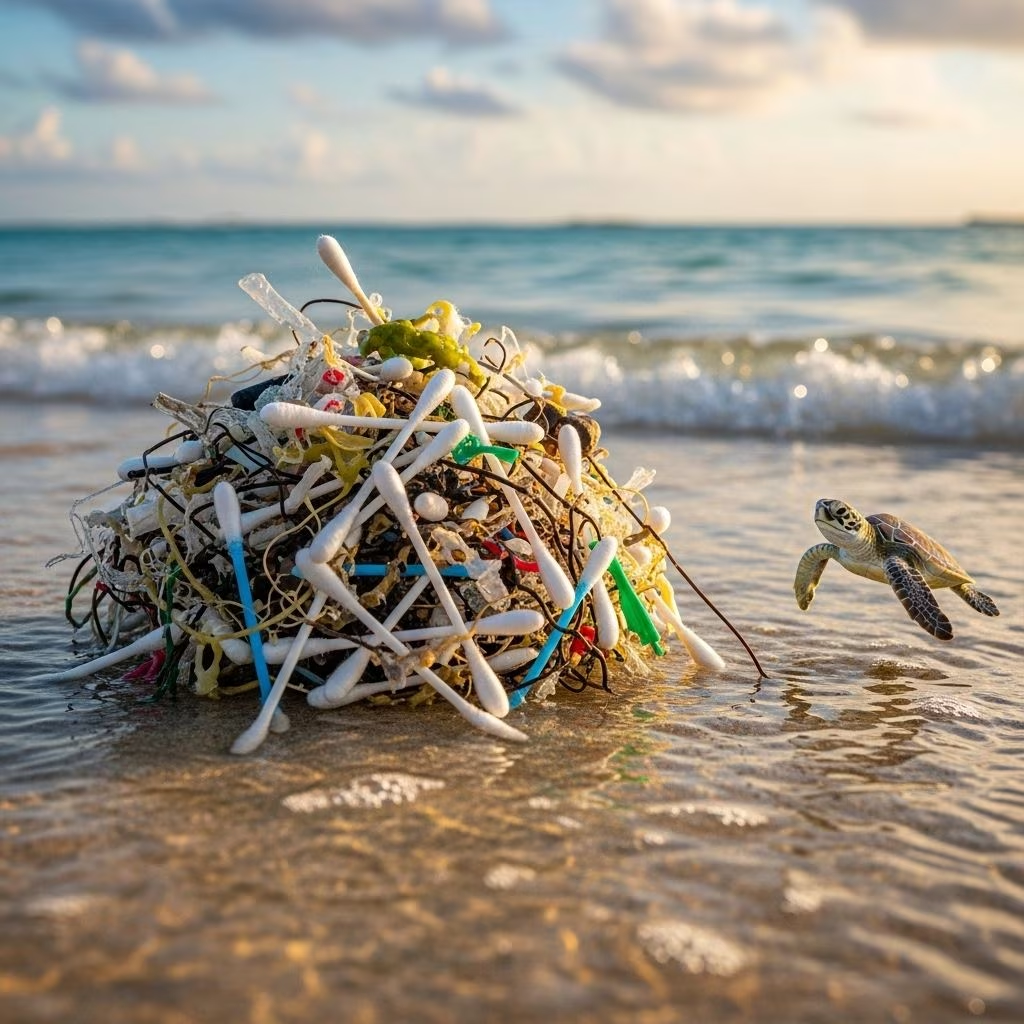
- Plastic Pollution: Swabs with plastic stems are a notable contributor to marine pollution. These small plastics can evade filtration in wastewater treatment and end up in oceans, where they harm wildlife.
- Resource-Intensive Production: Cotton farming requires large amounts of water, land, and pesticides. Energy-intensive processes also accompany the manufacturing and transportation stages, consuming hundreds of millions of BTUs in getting product from field to factory and eventually to the store shelf.
- Waste Management Issues: Once used, most swabs are too small for typical recycling facilities and rarely make it to compost piles, instead ending up in landfills or, worse, flushed and carried directly into waterways.
| Material | Common Disposal Route | Time to Degrade |
|---|---|---|
| Plastic-stemmed | Landfill or water systems | Up to 400 years |
| Paper-stemmed | Compost or landfill | 3-5 months (if composted) |
| Biodegradable/cotton-only | Compost or landfill | 2-6 months (if composted) |
The push for eliminating plastic stems has gained traction around the globe, with the EU and several other regions implementing bans on the manufacture and sale of plastic-stemmed cotton swabs. Advocates encourage the use of biodegradable paper or bamboo stems and certified organic cotton tips.
Sustainable Alternatives to Cotton Swabs
The growing awareness of the environmental impact of single-use swabs is driving innovation in eco-friendly alternatives. Some effective options include:
- Paper or Bamboo-Stemmed Cotton Swabs: These break down much more easily in compost and carry a considerably lower ecological burden.
- Reusable Silicone Swabs: Designed for repeated use and easy cleaning, these drastically reduce overall waste.
- Reusable Organic Rounds and Cloths: For most of the tasks traditionally assigned to swabs—such as makeup removal or cleaning—washable cotton rounds or bamboo fiber cloths are an excellent substitute.
- Do-It-Yourself Techniques: For cleaning small crevices or electronics, thin fabric-wrapped sticks or brushes can work just as well and avoid daily waste generation.
When choosing disposable swabs, always seek products labeled biodegradable and certified organic, which signify not just environmental safety but also minimal chemical residues for sensitive applications.
The Evidence Against Using Cotton Swabs in Ears
Despite decades of habitual use, a robust body of medical evidence now warns against inserting swabs into the ear canal. Here’s why:
- Natural Defense: Earwax serves as a protective barrier, trapping dust and preventing infection. Swabs can disrupt this balance and push wax deeper, rather than removing it.
- Injury Risk: The thin and rigid form of swabs makes it easy to puncture the eardrum or injure the ear canal, potentially causing pain, hearing loss, or lasting damage.
- Doctor Recommendations: ENT (Ear, Nose & Throat) specialists universally recommend leaving the ear canal alone, except in cases of medical treatment administered by professionals.
Despite packaging and professional warnings, a significant proportion of swab sales are still driven by consumers seeking “cleaner” ears.
Tips for Reducing Single-Use Swabs
Minimizing the use of single-use cotton swabs is both environmentally responsible and economically wise. Here are a few practical steps to adopt:
- Practice selective use: Reserve single-use swabs for tasks that genuinely require them, such as wound care.
- Switch to reusable products: Utilize multi-use swabs, rounds, or cloths for personal care, makeup removal, and cleaning jobs.
- Compost when possible: If you still use biodegradable cotton swabs, ensure they are placed in compost rather than the trash, and never flush them down the toilet.
- Try alternative cleaning methods: For electronics and delicate tasks, try compressed air, brushes, or fabric-tipped sticks.
Frequently Asked Questions (FAQs)
Q: What are cotton swabs made of?
A: Traditional cotton swabs consist of a small wad of cotton wrapped around one or both ends of a small rod made from plastic, paper, or bamboo. Organic and eco-friendly versions use certified organic cotton and compostable stems.
Q: Are paper-stemmed swabs genuinely better for the environment?
A: Yes. Paper and bamboo break down quickly in compost or landfill conditions, unlike plastic, which can persist for centuries and contribute to microplastic pollution.
Q: What happens if I flush cotton swabs down the toilet?
A: Flushing swabs is strongly discouraged, as they can bypass wastewater filters, clog pipes, or enter rivers and oceans where they harm wildlife.
Q: Is there any safe way to clean the ears with cotton swabs?
A: According to medical professionals, cotton swabs should only ever be used to clean the outer ear. Avoid inserting them into the ear canal to prevent impaction or injury.
Q: What should I look for in a sustainable cotton swab?
A: Choose swabs with paper or bamboo stems, certified organic cotton tips, minimal packaging, and a clear biodegradable or compostable label.
Q: Are there regions where plastic-stemmed swabs are banned?
A: Yes. The European Union and several countries have enacted bans on the sale of plastic-stemmed swabs, promoting alternatives to reduce marine pollution.
Conclusion
Though cotton swabs may seem a minor detail in the grand scheme of global waste, their staggering consumption rates and persistent pollution highlight the importance of small daily choices. By understanding the full environmental impact of these single-use items and actively choosing sustainable alternatives, individuals can promote healthier habits for both themselves and the planet. It is a small, but significant, step towards curbing the tide of unnecessary waste and embracing a more mindful, eco-friendly lifestyle.
References
- http://www.designlife-cycle.com/cotton-swabs
- https://www.walmart.com/ip/Sky-Organics-Pure-and-Organic-Cotton-Swabs-for-Sensitive-Skin-375-Count/165639232
- https://www.hy-vee.com/aisles-online/p/62904/QTips-Durable-Paper-Stick-Cotton-Swabs
- https://www.totalbeauty.com/content/blog/eco-cotton-rounds
- https://ecooptimism.com/?tag=treehugger