


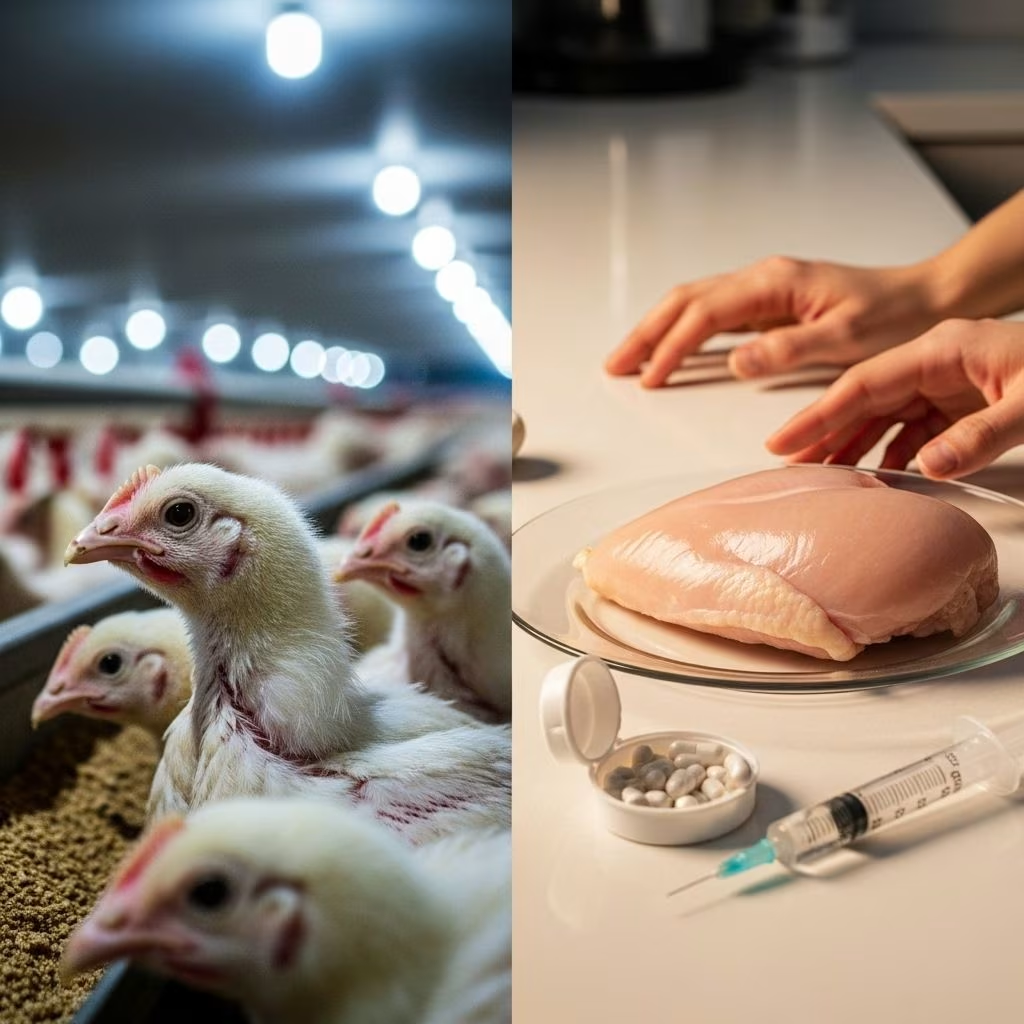
Antibiotics and Hormones in Factory-Farmed Animals: Understanding Their Use and Impact
Industrial agriculture relies heavily on antibiotics and hormones to maximize animal growth, manage disease, and maintain productivity. While these practices have increased meat production, they have also sparked concern about their consequences for food safety, public health, and animal welfare.
What Are Antibiotics and Hormones—and Why Are They Used?
Antibiotics are prescribed to livestock both to prevent and treat illness, and as growth promoters in some systems. Hormones are administered to regulate growth and reproduction, helping animals gain weight more quickly or produce more milk or eggs.
- Antibiotics: Used to prevent disease outbreaks in crowded, stressful conditions; also used to stimulate growth at subtherapeutic doses.
- Hormones: Used in beef, lamb, pork, poultry, and dairy production to speed up growth rates and boost output.
The Mechanisms
Hormone implants are placed under the skin (often behind the ear) and release natural or synthetic hormones slowly over time, supporting rapid muscle development and fattening. Antibiotics may be administered in feed, water, or by injection.
Types of Hormones and Antibiotics Used in Livestock
| Class | Common Examples | Function |
|---|---|---|
| Natural Steroid Hormones | Estradiol-17β, Testosterone, Progesterone | Regulate growth and reproduction |
| Synthetic Hormones | Trenbolone Acetate, DES, Melengestrol Acetate | Promote weight gain, manipulate reproductive cycles |
| Antibiotics | Tetracyclines, Penicillins, Sulfonamides | Disease prevention, growth promotion |
How Are They Administered?
Livestock may receive hormones and antibiotics in several ways:
- Implants: Tablets or pellets placed under the skin for slow release (hormones).
- Feed or Water Additives: Antibiotics mixed into food or water sources for ongoing ingestion.
- Direct Injection: Less common, but used for specific treatments.
- Pads: Hormones applied via skin pads in some practices.
Regulation and Approval
In the United States and many other countries, the use of specific antibiotics and hormones in farm animals is regulated. Only veterinary drugs that have passed rigorous safety, efficacy, and withdrawal tests are approved for agricultural use. Residues must remain below regulated maximum levels, and many substances require a mandatory withdrawal period before animals reach slaughter.
- Zero-day withdrawal: For some steroid implants, meat is considered safe any time after treatment.
- Maximum Residue Limits (MRLs): Defined by agencies to ensure food safety.
- Acceptable Daily Intakes (ADIs): Set for humans based on scientific risk assessments.
- National bans and restrictions: The European Union, for example, has banned hormone use in beef and poultry farming.
Impacts on Animal Welfare
Rapid growth induced by hormones and crowding facilitated by prophylactic antibiotic use can lead to significant health and behavioral problems for animals:
- Stress on bones, organs, and immune systems due to unnaturally accelerated growth.
- Altered behaviors and body conformations, such as feminization or abnormal sexual behavior in cattle given estrogenic hormones.
- Increased risk of painful medical complications, including lameness and reproductive disorders.
- Animals often treated as commodities rather than sentient beings, raising ethical concerns.
Human Health Risks and Scientific Debate
The potential for human health impacts from exposure to antibiotic and hormone residues via meat and dairy consumption remains debated.
Antibiotic Resistance
- Routine use of antibiotics in livestock is a major driver of antibiotic resistance globally.
- Pathogenic bacteria exposed to low levels of antibiotics can develop resistance, making infections in humans more difficult to treat.
- Disruption of human intestinal flora is a recognized risk, potentially leading to health issues.
Hormone Residues
- Scientific consensus generally finds that, when used according to good veterinary and regulatory practice, natural steroid hormones pose negligible risk to human consumers.
- Synthetic hormones and their residues carry greater uncertainty; regulatory bodies set strict limits, but concerns linger about possible links to early puberty or endocrine disruption.
- Some studies suggest added hormones are not linked to conditions such as early puberty when adhering to approved methods, though consumer anxiety persists.
Evaluating the Risks
Regulatory bodies like the FDA, EFSA, and WHO rely on large-scale risk assessments, considering exposure amounts, dose-response models, and population impacts. For antimicrobial resistance, more evidence is needed to fully characterize the connection between agricultural use and human health outcomes.
Environmental Impacts
Both antibiotics and hormones can seep into soil and water systems near farms, contaminating local ecosystems.
- Water pollution: Drug residues can leach into waterways, threatening aquatic life and local biodiversity.
- Wildlife disruption: Hormones may interfere with the reproductive cycles of wildlife residing near factories and farms.
- Spread of antibiotic-resistant bacteria: Resistant strains originating on farms can escape into natural habitats, amplifying environmental and public health problems.
Product Labeling and Consumer Choice
Labels such as “antibiotic-free,” “hormone-free,” “organic,” and “natural” aim to inform—but sometimes confuse—consumers. Notably:
- “Antibiotic-free” means no antibiotics were used at any stage in the animal’s life; enforcement can vary by jurisdiction.
- “Hormone-free” is often used on poultry and pork products, even though hormone use is banned in these animals in several countries.
- “Organic” typically prohibits routine antibiotics and hormone use, though exceptions may exist for emergency animal health.
- Polls indicate many consumers want clear, mandatory labeling for products raised with hormones or antibiotics.
Global Perspectives—Regulation and Consumer Awareness
Practices and regulatory standards vary dramatically across countries:
- Europe enforces bans on growth-promoting hormones and restricts antibiotic use, while the United States allows both under strict regulation.
- Many Asian and South American countries allow antibiotic and hormone usage, with different standards.
- Consumer awareness is growing, but most conventional meats are still produced using these substances.
- Demand for “organic” and “hormone-free” meat remains relatively low compared to the scale of industrial production.
Alternatives and Solutions
- Better husbandry: Providing cleaner, less crowded conditions reduces the need for antibiotics and hormones.
- Integrated pest and disease management: Techniques that use a combination of natural and targeted intervention can help maintain animal health without prophylactic drugs.
- Organic farming: Emphasizes animal welfare and prohibits routine use of synthetic drugs.
- Consumer advocacy: Supporting transparent labeling and voting with food dollars can push industry reform.
Frequently Asked Questions (FAQs)
Q: Are the antibiotics and hormones given to farm animals safe for humans?
Regulators assert that residues in meat are kept below safe limits, but the rise of antibiotic resistance and ongoing research into synthetic hormone risks mean concerns remain.
Q: Do hormones in food cause early puberty or health problems?
Most scientific studies show no direct link between approved hormone use in livestock and early puberty or endocrine disorders, but some consumer groups and researchers still call for caution.
Q: Can antibiotic-resistant bacteria from farms infect humans?
Yes. Pathogens resistant to antibiotics used in animal agriculture can spread via contaminated food, water, or direct contact, posing real challenges to human medicine.
Q: Is organic meat free of antibiotics and hormones?
Organic certification prohibits routine use of these substances, though emergency treatments may occur and strict record-keeping is required.
Q: How do I know if the meat I’m buying contains residues?
Residue testing and regulatory compliance are required for conventionally produced meat. “Antibiotic-free” or “hormone-free” labels offer added assurance but should be checked for authenticity.
What Can Concerned Consumers Do?
- Choose organic or certified meats when possible.
- Read labels critically and research claims.
- Support policy change through public comment, advocacy, and informed food choices.
- Reduce meat consumption to lessen personal and environmental risks.
Summary Table: Key Facts about Antibiotics and Hormones in Food Animals
| Issue | Animal Impact | Human Health Impact | Solutions |
|---|---|---|---|
| Antibiotics | Disease control, growth acceleration, resistance development | Antibiotic-resistant infections; potential gut flora disruption | Limit use, improve animal husbandry, stronger regulations |
| Hormones | Rapid growth, increased reproduction, physiological stress | Minimal residue risk when regulated, uncertainty for synthetic hormones | Regulatory oversight, consumer choice, alternative farming |
| Environmental Contamination | Waste management issues | Water and soil pollution, wildlife disruption | Eco-friendly farming, buffer zones, monitoring |
Frequently Asked Questions (FAQs)
Q: Why are antibiotics and hormones used in factory farming?
A: To promote faster growth, increase productivity, and prevent disease outbreaks in crowded, stressful industrial farm settings.
Q: What risks are associated with these practices?
A: Key risks include antibiotic resistance, animal suffering, residue in food, and environmental contamination.
Q: How can I protect myself as a consumer?
A: Choose organic or certified products, read labels, and advocate for clearer transparency in food production.
Q: Are hormones and antibiotics allowed everywhere?
A: No. Regulations vary by country; Europe, for example, bans hormones in farm animals, while the US regulates their use.
References
- https://nebraskacorn.gov/cornstalk/animals/antibiotics-hormones/
- https://pmc.ncbi.nlm.nih.gov/articles/PMC3834504/
- https://veganfta.com/blog/2024/03/30/the-abuse-of-antibiotics-and-hormones-in-animal-agriculture/
- https://www.saveourantibiotics.org/the-issue/antibiotic-overuse-in-livestock-farming/
- https://www.ecowatch.com/factory-farms-antibiotic-resistance-2641508323.html
- https://www.publicjustice.net/antibiotics-and-hormones-in-factory-farmed-meat-make-you-fat-and-thats-just-the-least-of-our-worries/
- https://www.fda.gov/animal-veterinary/product-safety-information/steroid-hormone-implants-used-growth-food-producing-animals
- https://www.ncbi.nlm.nih.gov/books/NBK216502/
- https://www.farmsanctuary.org/issue/public-health/


