


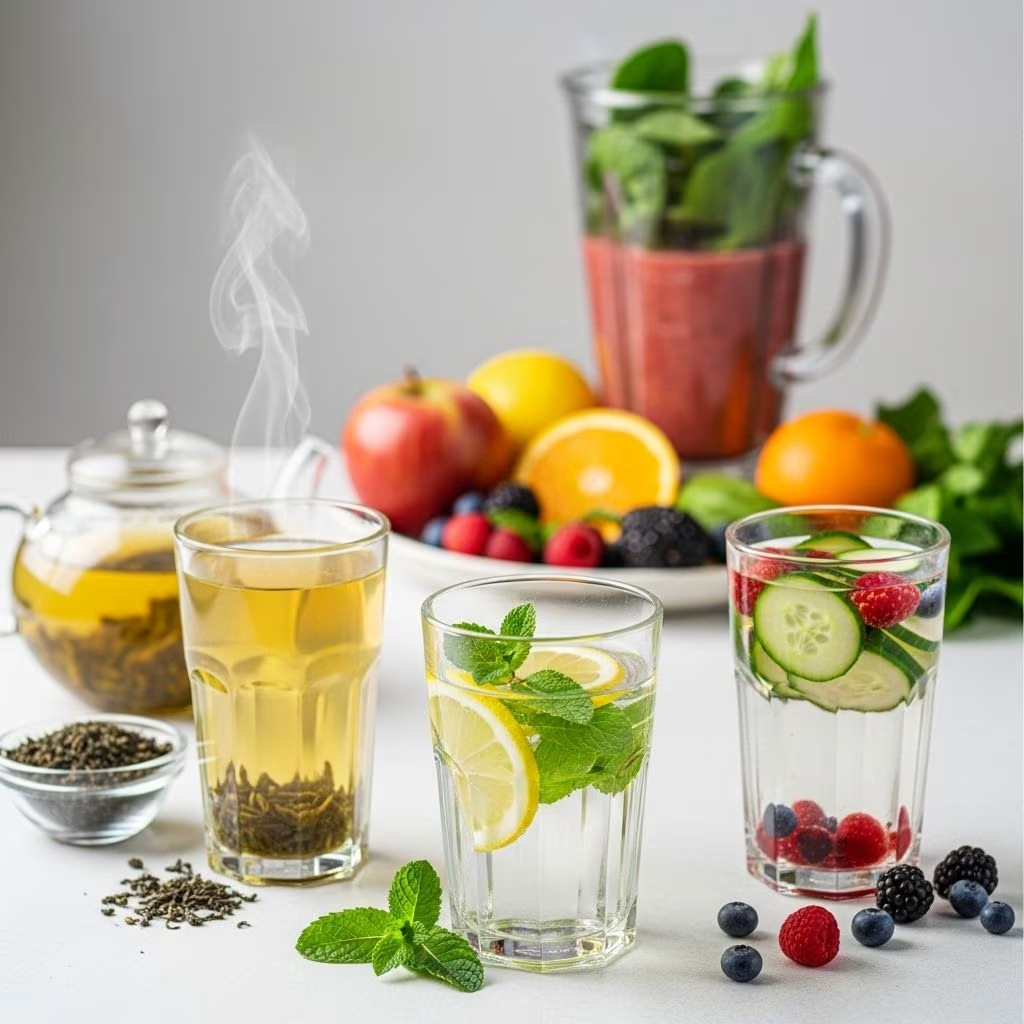
Achieving your weight loss goals isn’t just about the foods you eat—what you drink matters, too. From boosting metabolism to controlling appetite and supporting hydration, specific beverages can play a supportive role in a healthy lifestyle. In this comprehensive guide, discover the most effective evidence-based drinks for weight loss, the science behind them, and practical tips for making the best drink choices each day.
Can Certain Drinks Boost Weight Loss?
Many people wonder if weight loss drinks are real or just another nutrition myth. According to registered dietitians, switching from sugary beverages to low- or no-calorie options can make a meaningful difference in both calorie intake and weight management. While no beverage by itself will produce dramatic weight loss, the right drinks can complement a balanced diet and healthy habits to help you achieve your goals.
- Water is always the top choice. It’s calorie-free, hydrates efficiently, and helps promote satiety, especially when consumed with fiber-rich foods.
- Unsweetened teas and coffee can offer metabolic benefits, but should not be relied upon alone to reduce weight.
- Be wary of any specialized “fat-burning” drinks or shakes promising dramatic results; these are not supported by scientific consensus.
Before making changes to your diet or beverage choices, always consult your healthcare provider, especially if you have existing medical conditions or take medications.
1. Water: The Ultimate Weight Loss Drink
Water is perhaps the simplest yet most powerful beverage for healthy weight management. Swapping out high-calorie drinks like soda, juice, and sweetened coffee for water instantly reduces your daily calorie intake and supports optimal hydration.
- Staying full: Water expands when consumed with fiber, helping you feel fuller longer and potentially reducing caloric intake at meals.
- Metabolic support: Research indicates that drinking water instead of diet soda or other artificially sweetened drinks may promote greater weight loss.
- Zero calories: With absolutely no calories, water is an ideal hydration choice for weight loss.
One study found that individuals who replaced diet sodas with water lost 14% more weight than those who didn’t, even when all other aspects of their diet were the same.
2. Green Tea: Rich in Antioxidants and Metabolic Boosters
Green tea has received significant research attention for its potential role in boosting metabolism and supporting fat loss. Its main active ingredients, catechins—especially epigallocatechin gallate (EGCG)—and moderate amounts of caffeine may enhance calorie expenditure and fat burning.
- Antioxidant effects: Catechins are powerful plant compounds that reduce oxidative stress and may help mobilize fat stores.
- Combined benefits: The natural caffeine and catechins in green tea work together to support a modest metabolic increase.
- Satiety: Hot green tea can enhance feelings of fullness and help you avoid snacking.
For best results, drink green tea plain, without sweeteners or full-fat milk. Aim for 2-3 cups per day for the potential health benefits.
3. Black Tea: Polyphenol Power for Weight Control
Black tea is another excellent beverage for those seeking support in weight management. While it contains a similar amount of caffeine to green tea, its unique concentration of polyphenols may be particularly beneficial.
- Polyphenols: These compounds have been linked to improved gut bacteria, increased fat breakdown, and reduced calorie absorption.
- Gut health: The polyphenols in black tea can promote a healthier gut microbiome, which may influence weight regulation.
- Low calories: Enjoyed without sugar or cream, black tea is a virtually calorie-free option.
Experiment with different black teas—such as English Breakfast, Earl Grey, or Darjeeling—to find your favorite flavor while reaping metabolism-supporting benefits.
4. Skim Milk: A Protein-Rich, Low-Calorie Choice
Skim milk offers essential nutrients like protein and calcium, with significantly fewer calories and less fat than whole milk.
- Calorie control: Skim milk contains about 80 calories per cup, compared to 152 calories in whole milk.
- Fat content: Whole milk has about 8 grams of fat per cup, while skim milk offers only 0.2 grams.
- Supports muscle maintenance: The protein in milk may help preserve lean muscle mass during weight loss.
Swapping full-fat or sweetened milk for skim milk in coffee, cereal, or smoothies is a simple way to cut calories and fat from your daily routine.
5. Grape Juice in Moderation: Nighttime Metabolism Benefits
Fruit juices are generally not recommended for frequent consumption because of their calorie and sugar content, but a small glass of 100% grape juice at night may have unique advantages for metabolism and sleep.
- Resveratrol: This antioxidant, found in grapes, is associated with converting calorie-storing white fat into energy-burning brown fat.
- Circadian rhythm regulation: Simple carbohydrates in grape juice may help align your body’s internal clock when consumed before bed, which is important for metabolic health.
- Use caution: Stick to a small, measured serving to avoid excess sugar and calories.
Note: Although wine also contains resveratrol, alcohol before bed can disrupt sleep patterns and is not recommended as a weight loss aid.
6. Milk Before Bed: Nighttime Protein and Metabolic Support
Consumed at night, milk can provide a steady release of protein that may help support muscle recovery and promote overnight metabolism.
- Muscle repair: The casein protein in milk digests slowly, making it ideal for muscle maintenance during sleep.
- Metabolic boost: Healthy protein intake may contribute to a higher resting metabolism.
- Be mindful: For most, low-fat or skim milk is preferable to minimize calorie intake.
7. Sparkling Water: The Fizzy Alternative
Sparkling water is a popular, calorie-free swap for soda and other sugary drinks. Although it may not directly promote weight loss, it can aid in hydration and provide a sense of fullness.
- Zero calories: Sparkling water contains no calories, sugar, or artificial sweeteners.
- Satiety: The carbonation and bubbles may help you feel full, potentially curbing snacking between meals.
- Caution: For some, the bubbles may slightly stimulate hunger due to their effect on the hunger hormone ghrelin; if you find yourself hungrier after carbonated drinks, switch back to still water.
Always opt for varieties with no added sugars or flavors, and monitor your own hunger response to find what works best for you.
Drinks to Avoid When Trying to Lose Weight
While some beverages support a healthy metabolism and hydration, others may hinder your progress:
- Sugary sodas and sweetened juices: High in empty calories, these drinks spike blood sugar and can lead to weight gain.
- Energy drinks: Many contain excessive sugar and caffeine, potentially increasing cravings and reducing stable energy levels.
- Diet sodas: Though calorie-free, research suggests diet sodas may be linked with increased belly fat and higher overall food intake.
- Alcohol: Contains 7 calories per gram and can lower inhibitions, leading to overeating.
Focusing on whole, natural beverages with minimal added sugars and ingredients is the best approach for both weight management and overall health.
Expert Advice: Building Healthy Beverage Habits
Registered dietitians offer these tips for smarter drink choices:
- Gradually reduce your reliance on sugary drinks by diluting them with water or switching to unsweetened alternatives.
- Flavor water with natural additives like lemon, cucumber, or fresh mint to make hydration more enjoyable.
- Use herbs and spices (such as ginger or cinnamon) in homemade teas for variety and added health benefits.
- Monitor portion sizes for calorie-containing drinks, even those considered healthy (like 100% juice or milk).
- Stay vigilant with labels; many “healthy” drinks contain hidden sugars or unnecessary ingredients.
Sample Daily Beverage Plan for Healthy Weight Loss
| Time | Recommended Beverage | Notes |
|---|---|---|
| Morning | Plain water or green tea | Hydrates after overnight fast, green tea may aid metabolism |
| Mid-morning | Black tea (no sugar) | Provides antioxidants and gentle energy boost |
| Lunch | Glass of water or sparkling water | Supports digestion and fullness |
| Afternoon | Skim milk (optional) | Protein for muscle support, calcium for bone health |
| Evening | Warm herbal tea or water | Helps wind down, avoid caffeine too late in the day |
| Before bed | Small glass of 100% grape juice or milk (optional) | For those seeking additional sleep and metabolism benefits |
Frequently Asked Questions (FAQs)
Can drinks alone help me lose weight?
Switching to healthier beverages supports weight loss by reducing calorie intake, but optimal results come from combining these choices with an overall healthy diet and active lifestyle.
How much water should I drink each day?
The daily requirement varies by individual, but a general guideline is about 8-10 cups per day. Drink more after exercising or in hot weather, and adjust based on your body’s signals.
Is it safe to drink diet sodas for weight loss?
Studies suggest that diet sodas may be associated with increased appetite and cravings, and could contribute to long-term weight gain. Choosing water or natural unsweetened drinks is a healthier choice.
Are all teas equally good for weight loss?
Green and black teas are supported by research for potential metabolic effects when unsweetened. Herbal teas (like peppermint or chamomile) are generally calorie-free and hydrating, but don’t have the same metabolic benefits.
Is it okay to have juice if I’m trying to lose weight?
Limit juice to small portions, and choose only 100% juice with no added sugars. Whole fruit is a better choice due to added fiber, but small amounts of juice may offer benefits when consumed strategically (such as grape juice before bed).
Key Takeaways
- Water, unsweetened green and black teas, and skim milk are the top drinks for weight loss and hydration.
- Be cautious with all calorie-containing drinks, even healthy ones, by monitoring portions.
- Avoid high-sugar, artificially sweetened, or alcoholic beverages for best results.
- Prioritize habits over quick fixes; no single drink will lead to lasting weight loss without broader lifestyle changes.
Always consult a registered dietitian or your healthcare provider before making significant changes to your diet or hydration practices.
References
- https://www.prevention.com/weight-loss/g30519562/weight-loss-drinks/
- https://www.prevention.com/weight-loss/g20514132/5-bedtime-beverages-that-can-help-you-lose-weight/
- https://www.prevention.com/weight-loss/a20497161/drink-water-for-weight-loss/
- https://www.prevention.com/weight-loss/a63511315/sparkling-water-weight-loss/
- https://www.prevention.com/weight-loss/diets/a20718413/apple-cider-vinegar-for-weight-loss/
- https://www.prevention.com/weight-loss/a20427993/drinks/
- https://www.prevention.com/weight-loss/a63656450/drinking-elderberry-juice-weight-loss-study/
- https://www.prevention.com/weight-loss/g20515243/drinking-water-helps-weight-loss/
- https://www.prevention.com/food-nutrition/a63740323/juice-cleanse-harm-gut-health-inflammation/
- https://www.prevention.com/food-nutrition/healthy-eating/a65664887/ultra-processed-foods-weight-loss-gut-health-study/


