


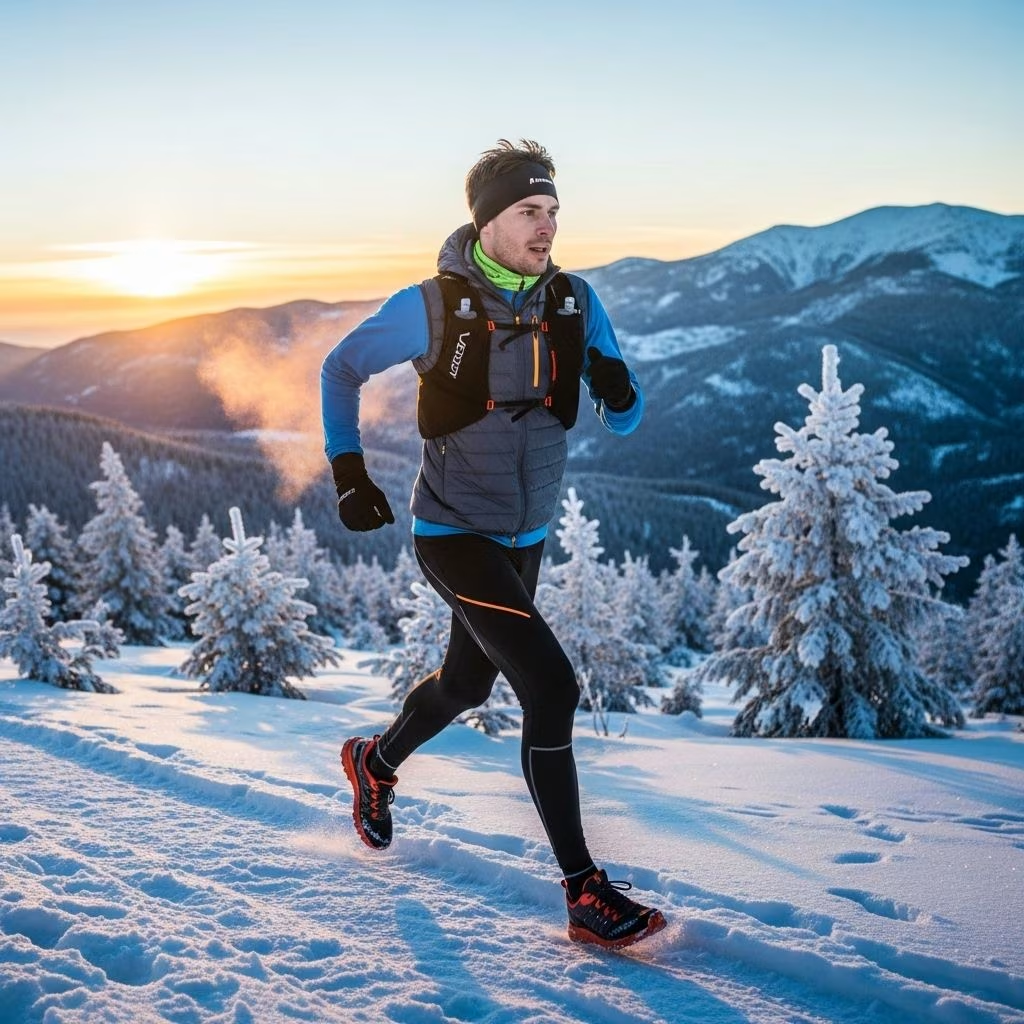
The Cold Weather Technique: How Cooler Temperatures Ignite Fat Burning
For years, weight loss advice has centered on diet and exercise, but recent research sheds light on a fascinating and natural fat-burning strategy: simply getting cold. As the temperature drops, your body doesn’t just try to keep you warm—it also flips a metabolic switch that can drive fat loss. Exposing yourself to colder environments may be the secret weapon your metabolism needs. In this article, we delve deeply into the mechanisms, benefits, and practical applications of the cold weather fat-burning phenomenon, so you can put this science-backed trick to effective use.
Why Cold Weather Can Accelerate Fat Burning
Cold exposure activates your body’s natural heat-generating systems. When the temperature dips, your body’s primary job is to maintain its core temperature. This effort requires energy, drawing on fat reserves to generate heat, a process called thermogenesis. There are two primary types of fat in your body, and their roles in this story are pivotal:
- White fat: Stores energy and accumulates around the abdomen and thighs, serving as insulation and an energy stash.
- Brown fat: Specializes in burning energy to generate heat. Unlike white fat, brown fat cells are packed with mitochondria—the cell’s power plants—that burn calories and emit heat (non-shivering thermogenesis).
Recent studies confirm that not just brown, but “beige” fat—transformed from white fat due to cold exposure—also burns calories for heat. Humans have small but significant deposits of brown and beige fat, especially in the neck, chest, and spine regions. These deposits can be activated and even increased with consistent cold exposure, accelerating fat burning (1).
The Science Behind Cold-Triggered Fat Burning
When you’re cold, your body increases calorie burn by:
- Shivering: Rapid muscle contractions create heat and raise energy expenditure.
- Non-shivering thermogenesis: Brown and beige fat cells ramp up metabolic activity to help maintain core temperature without involuntary muscle movements.
Recent advances in fat cell biology offer fascinating new detail on this process. When cold sensors in your skin detect a temperature drop, signals travel to the brain, which responds by releasing norepinephrine, the stress hormone that triggers fat breakdown for heat (2). But studies now show fat cells themselves also directly sense cold—independent of the nervous system—and respond by increasing the production of a key protein called UCP1 (uncoupling protein 1). UCP1 acts like a “leak” in the mitochondria’s power system, letting energy escape as heat instead of being stored as fat (1, 2).
Immune System and Hormonal Signaling
Besides nervous system signals, recent research highlights the role of the immune system in fat browning. Molecules called interleukin 4 and interleukin 13 activate macrophages (a type of white blood cell) in fat tissue, kicking off the browning process and increasing calorie consumption, even without exercise (1).
What Happens to Your Fat in Cold Weather?
Cold temperatures, even mild ones (61°F to 63°F or 16°C to 17°C), can spark metabolic changes that help you shed excess weight. Research indicates:
- Brown and beige fat cells increase metabolic activity and calorie use when exposed to cold.
- Some white fat cells can transform into beige fat, further boosting heat production (1, 2).
- This process is especially potent when shivering is avoided, as your body relies on fat-based thermogenesis rather than just muscle movement (1).
In effect, sitting or going about daily activities in a cooler environment prompts your body to burn more energy, even if you’re otherwise at rest.
Cold Exposure and Weight Management: The Evidence
The impact of cold-induced fat burning is not just theoretical. Scientific studies demonstrate that:
- People housed in environments at 61°F–63°F experienced measurable reductions in body fat percentages over time (1).
- Acute cold exposure increases glucose and fatty acid uptake by brown fat (3).
- Repeated cold exposure can remodel white fat tissue, making it more metabolically active (3).
- Individuals with higher brown fat activity tend to have lower body weight and better blood sugar control (2).
Metabolic Benefits in Detail
- Improved insulin sensitivity: Cold exposure boosts the ability of brown and beige fat to absorb glucose, aiding blood sugar regulation.
- Increased non-shivering thermogenesis: Your body gradually adapts to regular cold, relying less on shivering and more on efficient fat burning for temperature control.
- Potential long-term calorie burn: Even modest boosts in daily energy expenditure can add up over months and years, supporting sustainable weight loss or maintenance.
How to Harness the Cold Weather Fat-Burning Effect
If you’re ready to give this technique a try, there are several scientifically supported methods to integrate cold exposure into your routine. Here’s how to safely and effectively boost your body’s natural fat-burning response:
- Lower Your Thermostat: Reduce your home or office temperature to the lower 60s Fahrenheit. Dress appropriately but avoid heavy layers to enhance the effect.
- Take Cold Showers: Switch to cool or cold water at the end of your shower for 30 seconds to 2 minutes.
- Spend Time Outdoors: Engage in walks or light exercise outside in cool conditions, wearing one less layer than usual (without risking hypothermia).
- Try Ice Packs: Placing cold packs on the upper back and chest (where brown fat is concentrated) may give a localized fat-burning boost.
- Alternate Hot and Cold: Sauna use followed by a cold plunge can help train your body’s adaptive response and potentially enhance brown fat activation.
Important Safety Precautions
- Gradually adapt to colder environments to avoid discomfort or injury.
- Never expose yourself to cold for so long that you shiver uncontrollably or risk frostbite.
- Consult with your physician before starting aggressive cold exposure, especially if you have cardiovascular or metabolic conditions.
Frequently Asked Questions (FAQs) About Cold-Induced Fat Burning
Q: How quickly can I expect to see results from cold exposure?
A: The rate of fat loss varies, but research shows that regular exposure to cool environments can measurably increase calorie burn within weeks. Long-term, modest but sustained weight loss is possible—especially if combined with a healthy diet and exercise routine (1, 3).
Q: Will I lose more fat if I shiver?
A: While shivering does burn calories, non-shivering thermogenesis (fat-burning from brown and beige fat) is more efficient for sustained calorie burning without discomfort. The goal is to be cool but not so cold that you’re shivering intensely (1, 3).
Q: Can everyone increase their brown fat?
A: Most adults have at least some brown or beige fat, and cold exposure can help increase its activity. However, levels of brown fat decline with age and may be lower in those who are overweight or sedentary, though adaptation is possible (1, 2).
Q: Are there risks to cold exposure?
A: As with any new health habit, moderation and safety are key. Start slowly and avoid prolonged exposure; always stop if you feel unwell. People with medical conditions should consult a physician first.
Q: Does this replace diet and exercise?
A: Cold-induced thermogenesis is not a magic bullet. It’s best used as a supplement to a balanced diet and regular exercise, amplifying your fat loss potential rather than replacing other healthy habits.
Brown, Beige, and White Fat: A Quick Comparison
| Fat Type | Primary Function | Key Characteristics | Location in Humans |
|---|---|---|---|
| White | Energy storage | Few mitochondria, stores fat as large droplets | Abdomen, thighs, hips |
| Brown | Heat generation | Many mitochondria, burns fat for energy, rich in UCP1 | Neck, shoulders, spine (especially in infants, less in adults) |
| Beige | Heat generation (when triggered) | Formed when white fat transforms due to cold; intermediate mitochondria | Scattered within white fat depots |
Beyond Weight Loss: Other Health Perks of Cold-Induced Fat Activation
- Improved insulin sensitivity: Regular cold exposure may lower risk of type 2 diabetes by enhancing glucose uptake in brown fat.
- Better cardiovascular health: Burning fat for heat can support healthier cholesterol and triglyceride levels.
- Increased energy: Many people report feeling more invigorated and alert after adapting to cooler temperatures.
- Reduced inflammation: Immunological activation involved in fat browning may have anti-inflammatory benefits.
Expert Tips for Making the Most of Cold Weather Fat Burning
- Consider making your bedroom cooler for sleep; research suggests a chillier environment can modestly boost nighttime calorie burn and improve sleep quality.
- Pair cold exposure with gentle physical activity—walking in cool air maximizes the thermogenic effect without overstressing your body.
- Vary temperature exposure regularly; alternating warm and cold settings (such as saunas followed by cold plunges) may further activate fat-burning pathways.
- Stick with it. Your body gradually adapts, and consistent cold exposure yields greater metabolic benefits over time.
Science-Backed Strategies: Integrating Cold Thermogenesis into Daily Life
Here is a quick routine you can try to get started:
- Morning: Finish your shower with 1–2 minutes of cool or cold water.
- Daytime: Lower your thermostat or spend time in a cool room.
- Evening: Take a brisk walk outdoors in cooler temperatures, dressed with moderate layering.
Monitor how you feel, avoid excessive exposure, and consult your doctor if you have any underlying health concerns.
Conclusion: A Natural Edge in the Weight Loss Journey
While cold weather alone won’t melt away pounds overnight, the science shows that strategic cold exposure can activate your body’s hidden calorie-burning capacities. By transforming sluggish white fat into metabolically active beige and brown fat, you provide your metabolism with an extra edge—and a new angle to sustainable weight management. With consistency, cold adaptation is a simple, natural way to support your fitness goals, boost your health, and rediscover your energy. Start cool, stay safe, and let your body do what it evolved to do—burn fat to keep you warm and healthy.
References
- https://www.ucsf.edu/news/2014/06/114951/fat-burning-triggered-cold-weather-may-suggest-new-weight-loss-strategy
- https://www.science.org/content/article/fat-cells-feel-cold-burn-calories-heat
- https://pmc.ncbi.nlm.nih.gov/articles/PMC9273773/
- https://www.ucsf.edu/news/2024/06/427971/scientists-discover-how-make-ordinary-fat-cells-burn-calories
- https://scitechdaily.com/new-brown-fat-pathway-could-make-weight-loss-easier-to-maintain/
- https://pmc.ncbi.nlm.nih.gov/articles/PMC10778965/
- https://sbpdiscovery.org/does-cold-weather-promote-weight-loss/
- https://hms.harvard.edu/news/new-obesity-tool
- https://www.scripps.edu/news-and-events/press-room/2023/20230816-ye-nature.html


