


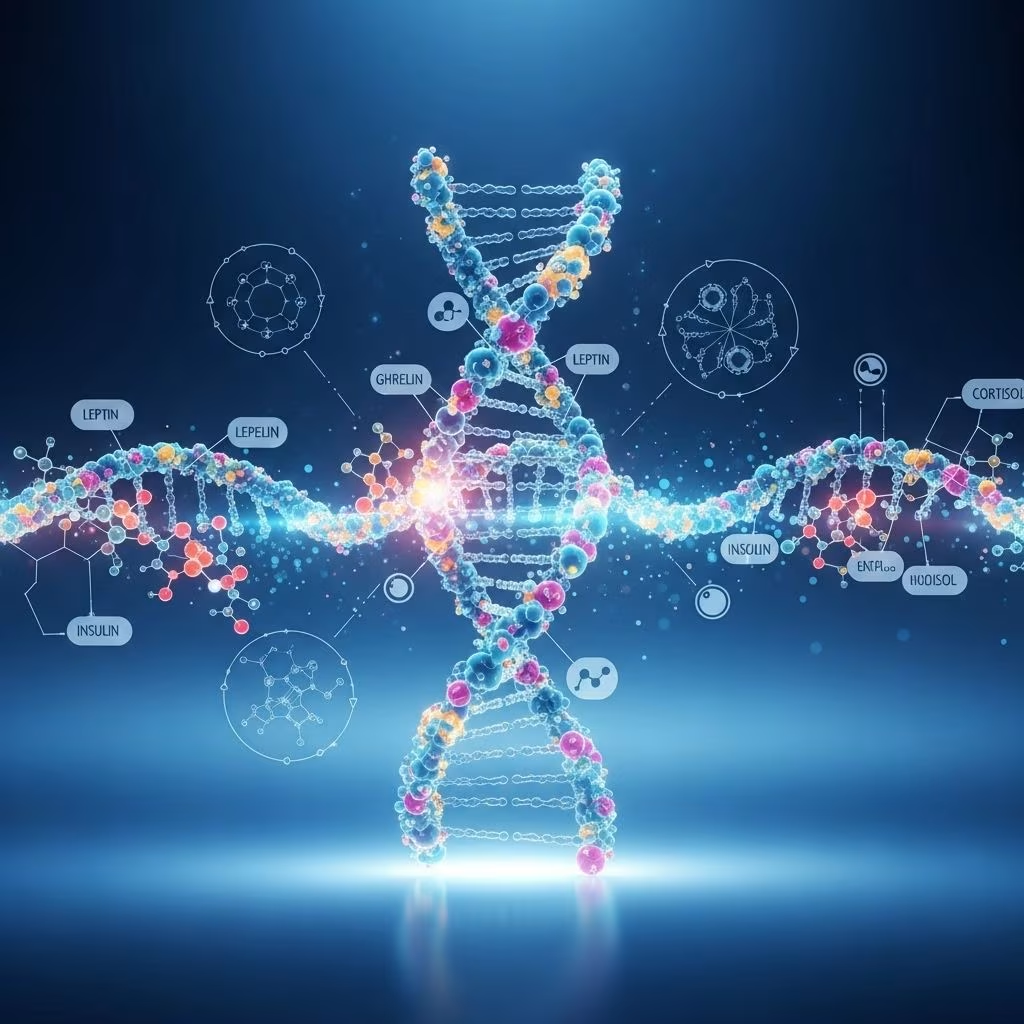
How Hormones Hold the Keys to Weight Loss
Struggling to lose weight despite your best efforts? The answer might not be as simple as calories in, calories out. Hormones—the body’s chemical messengers—play a powerful role in regulating your appetite, metabolism, hunger, and fat storage. If your hormones are imbalanced, weight loss can feel nearly impossible. This comprehensive guide explores the critical hormones that influence weight, how they work, what can go wrong, and science-backed strategies to get them back in sync.
Which Hormones Impact Weight Loss?
Multiple hormones dictate how your body stores and burns fat, how hungry or full you feel, and how easily you gain or lose weight. The most influential weight-related hormones include:
- Insulin – Regulates blood sugar and fat storage
- Leptin – Governs long-term appetite and metabolism
- Ghrelin – Known as the ‘hunger hormone’
- Cortisol – The stress hormone that can trigger cravings
- Thyroid Hormones (T3, T4) – Control metabolic rate
- Estrogen and Testosterone – Impact body composition and fat distribution
- GLP-1, CCK, PYY, GIP, NPY, Amylin, Glucagon – Influence satiety, fullness, and blood sugar
Insulin: The Fat Storage Overseer
Insulin is produced by the pancreas and released in response to food, especially carbohydrates. Its main job is to help cells absorb blood sugar for energy or storage. Chronically high insulin levels—often due to excessive intake of refined carbohydrates—can lead to insulin resistance, where cells become less responsive and more sugar remains in the bloodstream. This results in:
- Increased fat storage (especially belly fat)
- Elevated risk of type 2 diabetes and heart disease
- Difficulty losing weight despite calorie restriction
Quick fix? Reduce added sugar, choose high-fiber foods, and exercise regularly to lower insulin levels and support fat-burning.
Pro tip: The Mediterranean diet (rich in vegetables, olive oil, fish, and whole grains) is linked to improved insulin sensitivity.
Leptin: The Satiety Signal
Leptin is made by fat cells and communicates with your brain about stored energy. When you gain weight, leptin rises to curb your appetite. But with persistent overeating—or obesity—leptin resistance develops: the brain fails to ‘see’ leptin, so your appetite stays high even as fat stores build. This can trap you in a cycle of weight gain and constant hunger.
- High leptin = signals satiety, but resistance blocks this effect
- Low leptin (from crash diets/quick weight loss) triggers intense hunger
Tip: Prioritize sleep, manage stress, and avoid yo-yo dieting to help restore leptin sensitivity.
Ghrelin: The Hunger Alarm
Dubbed the ‘hunger hormone’, ghrelin is released by the stomach and spikes before meals—signaling that it’s time to eat. Levels drop after eating. Chronically high ghrelin can lead to:
- Overeating and cravings
- Increased risk of weight gain after dieting
To steady ghrelin:
- Eat regular, balanced meals
- Prioritize protein and fiber to enhance satiety
- Get enough quality sleep (as sleep loss can cause ghrelin to rise)
Cortisol: The Stress-Induced Weight Wrecker
Cortisol is made by the adrenal glands and released in response to chronic stress. Consistently high cortisol can cause:
- Increased appetite, especially for high-sugar ‘comfort’ foods
- Fat gain around the abdomen
- Disrupted sleep and metabolism
Stress reduction techniques—like exercise, meditation, social connections, and adequate sleep—can lower cortisol and support healthy weight management.
Thyroid Hormones: Your Metabolism’s Thermostat
The thyroid gland produces T3 (triiodothyronine) and T4 (thyroxine), critical for regulating metabolism and energy expenditure.
- Hypothyroidism (underactive thyroid) slows metabolism, causing weight gain, fatigue, and constipation.
- Hyperthyroidism (overactive thyroid) speeds up metabolism, often causing weight loss but can lead to muscle wasting.
Note: Treating hypothyroidism with medication may not always reverse weight gain completely. Always get properly tested if you have symptoms of a thyroid disorder.
Estrogen & Testosterone: Sex Hormones with Big Metabolic Impacts
Both men and women rely on estrogen and testosterone to maintain muscle, bone, and healthy fat distribution.
- High estrogen (common with certain medications or perimenopause) can promote fat gain, usually around hips and thighs in women.
- Low estrogen (with menopause) triggers shifts toward abdominal fat and can slow metabolism.
- Low testosterone (especially in men) can lead to muscle loss and increased body fat.
Aim for regular exercise—especially strength training—and minimize excess alcohol to help keep sex hormones balanced.
Gut Hormones and Appetite Control
| Hormone | Main Function | Effect on Weight |
|---|---|---|
| GLP-1 | Increases satiety, slows gastric emptying | Supports weight loss; GLP-1 drugs are used for obesity |
| PYY | Reduces appetite after meals | May help reduce caloric intake naturally |
| CCK | Signals fullness, slows stomach emptying | Helps naturally regulate meal size |
| Amylin | Lowers blood sugar, promotes satiety | May help with weight loss, used in diabetes management |
| GIP | Stimulates insulin, involved in the fat storage process | Target for new weight-loss medications |
| NPY | Stimulates hunger, especially during calorie deficit or stress | May increase overeating with sleep loss or high stress |
| Glucagon | Raises blood sugar between meals, signals liver to release glucose, suppresses appetite | Supports longer gaps between meals; research ongoing for weight loss use |
How to Restore and Balance Your Weight-Loss Hormones
A healthy lifestyle forms the foundation for optimizing hormonal health and supporting weight loss. What works?
- Eat a whole foods-based, low-processed diet. Aim for plenty of vegetables, healthy fats (olive oil, nuts, seeds), whole grains, lean protein, and fruit.
- Prioritize quality sleep. Adults need 7–9 hours per night. Sleep deprivation ramps up ghrelin and lowers leptin, increasing cravings and appetite.
- Exercise regularly. Both aerobic and resistance workouts improve insulin sensitivity, rebalance sex hormones, and lower cortisol.
- Manage stress effectively. Yoga, meditation, walking outdoors, or quiet hobbies reduce cortisol and improve overall hormone balance.
- Limit alcohol and ultra-processed foods. These can disrupt metabolism and hormone signals.
- Consider medical testing. If you’re struggling with unexplained weight gain, irregular periods, persistent fatigue, or other hormonal symptoms, consult a healthcare provider for lab tests and personalized guidance.
Frequently Asked Questions (FAQs)
How do I know if hormones are making it hard to lose weight?
Signs include resistant weight loss despite diet/exercise, persistent cravings, excessive fatigue, chronic stress, irregular menstrual cycles, and symptoms of thyroid dysfunction. Blood tests can confirm hormone imbalances.
If my thyroid is underactive, will taking medication guarantee weight loss?
No. While thyroid hormone therapy can normalize metabolism, most people only lose modest amounts of weight. Addressing diet, activity, and other hormones is also essential.
What is the most important hormone for weight loss?
There is no one “master” hormone—insulin, leptin, ghrelin, cortisol, and thyroid hormones all interact and are vital. Optimizing all is key for sustainable results.
Can diet alone reset my hormones?
Diet is foundational, but combining it with exercise, stress management, sleep optimization, and (if needed) medical supervision offers the best chance to rebalance hormones and achieve long-term weight control.
Are weight loss drugs that target hormones safe?
Some prescription medications (like GLP-1 agonists) are FDA-approved for certain people with obesity. They work by mimicking gut hormones. Risks and benefits should always be discussed with a healthcare provider.
Quick Tips: Maximizing Hormonal Health for Weight Loss
- Maintain a consistent eating pattern—avoid drastic swings or skipping meals
- Include healthy fats—olive oil, avocado, nuts—for better insulin and satiety
- Shield sleep: aim for 7-9 hours nightly to steady your hunger cues
- Reduce or manage stress with mindfulness, movement, or leisure activities
- Consult a health professional for persistent plateaus or unexplained symptoms
Summary Table: Key Hormones, Roles, and Action Steps
| Hormone | Main Role | Imbalance Effect | Best Balancing Strategy |
|---|---|---|---|
| Insulin | Blood sugar regulation | Weight gain, stubborn fat | Low sugar diet, exercise, healthy weight |
| Leptin | Satiety, appetite | Persistent hunger, obesity | Sleep, manage stress, nutrient-rich foods |
| Ghrelin | Hunger signaling | Overeating | Protein-rich meals, sleep, meal regularity |
| Cortisol | Stress response | Abdominal weight gain | Stress reduction, physical activity |
| Thyroid hormones | Metabolism control | Slowed metabolism, weight gain | Medical evaluation, balanced nutrition |
| Estrogen/Testosterone | Muscle/fat balance | Abnormal fat distribution | Exercise, avoid excess alcohol, medical support |
Takeaway: Your Path to Weight-Loss Success Is Hormonal
No matter your starting point, understanding the powerful role of hormones can redefine the way you approach weight loss. With consistent healthy habits—balanced nutrition, regular exercise, restorative sleep, and stress moderation—you can help bring your hormones, metabolism, and weight back into harmony. For anyone facing persistent plateaus, unexplained weight gain, or classic hormonal symptoms, consult a medical professional for testing and a tailored action plan.
References
- https://www.claritychirotrt.com/blog/hormones-and-weight-loss-des-moines
- https://www.brownhealth.org/be-well/how-do-hormones-influence-persons-weight
- https://www.healthline.com/nutrition/9-fixes-for-weight-hormones
- https://pmc.ncbi.nlm.nih.gov/articles/PMC3147122/
- https://my.clevelandclinic.org/health/articles/22464-hormones
- https://www.benendenhospital.org.uk/health-news/helpful-tips/fat-burning-hormones/
- https://www.betterhealth.vic.gov.au/health/healthyliving/obesity-and-hormones
- https://www.ncbi.nlm.nih.gov/books/NBK555906/
- https://www.endocrine.org/patient-engagement/endocrine-library/hormones-and-endocrine-function/endocrine-related-organs-and-hormones


