


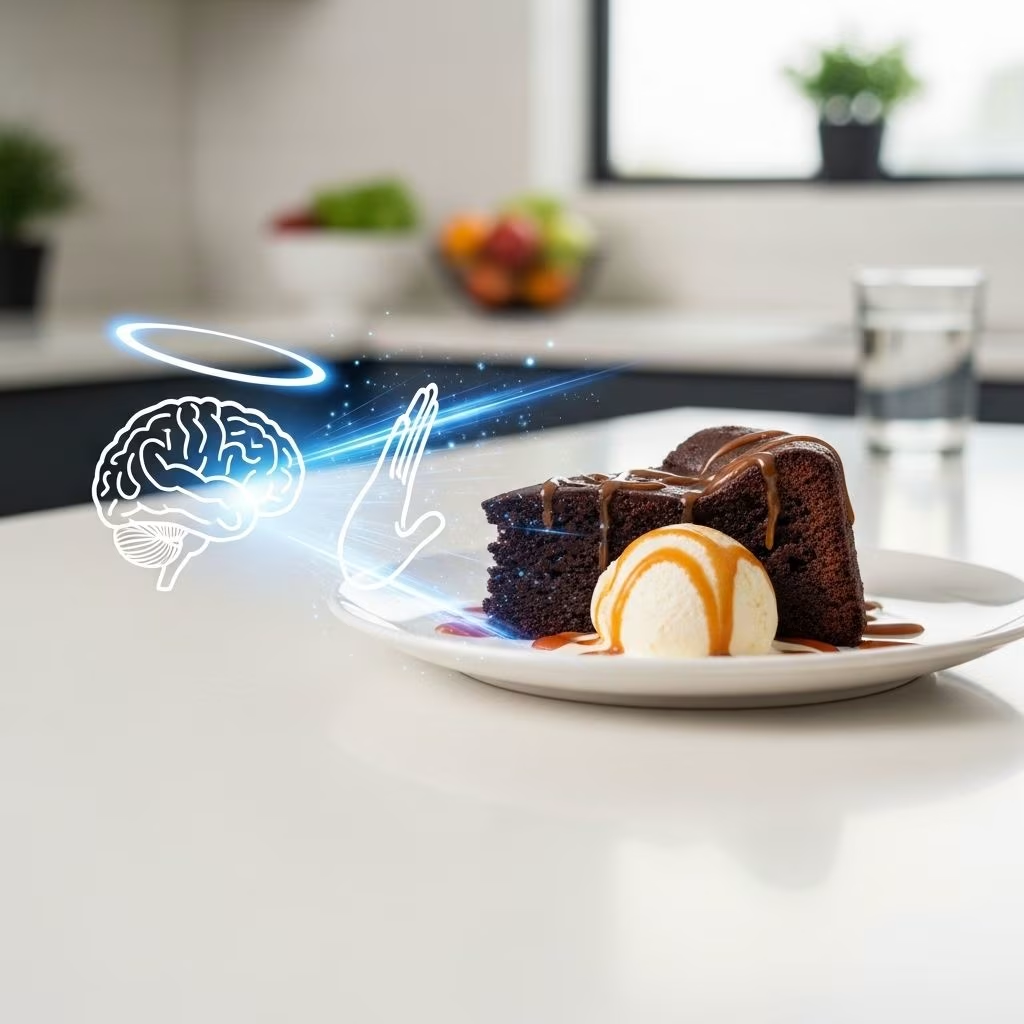
Willpower and Dessert: How Science Explains Temptation
Ever find yourself easily declining a morning treat but struggling with dessert cravings after dinner? You’re not alone. Research shows that willpower is a limited resource, and as you go through your day making decisions, your reserves get depleted. Understanding the brain science behind willpower not only explains this phenomenon but also points to practical solutions for managing sweet temptations at night.
Why Is Dessert Hardest to Resist?
- Willpower depletion: Your brain’s self-control center, especially the right middle frontal gyrus (rMFG), gets fatigued with each decision requiring self-restraint.
- Evening vulnerability: The more decisions you make during the day, the less active your willpower centers become, leaving you wide open to temptation by evening.
- Environmental factors: Stressful events, lack of sleep, missed meals, or low blood sugar levels further tax your willpower reserves.
Recognizing the context for your cravings is the first step in tackling them. Next, let’s explore smart strategies—and why some approaches work better than others.
Science-Backed Willpower Strategies to Tame Dessert Cravings
1. Delay Gratification: The Ten-Minute Trick
When you feel an urgent craving, pause for ten minutes before indulging. This brief delay lets your emotional brain settle so that the impulse loses its intensity. If you still want the dessert after ten minutes, you can decide more rationally whether it’s worth it.
- Why it works: Immediate rewards activate the brain’s pleasure system; delaying gratification calms the reaction and re-engages thoughtful decision-making.
- Practical tip: Set a timer; distract yourself by walking or engaging in another activity during the waiting period.
2. Acceptance Over Suppression: Handling Urges Without Guilt
Instead of arguing with your cravings, try the acceptance-based approach. Notice your urge but remind yourself that simply having the feeling doesn’t mean you have to act on it.
- Best for: Those who often feel out of control around food benefit most from this technique.
- Research highlight: In studies, groups who accepted their cravings had better self-control results compared to those who tried to suppress their feelings.
Notice and name your urge. Accept the feeling. Choose your behavior—not every feeling requires action.
3. Manage Blood Sugar: Keep Energy Stable
A well-fueled body makes better decisions. If you’re hungry or haven’t eaten enough protein, your blood sugar drops and your willpower takes a hit. Pair sweet snacks with protein—like mixed nuts and dried fruit—to slow sugar absorption and keep your energy steady.
- Quick fixes: Add grilled chicken to a salad, snack on chickpeas, or pair fruit with Greek yogurt instead of reaching for candy.
- Meal timing: Don’t skip meals or space them too far apart. Regular protein-rich meals keep you fueled for challenges.
4. Recognize Emotional Drivers: PMS, Stress, and Fatigue
Cravings for sweets aren’t always about the dessert. Hormonal changes (such as PMS or perimenopause), stress from a long day, or simply being tired can all trigger a desire for sugar as your body searches for a feel-good boost.
| Trigger | What to Do |
|---|---|
| Hormones (PMS/Perimenopause) | Try edamame or soy-based snacks. If cravings persist, opt for berries or a couple of squares of dark chocolate. |
| Low Blood Sugar | Eat a protein-rich snack with some healthy fat and natural sugars—such as nuts and fruit. |
| Fatigue | Caffeinate with coffee or tea as an energy boost rather than sugary treats. Improve sleep hygiene. |
5. Make Environment Work for You
The treats you see around you—brownies on the counter, candy stashed at the office, birthday cake at work—challenge your self-control, especially when you’re tired or stressed. Take these steps to design a supportive environment:
- Remove temptation: Keep sweets out of sight and out of the house.
- Stock healthy options: Fresh fruit, low-sugar energy bars, and protein snacks make healthier choices convenient.
- Meal prep: Prepare low-sugar meals and snacks ahead of time to avoid impulsive eating.
Flavor Hacks to Satisfy the Sweet Tooth—No Sugar Needed
Instead of relying on added sugars—or artificial sweeteners that also trigger your body’s reward pathways—train your taste buds with the following hacks:
- Add vanilla extract: Reminiscent of ice cream and cake, a few drops in tea, oatmeal, yogurt, or smoothies can trick your brain into feeling satisfied.
- Try toasted coconut flakes: Naturally sweet with a satisfying crunch, especially the larger flakes.
- Caramelize onions: For savory dishes, caramelized onions substitute well for sugar, especially in tomato sauce or soups.
- Contrast with salt: A sprinkle of salt can offset and emphasize flavors, making less sweetness feel more rewarding.
Understanding Artificial Sweeteners and Natural Sweeteners
Artificial sweeteners—such as sucralose, aspartame, or saccharin—are often marketed as weight-loss aids, but research suggests that they can trigger the body’s hormonal cascade just like real sugar, sometimes prompting further cravings. Keep use of natural sweeteners like honey or agave minimal as your body processes these similarly to regular sugar.
- Skip added sugar: Whenever you would physically add sweetener, pause and omit it.
- Oatmeal tip: Use cinnamon or nutmeg instead of sugar.
- Coffee tip: Infuse coffee with a splash of vanilla or a pinch of cinnamon instead of flavored syrup.
Building Long-Term Willpower for Lifelong Healthy Habits
Why Willpower Wears Down—and How to Build It Up
- Willpower is like a muscle: It gets fatigued with use, but you can train it to become stronger over time.
- Routine reduces decisions: Developing healthy habits and routines reduces the number of choices you make, preserving self-control for the moments you need it most.
- Rest and recovery matter: Just like muscle, willpower is restored with rest, nourishment, and sleep.
Key Habits for Lasting Success
- Eat balanced meals at regular intervals to avoid dramatic blood sugar shifts.
- Get enough sleep—adequate rest strengthens self-control mechanisms.
- Manage stress with exercise, mindfulness, or relaxation activities.
- Be mindful—notice cravings, accept them, and make conscious choices without guilt.
- Gradually reduce sugar intake so your palate adapts to less sweet flavors.
Low-Sugar Dessert Alternatives
If abstaining from dessert entirely feels too restrictive, explore these low-sugar choices for occasional indulgence:
- Fresh fruit with Greek yogurt—naturally sweet, high in protein.
- Dark chocolate (70%+ cacao)—rich, satisfying, and lower in sugar than milk chocolate.
- Baked apples with cinnamon—dessert feel without heavy added sugar.
- Chia pudding sweetened with berries—fiber-rich and naturally sweet.
- Homemade granola bars—use whole oats and a touch of honey with nuts.
Frequently Asked Questions (FAQs)
Q: Why do I always crave dessert after dinner?
Willpower decreases throughout the day due to decision fatigue, making you more vulnerable to cravings by evening. Additionally, being physically or emotionally depleted (tired, stressed, hungry) increases the urge for a sweet energy boost.
Q: Can I train myself to have more willpower?
Yes. Habit formation, stress management, adequate nutrition, and sleep all improve your willpower over time. Regular exercise and mindfulness can also increase your ability to resist temptations.
Q: Do artificial sweeteners help with weight loss?
Research suggests artificial sweeteners may trigger the same hormonal responses as sugar, sometimes even increasing cravings—so minimizing their use may be more effective for lasting weight loss.
Q: What is the best way to stop a sugar craving in the moment?
Pause and delay for ten minutes, distract yourself with another activity, or accept the urge without judgment. If you still want to indulge, pair sweets with protein and healthy fats.
Q: Is it healthy to cut out all added sugar?
Cutting out added sugar can lower your risk of metabolic disease, improve energy, and support weight loss, but it’s important to replace sweets with nutritious alternatives and avoid extreme restriction that could trigger binge eating.
Summary Table: Willpower Strategies for Dessert
| Strategy | How It Helps | Action Step |
|---|---|---|
| Delay Gratification | Calms impulsive urges | Wait 10 minutes before eating dessert |
| Acceptance-Based Approach | Reduces guilt and reactive eating | Notice cravings, accept them without acting |
| Stable Blood Sugar | Prevents decision fatigue | Eat protein + healthy snacks regularly |
| Address Emotional Triggers | Targets root drivers of cravings | Rest, stress-manage, eat for hormone balance |
| Flavor Hacks | Satisfies sweet tooth with less sugar | Use vanilla, coconut, caramelized onions |
Final Thoughts: Practicing Willpower for Dessert Success
Willpower isn’t just about saying “no”—it’s a dynamic combination of your environment, biology, habits, and the research-backed strategies you choose day after day. Whether you delay gratification, accept your urges, or redesign your food environment, small changes can add up to lasting success.
Practice patience, replenish your reserves, and set up routines that support your goals. Remember, resisting dessert is less about superhuman restraint and more about working smarter with the science of self-control.
References
- https://www.prevention.com/weight-loss/a20439113/how-to-improve-self-control/
- https://lancegoyke.com/willpower
- https://www.prevention.com/food-nutrition/healthy-eating/a20500668/low-sugar-diet/
- https://www.prevention.com/health/a20508512/melissa-baswell-williams-spreadthehealth-challenge/
- https://www.prevention.com/weight-loss/a20429707/how-to-beat-a-food-addiction/
- https://www.prevention.com/weight-loss/g20506618/weight-loss-maintenance/
- https://www.heart.org/en/healthy-living/healthy-lifestyle/mental-health-and-wellbeing/how-to-boost-your-willpower-to-help-make-healthy-choices-easy
- https://www.prevention.com/weight-loss/g20445360/how-often-you-can-make-diet-splurges/
- https://pmc.ncbi.nlm.nih.gov/articles/PMC10623621/
- https://www.prevention.com/food-nutrition/healthy-eating/a65664887/ultra-processed-foods-weight-loss-gut-health-study/


