


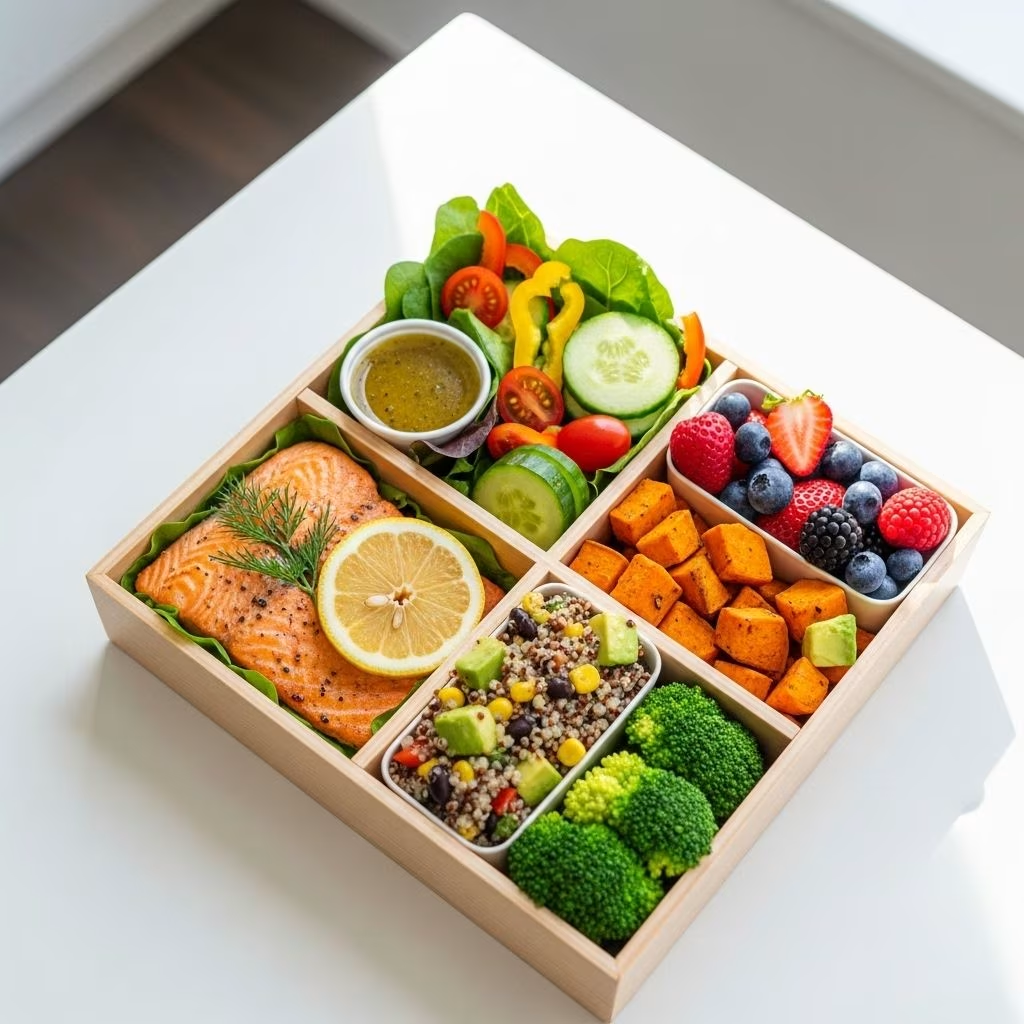
28-Day Fast & Easy Meal Plan for Lasting Weight Loss
Designed by Christine Gerbstadt, MD, RD, this 28-day meal plan offers a balanced, nutritious, and practical approach to help you achieve your health goals. Each meal is crafted to be satisfying and quick to prepare, ensuring you never feel deprived—even with a busy schedule. Pair this meal plan with regular movement and self-care for complete transformation.
Why Choose a 28-Day Challenge?
- Short-term commitment, lasting benefits: Four weeks is long enough to see real results and short enough to stay motivated.
- Structured variety: You’ll enjoy new flavors while building healthy habits.
- No specialty foods: Meals use common groceries and minimal prep time.
- Supports metabolism, energy, and satiety: Balanced macros ensure you feel full while supporting healthy weight loss.
How to Use This Meal Plan
This plan is organized by week, with each day featuring:
- A nutritious breakfast to start your day.
- A wholesome lunch to refuel midday.
- A delicious, balanced dinner for satisfaction and recovery.
- Strategic snacks to prevent hunger and overeating.
Portions are tailored for most adults aiming to lose weight; adjust as needed for your caloric needs. Be sure to hydrate—aim for at least 6-8 cups of water daily in addition to meal beverages like coffee, tea, or milk (unless otherwise indicated).
Week 1: Get Started with Simple, Satisfying Meals
These easy combinations help kick things off with mindfully portioned, nutrient-packed options.
Sample Day 1
- Breakfast: Open-Faced Egg Sandwich
- 1 hard- or soft-cooked egg on 1 slice whole wheat toast
- 6 oz 0% plain Greek yogurt
- 1/2 grapefruit
- 12 oz coffee with 2 oz fat-free milk
- Lunch: Turkey-Pecan Salad with Balsamic
- 2 cups mixed field greens
- 1/2 cucumber, thinly sliced
- 3 oz deli-sliced turkey breast
- 3 tomato slices, 1 rib celery, 5 baby carrots
- 10 unsalted pecan halves
- 1 Tbsp olive oil & 2 tsp balsamic vinegar (dressing)
- 1 small pear
- Dinner: Quick Chicken Stir-Fry
- 3 oz cooked chicken breast
- 1 cup mixed veggies (e.g. broccoli, bell pepper, snap peas)
- 1/2 cup cooked brown rice
- Stir-fry with 1 Tbsp low-sodium soy sauce and a drizzle of sesame oil
- Snack Options:
- 1 small apple with 1 Tbsp nut butter
- 12 baby carrots with 2 Tbsp hummus
Repeat a similar meal pattern daily, alternating proteins (turkey, chicken, eggs, Greek yogurt, fish) and grains (toast, brown rice, whole wheat wraps).
Key Considerations:
- Breakfasts are protein-rich to keep energy stable.
- Lunches emphasize fiber and healthy fats for satiety.
- Dinners balance lean protein, complex carbs, and colorful vegetables.
- Snacks are nutrient-dense to support cravings and hunger between meals.
Week 2: Creative and Fast Flavor Upgrades
Introduce global flavors, hearty grains, and fresh produce to keep your taste buds engaged and your body refreshed.
Sample Day 8
- Breakfast: Cold Cereal & Berries
- 1 cup unsweetened high-fiber cereal (such as multibran flakes)
- 1 cup fat-free milk
- 1 cup sliced strawberries
- 12 oz coffee with 2 oz fat-free milk
- Lunch: Curried Turkey Wrap
- Whole wheat wrap (8”)
- 3 oz deli-sliced turkey breast
- 1/4 cup shredded carrot, 2 Tbsp diced red bell pepper, 1/2 cucumber in strips
- 2 Tbsp plain Greek yogurt mixed with 1 tsp curry powder
- 12 oz herbal tea or water
- Dinner: Spicy Shrimp ‘n’ Rice
- 3 oz grilled shrimp brushed with 1 Tbsp olive oil
- 1/2 cup cooked brown rice with 2 Tbsp black beans and 1/4 tsp Cajun seasoning
- 1 cup steamed broccoli florets with 1 Tbsp fresh lemon juice
- Snack Options:
- Fat-free Greek yogurt with berries
- Air-popped popcorn (3 cups, plain)
Tips for Week 2:
- Swap proteins as preferred—substitute with chicken, tofu, beans, or lean beef.
- Experiment with spices and fresh herbs.
- Enjoy non-starchy veggies in abundance—add spinach, tomatoes, bell peppers liberally.
Week 3: Boost Nutrients, Keep It Simple
This week, focus on omega-3s, whole grains, and fiber. Meals remain easy to prepare, with more focus on balancing macros for sustained energy and improved digestion.
Sample Day 15
- Breakfast: Protein-Packed Smoothie
- Blend 1 cup unsweetened almond milk, 1 scoop protein powder, 1 cup frozen berries, 1/2 banana, and a handful of spinach.
- 12 oz unsweetened green tea or coffee
- Lunch: Tuna & Bean Salad
- 3 oz canned tuna in water (drained)
- 1/2 cup cannellini beans
- 2 cups mixed greens, 1/2 cup cherry tomatoes, 1/4 cup thinly sliced onions
- Drizzle with 1 Tbsp olive oil, 1 Tbsp balsamic vinegar
- 1 slice whole wheat bread
- Dinner: Salmon with Quinoa & Roasted Kale
- 4 oz baked salmon
- 2/3 cup cooked quinoa
- 1 cup roasted kale (tossed with olive oil, garlic, salt, pepper)
- Snack Options:
- Strawberries & almonds
- Baby carrots & hummus
As the weeks progress, continue to layer in meal variety—swap greens for grain bowls, experiment with fresh produce, or try a new protein-type (tempeh, beans, shrimp, etc.).
Week 4: Fresh Focus — Balance, Enjoyment, and Preparation
This week takes advantage of your new skills and habits. Meals become even more vibrant, with room for creativity while sticking to your goals.
Sample Day 21
- Breakfast: Lox ‘n’ Bagel
- 1 oz reduced-fat cream cheese on 1/2 whole wheat bagel
- 1 oz smoked salmon
- 2 slices each tomato and cucumber
- Drizzle with 1 tsp olive oil, 1 tsp chopped dill, 1/2 tsp red wine vinegar
- 12 oz coffee with 2 oz fat-free milk
- Lunch: Taco ‘Burger’
- 3 oz broiled ground beef patty on a crisp 6” corn tortilla
- 1/2 cup shredded lettuce, 2 Tbsp diced tomato, 2 Tbsp salsa
- Herbal tea or water
- Dinner: Flatbread Chicken Pizza
- 3 oz grilled chicken breast, diced, on 1 large whole wheat wrap (toasted)
- 1/2 cup sliced onions and mushrooms
- Sprinkle with 1 Tbsp grated Parmesan, broil to melt
- Snack Options:
- Pear with a few pecans
- Celery sticks with nut butter
On other days, try these quick options:
- PB & Banana Sandwich: 2 slices whole grain bread, 1 Tbsp peanut butter, 1/2 sliced banana
- Lemon Chicken Pasta: Sauté sliced carrots, scallions, zucchini, peppers with lemon, garlic, olive oil. Stir with grilled chicken and whole-grain pasta.
- Egg Sandwich Thin: All-natural nut butter, whole grain sandwich thin, 1/2 cup sliced berries
Smart Substitutions & Quick Prep Tips
- For vegetarians, swap meat for beans, tofu, or tempeh in wraps and salads.
- Rotisserie chicken or canned salmon makes fast protein additions.
- Frozen veggies work well in stir-fries or as easy sides.
- Use pre-washed greens and seasonal produce to save time.
- Always rinse canned beans to reduce sodium content.
- Batch-cook grains like quinoa, brown rice, or barley at the start of the week.
Simple Grocery List Essentials
- Whole wheat bread & wraps
- High-fiber cereals (unsweetened)
- Plain Greek yogurt, low-fat dairy or plant milks
- Eggs
- Skinless chicken, turkey breast, canned tuna or salmon, shrimp
- Dried or canned beans and lentils
- Mixed salad greens, spinach, kale, broccoli, bell peppers, cucumbers
- Fresh & frozen berries, apples, pears, bananas
- Olive oil, balsamic vinegar, herbs & spices
- Nuts, seeds, nut butters
Nutritional Highlights
| Meal | Calories (Avg) | Protein (g) | Carbs (g) | Fiber (g) | Fat (g) |
|---|---|---|---|---|---|
| Breakfast | 300-380 | 19-30 | 30-49 | 7-9 | 2-7 |
| Lunch | 300-400 | 23-29 | 20-40 | 6-10 | 6-11 |
| Dinner | 350-500 | 20-30 | 35-55 | 5-12 | 10-18 |
| Snack | 80-200 | 2-8 | 3-20 | 2-4 | 3-9 |
*Macronutrient values are averages and will vary by substitutions.
Frequently Asked Questions (FAQs)
Q: Can I mix and match meals from different days?
A: Yes! This plan is designed for flexibility. You can swap breakfasts, lunches, dinners, or snacks from different days depending on your preferences and schedule.
Q: What if I need more calories?
A: Add an extra snack (Greek yogurt, a piece of fruit, nuts, or whole-grain crackers) or increase protein/whole grains at meals as needed for your activity level.
Q: How is this plan different from fad diets?
A: This plan is balanced, emphasizes sustainable habits, and incorporates all food groups. It helps prevent hunger and deprivation, which often lead to yo-yo dieting.
Q: Do I have to eat everything organic?
A: No. While organic is optional, focus on lots of vegetables, whole grains, lean proteins, and healthy fats. Wash all produce well regardless of source.
Q: What if I don’t cook?
A: Most meals require minimal prep, making them suitable for beginners. Use pre-cooked proteins, ready-to-eat veggies, and simple assembly to save more time.
Final Thoughts
This 28-day fast & easy meal plan makes healthy eating practical and enjoyable for every day. With nutrient-rich, satisfying meals and flexible options, you’ll discover how simple it can be to nourish your body while moving toward your weight loss and wellness goals.
References
- https://www.mountsinai.org/files/MSHealth/Assets/HS/MonthlyMealPlan_Brochure_Rev24.pdf
- https://www.prevention.com/weight-loss/a20429847/28-day-challenge-fast-easy-meal-plan/
- https://www.prevention.com/food-nutrition/a46570020/28-day-get-lean-diet-amazon-sale/
- https://www.prevention.com/weight-loss/diets/
- https://revitalizeweightloss.com/blog/28-day-meal-plan/
- https://www.prevention.com/weight-loss/a20429466/defy-your-age-challenge-anti-aging-snacks-and-meals/
- https://www.prevention.com/weight-loss/diets/a30326160/mediterranean-diet/


