


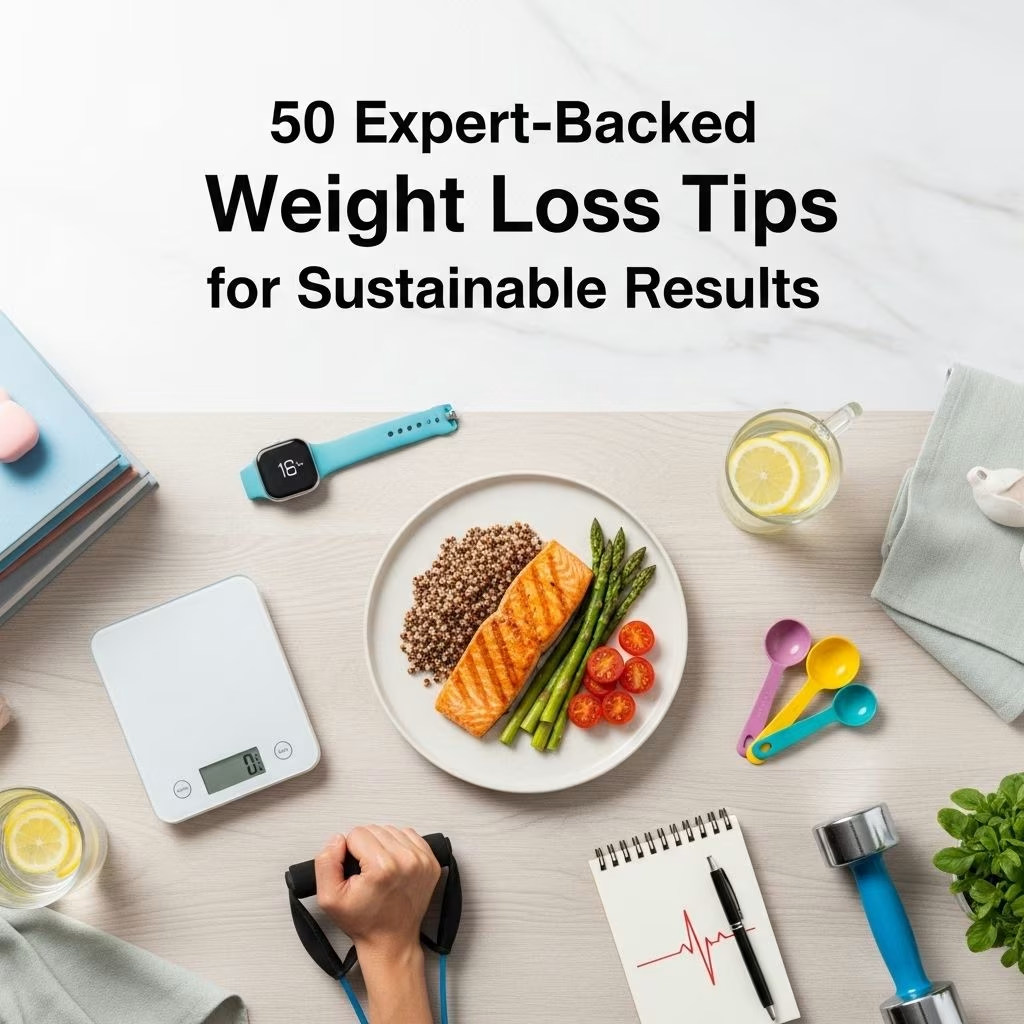
Losing weight—and keeping it off—is about more than restrictive diets or hours at the gym. Sustainable results come from small, consistent lifestyle changes that nourish your body and mind. Below, discover 50 research-backed strategies—each designed to help you build healthier habits, overcome plateaus, and ultimately transform your health for good.
Start Strong: Build Your Foundation
- Set clear, realistic goals: Write down measurable and achievable milestones. Aim for progress, not perfection.
- Track your journey: Monitor your food intake, movements, and emotions. Use a journal or an app to spot patterns and triggers.
- Use the scale–but don’t obsess: Weigh in regularly to track trends but focus on overall health, not just the number.
- Find your “why”: Clarify your motivation. A deeper reason—like improving health for family or regaining energy—will help you stay on track.
- Visualize success: Imagine yourself reaching your goals and the feelings that come with it to boost motivation and resilience.
Nutrition: Eat to Fuel, Not Deprive
1. Eat Real, Whole Foods
- Prioritize unprocessed foods: Focus on fruits, vegetables, whole grains, lean proteins, nuts, and seeds. Avoid ultra-processed snacks and meals loaded with added sugar and chemicals.
- Check ingredient lists: Generally, shorter ingredients lists signal fewer processed foods.
2. Fill Up With Fiber
- Add high-fiber foods: Beans, lentils, berries, and veggies help you stay full and keep your digestive system healthy.
- Choose whole grains: Swap out white bread for whole grains like brown rice, quinoa, and oats for lasting energy.
3. Time Meals and Snacks Wisely
- Don’t skip breakfast: Eating a lean, protein-rich breakfast can help regulate appetite and boost energy.
- Have smart snacks: Snack 90–120 minutes pre-workout, combining protein and complex carbs for optimum fuel (such as an apple with almond butter).
- Post-workout protein: Refuel after activity with a protein-rich snack to support muscle maintenance.
4. Embrace Mindful Eating
- Slow down: Eat without distractions and pay attention to each bite. This curbs overeating and enhances satisfaction.
- Stop at 80% full: Learn to listen to your body’s cues and avoid the habit of eating until you’re stuffed.
5. Plan Ahead
- Prep meals in advance: Batch-cook healthy options and portion them for busy days to curb impulsive eating or take-out temptations.
- Stock healthy staples: Keep easy snacks (like cut veggies, Greek yogurt, nuts) handy for when cravings strike.
Exercise: Make Movement a Daily Habit
- Find activities you enjoy: Choose movement you look forward to (walking, cycling, hiking, or dancing). Consistency is key.
- Walk more: Aim for 4 miles a day or about 400 calories through daily walking to maintain or lose weight.
- Strength train: Incorporate resistance or body-weight exercises to build lean muscle, which boosts your resting metabolic rate.
- Mix it up: Vary your workouts to include cardio, strength, and flexibility for all-around benefits.
- Move throughout the day: Take the stairs, stand often, and fit in mini walks. All activity counts!
| Activity | Average Calories Burned (per 30 minutes, 155 lbs person) |
|---|---|
| Brisk walking | 135 |
| Cycling (moderate) | 260 |
| Strength training | 110 |
| Swimming | 215 |
Habits That Set You Up For Success
- Drink water first: Hydrating before meals can help curb appetite.
- Eat mindful meals: Turn off electronics and savor every bite.
- Set a kitchen curfew: Avoid late-night snacking by finishing your last meal at least 2 hours before bed.
- Manage stress: Practice deep breathing, journaling, or gentle walks to reduce stress-related eating.
- Prioritize sleep: Aim for 7-9 hours nightly, as poor sleep increases cravings and impairs metabolism.
- Celebrate non-scale victories: Look for increased energy, better moods, or improved fitness markers as signs of progress.
Social Support and Accountability
- Enlist a buddy: Share your goals with a friend or join a group to stay motivated.
- Share your wins: Celebrate every bit of progress with your support network.
- Seek professional advice: Seek the guidance of a registered dietitian or fitness professional for a tailored plan and troubleshooting.
Mindset Shifts for Lasting Results
- Be patient: Sustainable weight loss happens gradually—aim for 0.5 to 2 pounds per week.
- Anticipate setbacks: Slip-ups are normal. Learn from them and move forward rather than abandoning your efforts.
- Adjust as needed: If your plan stops working, experiment and modify it. Flexibility keeps you on track.
- Focus on health—not perfection: Choose progress over perfection and strive for overall wellness.
Smart Swaps and Snack Strategies
- Choose healthy fats: Switch to avocado, olive oil, and nuts for heart-healthy satisfaction.
- Watch added sugars: Opt for natural sweetness from fruit and read nutrition labels carefully.
- Swap fried for baked or grilled: Upgrade fried foods for roasted or grilled versions to slash calories.
- Try healthier condiments: Use salsa, mustard, or vinegar rather than creamy dressings.
- Opt for broth-based soups: These are filling and lower in calories compared to cream-based alternatives.
How to Overcome Common Weight Loss Pitfalls
- Don’t fall for fads: Quick fixes rarely last. Instead, stick to proven, science-backed methods for safe fat loss.
- Respect your hunger: Eat when you’re truly hungry, not just bored, anxious, or tired.
- Don’t overcompensate after workouts: Extra exercise doesn’t warrant a food binge. Stick with your usual portions.
- Limit alcohol: Alcohol adds empty calories and may weaken your resolve around food.
- Be wary of liquid calories: Replace soda and juice with water, seltzer, or herbal teas.
Long-Term Maintenance Habits
- Stay active: Registry participants who maintain weight loss burn roughly 2,800 calories per week—think 4 miles of brisk walking daily.
- Eat a healthy breakfast daily: Maintainers often start with a lean, 200–300 calorie breakfast (e.g., eggs and whole grain toast, or oatmeal with low-fat milk).
- Practice meal prepping: Planning and prepping meals reduces the chance of unhealthy choices.
- Self-monitor regularly: Check in with your habits frequently and recalibrate when necessary.
- Stay flexible: Be willing to modify your strategies as your life and needs change.
Bonus: Easy Ways to Boost Your Progress
- Spice it up: Use herbs and spices to add flavor without relying on fat or sugar.
- Practice portion control: Use smaller plates and bowls to cue smaller servings.
- Eat more protein: High-protein breakfasts and snacks keep you fuller for longer, aiding fat loss.
- Build a sleep routine: Regular sleep-wake times reinforce restful sleep and better weight management.
Frequently Asked Questions (FAQs)
Q: How much exercise do I need to maintain weight loss?
A: Most people who successfully keep weight off log 60–90 minutes of moderate activity—like brisk walking—nearly every day.
Q: Should I avoid carbs to lose weight?
A: No. Choose complex carbs (whole grains, fruits, vegetables) and watch portions. Avoid refined and sugary carbs.
Q: Why does eating real food matter?
A: Real, minimally processed foods contain more nutrients, help curb inflammation, support healthy metabolism, and improve fullness.
Q: What if I hit a plateau?
A: Plateaus are normal. Reassess your calorie intake, mix up your workouts, and focus on non-scale victories to stay motivated.
Q: How much water should I drink?
A: Aim for at least eight 8-ounce glasses daily; more if you exercise heavily or in hot environments.
Key Takeaways
- Build a sustainable plan with balanced nutrition, enjoyable movement, and strong support systems.
- Stay flexible, be patient, and celebrate progress beyond the scale.
- Consistency—not perfection—is the foundation of lasting weight loss success.
References
- https://www.prevention.com/health/a65401665/expert-walking-tips-weight-loss/
- https://www.prevention.com/weight-loss/a20461708/weight-loss-tips-3/
- https://www.prevention.com/weight-loss/diets/g20440614/25-best-weight-loss-tips-ever/
- https://www.prevention.com/weight-loss/g20490240/10-rules-to-live-by-for-long-lasting-weight-loss/
- https://www.prevention.com/weight-loss/a20501539/how-to-maintain-weight-loss/
- https://www.prevention.com/weight-loss/
- https://www.prevention.com
- https://www.prevention.com/weight-loss/a20500235/intermittent-fasting/
- https://www.prevention.com/weight-loss/g20482528/this-is-your-perfect-day-for-weight-loss/


