


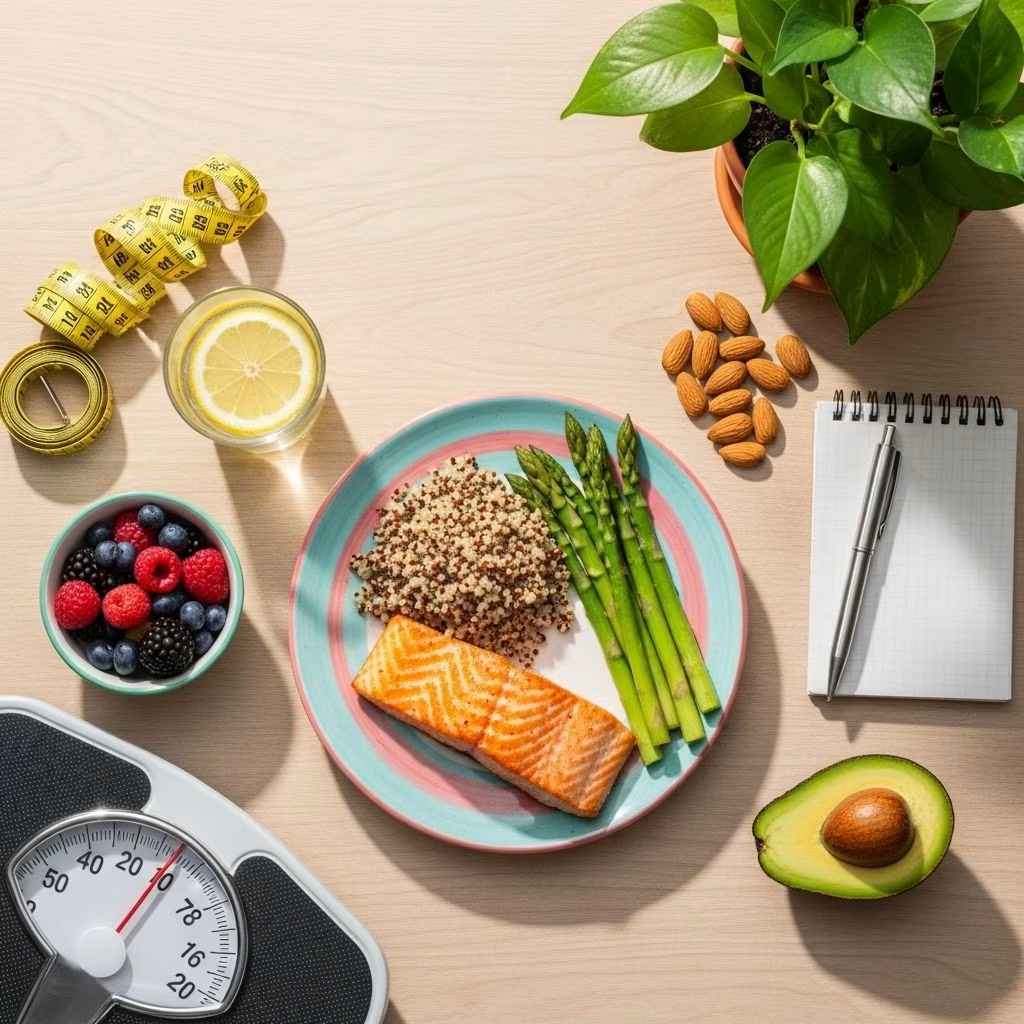
28 Expert-Backed Eating Tips for Effective, Sustainable Weight Loss
Achieving and maintaining a healthy weight doesn’t have to mean giving up your favorite foods or embarking on restrictive diets. Nutrition experts agree: adopting small, practical changes to your daily eating habits is more effective for lasting results. This comprehensive guide brings together the most effective, research-backed eating tips so you can lose weight, improve your nutrition, and build sustainable habits that fit your lifestyle.
Why Simple Eating Habits Matter
Too often, weight loss advice is complicated or hard to follow long-term. Yet science shows that steady, purposeful tweaks—like eating mindfully, choosing nutritious whole foods, and practicing smart portion control—can make a big impact on both weight and overall well-being.
1. Get Calories From What You Chew—Not What You Drink
Calories from soda, juice, energy drinks, and sweetened coffees quickly add up but don’t satisfy hunger. Experts recommend choosing whole fruits over juice, and prioritizing water, tea, or black coffee to support weight loss. Eating your calories promotes satiety and helps avoid mindless overconsumption.
- Have fresh fruit instead of juice.
- Set a daily limit for calorie-containing beverages.
- Dilute fruit juice with water to reduce sugar and calories.
2. Keep a Food Journal
Tracking what, when, and how much you eat increases awareness and accountability. Studies find that people who keep food journals lose more weight and are less likely to regain it. Use a paper journal, app, or photos to record meals and snacks.
3. Practice Mindful Portion Control
- Use smaller plates—salad plates instead of dinner plates—to naturally reduce portion sizes.
- Always plate food before eating; avoid snack bags or eating straight from packaging.
- Start meals with low-calorie foods like salads, veggies, or broth-based soups to fill up before higher-calorie choices.
- Follow the Chinese saying: “Eat until you are eight-tenths full.”
4. Make Smart Swaps and Substitutions
| Swap This | For This | Why? |
|---|---|---|
| Whole milk | 1% or nonfat milk | Lowers saturated fat and cuts up to 5 lbs/year |
| Mayonnaise | Mustard | Reduces calories and adds flavor |
| Fruit juice | Whole fruit or diluted juice | Reduces sugar, increases fiber |
| Sweetened beverages | Water or unsweetened tea | Significant calorie savings |
5. Eat Out Strategically
- Split oversized restaurant entrees in half—box up the rest immediately for leftovers.
- Order one dessert for the table to share.
- Prioritize salads, veggie sides, and broth-based soups when dining out.
- Eat at home more often; you control portions and ingredients.
6. Prioritize Home-Cooked Meals
Preparing meals at home means you make choices about ingredients, cooking methods, and portions. Not only do home-cooked meals tend to be healthier, but they also reduce exposure to hidden fats, salt, and sugar found in many restaurant dishes.
7. Have More Veggies for Lunch
Vegetables are naturally low in calories and rich in fiber, which promotes fullness. Making vegetables the centerpiece of your midday meal can help manage hunger and boost nutrition.
8. Plan Ahead: Healthy Lunches, Smart Snacking
- Pack your lunch to work to avoid vending machines and fast food.
- Prep snacks (pre-cut veggies, nuts, fruit) to prevent mindless eating.
- Choose filling, low-calorie snacks between meals.
9. Limit Alcohol to Weekends
Alcoholic drinks are often high in sugar and empty calories. Setting boundaries, such as limiting alcohol consumption to weekends, helps reduce overall calorie intake. Consider choosing lighter options, like wine spritzers or lower-calorie cocktails.
10. Focus on Foods You Love and Should Say ‘Yes’ To
Rather than obsessing over what to eliminate, shift to celebrating the healthy foods you truly enjoy. Experiment with roasted veggies, flavorful whole grains, fresh fruits, and protein-rich options to make healthy eating pleasurable.
11. Choose Whole Foods Over Processed “Health” Foods
Foods marketed as “healthy,” such as protein bars or sugar-free snacks, can be misleadingly calorie dense and easy to overeat. Whole foods—fruits, veggies, lean meats, nuts, and beans—are naturally satisfying and provide important nutrients.
12. Make a Plan and Prep for Success
Consistency is key. Planning weekly meals, grocery shopping for staples, and prepping food ahead of busy days or weeks helps you avoid impulsive, less healthy choices.
- Create a weekly menu for meals and snacks.
- Shop with a list focused on nutrient-rich foods.
- Batch cook grains, proteins, and veggies for quick assembly.
13. Move More—Combine Eating Changes with Physical Activity
Physical activity enhances fat loss and prevents weight regain. The U.S. Department of Health and Human Services recommends at least 150 minutes of moderate activity weekly. Activities range from walking and biking to strength training. Track your movement to stay accountable.
14. Don’t Try to Eliminate Fat Completely
Healthy fats from foods like avocados, salmon, nuts, and olive oil curb hunger and are linked to smaller waistlines. Include omega-3-rich fatty fish and monounsaturated fats in your routine. Avoid trans fats and excessive saturated fats.
15. Rethink Your Favorite Meals
- Upgrade pasta dishes with extra veggies and lean protein; skip heavy cream sauces.
- Rework tacos, burgers, and stir-fries with lighter cooking methods and brighter flavors.
- Practice moderation: small portions of “treat” foods, paired with nutrition boosters.
16. Eat More Soup—Especially Broth-Based
Soups (without cream or added fat) are satisfying, low in calories, and help you control meal portions. Start meals with vegetable-based soups to curb appetite and increase vegetable intake.
17. Sit Down When You Eat
Distracted or on-the-go eating leads to consuming more calories than intended. Make meal times intentional: sit down, slow down, and savor your food.
18. Eat at Home Whenever Possible
Home meals empower you to choose ingredients, manage sodium, control portions, and avoid hidden calories that frequently sneak into restaurant meals. Try simple, satisfying recipes and batch cooking to avoid last-minute takeout.
19. Fat-Burning Foods for Boosted Metabolism
| Food | Why It’s Effective |
|---|---|
| Quinoa & Brown Rice | High-fiber whole grains boost fullness; protein supports muscle and metabolism. |
| Lean Proteins | Chicken, turkey, salmon, and lean beef enhance satiety and thermogenesis (calorie burning during digestion). |
| Kale | Nutrient-dense, low-calorie, and packed with antioxidants and protein. |
| Cucumber | High water content, low calories, supports digestion and hydration. |
| Ginger & Turmeric | Anti-inflammatory, boost metabolism and digestion, stabilize blood sugar. |
| Dark Chocolate | Contains satiating healthy fats and antioxidants, can reduce binge eating. |
20. Avoid the ‘Last Supper’ Binge Mentality
Depriving yourself of favorite foods often leads to overindulgence later. Incorporate small treats, such as a square of high-quality dark chocolate, to prevent binge cycles.
21. Fill Up on High-Fiber, Water-Rich Foods
- Choose produce with high water content—cucumbers, melons, tomatoes—to reduce calorie density.
- Opt for whole grains, beans, and legumes.
- Snack on popcorn (air-popped), berries, and raw veggies instead of chips.
22. Gradually Graduate to Higher-Calorie Foods During Meals
Start each meal by eating the lower-calorie foods first (vegetables, brothy soups), then move on to proteins and healthy carbohydrates. By the time you reach richer dishes, you’ll naturally eat less.
23. Set Boundaries Around Snacks and Sweets
- Portion sweets into single servings; avoid eating directly from the package.
- Limit high-sugar treats to once daily or only on special occasions.
- Pair sweets with protein or fiber to reduce blood sugar spikes.
24. Enjoy Your Food—Don’t Rush
Eating slowly aids digestion and helps you recognize when you’re satisfied. Put down your fork between bites, chew thoroughly, and enjoy your food’s flavors and textures.
25. Listen to Hunger and Fullness Cues
Eat when you’re hungry, not out of boredom or stress. Pause during meals and ask yourself, “Am I satisfied?” Respect your body’s signals for both hunger and fullness.
26. Stay Hydrated
Drinking water before and during meals can reduce overall calorie intake and support metabolism. Sometimes physical hunger is actually thirst in disguise.
27. Don’t Underestimate the Power of Planning
- Plan meals, snacks, and treats ahead to avoid impulsive choices.
- Keep a grocery list to minimize purchasing high-calorie convenience foods.
- Batch cook grains, proteins, and veggies for easy assembly throughout the week.
28. Celebrate Progress, Not Perfection
Effective weight loss is about steady, sustainable change—not quick fixes. Regularly celebrate your new habits and improvements, no matter how small. Progress comes from persistence, so don’t be discouraged by occasional setbacks.
Frequently Asked Questions (FAQs)
Q: Should I avoid carbohydrates to lose weight?
A: No, healthy carbohydrates—such as whole grains, vegetables, and legumes—provide essential nutrients. Focus on limiting refined carbs (white bread, pastries, sugary drinks) rather than eliminating carbs entirely.
Q: How important is breakfast for weight loss?
A: Research is mixed, but a balanced breakfast can support energy levels and curb mid-morning cravings. Prioritize protein, healthy fats, and fiber for satiety, but listen to your body’s needs each morning.
Q: Can I lose weight by exercising alone?
A: Exercise supports weight loss and health, but dietary changes are crucial. Combining both yields the best results—think of activity as complementary to healthy eating, not a substitute for it.
Q: Is it OK to have dessert if I’m trying to lose weight?
A: Yes, occasional desserts can fit within a healthy eating pattern. Practice portion control, choose treats mindfully, and savor each bite to prevent the “last supper” effect that can lead to binging.
Q: How can I stop emotional eating?
A: Track your triggers in a journal, develop non-food coping strategies (walking, calling a friend, deep breathing), and seek support from a registered dietitian or therapist if emotional eating feels overwhelming.
References
- https://www.prevention.com/weight-loss/a20456466/diet-and-healthy-weight-loss-advice/
- https://www.prevention.com/weight-loss/a20498660/nutritionist-weight-loss-tips/
- https://www.prevention.com/weight-loss/g24805401/fat-burning-foods/
- https://www.prevention.com/weight-loss/diets/g20440614/25-best-weight-loss-tips-ever/
- https://www.prevention.com/weight-loss/diets/a63174975/best-diets-for-weight-loss-2025/
- https://www.prevention.com/weight-loss/
- https://www.prevention.com/weight-loss/g20494462/eating-habits-for-weight-loss/
- https://www.prevention.com/weight-loss/diets/a20718413/apple-cider-vinegar-for-weight-loss/
- https://www.prevention.com/weight-loss/g20494587/25-worst-diet-tips-ever/


