


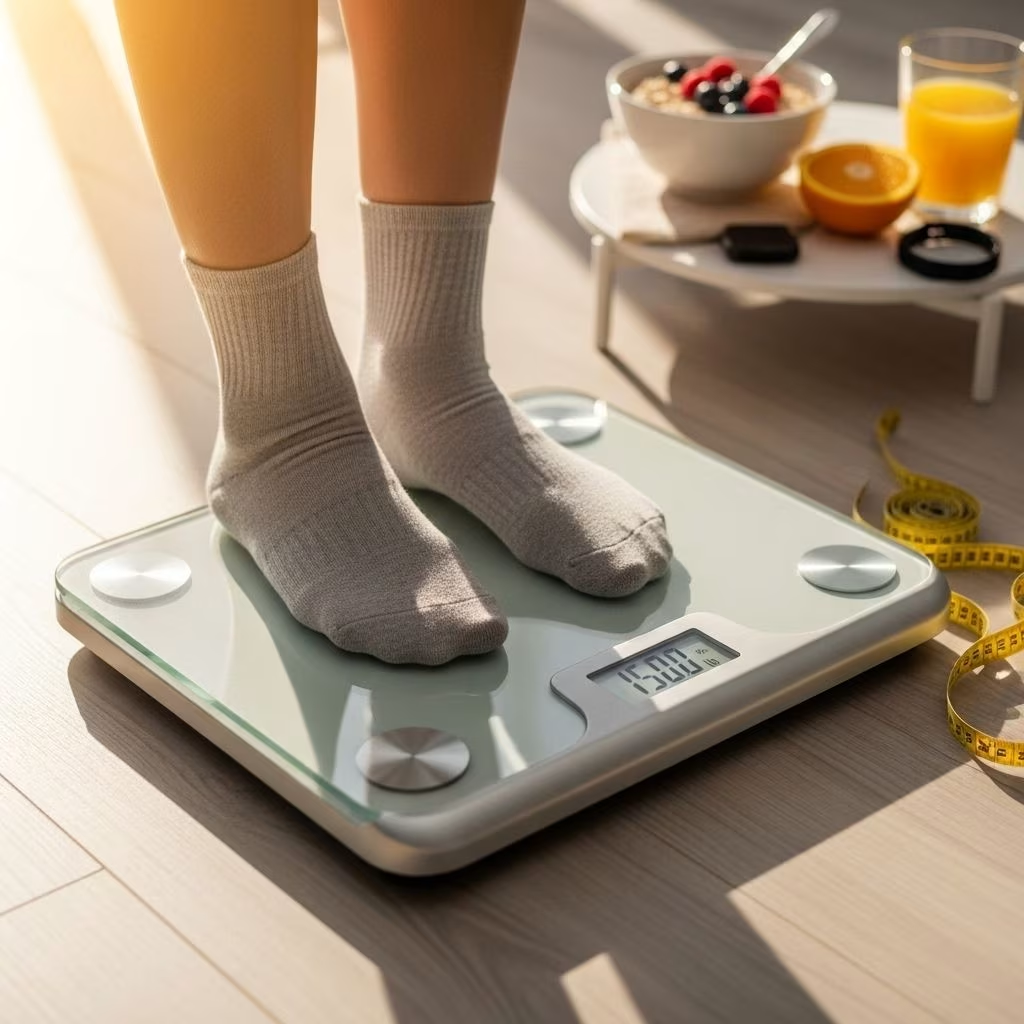
How Often Should You Weigh Yourself for Successful Weight Loss?
If you’ve set out to lose weight, one common dilemma is how often you should step on the scale. For years, conflicting advice left many confused—and concerned about the impact on mental health. But new research suggests the right frequency of self-weighing can powerfully influence your results and help keep lost pounds from returning.
Why Monitoring Your Weight Matters
Self-weighing serves as more than just a number—it’s a tool for accountability, feedback, and ongoing motivation. Studies show that people who regularly monitor their weight tend to achieve better outcomes, both in losing excess pounds and sustaining weight loss over time.
- Consistent weigh-ins increase awareness of weight trends.
- Tracking progress helps identify when changes to diet or exercise are needed.
- Frequent feedback can boost motivation by showing immediate results when you stick to your routine.
Daily vs. Weekly Weighing: Which Is Better?
While the scale has often been painted as a source of anxiety, research now backs daily weighing as the most effective method for both losing and maintaining weight. Daily weigh-ins have been linked to greater weight loss, increased engagement in health-promoting behaviors, and better awareness of day-to-day trends. Notably, a yearlong study demonstrated that women weighing themselves nearly every day lost more weight and kept it off more reliably than those who stepped on the scale less often.
| Frequency | Weight Loss Impact | Behavioral Benefits | Potential Drawbacks |
|---|---|---|---|
| Daily | Greatest weight loss & maintenance | Accountability, immediate feedback, habit formation | Risk of over-focusing on fluctuations |
| Weekly | Moderate, often effective for many | Reduces anxiety from daily changes, tracks long-term trends | May miss short-term issues, less frequent feedback |
| Less than weekly | Least effective; weight often regained | Minimizes stress for some, but little accountability | Greater risk of unnoticed weight gain |
In summary, weighing yourself nearly every day gives the best results, but weekly check-ins work for those who find daily weigh-ins stressful. The key is consistency.
What Does the Science Say?
A large study published in the International Journal of Obesity tracked women’s weighing habits and found that infrequent weighing led to more weight gain, while those who weighed themselves almost daily lost more weight and kept it off.
- Women who weighed themselves 5-6 times per week initially and 4-5 times per week by the end of the year saw the best sustained weight loss.
- Those with irregular or infrequent weigh-ins tended to regain lost weight.
Researchers also observed that frequent self-monitoring fostered stronger accountability and encouraged more consistent weight-control behaviors.
How to Weigh Yourself: Getting Routine and Reliable Results
Stepping on the scale ‘whenever’ can create confusion, anxiety, and misleading results. To optimize your weigh-in routine:
- Weigh yourself at the same time daily—ideally first thing in the morning, after visiting the restroom and before eating or drinking.
- Wear minimal or the same clothing each time to avoid extra variability.
- Use the same scale—different scales can vary by several pounds.
- Log your results in a digital or paper tracker. Many apps offer automatic tracking, helping you visualize your long-term progress.
This routine gives the most accurate insight into your true weight, while reducing false signals from short-term fluctuations.
Understanding Weight Fluctuations: It’s Not Just Fat
It’s important to recognize that your weight can move up or down day-to-day for many reasons:
- Water retention from salty foods, hormones, or dehydration
- Gains in muscle mass during exercise routines
- Menstrual cycles and hormonal shifts, affecting fluid balance
- Digestive changes due to fiber intake, meals, or supplements
As a result, you shouldn’t panic over a small gain or plateau. Instead, look for trends across one to several weeks—these reflect true progress.
Beyond the Scale: Other Tools for Tracking Success
Since the scale isn’t the only metric, consider supplementing it with other ways to gauge your health:
- How your clothes fit over time
- Changes in body composition, such as muscle gain or fat loss (via body fat analyzer, measurements at waist, hips, arms, etc.)
- Fitness improvements (track stamina, strength, endurance)
These tools can be especially valuable if the psychological impact of weigh-ins becomes overwhelming, or if you notice more non-scale victories than visible pounds lost.
Who Should Avoid Frequent Weigh-Ins?
Daily weighing, though effective, isn’t right for everyone. For those with a history of eating disorders, body image issues, or severe anxiety about weight, frequent check-ins may cause harm or trigger unhealthy behaviors.
- If the number on the scale negatively influences your mood or self-esteem, weekly or bi-weekly check-ins may be safer.
- Talk to a healthcare professional for personalized guidance if weigh-ins increase stress or worsen mental health.
Troubleshooting Common Problems and Mistakes
Misunderstanding day-to-day weight fluctuations is a major barrier for successful self-monitoring. Below are common pitfalls—and simple fixes:
- False discouragement: Don’t let a single gain derail your motivation. Expect natural ups and downs.
- Inconsistent routine: Skipping weigh-ins or varying circumstances (clothing, time, meals) skews results. Stick to a set schedule and standardize your method.
- Scale obsession: If weigh-ins control your mood or choices, refocus on overall health and non-scale progress.
- Missing the big picture: Use your recorded data to track how weight changes over weeks and months—short-term fluctuations are rarely meaningful.
Behavioral Strategies for Lasting Success
Adopting regular self-weighing is just one element of weight loss. A 2017 study emphasizes that combining this habit with other positive behaviors produces the strongest results.
- Pair daily or weekly weigh-ins with logging nutrition intake.
- Aim for 60+ minutes of active movement most days.
- Utilize digital trackers (apps, smart scales, activity monitors) for ease and accuracy.
- Create accountability by sharing results with a coach, supportive partner, or group.
Consistency across all these actions improves your odds of losing weight and keeping it off.
Best Practices for Healthy Self-Weighing
- Set realistic goals for weight loss (1-2 pounds per week is ideal).
- Focus on trends, not isolated numbers.
- Combine weighing with other assessments—body measurements, fitness level, and overall wellbeing.
- Celebrate non-scale victories to stay motivated and maintain a balanced perspective.
FAQs: Weigh-Ins, Weight Loss, and Common Concerns
Q: Is it harmful to weigh myself every day?
A: For most people, daily weigh-ins improve accountability and support weight loss. However, if you have a history of eating disorders or body image concerns, consult a professional and choose a frequency that feels emotionally safe.
Q: What’s the best time of day to weigh myself?
A: First thing in the morning, after visiting the restroom and before eating or drinking, provides the most reliable results.
Q: What if my weight fluctuates even though I’m eating well?
A: Daily weight can change due to water retention, hormonal cycles, stress, and digestive changes. It’s normal and should not discourage you. Look for multi-week trends, not just single-day variations.
Q: Could weighing myself make me anxious or obsessed?
A: If weigh-ins become a source of stress or negative self-image, try reducing to weekly or bi-weekly check-ins and focus on health rather than the scale alone. Seek support as needed.
Q: Are smart scales and digital trackers helpful?
A: Yes—smart scales and fitness apps can simplify the tracking process and help you stay consistent and objective.
Key Takeaways
- Daily weighing produces the best weight loss and maintenance results for most people.
- Weekly weigh-ins are an acceptable alternative for those sensitive to daily fluctuations.
- Consistency—same time, same scale, same clothing—and tracking trends over time is more important than the frequency alone.
- Use self-weighing in conjunction with other health assessments and don’t let short-term numbers define your overall progress.
Incorporate weighing into a healthy lifestyle with balanced nutrition, regular movement, and attention to emotional wellbeing. With consistency, accountability, and evidence-based habits, the scale becomes a tool—one that helps you not just lose weight, but keep it off for good.
References
- https://www.heart.org/en/news/2019/01/02/the-pros-and-cons-of-weighing-yourself-every-day
- https://health.clevelandclinic.org/when-is-the-best-time-to-weigh-yourself
- https://www.prevention.com/weight-loss/a20430880/how-often-you-should-weigh-yourself-for-weight-loss/
- https://pmc.ncbi.nlm.nih.gov/articles/PMC4380831/
- https://www.prevention.com/weight-loss/a20432236/how-often-should-you-weigh-yourself/
- https://www.prevention.com/weight-loss/a20460839/should-you-weigh-yourself-every-day/
- https://www.prevention.com/weight-loss/a20433244/daily-weighing-and-weight-loss/
- https://www.prevention.com/weight-loss/a20492165/what-happens-when-you-stop-weighing-yourself/
- https://www.prevention.com/health/a20434759/weighed-myself-every-day/


