


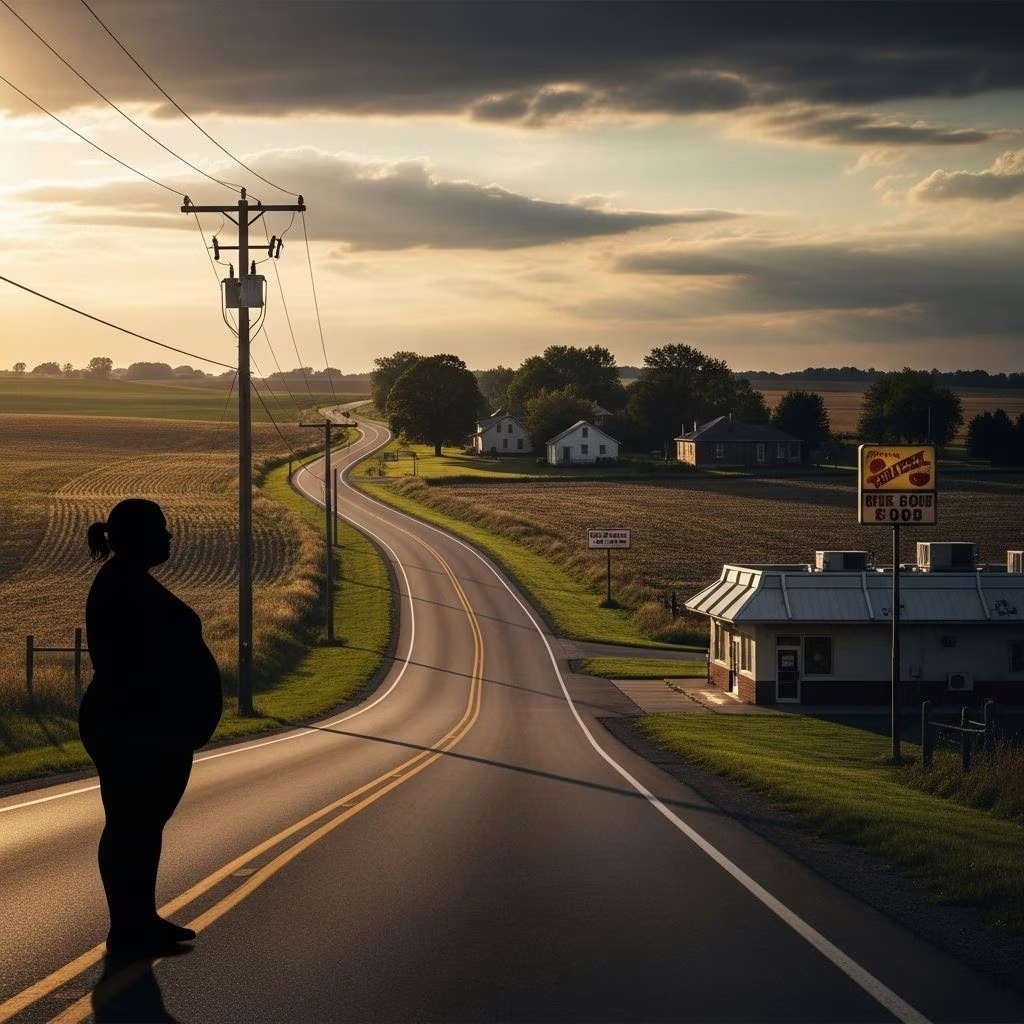
Obesity in Rural America: A Growing Health Crisis
The prevalence of obesity has emerged as a major public health issue across the United States, but recent research reveals that adult obesity rates are substantially higher in rural areas than in urban ones. As of 2024, nearly 48.3% of adults in rural regions are obese, compared to 42.1% in urban areas. This disparity stems from complex interactions among socioeconomic, environmental, and healthcare access factors.
Understanding the Rural-Urban Obesity Divide
Obesity, identified by a body mass index (BMI) of 30 or greater, is a chronic disease linked to elevated risks of heart disease, diabetes, hypertension, and certain cancers. The higher rates in rural communities are not a new phenomenon; studies consistently show that rural populations have experienced faster increases in obesity prevalence over the past two decades.
| Area Type | Obesity Rate (2022) | Obesity Rate (2024) |
|---|---|---|
| Rural (Non-metro) | 47.8% | 48.3% |
| Urban (Metro) | 42.4% | 42.1% |
| National Average | 43.3% | 43.1% |
Source: USDA Economic Research Service, CDC, 2025
Main Factors Driving Higher Obesity Rates in Rural Communities
A range of interconnected factors contribute to the higher burden of obesity in rural America:
- Poverty & Lower Income Levels: Rural residents typically face lower median incomes. This limits choices for healthy food, gym memberships, and recreational activities.
- Limited Access to Nutrition Education: Rural regions often lack dietitians, weight management experts, and public health education programs compared to urban areas.
- Food Deserts: Many rural communities struggle to access fresh produce and affordable healthy foods, often relying on convenience stores and fast food.
- Scarcity of Exercise Opportunities: There are fewer parks, recreation centers, sidewalks, bike trails, and organized sports, restricting physical activity, especially for children.
- Healthcare Access Challenges: Rural residents are more likely to lack insurance and primary care, making obesity prevention and treatment difficult.
- Transportation Barriers: Greater distances to healthcare, grocery stores, and exercise facilities reinforce unhealthy routines and dependence on automobiles.
- Cultural and Social Influences: Patterns of higher-calorie consumption, traditional dietary habits, and sometimes less prioritization of preventive health behaviors also play a role.
Poverty and Health: A Vicious Cycle
The connection between poverty and obesity is particularly pronounced in rural areas. Lower income not only restricts access to nutritious foods and recreation, but also increases psychological stress—a known risk factor for unhealthy eating and weight gain. According to the USDA Food Environment Atlas, socioeconomic disadvantage, food insecurity, and a lack of healthy food outlets are closely correlated with higher obesity rates.
Limited Health Infrastructure
Rural healthcare systems are often under-resourced. Dietitians, nutritionists, and weight control specialists may be unavailable, and preventive care (like counseling and screening) is harder to obtain. In addition, rural populations face longer distances to healthcare facilities and may be less able to afford preventive services.
Built Environment and Physical Activity Barriers
Opportunities for exercise are notably fewer in rural settings. The lack of parks, sports leagues, sidewalks, and safe walking or biking routes makes it challenging for residents of all ages to engage in regular physical activity. Rural children have fewer after-school sports or activities, further increasing their risk.
Food Access and Dietary Choices in Rural America
The food environment in rural areas limits healthy eating. Many communities are “food deserts,” where grocery options are scarce and convenience foods dominate. This pushes families toward calorie-dense, processed foods that are cheaper and more accessible but far less healthy. Dietary education is often lacking, compounding the risk.
The Health and Economic Consequences of Rural Obesity
Obesity increases the risk for a host of chronic conditions:
- Heart Disease
- Type 2 Diabetes
- Certain Cancers
- Stroke
- Gastrointestinal and Musculoskeletal Disorders
Beyond personal health challenges, obesity impacts entire communities by raising healthcare costs, increasing workplace absenteeism, and reducing overall productivity. Local economies can suffer as labor force participation and life expectancy decline.
Obesity in Rural Children: An Alarming Trend
Rural children are especially vulnerable, facing higher rates of childhood obesity compared to urban peers. Limited access to healthy foods, fewer opportunities for physical activity, and lower educational and economic support systems amplify health risks for children in non-metro counties.
Risk Factors for Childhood Obesity in Rural Areas
- Lack of school-based physical activity programs
- Scarcity of recreational spaces and organized sports
- Poor access to pediatric healthcare and nutrition counseling
Racial and Ethnic Disparities in Rural Obesity
Obesity prevalence in rural America also varies significantly by race and ethnicity. Racial minorities in rural areas face exacerbated risks due to compounded socioeconomic challenges, reduced healthcare access, and cultural factors. The complexity of these interactions requires targeted research and intervention.
Addressing Obesity: What Rural Communities Can Do
Reversing rural obesity trends demands multi-level efforts by individuals, healthcare systems, schools, and local governments. Key strategies include:
- Investing in parks, playgrounds, bike trails, and recreation centers
- Improving local access to fresh produce through farmers’ markets and cooperation with grocery stores
- Expanding health and nutrition education at schools and community centers
- Launching obesity prevention initiatives in primary care clinics
- Partnering with faith groups, businesses, and local organizations to promote healthy lifestyles
- Utilizing telehealth and mobile health solutions to bridge care gaps
Role of Schools in Combatting Childhood Obesity
Schools are critical for instilling healthy habits:
- Offering healthy meals in schools
- Integrating nutrition and fitness education into the curriculum
- Facilitating safe walking and biking routes to school
- Expanding after-school sports and recreation
Innovative Rural Programs: Making an Impact
Across the U.S., several rural communities are piloting innovative programs to slow obesity rates. Examples include:
- Mobile produce markets delivering fresh food to remote locations
- Community fitness challenges and wellness fairs
- Partnerships with local farmers for discounted produce
- Tele-nutrition programs connecting residents to dietitians remotely
- Health fairs and screenings at churches and civic events
Research and Policy Directions
Ongoing research continues to shed light on how social, economic, and healthcare factors combine to influence obesity in rural settings. The collaboration between academic centers, public health organizations, and government agencies aims to:
- Enhance access to preventive healthcare
- Expand insurance and reduce cost barriers
- Empower patients with accessible information and resources
- Shape policy to support healthy food distribution and active community development
What Rural Healthcare Providers Can Do
Local clinics and practitioners play a crucial role in reversing rural obesity trends:
- Screen patients regularly for obesity and related risks
- Refer to community programs and weight control specialists
- Counsel patients about nutrition, physical activity, and chronic disease risks
Where resources are scarce, telemedicine and remote counseling can bridge what was once an unbridgeable gap.
Frequently Asked Questions (FAQs)
Q1. How do rural and urban areas compare regarding obesity rates?
A: As of 2024, rural adult obesity rates (48.3%) are notably higher than urban rates (42.1%). The gap has widened over several decades due to persistent socioeconomic and environmental differences.
Q2. Are rural children at greater risk for obesity?
A: Yes. Studies show that children living in rural areas have higher obesity rates, which are linked to fewer opportunities for physical activity, limited access to nutritious food, and less health education.
Q3. What are the main factors driving high obesity rates in rural America?
A: The key drivers include poverty, food deserts, limited exercise options, lower educational attainment, and reduced health care access.
Q4. What health risks are associated with obesity?
A: Obesity increases risks for heart disease, type 2 diabetes, some cancers, stroke, and reduces life expectancy. It also raises medical costs and impacts economic productivity.
Q5. How can rural healthcare providers help address obesity?
A: Rural healthcare providers should focus on regular screening, patient education, referrals to community resources and specialists, and leveraging telehealth for preventive care.
Q6. What role do schools play in encouraging healthy weight?
A: Schools can offer healthy meals, nutrition education, and physical activity programs, and encourage active commuting routes to support children’s health.
Q7. What can local agencies and communities do to reduce obesity?
A: Local governments can invest in parks, support farmers’ markets, provide health education, and facilitate partnerships with healthcare and business sectors to design community-wide strategies.
Conclusion: Toward Healthier Rural Communities
The higher prevalence of obesity in rural America is a multifaceted issue requiring comprehensive solutions. By addressing systemic barriers—in access to nutrition, exercise, healthcare, and education—rural communities can make significant strides in reducing obesity rates and improving public health outcomes for present and future generations.
References
- https://www.ruralhealthinfo.org/topics/obesity-and-weight-control
- https://www.norc.org/research/projects/adult-obesity-in-rural-america.html
- https://www.ers.usda.gov/data-products/charts-of-note/chart-detail?chartId=113395
- http://www.ers.usda.gov/amber-waves/2025/august/us-obesity-rate-changes-differ-for-rural-and-urban-areas-as-well-as-across-regions
- https://ruralhealthinfocenter.health.mo.gov/obesity-rate-changes-differ-for-rural-urban-areas-regions/
- https://www.ruralhealthinfo.org/topics/obesity-and-weight-control/resources
- https://www.cdc.gov/obesity/data-and-statistics/adult-obesity-prevalence-maps.html
- https://www.who.int/news-room/fact-sheets/detail/obesity-and-overweight
- https://data.worldobesity.org/publications/?cat=23
- https://www.worldobesityday.org/assets/downloads/WOF-Missing-the-targets-executive-summary.pdf


