


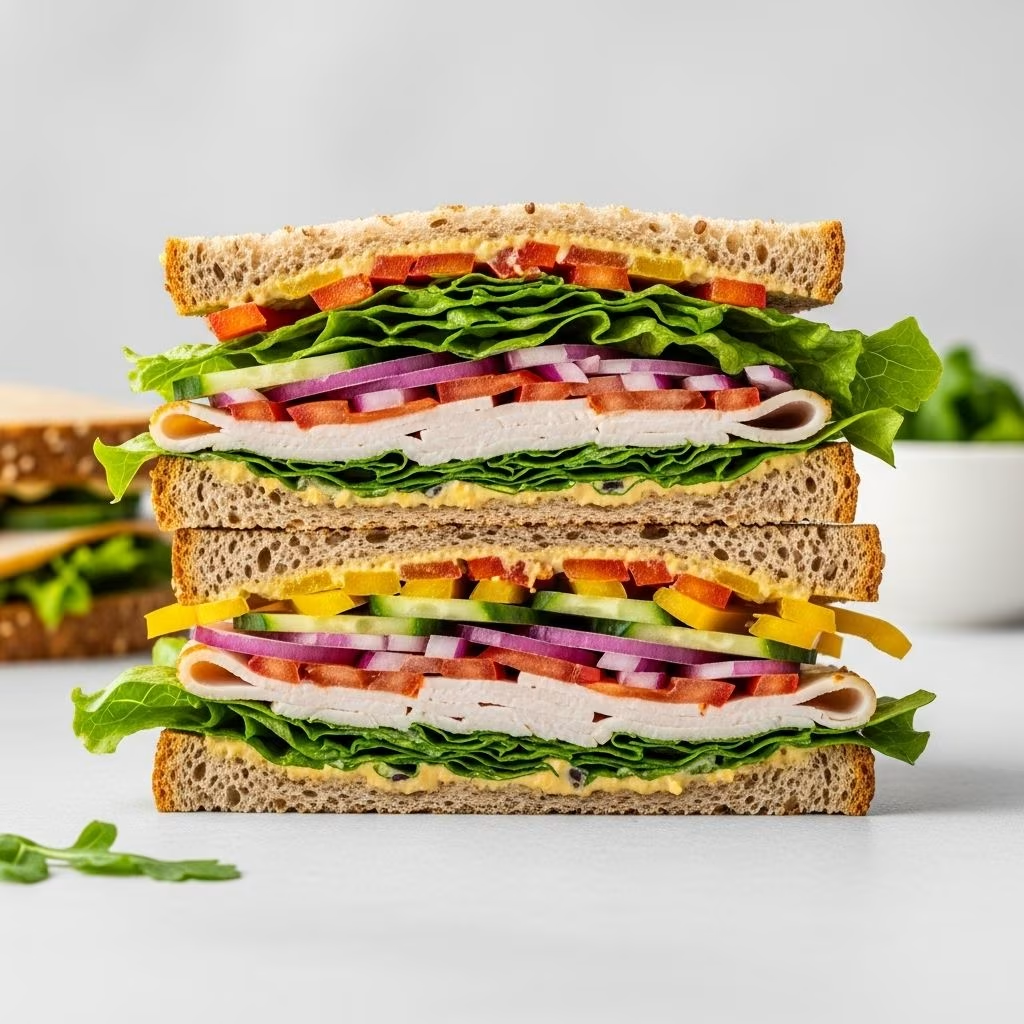
The Power of the 400-Calorie Sandwich
If you’re searching for a delicious, filling lunch that won’t sabotage your weight loss goals, look no further than the 400-calorie sandwich. Eating balanced meals around 400 calories, four times a day, is one of the smartest strategies for active adults looking to slim down, sustain energy, and curb cravings without feeling deprived. The secret? Smart choices and strategic portioning—so every bite is packed with nutrition and taste, not empty calories. This guide breaks down everything you need to know about constructing a satisfying, 400-calorie sandwich, from bread to protein, produce to flavor, and includes sample recipes you can start making today.
Why 400-Calorie Meals Fuel Weight Loss
Research and expert nutrition consensus show that consistent control of meal calories is the easiest way for most people, especially active women, to achieve weight loss without hunger spikes or loss of energy. By eating four balanced 400-calorie meals a day, you can:
- Maintain steady energy and metabolism throughout the day
- Reduce the temptation for high-calorie snacks between meals
- Support effortless, sustainable weight loss without extreme diets
The humble sandwich—when thoughtfully built—serves this approach perfectly: portable, customizable, and deeply satisfying. Let’s explore how to construct the ultimate slim-and-satisfying sandwich.
How to Build a Slimmer, Smarter Sandwich
Each component of your sandwich matters. To keep calories controlled but flavor and nutrition high, follow these five steps:
1. Start With Better Bread
Bread forms the foundation and can make or break your calorie budget. Here’s how to choose wisely:
- Stick to 160 calories total for bread: Choose options with no more than 80 calories per slice. Many ‘healthy-sounding’ breads have over 100 calories per slice—always check the packaging.
- Try alternatives: Rotate between different types to keep things interesting: wraps, bagels, English muffins, whole wheat pita, or even lettuce leaves for ultra-low cal wraps.
- Watch for added sugar and sodium: Some breads, especially ‘wheat’ breads, can sneak in added sweeteners and salt.
Choosing flavorful but lighter breads lets you invest more calories in nutrient-rich fillings.
2. Add Protein and Produce: The Rule of Threes
Your filling is where nutrition shines—and where calories can creep up. The sandwich-building experts recommend the “rule of threes”:
- Bacon: If using, stick to three thin strips (about 30 calories each). For bacon-lovers, it’s enough for taste but not overload.
- Lean deli meats: Choose turkey, ham, roast beef, chicken—limit to 3 ounces (typically about three full slices). This supplies protein to keep you full.
- Produce variety: Always include three different types of produce. Think lettuce, tomato, cucumber, shredded carrots, sliced peppers, or sprouts for crunch and micronutrients.
This balance maximizes both satiety and benefits to your metabolism, keeping your sandwich filling substantial but not excessive.
3. Choose Flavorful Cheese
You don’t have to skip cheese to save calories—just slice thin and prioritize taste:
- Use a cheese slicer (inspired by Norwegian invention) to cut superthin slices. Two paper-thin slices of a strong-flavored cheese usually total about 50 calories.
- Prefer bold flavors: Swiss, pepper jack, smoked gouda, and sharp cheddar taste rich, so you’ll need less to feel satisfied.
- Skip pre-sliced cheese products: They tend to be thicker and pack in more calories per slice.
Thin-sliced, high-flavor cheese gives creaminess and tang, without piling on extra fat and calories.
4. Pile On the Greens
The key to a vibrant, filling sandwich? Greens with taste and nutrition:
- Avoid iceberg lettuce: It’s crisp but bred for shelf life over flavor.
- Go for punchy greens: Arugula (nutty and peppery), spinach, watercress, or dark leafy lettuce offer taste, micronutrients, and fiber.
- Layer generously: More greens means more fullness, more vitamins, and more sandwich height!
With bold-flavored greens, you won’t miss high-calorie extras like mayo.
5. Be Generous With Seasonings
Flavor is crucial, but calories don’t have to be:
- Use freshly ground black pepper: A pepper mill unlocks the essential oils and spice, far more aromatic than shaker-ground.
- Try spices and herbs: Dijon mustard, chipotle seasoning, Italian herbs, or even a squeeze of lemon elevate flavor with zero or minimal calories.
- Pile on pickles or spicy jalapeno slices: These add punch for hardly any calories.
Seasonings are the secret weapon to crave-worthy sandwiches without extra caloric load.
10 Inspiring 400-Calorie Sandwich Recipes
Need examples of how to put it all together? Here are ten classic and creative sandwiches—each designed to come in around 400 calories. Use these as blueprints for building your own healthy, satisfying lunch options.
| Sandwich | Main Ingredients | Total Calories |
|---|---|---|
| Peanut Butter & Jelly | 2 regular slices white bread, 2 Tbsp peanut butter, 2 Tbsp jelly | 426 |
| Barbecue Pork | 4 oz grilled pork tenderloin, chipotle adobo, 1 burger bun, BBQ sauce | 406 |
| Tuna Salad on Toast | 2 slices whole wheat toast, 2/3 cup tuna salad (with mayo), lettuce | 421 |
| Chicken Sandwich (Fast food style) | Grilled chicken breast, corn-dusted bun, lettuce, tomato, BBQ dipping sauce | 410 |
| Ham & Cheese | Whole wheat bread, mustard, ham, American cheese, lettuce, tomato | 411 |
| Greek Veggie Pita | Whole wheat pita, hummus, cucumber, red pepper, feta, spinach | Estimate: 400 |
| Turkey Cranberry Wrap | Whole wheat wrap, sliced turkey, arugula, dried cranberries, thin cheddar | Estimate: 390 |
| Egg Salad English Muffin | English muffin, light egg salad (use Greek yogurt), sprouts | Estimate: 395 |
| Roast Beef & Horseradish | Whole wheat bread, roast beef, arugula, tomato, horseradish sauce | Estimate: 405 |
| Caprese Sandwich | Ciabatta (small), mozzarella, tomato, basil, balsamic drizzle | Estimate: 415 |
Customize any of these with your preferred breads, meats, spreads, and veggies, keeping an eye on portion sizes to stay near the 400-calorie goal.
Tips & Swaps for Sandwich Success
- Balance is everything: Too much of a single ingredient can easily push a sandwich beyond the target calorie range. Measure portions where possible, and prioritize variety.
- Make ahead: Prep produce, portion meats, and slice cheese in advance for quick assembly during busy mornings.
- Bulk up with zero-calorie volume: Shredded lettuce, spinach, sprouts, and sliced cucumbers add crunch and fullness without raising calories.
- Smart spreads: Instead of mayo, choose mustard, mashed avocado, or low-fat Greek yogurt blended with herbs.
- Consider open-faced: Lose one slice of bread to cut calories or increase filling ingredients.
Nutritional Benefits of the 400-Calorie Sandwich Approach
Choosing sandwiches around 400 calories means you’re getting:
- Complex carbs: Good for long-lasting energy and satiety.
- Lean proteins: Essential for muscle maintenance and repair.
- Healthy fats: From cheese, nuts, avocado, or olive oil, which aid satisfaction and hormone health.
- Vitamins and minerals: Especially when you include a variety of produce.
- Fiber: From whole grains and veggies, supporting digestion and fullness.
By following this approach, meals will be enjoyable and filling, supporting weight management without feeling restricted.
Frequently Asked Questions (FAQs)
Q: What is the ideal portion size for sandwich ingredients?
A: The best approach is the rule of threes: 3 oz lean meats, 3 produce items, and 2 thin slices of strong cheese. For bread, stick to no more than 160 calories total.
Q: Are 400-calorie sandwiches enough to keep me full?
A: Yes, when built with fiber-rich bread, lean proteins, and plenty of produce and greens. Eating four such meals a day can maintain steady energy and curb hunger.
Q: Can I eat 400-calorie sandwiches if I’m vegetarian or gluten-free?
A: Absolutely! Swap meats for grilled tofu, tempeh, beans, or hummus, and use gluten-free bread or wraps. Keep portions and calories in check for best results.
Q: What are the best condiments for a low-calorie sandwich?
A: Mustard, salsa, hot sauce, horseradish, and fresh herbs pack flavor with minimal calories. Be cautious with mayo, creamy spreads, and oils.
Q: Is it necessary to count calories exactly for every sandwich?
A: While exact calorie counting isn’t essential daily, measuring and tracking helps build awareness and encourages healthier ingredient choices.
Start Building Better Sandwiches Today
Eating for weight loss and energy doesn’t mean sacrificing enjoyment. With fresh ingredients, portion awareness, and thoughtful seasoning, the 400-calorie sandwich is a daily staple that satisfies your taste buds, your hunger, and your goals. Use these strategies, try the sample recipes, and discover how delicious healthy eating can be—one sandwich at a time.
References
- https://www.prevention.com/weight-loss/diets/a20436073/build-a-perfect-400-calorie-sandwich/
- https://www.prevention.com/weight-loss/diets/a20436856/400-calorie-sandwiches/
- https://www.prevention.com/weight-loss/diets/g20480971/400-calorie-sandwiches-0/
- https://www.prevention.com/weight-loss/diets/g20431140/400-calorie-spring-and-summer-recipes/
- https://www.prevention.com/food-nutrition/healthy-eating/a39108416/prevention-400-calorie-meal-guide/
- https://www.prevention.com/food-nutrition/g20480894/no-cook-meal-ideas-from-400-calorie-fix/
- https://www.prevention.com/weight-loss/diets/a20429807/eat-400-calorie-meals/
- https://www.prevention.com/weight-loss/a20456360/400-calorie-meals-how-to-get-started/


