


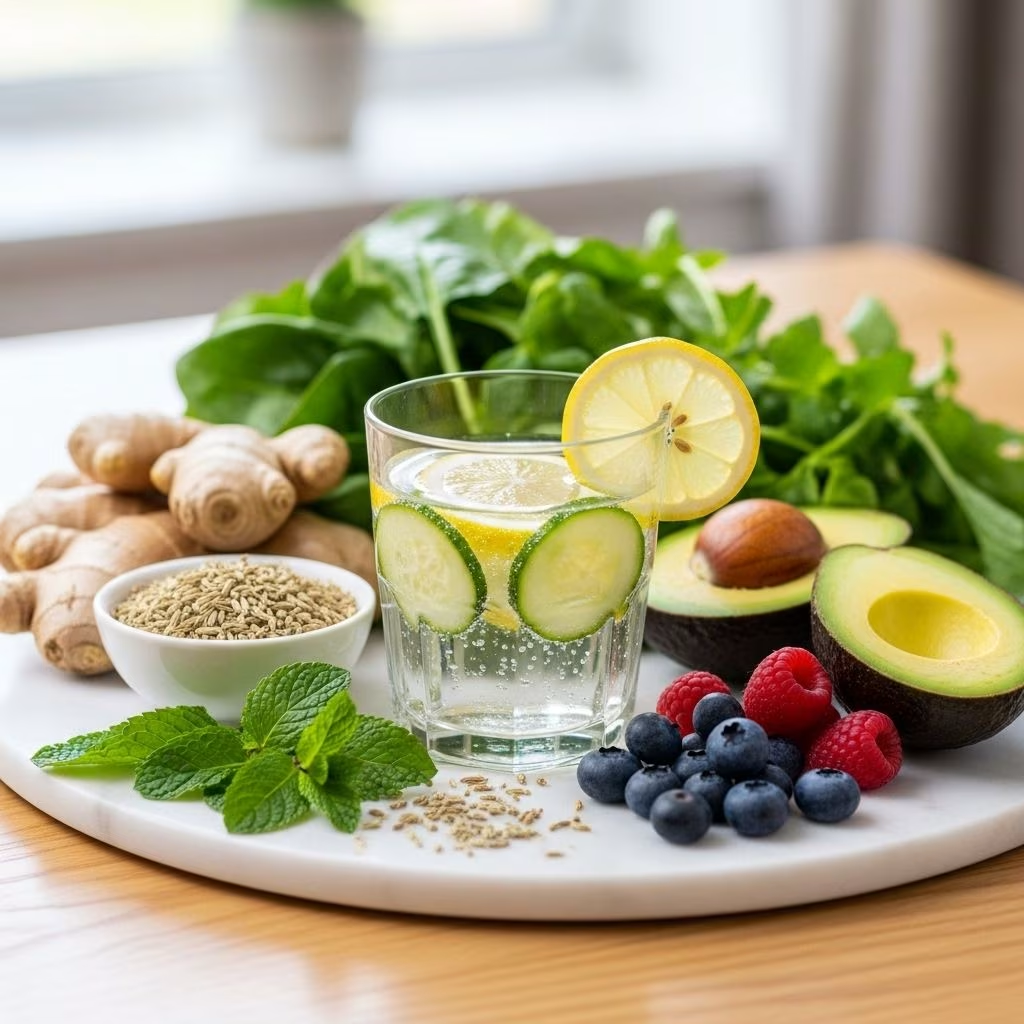
Bloating—a swollen, uncomfortable feeling in your belly—affects millions and can strike anytime, bringing discomfort and self-consciousness. Fortunately, simple dietary and lifestyle tweaks can address the root causes of bloating and deliver lasting relief. This comprehensive guide synthesizes expert advice and evidence-based strategies to help you beat the bloat, boost your energy, and feel great every day.
Understanding Bloating
Bloating refers to a feeling of fullness or swelling in the abdomen, often accompanied by gas, distention, and discomfort. The causes are varied and may include:
- Eating gas-producing foods or highly processed carbohydrates
- Swallowing air while eating too quickly
- Poor hydration
- Food intolerances or sensitivities
- Imbalances in gut bacteria
- Constipation or irregular bowel movements
Identifying personal triggers is essential, but there are universal, science-backed steps that can help manage or prevent bloating for most people.
The Best Diet-Based Solutions to Reduce Bloating
What you eat directly impacts your digestive comfort. Nutrition experts recommend focusing on foods that support gut health, minimize water retention, and encourage smooth digestion.
1. Increase Fiber Gradually With Gut-Friendly Foods
- Oats — Packed with beta-glucan, an anti-inflammatory fiber that reduces puffiness and supports regularity.
- Quinoa — A naturally gluten-free whole grain, quinoa is high in fiber and antioxidants, both beneficial for reducing inflammation and ensuring smoother bowel movements.
- Apples & Apples — Their water and fiber (especially pectin) promote hydration and healthy elimination.
Pro Tip: Introduce fiber slowly to prevent excess gas and bloating caused by rapid dietary changes.
2. Embrace Water-Rich Fruits and Vegetables
- Celery — Hydrating and rich in fiber, celery supports digestion and reduces gut inflammation.
- Cucumber, Grapefruit, and Pineapple — These fruits offer hydration, natural digestive enzymes (like bromelain in pineapple), and compounds that help curb both bloating and gut irritation.
- Kiwi — Known for its digestive-aiding enzymes and hydration benefits, kiwi may help relieve constipation and bloating, particularly in people with irritable bowel syndrome (IBS).
3. Favor Potassium-Packed Foods
- Bananas — Rich in potassium, bananas combat water retention, feed healthy gut bacteria (prebiotics), and encourage healthy digestion. One study showed women experienced less bloating when eating bananas before meals.
- Spinach & Potatoes — Both can assist in balancing sodium and potassium ratios to flush excess water.
4. Try Herbal Digestive Soothers
- Peppermint — Known for its soothing effect on digestive discomfort, peppermint (as tea or enteric-coated capsules) has been proven to ease cramping and bloating, especially in IBS.
- Fennel — Whether as seeds, root, or leafy tops, fennel supports bowel movements, relieves gas, and is a traditional remedy for bloat and cramps.
- Turmeric & Ginger — These anti-inflammatory roots help calm gut inflammation and support smoother digestion. Turmeric’s curcumin content can even relieve IBS-related symptoms.
5. Incorporate Probiotic and Fermented Foods
- Yogurt (with live cultures), kefir, and kombucha — These foods contain probiotics that nurture a healthy gut microbiome. Probiotics are linked to reductions in bloating, bowel irregularity, and abdominal distention.
- Fermented vegetables like sauerkraut and kimchi can also contribute beneficial bacteria.
6. Try Apple Cider Vinegar and Lemon
- Apple cider vinegar contains probiotics and acetic acid, which may stimulate digestion and support the breakdown of food. Mix a tablespoon or two with water, or use as a salad dressing, for a daily digestive boost.
- Lemon juice is alkalizing and has been shown to stimulate the production of digestive enzymes and even speed up the emptying of the stomach, reducing bloating.
Foods That May Trigger Bloating (to Avoid or Limit)
Certain foods can make bloating worse, especially if consumed in large quantities or by people with specific sensitivities. Key offenders include:
- High-sodium foods that cause water retention (processed or packaged snacks, deli meats, canned soups)
- Artificial sweeteners (e.g., sorbitol, xylitol) found in sugar-free candy, chewing gum, and diet sodas that often ferment in the gut and cause gas
- Cruciferous vegetables (broccoli, cabbage, cauliflower) and legumes (beans, lentils), which although healthful, are highly fermentable and may cause issues for sensitive individuals
- Carbonated drinks (sodas, sparkling water, beer) that trap gas in your digestive tract
- Dairy products—if lactose intolerant, milk, cheese, and ice cream may trigger bloating
- Refined carbs (white bread, white rice, cookies), which hold water and contribute to bloating
Note: Not everyone is sensitive to all these foods; it’s best to observe your body’s response and adjust accordingly.
Lifestyle Changes to Minimize Bloat
Diet is only part of the bloating equation. Lifestyle habits can have a profound effect on digestion and fluid balance. Consider these science-backed strategies:
1. Move Regularly
- Gentle movement such as walking or yoga stimulates intestinal contractions, helps release trapped air, and prevents constipation. Even a short, brisk 5-minute walk can help move things along.
2. Get Adequate Hydration
- Drink at least 8 glasses of water per day to flush out excess sodium and aid regular bowel habits.
- Hydration helps prevent water retention; paradoxically, not drinking enough can increase bloat as your body holds on to fluids.
- Consider adding lemon or ginger to water for additional digestive support.
3. Eat Smaller Portions and Slow Down
- Eating too quickly or overeating in one sitting can lead to swallowing air (aerophagia) and poor breakdown of foods, both of which contribute to bloating.
- Savor meals, chew slowly, and aim for smaller, more frequent meals instead of large ones.
4. Avoid Swallowing Extra Air
- Skip chewing gum and sucking on hard candies.
- Avoid drinking through straws and carbonated beverages.
- Mind your posture while eating; sitting upright can prevent air intake.
5. Reconsider Certain Beverages
- High-acid beverages such as coffee, tea, fruit juices, and alcohol may irritate the lining of the GI tract and contribute to swelling in sensitive individuals.
- Instead, focus on sipping water or soothing herbal teas like peppermint or ginger.
6. Limit Added Salt and Processed Foods
- Processed, canned, and restaurant foods are major sources of sodium, which can trigger water retention and leave you feeling puffy.
- Opt for fresh, whole-food ingredients and season foods with herbs and spices that aid digestion (such as turmeric, ginger, and cinnamon).
Table: Foods for Beating and Triggering Bloat
| Bloat-Busting Foods | Common Triggers |
|---|---|
| Oats, quinoa, apples, bananas, celery, kiwi, yogurt, kombucha, fennel, peppermint, ginger, pineapple, lemon, grapefruit, spinach | Dairy (for lactose intolerant), beans, broccoli, cabbage, onions, salty foods, artificial sweeteners, carbonated beverages, refined carbs |
Quick Tips & Practical Advice
- Introduce new foods and fiber gradually, giving your digestive system time to adapt.
- Keep a food diary to spot personal bloating triggers.
- If bloating is sudden, severe, or persistent, consult a healthcare provider to check for underlying digestive disorders.
Frequently Asked Questions (FAQs)
Q: Can probiotics really help with bloating?
A: Yes, clinical evidence shows specific strains of probiotics can support gut microbiome balance, reduce abdominal distention, and improve bowel movement regularity, which collectively help with bloating.
Q: Should I avoid all carbs to prevent bloating?
A: Not necessarily. Focus on slowly digestible carbohydrates such as oats and quinoa, which support gut health. Limit refined carbs and those that you personally find gas-producing.
Q: How much water should I drink to help reduce bloating?
A: Aim for at least eight 8-ounce glasses per day (about 2 liters), adjusting based on activity level and climate. Proper hydration helps flush excess sodium and supports healthy digestion.
Q: What are the top foods to eat if I’m feeling bloated?
A: Bananas, kiwi, yogurt (with live cultures), celery, pineapple, and ginger are gentle on the gut and may help reduce bloat quickly.
Q: When should I see a doctor about bloating?
A: If bloating is occurring frequently, is severe, or is accompanied by other symptoms like weight loss, severe pain, or blood in stools, seek medical advice to rule out more serious conditions.
Conclusion
Bloating is common but not insurmountable. By optimizing your dietary choices, staying hydrated, moving regularly, and making a few simple lifestyle tweaks, you can experience lasting digestive comfort. Tuning into your body’s responses and implementing proven anti-bloat strategies can help you feel lighter, more energetic, and ready to face each day with confidence.
References
- https://www.prevention.com/health/g43739176/foods-to-help-ease-bloating/
- https://www.prevention.com/health/a20456510/prevent-bloating/
- https://www.prevention.com/health/a41465396/how-to-reduce-bloating/
- https://www.prevention.com/health/g20470402/9-de-bloating-tricks-ranked-in-order-of-effectiveness/
- https://www.prevention.com/health/a65644243/how-to-banish-gas-and-bloating/
- https://www.prevention.com/health/g20478610/how-gi-docs-beat-bloating/
- https://www.prevention.com/weight-loss/a20437173/solutions-to-reduce-bloat/
- https://www.uclahealth.org/news/article/6-things-you-can-do-prevent-bloating
- https://www.health.harvard.edu/staying-healthy/how-to-get-rid-of-bloating-tips-for-relief


