


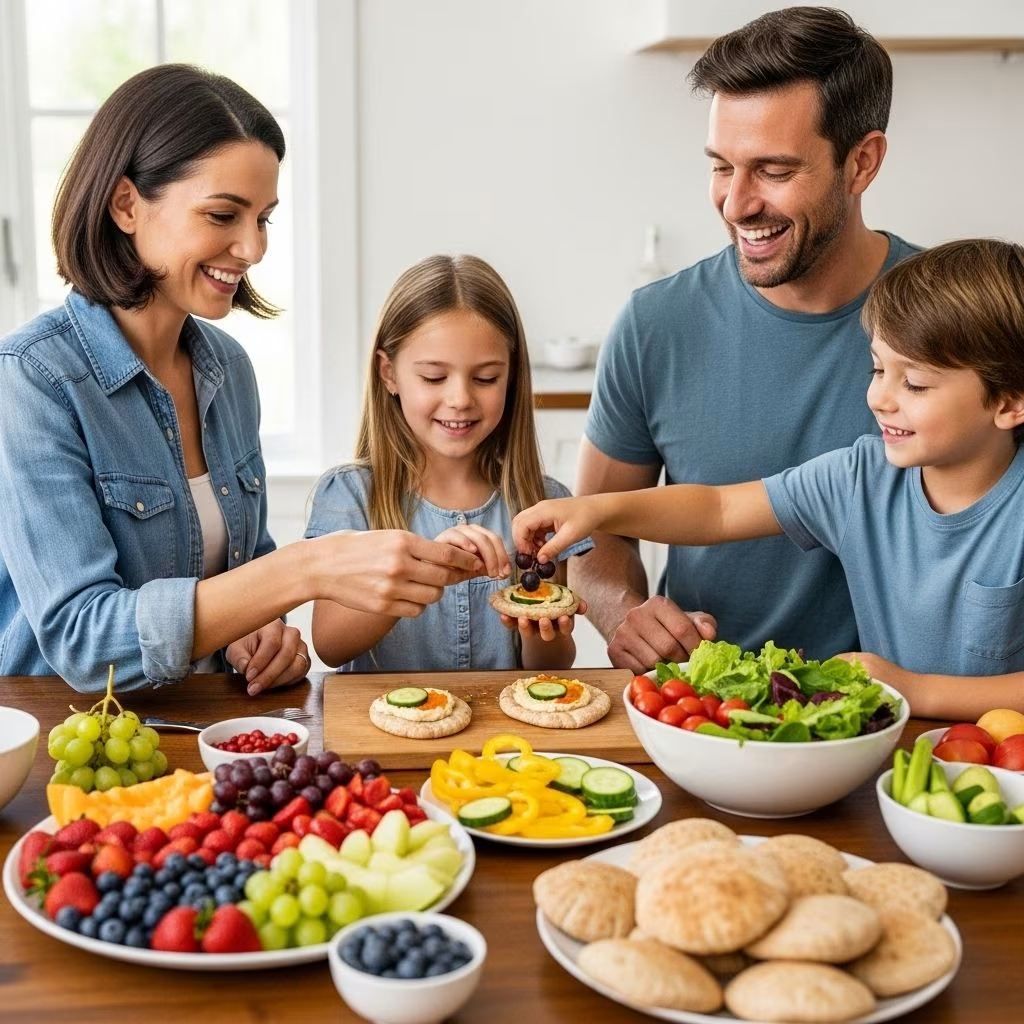
Helping Kids Eat Healthy: Practical Strategies for Parents
Children’s nutrition is fundamental to their growth, development, and lifelong health. Parents and caregivers play a pivotal role in shaping children’s eating habits and attitudes toward food. This article provides comprehensive strategies, actionable tips, and evidence-based routines for fostering healthy eating behaviors in children.
Why Childhood Nutrition Matters
Healthy eating during childhood lays the foundation for physical and cognitive development, disease prevention, and emotional wellbeing. Kids require balanced meals rich in nutrients to fuel their growth, support learning, and maintain energy. Poor eating habits, such as frequent consumption of processed foods or sugary beverages, are linked to increased risks of obesity, diabetes, and other health issues later in life.
Key Principles of Healthy Eating for Children
- Variety: Encourage eating a range of foods to provide all essential nutrients. No single food delivers complete nutrition.
- Balance: Meals should feature the right mix of carbohydrates, protein, fats, vitamins, and minerals.
- Moderation: Limit portions, especially when offering foods high in sugar, salt, or saturated fats.
Essential Foods and Drinks for Children
| Food Group | Recommended Choices | Benefits |
|---|---|---|
| Fruits & Vegetables | Berries, apples, carrots, broccoli, sweet potatoes | High in fiber, vitamins, minerals |
| Whole Grains | Oats, brown rice, whole wheat bread | Energy, fiber, sustained fullness |
| Dairy | Low-fat milk, yogurt, cheese; fortified non-dairy alternatives | Calcium, vitamin D, protein |
| Proteins | Lean meats, poultry, fish, eggs, beans, lentils, nuts* | Growth, muscle, satiety |
*Always check for allergies before offering nuts and seeds to children.
Foods and Drinks to Limit
- Refined grains such as white bread and crackers
- Added sugars in sodas, candies, sugary cereals, desserts
- Saturated fats (butter, lard, margarine, processed snacks)
- High-sodium foods like chips, fast food, and processed meats
Limiting these foods helps reduce the risk of obesity, diabetes, and heart disease. Instead, offer healthier alternatives like cut fruits, veggies, or unsalted nuts during snack times.
Creating Routines and Positive Food Environments
Establishing mealtime routines and a supportive food environment helps children learn about nutrition and develop positive associations with eating.
Family Meals and Mealtime Structure
- Eat meals together whenever possible to foster connection and model healthy habits.
- Set regular meal and snack times to avoid constant grazing and encourage hunger awareness.
- Make healthy snacks easily accessible and visible—keep fruit on the counter, and veggies cooked or cut in the fridge.
- Avoid distractions during meals, such as TV or screens, to encourage mindful eating.
Encouraging Positive Choices Through Guidance
- Model healthy eating behaviors, such as choosing water over sugary drinks or enjoying vegetables with every meal.
- Avoid pressuring kids to finish everything on their plate; instead, help them learn to recognize fullness cues.
- Offer healthy choices first during meals and snacks.
Getting Kids Involved in Meal Planning
- Let children help with meal prep, such as washing produce or choosing a vegetable for dinner.
- Encourage conversations about food preferences and new tastes. Use simple questions like, “Is this a thumbs-up, thumbs-down, or in-between?” to honor their experience.
- Present new foods alongside familiar favorites. For example, offer steamed broccoli with their favorite dip or pair whole grain bread with a well-liked spread.
Energy and Focus: The Importance of Breakfast
Regularly eating breakfast gives children the energy to start their day, improves concentration, and may help decrease their chances of developing obesity. Aim for balanced morning meals including:
- Whole grains (such as oatmeal or whole wheat toast)
- Low-fat dairy (like yogurt or milk)
- Lean protein (such as eggs or nut butters)
- Fresh fruit
Making Healthy Eating Fun: Strategies for Success
Children are more likely to develop lasting healthy habits when meal times are enjoyable and stress-free. Use these proven strategies:
- Repeated exposure: Research shows it can take 10-15 tries before children accept a new food. Stay patient and keep offering without pressure.
- Pair new foods with familiar dips and dressings to increase appeal.
- Serve small portions of unfamiliar foods to limit waste and reduce mealtime stress.
- Get creative with presentation, like cutting vegetables into fun shapes or arranging them in colorful patterns.
- Make healthy snacks visible and within reach. Place individual portions in containers at kids’ eye level.
Building Independence and Body Awareness
Encourage your child’s autonomy and help them learn to listen to their own body’s hunger and fullness signals:
- Talk about how their stomach feels before, during, and after eating.
- Let children choose between two healthy options (“Would you like carrot sticks or apple slices with your snack?”).
- Avoid using food as a reward or comfort during emotional moments.
- Use non-food rewards for good behavior or achievements—stickers, extra playtime, or favorite activities.
Tips for Healthy Eating Success
- Serve half the plate with fruits and vegetables at every meal.
- Choose hot or cold cereals with no added sugar.
- Use olive or canola oil instead of butter when cooking to cut down on saturated fat.
- Keep salt off the table and out of recipes when possible.
- Choose low-fat dairy; offer lactose-free alternatives if needed.
- Offer safe seafood options, such as salmon, shrimp, or light tuna (not albacore).
Age-Appropriate Portions and Avoiding Overeating
Teaching kids about age-appropriate serving sizes helps prevent overeating and builds self-regulation. Take time to learn correct portion sizes for your child’s age and avoid oversized servings, especially for calorie-dense foods.
Role Modeling: Parents Make All the Difference
Children learn food and lifestyle habits primarily from their parents. Be mindful of your own relationship with food and routines:
- Reflect on your habits—do you eat while watching TV, use food for comfort, or continue eating when full?
- Display enthusiasm for healthy foods and new ingredients to inspire curiosity.
- Share family stories about favorite meals, healthy traditions, or reasons for choosing nutritious foods.
Creating a Healthy Home Environment
- Stock your pantry and refrigerator with healthy choices, leaving unhealthy snacks out of sight.
- Establish routines for meals and snacks to combat mindless snacking.
- Encourage children to help with shopping and meal planning, reinforcing healthy choices from an early age.
Frequently Asked Questions (FAQs)
Q: How do I encourage my picky eater to try new foods?
A: Offer small portions of new foods alongside familiar items, use positive encouragement, and avoid pressuring your child. It can take several tries before a child accepts new tastes—patience is key.
Q: Should kids be forced to finish all the food on their plate?
A: No, avoid pressuring children to eat beyond their fullness cues. Encourage them to listen to their bodies instead.
Q: What are simple breakfast ideas for kids who dislike breakfast?
A: Try smoothies with fruit and yogurt, whole-grain toast with nut butter, or overnight oats with berries for quick, nutritious options.
Q: How do I limit sugary drinks and snacks?
A: Stock your home with healthy beverages like water and low-fat milk; offer fruit, vegetables, and unsalted nuts for snacks.
Q: Can I use food as a reward for good behavior?
A: It’s better to avoid this practice. Use non-food rewards such as special activities, stickers, or praise to build positive associations.
Helpful Resources for Parents
- Government guidelines: Check the Dietary Guidelines for Americans for comprehensive nutritional recommendations by age.
- Nutrition.gov: Explore recipes and meal planning ideas tailored for children and families.
- Pediatricians and Registered Dietitians: Consult professionals for personalized advice if your child has allergies, intolerances, or medical concerns.
Final Thoughts
Establishing healthy eating habits for children is an ongoing process that benefits from routine, patience, and positive role modeling. By creating an environment filled with nutritious choices, involving children in food decisions, and fostering independence, parents can help kids grow into confident, healthy eaters who value nutrition for life.
References
- https://www.niddk.nih.gov/health-information/weight-management/healthy-eating-physical-activity-for-life/helping-your-child-tips-for-parents
- https://healthyeatingresearch.org/tips-for-families/ages-2-8-feeding-recommendations/
- https://womack.tricare.mil/News-Gallery/Articles/Article/3717589/ten-tips-to-healthy-eating-for-kids
- https://www.prevention.com
- https://www.cdc.gov/obesity/family-action/index.html
- https://www.childrenscolorado.org/just-ask-childrens/articles/healthy-eating-for-kids/
- https://www.prevention.com/health/a60486206/heal-your-body-with-food/
- https://www.apa.org/topics/children/healthy-eating
- https://www.healthychildren.org/English/tips-tools/ask-the-pediatrician/Pages/How-Do-I-Help-My-Picky-Eater-Try-More-Foods.aspx
- https://www.cdc.gov/nutrition/php/resources/healthy-eating-benefits-for-children.html


