


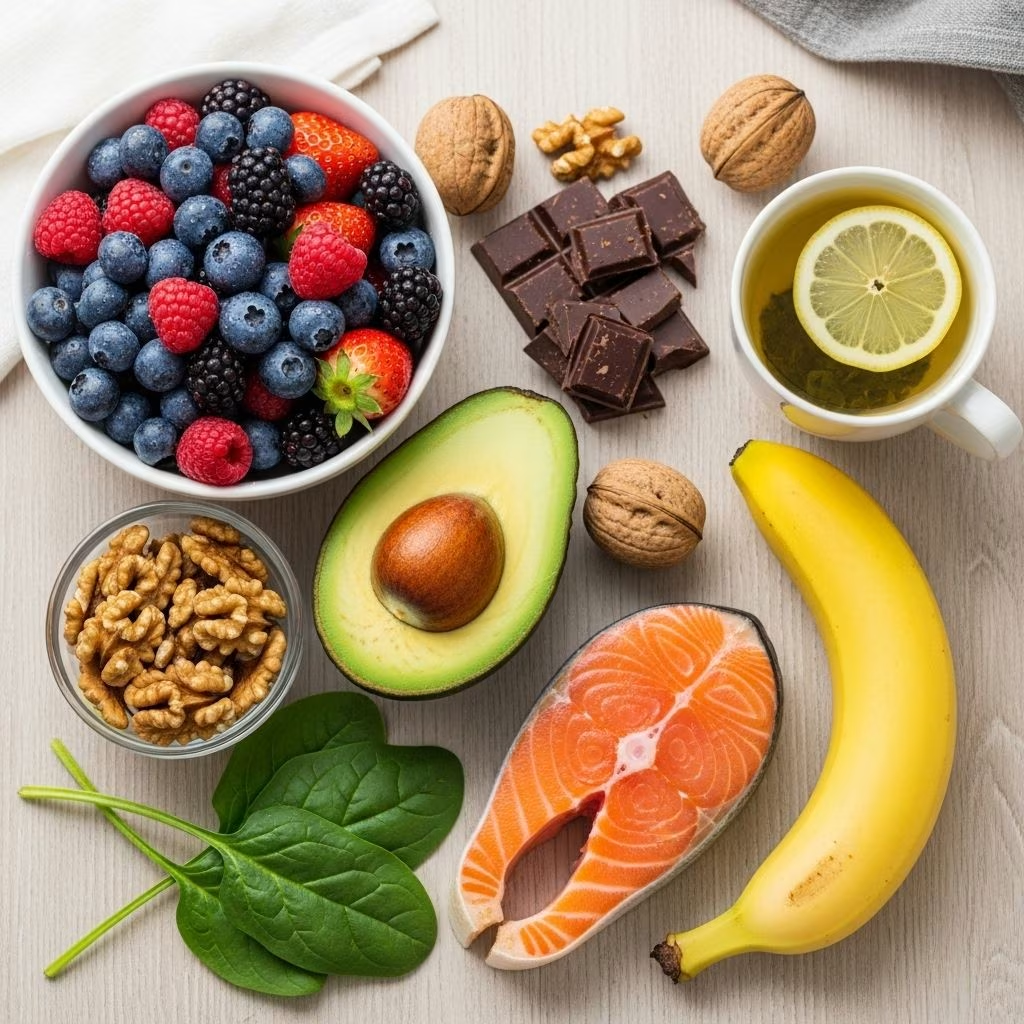
Ever notice how certain foods seem to magically lift your spirits? The connection between what you eat and how you feel goes far beyond a fleeting sugar rush. Emerging research in nutritional psychiatry reveals that your daily diet can have a significant impact on your mood and mental well-being. Read on for a deep dive into the science, discover which foods to savor, which to avoid, and practical strategies to help you eat your way to a happier, healthier mind and body.
Why Food Influences Your Mood
Your brain needs key nutrients to manufacture neurotransmitters—like serotonin and dopamine—that regulate emotion, motivation, and overall mental health. Remarkably, up to 95% of your serotonin is produced in your gut, suggesting that what you eat has a profound influence on mood stability, clarity, and resilience. A diet rich in nutrient-dense whole foods has been associated with lower risk of depression and anxiety, whereas processed, high-fat, and high-sugar diets can have the opposite effect.
How Nutrition Shapes Mental Health
- Neurotransmitter Support: Amino acids, vitamins, and minerals from food serve as building blocks for the brain’s mood-regulating chemicals.
- Gut-Brain Connection: The microbiome – trillions of bacteria in your digestive system – communicates directly with the brain and helps manage stress response and mood.
- Blood Sugar Stability: Balanced meals help avoid rapid spikes and crashes that can cause fatigue, irritability, and mood swings.
- Inflammation Control: Anti-inflammatory foods protect brain cells and support healthy mood regulation, while processed foods can trigger inflammation linked to depression.
Top Foods That Boost Mood & Mental Well-being
Here’s a breakdown of powerful foods indicated by research to help cultivate a brighter outlook:
1. Fatty Fish
Why they help: Fatty fish like salmon, sardines, and albacore tuna are loaded with omega-3 fatty acids, specifically EPA and DHA. These essential fats are crucial for brain health and are strongly linked to reduced depression and improved emotional balance. Just 2-3 servings per week can easily supply the recommended amount of omega-3s for most adults.
Bonus tip: Grilled salmon or canned sardines make delicious, convenient options.
2. Dark Chocolate
Why it helps: Good news for chocolate lovers: moderate servings of dark chocolate—ideally 70% cocoa or higher—contain mood-boosting compounds such as polyphenols, flavonoids, iron, magnesium, and a little caffeine. These can increase endorphin and serotonin levels in the brain, leading to a subtle lift in mood and alertness.
How to enjoy: A square or two of dark chocolate as an afternoon pick-me-up, ideally paired with nuts or berries.
3. Fermented Foods
Why they help: Fermented foods such as yogurt, kefir, sauerkraut, kimchi, and kombucha contain probiotics—live bacteria that support a balanced microbiome. A healthy gut has been linked to better emotional resilience and less incidence of depression and anxiety.
Tips: Choose plain yogurt with active cultures or try adding kimchi to salads for a flavorful kick.
4. Bananas
Why they help: A staple snack for mood stability, bananas are rich in vitamin B6, which supports the production of serotonin and dopamine. They also deliver natural prebiotics (especially when still slightly green), supporting gut health.
How to enjoy: Slice bananas over oatmeal, blend into smoothies, or pair with almond butter for steady energy.
5. Berries
Why they help: Berries—like blueberries, strawberries, and blackberries—abound in antioxidants, vitamins, and fiber. Studies suggest those who eat more berries report greater happiness, likely due to their ability to fight oxidative stress linked to mood disorders.
Tips: Freeze berries for a cool snack or toss them into yogurt or salads for a colorful nutrition boost.
6. Oats and Whole Grains
Why they help: Oats, quinoa, brown rice, and other whole grains provide a steady source of complex carbohydrates. These support gradual energy release, maintaining blood sugar stability and fueling serotonin synthesis. They also are high in fiber, B vitamins, and magnesium—all linked to improved mood.
Tips: Start your morning with oatmeal topped with nuts and berries, or select whole-grain bread for your lunch sandwich.
7. Nuts and Seeds
Why they help: Almonds, walnuts, flax, chia, and pumpkin seeds are powerhouses of plant-based protein, omega-3s, zinc, magnesium, and tryptophan (a serotonin precursor). Including a variety of nuts and seeds in your daily routine may lower your risk of depression and offer lasting energy.
How to use: Sprinkle seeds over salads or yogurt, and carry mixed nuts for a snack on the go.
8. Beans and Lentils
Why they help: Beans and lentils are excellent sources of plant-based protein, fiber, and critical B vitamins (B6, B9/folate, B12) that help synthesize mood-regulating neurotransmitters.
Tips: Add chickpeas to salads, enjoy lentil soup, or try a black bean burrito bowl for sustained satisfaction.
9. Coffee
Why it helps: While caffeine isn’t for everyone, moderate consumption of coffee has been associated with improved alertness and mood, thanks to increased dopamine and the presence of antioxidants.
Note: Limit intake to avoid jitters or sleep disruptions; opt for black coffee or with a splash of milk.
The Mediterranean Diet: A Blueprint for Happiness
The Mediterranean diet—rich in fruits, vegetables, whole grains, olive oil, fish, nuts, and legumes—is consistently associated with lower rates of depression and improved mental health. Unlike restrictive diets, the Mediterranean approach emphasizes variety, pleasure, and slow enjoyment of food.
- Abundant in anti-inflammatory nutrients
- Stable blood sugar and energy (minimal processed foods or refined sugars)
- Healthy fats from olive oil, nuts, and fish
- Supports diverse, beneficial gut bacteria
Mood-Boosting Foods at a Glance
| Food Group | Specific Examples | Key Nutrients | Mood Benefits |
|---|---|---|---|
| Fatty Fish | Salmon, sardines, mackerel | Omega-3s (EPA, DHA) | Reduce depression risk, stabilize mood |
| Dark Chocolate | 70%+ cocoa chocolate | Polyphenols, iron, magnesium | Boost serotonin, antioxidants |
| Fermented Foods | Yogurt, kefir, kimchi, sauerkraut | Probiotics | Promote gut health, serotonin production |
| Bananas | Fresh bananas (slightly green) | Vitamin B6, prebiotic fiber | Support brain chemistry, stabilize blood sugar |
| Berries | Blueberries, strawberries | Antioxidants, vitamins | Counteract oxidative stress |
| Nuts and Seeds | Walnuts, chia, flaxseed, almonds | Magnesium, zinc, tryptophan | Lower depression risk, support serotonin |
| Whole Grains | Oats, brown rice, quinoa | Fiber, B vitamins | Stabilize blood sugar, fuel serotonin synthesis |
| Beans and Lentils | Chickpeas, black beans, lentils | B vitamins, plant protein, fiber | Support neurotransmitter balance, steady energy |
Foods and Habits to Limit
For maximum mood support, try to minimize:
- Highly processed foods
- Excessive added sugars
- Refined grains (white bread/pasta)
- Red and processed meats
- Sugary beverages
- Excess alcohol
These foods are often low in the nutrients necessary for brain function and can exacerbate inflammation and blood sugar swings, negatively affecting mood and focus.
Simple Ways to Add More Mood Foods To Your Day
- Start breakfast with oatmeal, berries, and a sprinkle of walnuts.
- Replace white rice or pasta with quinoa, bulgur, or barley.
- Enjoy Greek yogurt with honey and fresh fruit for a midday snack.
- Swap soda or juice for sparkling water with lemon or a cup of green tea.
- Pile your plate with leafy greens, tomatoes, and colorful veggies at lunch and dinner.
- Try a dinner featuring grilled salmon, roasted sweet potatoes, and sautéed spinach.
- Add lentils or chickpeas to soups, salads, or grain bowls.
- Keep snack-sized containers of nuts, seeds, or cut veggies on hand.
The Science: How Gut Health, Serotonin, and Diet Relate
Serotonin—the “feel-good” neurotransmitter—plays a pivotal role in sleep, mood regulation, appetite, and even pain sensation. Because the vast majority of serotonin is produced in your digestive tract, a flourishing gut microbiome supports a sharper mind and more balanced mood. Whole foods, fiber-rich fruits and vegetables, and fermented foods all contribute to a healthy gut and happier brain.
Expert Tips for Lifelong Mood Support
- Eat a rainbow: Aim for diverse colors and varieties of plants daily.
- Balance carbohydrates with protein and healthy fat for stable energy.
- Opt for whole, minimally processed foods whenever possible.
- Include oily fish or plant sources of omega-3s several times a week.
- Be mindful of portion sizes, especially with rich foods like chocolate and nuts.
- Hydrate well – dehydration can cause fogginess and irritability.
- Consider the Mediterranean diet as a sustainable path for mood and well-being.
Frequently Asked Questions (FAQs)
Q: Can changing my diet really help my mood or mental health?
A: Yes. Numerous studies show that diets rich in whole foods—especially fruits, vegetables, whole grains, fish, nuts, and legumes—can lower rates of depression and anxiety. The nutrients in these foods support neurotransmitter balance and protect brain cells from oxidative stress.
Q: Are supplements as effective as whole foods for mood support?
A: While certain supplements (like omega-3 fish oil or B vitamins) can help some people, research consistently shows that nutrients are best absorbed from a varied, whole-food diet. Prioritize food first, and consider supplements if a deficiency is suspected or on your healthcare provider’s advice.
Q: How quickly can I expect to feel a difference in my mood after changing my diet?
A: Some people notice improvements within a few days, while for others it can take several weeks of consistent healthy eating. Gut microbiome changes can occur quickly, but more profound shifts in mental well-being may unfold over time as nutritional reserves build.
Q: Can I eat for better mood if I have dietary limitations, like vegetarian or gluten-free?
A: Absolutely. Beans, lentils, nuts, seeds, oats, plenty of produce, and fermented foods can all be part of vegetarian, vegan, or gluten-free diets. The key is variety—ensure you’re getting enough protein, healthy fats, and B vitamins from diverse plant foods.
Further Reading and Resources
- “9 Healthy Foods That Lift Your Mood” – Healthline
- American Heart Association: Food and Mood
- Mayo Clinic: Foods That Boost Your Mood
Eating for happiness isn’t complicated. Small, consistent choices toward whole, colorful foods have the power to energize both mind and body—one meal at a time.
References
- https://www.healthline.com/nutrition/mood-food
- https://communityhealth.mayoclinic.org/featured-stories/mood-boosting-foods
- https://www.heart.org/en/healthy-living/healthy-lifestyle/mental-health-and-wellbeing/food-and-mood
- https://www.trihealth.com/blogs/healthy-eating/mood-boosting-foods
- https://stvincents.org/about-us/news-press/news-detail?articleId=63374&publicid=395
- https://www.prevention.com/food-nutrition/healthy-eating/a65919516/foods-to-boost-metabolism/
- https://www.ncbi.nlm.nih.gov/search/research-news/13453
- https://www.prevention.com/weight-loss/g24805401/fat-burning-foods/
- https://www.christianhealthnj.org/news/2025/march/good-mood-foods/


