


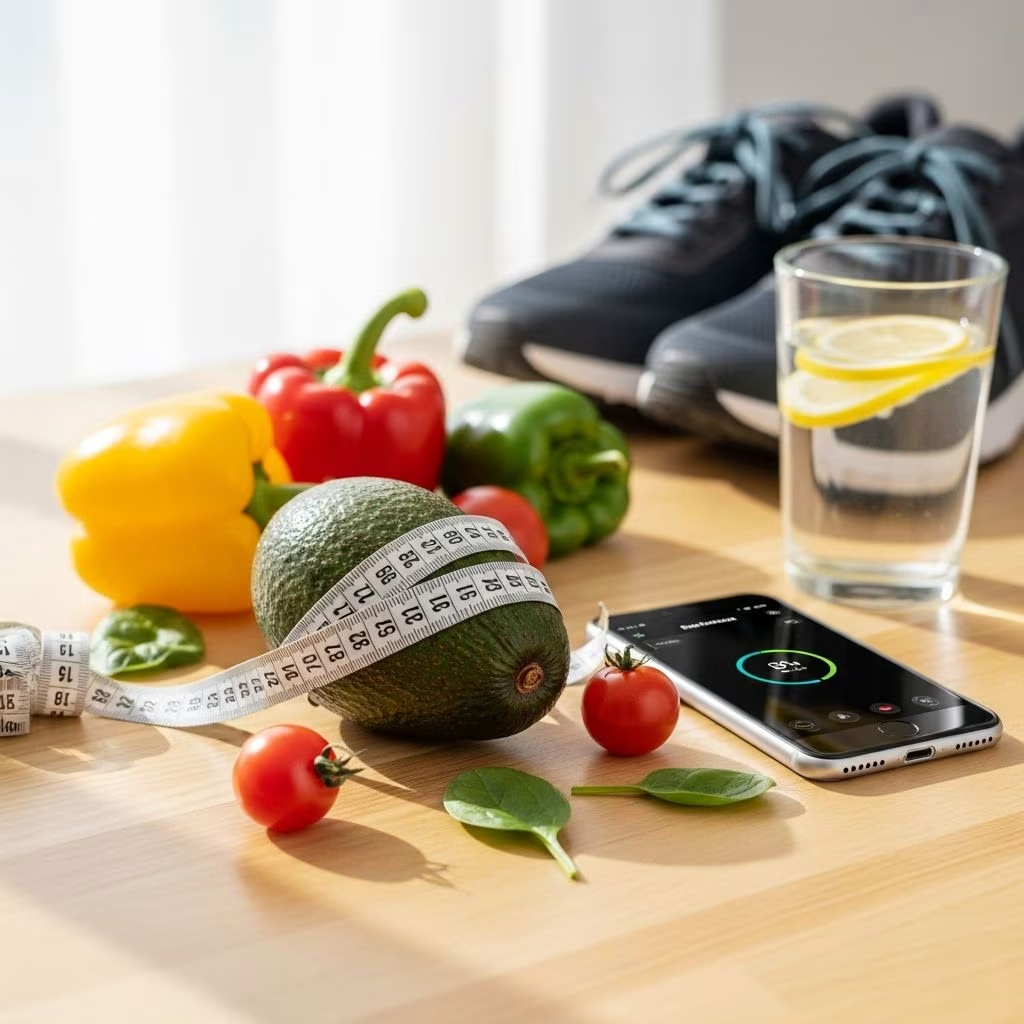
Lose Weight in One Week: Realistic, Healthy Strategies for Quick Results
Many people want to lose weight quickly—for an event, beach trip, or simply to jumpstart better health. But what can you really achieve in seven days? This article covers what experts say is feasible, the healthiest ways to see changes, and how to avoid pitfalls that sabotage both short-term and long-term weight loss.
How Much Weight Can You Safely Lose in One Week?
According to the Centers for Disease Control and Prevention (CDC), the safe amount of weight to lose in a week is 1 to 2 pounds, achieved gradually with dietary changes and increased activity. The basic principle: If you burn 3,500 calories more than you consume over the course of a week, you’ll lose roughly a pound of fat. A calorie deficit of 7,000 means a two-pound loss.
- 1-2 pounds a week is considered healthy, steady progress.
- Rapid approaches may show more change on the scale, but much of that is often water weight or muscle loss rather than fat.
Some structured, nutritionist-developed plans might let you lose up to five pounds in a week, particularly for those with more initial weight to lose. However, experts caution that more than two pounds of true fat loss per week is uncommon and not recommended for long-term health.
Understanding Weight Loss: Calories, Fat, and Water
Your body weight fluctuates daily for reasons beyond fat loss. When you cut calories sharply and change what you eat, part of the quick drop you see on the scale during a crash diet is from lost water and glycogen—not just fat.
- True fat loss is gradual; dramatic drops often reflect less water retention, muscle loss, and digestive changes.
- Bouncing back from crash diets is common. Extreme restriction tends to cause “yo-yo” weight gain afterward, which is linked with negative health effects.
Muscle loss is another concern. When you lose muscle by restricting calories too much, your metabolism slows down, making it more difficult to continue losing weight in the future.
Is It Possible to Lose More Than 2 Pounds in a Week?
Nutritionists agree short-term, aggressive dieting might show three to five pounds lost in a week, especially for those heavier or retaining more fluid initially. However, most of this is a combination of fat, water, and some muscle. Do not attempt such strict approaches for more than a week at a time, and avoid them if you’ve struggled with disordered eating in the past.
- Higher losses are possible via intense dietary restriction, but come with health trade-offs and are hard to sustain.
- Use quick weight loss approaches sparingly—experts suggest no more than once per quarter.
- Expect most rapid results to be short-lived unless you maintain healthy eating habits afterward.
How to Look Thinner in a Week—Without Unsafe Diets
If your goal is a visible difference in a week, focus on strategies that decrease bloating and excess water retention. The following nutritionist-recommended foods and habits can help you look slimmer fast, though the changes may not all come from fat loss.
- Eat more potassium-rich and hydrating foods: Avocado, asparagus, lemons, and parsley are gentle diuretics that help reduce puffiness.
- Drink dandelion tea: This caffeine-free herbal drink can encourage the loss of excess fluid.
- Cut out added sugar and alcohol: Both promote bloating and water retention.
While these “delicious de-bloaters” don’t burn fat directly, they make you feel lighter and less puffy—results you can see quickly.
A Week at a Glance: Your 7-Day Slimming Game Plan
For a successful week, combine smart eating, lighter exercise, and anti-bloat strategies. Here is a day-by-day outline of easy-to-implement changes:
- Days 1-7: Eat at home whenever possible. Homemade meals help you control ingredients and calories.
- Prioritize vegetables and lean proteins (like fish and poultry).
- Reduce sodium by avoiding processed foods and choosing fresh ingredients.
- Hydrate well. Water supports metabolism and helps flush out excess salt.
- Avoid alcohol and high-sugar foods.
- Take a mindful, ten-minute walk after dinner each day to support digestion and burn extra calories.
7 Essential Tips for Quick, Safe Weight Loss
Experts recommend making simple, sustainable changes instead of extreme diets. Here’s how to get the best short-term results with the least risk:
- Track Your Calories: Use a food journal or app to track your consumption, aiming to create a moderate caloric deficit.
- Boost Fiber Intake: Eat more vegetables, fruits, beans, and whole grains. Fiber helps you feel full, aids digestion, and supports regularity.
- Choose Lean Proteins: Fish, poultry, tofu, and eggs keep you feeling satisfied and reduce muscle loss when calories are reduced.
- Fill Your Plate with Non-Starchy Vegetables: Leafy greens, broccoli, and peppers are low in calories and high in nutrients.
- Reduce Simple Carbs: Avoid white bread, white rice, and pastries, which cause blood sugar spikes and quick hunger.
- Limit Salt Intake: Processed foods are high in sodium, which leads to water retention and bloating.
- Get Enough Sleep: Inadequate rest raises appetite hormones, making it harder to resist snacks and overeat.
Sensible Sample Menu for a One-Week Jumpstart
For seven days, aim to fill half your plate with non-starchy vegetables, a quarter with lean protein, and the remaining quarter with fiber-rich whole grains or starchy vegetables.
| Meal | Example |
|---|---|
| Breakfast | Sliced avocado and tomato on whole-grain toast + poached egg |
| Snack | Carrot sticks and hummus, or Greek yogurt with berries |
| Lunch | Grilled fish over mixed greens with lemon vinaigrette and chickpeas |
| Snack | Apple slices with nut butter |
| Dinner | Roasted chicken breast, steamed asparagus, quinoa or brown rice |
Where possible, avoid sauces and dressings high in sugar, and season with herbs and citrus instead of salt.
Hydration and Beverages for Bloating and Fat Loss
- Drink at least 8 glasses of water daily. Staying hydrated fights fluid retention and supports metabolism.
- Replace sugary drinks with water or herbal teas like dandelion and green tea.
- Skip sodas and fruit juice during your jumpstart week—they can sabotage your calorie deficit and increase bloating.
Smart Activity: Move Your Body Every Day
Exercise is not strictly required for short-term weight loss, but even small bursts of movement help.
- Walking for 10-30 minutes daily increases daily calorie burn and encourages fat loss.
- Consider light strength training two or three times in the week to help preserve muscle mass.
- Stretching or yoga after meals can reduce stress and lower stress-related weight gain.
What Happens After the One-Week Slimdown?
After your week is up, return to more sustainable eating. Experts recommend gradually transitioning to a diet you can happily sustain for months or years.
- Don’t overcompensate by bingeing once the special event is over.
- Retain some healthy habits—like increased veggies, hydration, and walking—to hold on to your results.
- If you want to keep losing, slow your pace to 1-2 pounds weekly for safer, longer-lasting results.
Red Flags: What to Avoid with Quick Weight Loss Plans
- Extreme calorie restriction. Diets under 1,200 calories daily can slow metabolism and promote muscle loss.
- Cutting out entire food groups. Balance is key for nutrient intake and satisfaction.
- Water pills or unsafe “detoxes”. Only use natural food-based strategies for reducing bloat.
- Lack of sleep or extreme stress. Both increase hunger and impede fat loss.
Frequently Asked Questions (FAQs)
Q: Is it healthy to try losing as much as possible in a week?
A: Experts do not recommend crash diets or extreme calorie deficits for more than a few days at a time. While you can slightly increase your efforts briefly, stick with realistic, nutrition-rich plans for lifelong success.
Q: Can I lose weight without exercising?
A: Absolutely. Most early weight loss comes from dietary changes. However, regular movement helps maintain losses and supports overall health.
Q: What if I only lose one pound?
A: That’s normal—and healthy! A steady one-pound-per-week loss is linked to better maintenance and fewer rebounds than large, rapid drops.
Q: Will I gain it all back?
A: You’re likely to regain fluid weight from a quick diet if you quickly revert to old habits. Keep some positive changes for best results; long-term success relies on continued, sustainable behavior changes.
Q: Are “de-bloating” foods safe?
A: Yes. Naturally hydrating and potassium-rich foods like citrus, asparagus, and parsley are safe and may reduce puffiness, but won’t cause dramatic fat loss.
Takeaway: The Bottom Line for One Week Weight Loss
Short-term weight loss is possible using healthy, expert-approved tweaks: reduce added sugars, eat more veggies and lean protein, drink more water, and skip the salt. Focus on feeling lighter and less bloated, and use your seven-day sprint as a kickoff toward lasting results. For the greatest health and happiness, aim for continued steady progress—one or two pounds at a time, week after week.
References
- https://www.prevention.com/weight-loss/diets/a30260622/how-much-weight-you-can-lose-in-a-week/
- https://www.prevention.com/weight-loss/a30188568/lose-weight-without-exercise-0/
- https://www.prevention.com/weight-loss/a20458064/new-research-on-how-to-lose-belly-fat/
- https://www.prevention.com/fitness/a37857801/7-day-weight-loss-preparation-guide/
- https://www.prevention.com/weight-loss/a20456499/52-simple-weight-loss-tips/
- https://www.prevention.com/weight-loss/diets/a60578947/how-to-lose-weight-fast-safely/
- https://www.prevention.com/weight-loss/a20446820/how-one-woman-lost-weight-and-clutter/
- https://www.prevention.com/weight-loss/g20434243/how-5-women-lost-150-pounds/
- https://www.prevention.com/weight-loss/g20511161/number-one-major-weight-loss-tip/
- https://www.prevention.com/weight-loss/g20498713/lose-weight-without-trying/


