


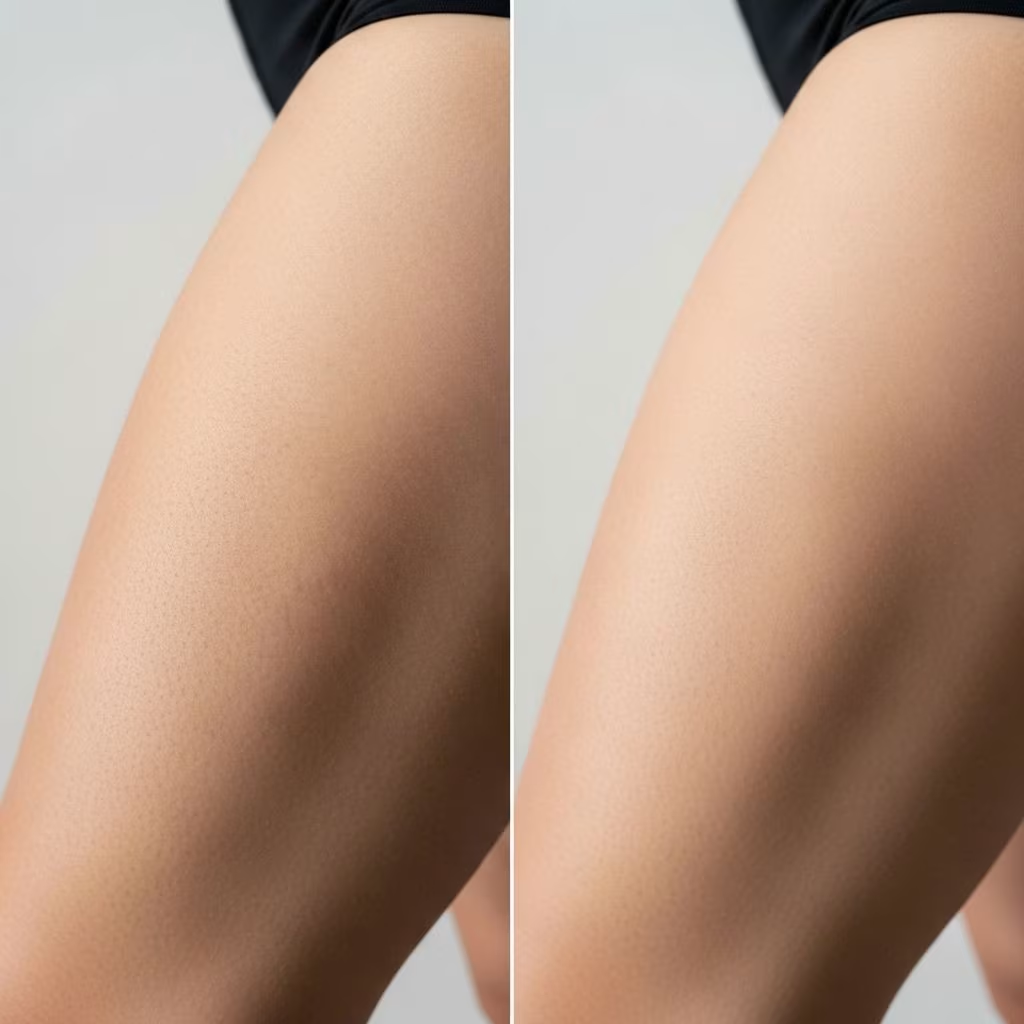
What Is Cellulite?
Cellulite is a harmless but aesthetically concerning condition that gives the skin a dimpled, lumpy appearance, most often on the thighs, hips, bottom, and abdomen. It is caused by underlying fat deposits pushing through the connective tissue beneath the skin, resulting in the familiar uneven texture.
Although it is frequently associated with weight, cellulite affects people of all body types and ages. It occurs in 80–90% of women at some point in their lives, primarily due to differences in fat distribution, connective tissue structure, and hormones.
Why Does Cellulite Happen?
- Fat cells expand beneath the skin and push up against connective tissue, causing the surface to pucker.
- Connective tissue fibers that tether the skin to deeper tissues can become rigid or lose elasticity, making bumps more visible.
- Hormonal factors such as estrogen can contribute by weakening connective tissue and increasing fat storage, which is why cellulite often appears after puberty or during pregnancy.
Common Myths About Cellulite
Misconceptions about cellulite abound, often misleading people about its causes and the effectiveness of popular remedies. Understanding the truth helps you navigate treatment options and manage expectations.
- Cellulite is caused by toxins in the body:
There is no scientific evidence that toxins are to blame. It’s a structural issue beneath the skin related to fat and connective tissue, not toxins. - Only overweight people get cellulite:
This myth is debunked by research showing that both thin and plump individuals can develop cellulite. Genetics and connective tissue structure play pivotal roles. - Exercise alone eliminates cellulite:
While exercise strengthens muscles and can make cellulite less noticeable, it does not erase it completely. - Cardio is the best cure:
Cardiovascular exercise helps maintain healthy weight, but strength training is more effective for improving skin smoothness and body composition. - Cellulite treatments must be performed by dermatologists:
Some treatments, especially surgical ones like Cellulaze, must be done by medical professionals. However, licensed technicians at reputable medi-spas can safely perform non-invasive procedures.
Cellulite: Key Facts and What You Really Need to Know
- Cellulite is normal and common among women.
- Genetics, hormones, and lifestyle are major contributing factors.
- Connective tissue structure beneath the skin plays a critical role in cellulite formation.
- Weight loss can reduce visibility, but cellulite may persist even at a healthy weight.
How Diet Influences Cellulite
Your dietary habits have a direct impact on the appearance and progression of cellulite. While food choices alone cannot prevent or cure cellulite, eating a balanced, plant-heavy diet can significantly help reduce inflammation and support healthy connective tissue.
- Eat more hydrating fruits and vegetables:
Foods like cucumbers, radishes, tomatoes, bell peppers, watermelon, and strawberries are composed of more than 90% water. These hydrate your skin and strengthen connective tissue. - Increase fiber intake:
Whole grains, fresh fruits, and vegetables help regulate fat storage and reduce the risk of cellulite-prominent areas. - Limit refined carbohydrates and sugar:
Excessive sugar and processed food intake contribute to fat accumulation, especially in cellulite-prone zones. - Stay hydrated:
Drinking at least 8 glasses of water a day can keep your connective tissues supple and aid skin health.
Exercise: A Powerful Ally Against Cellulite
Consistent exercise is one of the most effective ways to minimize cellulite visibility. Although it cannot cure cellulite, strengthening and toning muscles reduces its prominence and improves skin texture.
Best Types of Exercise for Cellulite
- Strength Training: Targets underlying fat stores and builds muscles for firmer skin. Lower body strength routines (squats, lunges) are especially effective.
- Cardiovascular Exercise: Helps reduce overall body fat but is less effective alone for specifically targeting cellulite.
- Flexibility and Circulation Boosters: Activities like yoga improve circulation and muscle tone in problem areas.
Sample Workout Plan to Reduce Cellulite
- Side to Side Squats: Works quadriceps, hamstrings, glutes, abductors, and adductors.
- V-Leg Pulls: Tones outer thighs using resistance bands.
- Lunges: Targets glutes, quads, and improves lower body definition.
- Leg Curls and Calf Raises: Strengthen hamstrings and calves.
Repeat each move for 1 set of 10–15 reps, three days a week for best results.
Lifestyle Factors That Affect Cellulite
- Smoking: Damages skin’s blood supply, weakens connective tissue, and increases the visibility of cellulite.
- Weight Fluctuations: Yo-yo dieting can worsen the appearance of cellulite due to alternating periods of fat gain and skin laxity.
- Hydration and Sleep: Poor hydration and inadequate sleep contribute to inflammation and skin weakening, promoting more visible cellulite.
Expert-Recommended Treatments for Cellulite
While many products claim to “cure” cellulite, few deliver meaningful results. Science-backed options can help reduce its appearance, especially when combined with healthy habits.
Non-Invasive Professional Treatments
- Endermologie: Mechanical massage treatment intended to stimulate circulation and collagen production.
- Laser Therapy: Techniques like Cellulaze target the structure of connective tissue to smooth the skin. These require medical supervision.
- Radiofrequency Devices: Heat energy stimulates collagen growth and reduces fat cells under the skin.
- Topical Retinoids: Creams may slightly improve skin thickness and texture with regular use.
At-Home Remedies and Their Effectiveness
- Caffeine-based Creams: Temporarily tighten skin and improve blood flow, leading to short-term smoothing.
- Dry Brushing: Promotes circulation and may provide mild, temporary improvement.
- Massage: Increases local blood flow and helps with temporary smoothing. Effects usually last only a few hours.
Who Should Perform Cellulite Treatments?
Non-invasive procedures like Endermologie and laser therapies can be performed by trained technicians in reputable medi-spas, as long as they are properly licensed and certified for the device. However, surgical procedures such as Cellulaze must be conducted by a dermatologist or cosmetic surgeon.
Cellulite Prevention: Can You Stop It Before It Starts?
Although genetics and hormones make completely preventing cellulite impossible for most women, you can minimize risks with lifestyle choices.
- Maintain a healthy, stable weight through balanced diet and regular physical activity.
- Quit smoking to support skin and connective tissue health.
- Stay hydrated to keep skin elastic and connective tissue strong.
- Incorporate muscle-toning and flexibility exercises into your regular routine.
FAQs: Cellulite Explained
Q: Does losing weight eliminate cellulite?
No. Weight loss can make cellulite less visible but cannot completely eradicate it. Thin people can have cellulite too.
Q: Are there any foods that help prevent cellulite?
Yes. Hydrating fruits and vegetables (cucumber, watermelon, bell pepper) help strengthen connective tissue, making cellulite less noticeable.
Q: Does strength training help?
Absolutely. Strength training is among the most effective exercise strategies for firming skin and reducing the look of cellulite.
Q: Can cellulite be treated at home?
Some topical creams and massage techniques might provide temporary improvement, but lasting results primarily come from professional treatments and changes in diet and exercise habits.
Q: What’s the main cause of cellulite?
Cellulite results from fat pushing against connective tissue beneath the skin, compounded by factors like genetics, hormones, and lifestyle choices.
Table: Cellulite – Myths vs Facts
| Myth | Fact |
|---|---|
| Only overweight people get cellulite | Cellulite occurs in thin and overweight people |
| Detox diets can cure cellulite | No evidence supports this. Diet can reduce appearance but not cure it |
| Exercise alone will remove cellulite | Exercise improves skin tone, but cannot eliminate cellulite entirely |
| Only a dermatologist can treat cellulite | Many licensed professionals can provide treatments, except surgical options |
| Cellulite is caused by toxins | It’s primarily structural, involving fat and connective tissue, not toxins |
Takeaway: Science-Backed Ways to Smooth Cellulite
- Combine strength training with aerobic exercise for the most effective body composition improvements.
- Eat a hydrating, fiber-rich diet full of fresh fruits and vegetables, and drink plenty of water every day.
- Consider professional treatments for more dramatic, lasting results but ensure providers are properly certified.
- Don’t believe the hype—understand myths versus facts and base your decisions on science-backed information.
- Remember: Cellulite is normal, not a medical concern, and occurs in the majority of women regardless of body type.
By combining exercise, nutrition, hydration, and trusted treatments, you can manage cellulite and feel more confident in your skin.
References
- https://time.com/77632/15-myths-and-facts-about-cellulite/
- https://www.webmd.com/beauty/ss/slideshow-cellulite-pictures-causes-myths-and-treatments
- https://www.prevention.com/fitness/workouts/a20428427/6-moves-that-target-cellulite/
- https://www.shorthillsderm.com/blog/5-facts-about-cellulite-you-need-to-know/
- https://www.prevention.com/fitness/workouts/a20473786/workout-mistakes-and-solutions-for-thinner-thighs/
- https://pmc.ncbi.nlm.nih.gov/articles/PMC10324940/
- https://www.medicalnewstoday.com/articles/149465
- https://www.mayoclinic.org/diseases-conditions/cellulite/symptoms-causes/syc-20354945


