


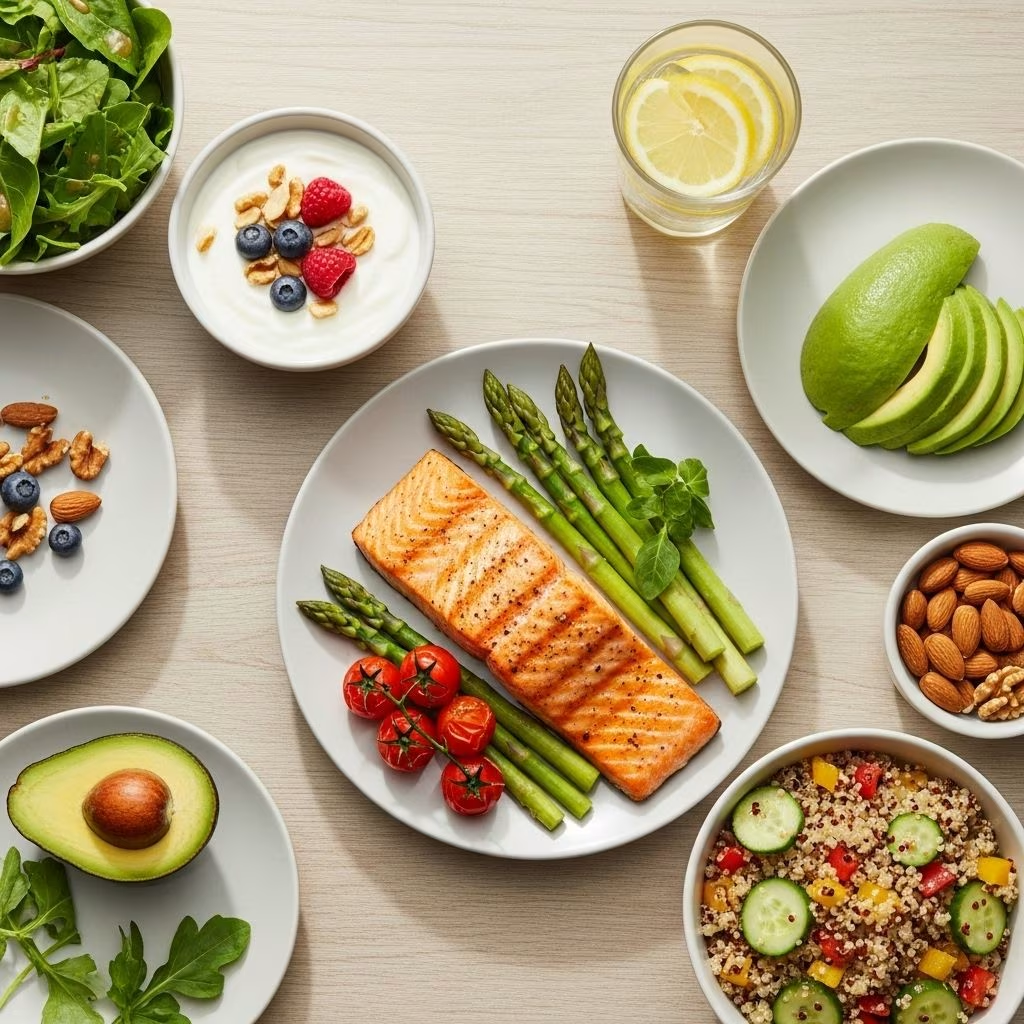
The South Beach Diet: Your Pathway to Healthy, Lasting Weight Loss
The South Beach Diet is a well-known nutrition plan that claims to deliver rapid weight loss, sustainable healthy eating, and better heart health—without constant hunger. Developed by cardiologist Dr. Arthur Agatston, the diet has stood the test of time as a practical approach to losing pounds and improving wellness by focusing on the right types of carbohydrates and fats. This article breaks down the science behind the South Beach Diet, its three-phase approach, the health benefits and risks, and practical tips for following this popular regimen.
What Is the South Beach Diet?
Conceived in the mid-1990s by Dr. Arthur Agatston and dietitian Marie Almon, the South Beach Diet was initially designed to help patients reduce their risk of heart disease. The diet’s growing popularity stemmed from its promise of significant weight loss, improved cholesterol, and steady blood sugar levels—without the deprivation and monotony often associated with dieting. Unlike traditional low-carb plans, the South Beach Diet emphasizes the quality of carbs and fats rather than total elimination, focusing on nutrient-dense, low-glycemic-index foods that keep you fuller longer while helping moderate insulin levels.
How the South Beach Diet Works
The South Beach Diet is structured into three distinct phases, each with specific goals and food guidelines:
- Phase 1: A strict two-week kick-start to stabilize hunger and rapidly jumpstart weight loss.
- Phase 2: A less restrictive stage for continued weight loss, reintroducing some healthy carbs and fruits.
- Phase 3: The maintenance phase for lifelong healthy eating and weight control.
Rather than imposing rigid calorie limits, the diet encourages smart choices in portion size, meal timing, and food type.
The Three Phases of the South Beach Diet
Phase 1: The Weight Loss Kickstart
Duration: 14 days
Goal: Rapid weight loss, reduced cravings, stabilized blood sugar
- Foods Allowed: Lean meats, seafood, eggs, low-fat dairy, non-starchy vegetables (broccoli, spinach, peppers), some healthy fats (olive oil, avocado), nuts, seeds
- Foods to Avoid: Grains, fruits, sugary foods, starchy vegetables (potatoes, corn), alcohol
- Typical Daily Structure: Three meals plus two snacks, each emphasizing protein and healthy fats
- Expected Results: Weight loss of 8–13 pounds (3.5–6 kg) in most people
This “reset” phase is designed to reduce blood sugar and insulin, curb cravings, and trend metabolism toward fat burning. Its strictness also serves to break the cycle of frequent hunger triggered by refined carbohydrates.
Phase 2: Steady, Sustainable Weight Loss
Start: Day 15, continues until you reach your goal weight
Goal: Continued but slower weight loss, gradual reintroduction of healthy carbs
- Foods Allowed: All Phase 1 foods plus moderate amounts of low-glycemic fruits (berries, apples), whole grains (brown rice, quinoa, whole wheat bread), more vegetables, some alcohol in moderation
- Foods to Avoid: Refined grains, sugary desserts, high-carb processed foods
- Typical Daily Structure: Flexible meals emphasizing balance and moderation
- Expected Results: Weight loss slows to ~1-2 lbs (0.5–1 kg) per week
This phase balances restriction with flexibility, allowing participants to create a diet they can stick with for the long term while continuing to lose weight.
Phase 3: Lifetime Maintenance
Start: Once goal weight is achieved
Goal: Maintain weight, enjoy a flexible diet, prevent rebound gain
- Foods Allowed: All foods are permitted, with an emphasis on the principles learned in earlier phases (lean proteins, healthy fats, whole grains, vegetables, fruit)
- Approach: Mindful, balanced eating with occasional indulgences allowed
- Strategy if Weight Returns: Dr. Agatston recommends a short return to Phase 1 before resuming maintenance
The focus shifts to lifestyle and habit reinforcement, building a lasting pattern that supports health and wellbeing for life.
What Foods Can You Eat on the South Beach Diet?
The foods featured on the South Beach Diet are selected to provide essential nutrients, satisfy hunger, and help regulate blood sugar and lipid levels.
| Food Group | Phase 1 | Phase 2 & 3 |
|---|---|---|
| Lean Proteins | Allowed | Allowed |
| Non-Starchy Vegetables | Allowed | Allowed |
| Fruits | Not Allowed | Allowed (low glycemic) |
| Whole Grains | Not Allowed | Allowed (reintroduced gradually) |
| Healthy Fats | Allowed (olive oil, nuts, seeds) | Allowed |
| Dairy | Low-fat choices only | Low-fat choices only |
| Sugary Foods & Refined Carbs | Not Allowed | Limited or occasional |
Advantages and Health Benefits of the South Beach Diet
- Effective Weight Loss: Numerous studies confirm that high-protein, lower-carb diets like South Beach lead to more significant weight loss than traditional high-carb, low-fat diets. Many dieters experience notable reductions in abdominal fat and waist circumference.
- Reduces Hunger and Food Cravings: Higher protein intake boosts satiety hormones and metabolic rate, helping regulate appetite and make it easier to eat less without suffering.
- Improves Heart Health: By focusing on healthy fats from nuts, seeds, fish, and plant-based oils (such as extra virgin olive oil), the South Beach Diet supports cardiovascular health and targets inflammation.
- Lowers Chronic Disease Risks: The plan’s emphasis on whole foods, fiber-rich grains, and lean proteins may reduce risk factors for metabolic syndrome, type 2 diabetes, and hypertension.
- Sustainable Long-Term Eating: Gradual reintroduction of healthy carbs, variety in meal options, and focus on real foods makes the plan more sustainable than fad diets.
- Flexible and Family-Friendly: Recipes can be found for every phase, and meals can be customized for taste or dietary preferences.
Potential Risks and Criticisms
- Risk of Ketosis: The initial carb restriction in Phase 1 can induce ketosis in some individuals, resulting in fatigue, headache, or irritability.
- Restrictive Nature in Phase 1: The first phase eliminates a broad range of foods that can be stressful for some and may cause nutritional gaps if followed for longer than recommended.
- Lack of Universal Scientific Consensus: While there is support for its benefits, some claims made about the diet’s long-term effects may lack robust scientific backing.
- May Not Be Suitable for Everyone: Those with certain health conditions, such as advanced kidney disease or pregnant women, should consult a healthcare provider before starting any restrictive regimen.
- Meal Preparation and Commitment: Success depends on planning and time for meal preparation, which some may find challenging.
Sample Meal Ideas by Phase
Phase 1
- Breakfast: Scrambled eggs with spinach and tomatoes, black coffee
- Snack: Celery sticks with light cream cheese
- Lunch: Grilled chicken salad with mixed greens, peppers, and avocado
- Snack: Handful of almonds
- Dinner: Baked salmon with roasted broccoli and cauliflower
Phase 2
- Breakfast: Greek yogurt with fresh berries and chia seeds
- Snack: Raw vegetables and hummus
- Lunch: Turkey breast sandwich on whole-wheat bread, leafy salad
- Snack: Apple slices with peanut butter
- Dinner: Quinoa stir-fry with tofu and assorted vegetables
Phase 3
- Breakfast: Oatmeal with walnuts, banana, and cinnamon
- Lunch: Grilled veggie and chicken wrap, fruit salad
- Dinner: Brown rice with grilled shrimp and seasonal vegetables
- Snacks and treats: A small serving of your favorite dessert occasionally is okay
Is the South Beach Diet Sustainable?
The South Beach Diet is specifically designed for long-term sustainability. After the structured initial phase, the diet’s principles prioritize a realistic, well-balanced approach that can be maintained for life. Even for those not looking to lose weight, adopting its focus on lean protein, healthy fats, and complex carbs offers broad wellness benefits.
The key to long-term success is commitment and flexibility: learning to make informed food choices, planning ahead, and enjoying a varied, satisfying diet.
South Beach Diet vs. Other Popular Diets
| Diet | Main Principles | Main Foods Emphasized | Carb Restriction | Sustainability |
|---|---|---|---|---|
| South Beach | Low-GI carbs, lean protein, healthy fats, phased | Vegetables, lean meats, whole grains, oils | Gradual reintroduction | High |
| Keto | Very low-carb, high-fat, moderate protein | Fats, meat, some vegetables | Extremely restrictive | Low to moderate |
| Mediterranean | Whole foods, balanced macronutrients | Whole grains, fruits, vegetables, olive oil | Minimal, focus on quality | Very high |
| Atkins | Low-carb, gradually increases | Meat, cheese, few carbs | Starts stringent, loosens later | Moderate |
Tips for Success on the South Beach Diet
- Plan Ahead: Prepare shopping lists and meals in advance to avoid temptation.
- Keep Healthy Snacks Accessible: Having portioned nuts, pre-cut vegetables, or yogurt on hand prevents impulsive choices.
- Monitor Your Progress: Keep a journal of your meals, mood, and weight changes.
- Don’t Skip Meals: The diet’s structure helps maintain fullness and stable energy levels.
- Drink Plenty of Water: Staying hydrated assists metabolism and appetite regulation.
- Stay Active: Pairing regular exercise with the diet boosts weight loss and overall health.
Frequently Asked Questions (FAQs)
Q: How much weight can I expect to lose in Phase 1?
A: Most people lose between 8–13 pounds (3.5–6 kg) during the initial two weeks, but individual results vary based on adherence and metabolism.
Q: Is the South Beach Diet suitable for vegetarians?
A: Yes, with careful planning. Focus on plant-based proteins (beans, tofu, tempeh) and permitted vegetables and grains in later phases.
Q: Can I drink alcohol on the South Beach Diet?
A: Alcohol is not recommended in Phase 1, but can be reintroduced in moderation (e.g., a glass of wine) in Phases 2 and 3.
Q: Does the diet cause ketosis?
A: The strict carb limit in Phase 1 may induce mild ketosis for some individuals, causing symptoms like fatigue, although it is not a keto diet by design.
Q: Is the South Beach Diet good for people with diabetes?
A: Its emphasis on low glycemic index foods and healthy fats can help stabilize blood sugar, though people with diabetes should consult their health provider before starting.
Final Thoughts: Is the South Beach Diet Right for You?
The South Beach Diet remains a science-backed, practical approach to weight management and improved metabolic health. With its phased introduction of healthy foods, focus on long-term habits rather than punishment or deprivation, and proven benefits for weight and heart health, it suits those seeking a sustainable lifestyle change. However, as with any dietary regimen, it’s best to consult your physician—especially if you have existing health conditions—before starting. Whether your aim is weight loss, improved wellness, or heart protection, the South Beach Diet equips you with the tools to make healthier choices and build lasting results.
References
- https://www.healthline.com/nutrition/south-beach-diet
- https://resources.healthgrades.com/right-care/food-nutrition-and-diet/south-beach-diet
- https://www.bostonspecialists.org/south-beach-diet
- https://www.medicalnewstoday.com/articles/7501
- https://www.mayoclinic.org/healthy-lifestyle/weight-loss/in-depth/south-beach-diet/art-20048491
- https://www.webmd.com/diet/south-beach-diet-what-it-is
- https://www.mymlc.com/health-information/articles/s/south-beach-diet/?section=Diet+details
- https://regene.ai/articles/south-beach-diet-a-holistic-approach


