


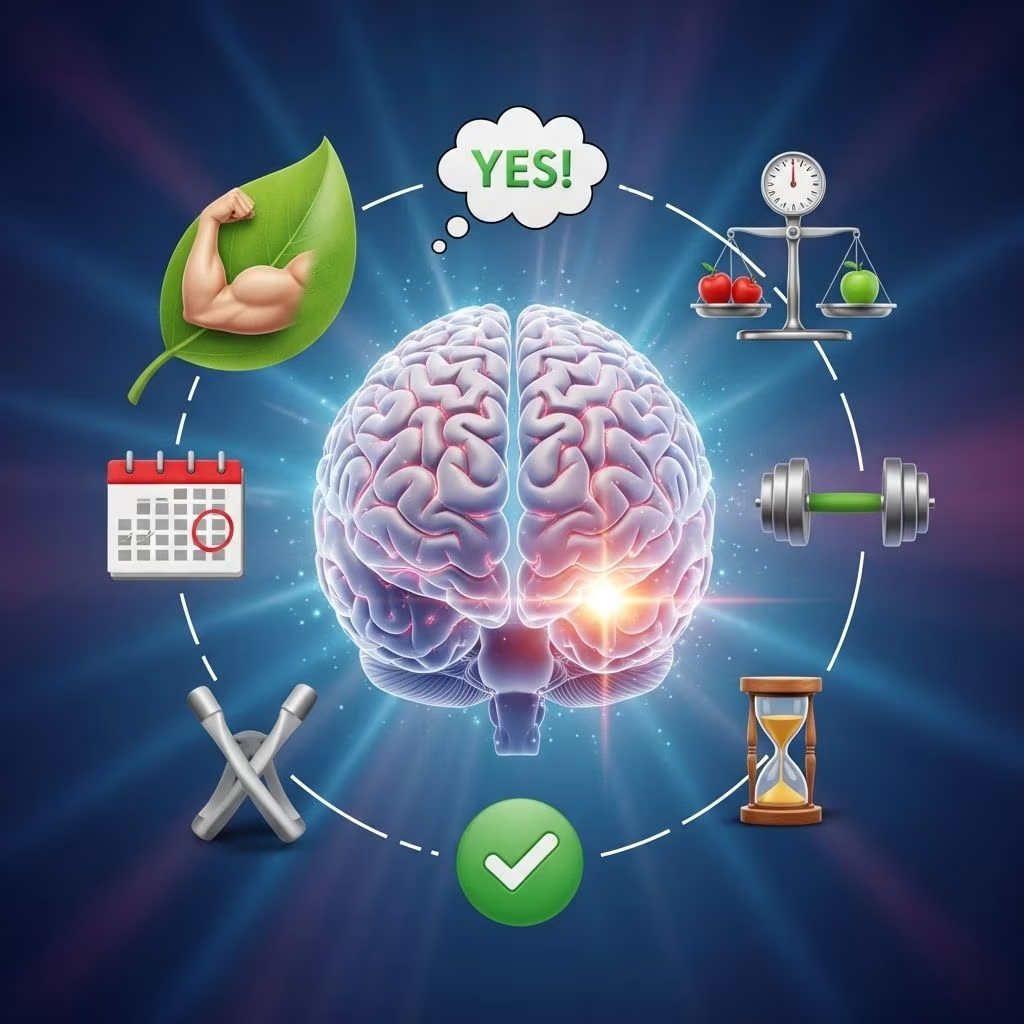
Willpower is often seen as the secret sauce behind successful weight loss, but relying on sheer determination rarely leads to lasting change. Instead, science shows that creating new habits and using smart strategies can help you manage your urges and reinforce healthy behaviors—making weight loss easier and more sustainable.
This comprehensive guide explores expert-backed ways to strengthen your willpower, overcome common pitfalls, and build the habits that support your healthiest self.
What Is Willpower (and Why It Feels So Hard)?
Willpower is the ability to control your own actions, emotions, or urges in the face of temptations. While everyone has some amount of willpower, it’s subject to depletion—meaning, the more you exercise self-control, the harder it can become over time. This fatigue is why healthy eating feels great before noon and nearly impossible at 10 p.m.
But the good news is: you can train your willpower muscle, build healthier routines, and make smart choices easier through strategic planning and self-compassion.
1. Focus on Building Habits, Not Battling Cravings
Successful weight loss isn’t about fighting food urges at every turn—it’s about making healthy choices automatic. Willpower is limited, but habits free up mental energy by making positive actions routine. Focus on:
- Keeping healthy snacks easy to access and visible
- Planning meals in advance to reduce temptation
- Practicing regular eating times to prevent cravings from spiraling
“We can’t rely on willpower alone. It’s about coming up with practical, realistic, and enjoyable strategies that are sustainable,” says Dr. Donald Hensrud of Mayo Clinic. Resisting food constantly leads to fatigue. Designing your environment for automatic good choices works better long term.
2. Work With—Not Against—Your Mindset
Stop viewing every food decision as a struggle. The internal battle between ‘good’ and ‘bad’ choices stresses you out and weakens your resolve. Instead, focus on what you can have rather than what you can’t.
Try:
- Making healthy foods satisfying and appealing (roasted veggies, flavorful spices, colorful salads)
- Allowing flexible treats—dieting doesn’t mean total deprivation
- Reframing slip-ups as learning moments, not failures
People who shift from a deprivation mindset to an abundance mindset are likelier to sustain healthy habits without feeling deprived or ashamed.
3. Make Healthy Choices Enjoyable
New behaviors are easier to maintain when they’re fun or genuinely rewarding. According to habit researchers, when we find healthy habits enjoyable, our brains release dopamine (the ‘pleasure’ neurotransmitter) that reinforces the desire to repeat those behaviors.
- Find healthy recipes you love and look forward to making
- Eat at restaurants known for delicious vegetables
- Pair workouts with something enjoyable (music, podcasts, or favorite TV shows)
“Humans like to do things we enjoy, so make healthy behaviors fun and the rest follows,” explains scientist Wendy Wood.
4. Practice Mindfulness (Not Just Discipline)
Building willpower relies heavily on cultivating awareness around your thoughts, emotions, and triggers. Mindfulness—the practice of noticing your cravings and reactions without judgment—helps disrupt the automatic path from urge to overeating.
- Before eating impulsively, pause and ask: “Am I truly hungry, bored, or stressed?”
- Use a scale (1-7) to rate hunger at various points throughout the day
- Notice physical signals of satiety and learn to stop when satisfied, not stuffed
Mindfulness-based techniques have been shown to reduce overeating and help people recognize the difference between true hunger and emotional cravings.
5. Identify and Plan for Your Trigger Times
Willpower is weakest when you’re tired, stressed, or emotional. Recognize when and why you tend to falter and plan ahead:
- Notice patterns—late-night snacks, office birthdays, or post-work stress
- Prep healthy alternatives before those moments strike
- Make your environment trigger-proof: keep tempting foods out of sight or out of the house during weak moments
“It’s much easier to play offense—plan your meals or snacks in advance—than to always be defending against willpower challenges,” says Prevention magazine.
6. Don’t Ovediet: Use Your Willpower Wisely
Eating too little can backfire by depleting glucose (your brain’s primary energy source) and lowering leptin, a hormone that regulates fullness. When your energy is low, so is your self-control.
- Include enough calories and healthy fats in your day
- Avoid skipping meals, which sets you up for bingeing later
- Choose whole foods that fill you up and keep blood sugar stable
Don’t try to “muscle through” significant hunger—it’s a recipe for willpower collapse.
7. Reward Every Success—Big or Small
Positive reinforcement is essential for building habits. MIT studies show that rewards, even small ones, help cement new behaviors. Instead of waiting for dramatic weight loss, celebrate daily wins:
- Treat yourself to a non-food reward (like new workout gear or a relaxing bath) when you reach a milestone
- Keep a “success journal” to note every healthy choice
- Share victories with supportive friends or groups
Your brain craves a dopamine hit. Provide rewards that match your goals and encourage you to keep going.
8. Reduce Temptations and Save Willpower for Critical Moments
Research proves that willpower is exhaustible—it’s strongest in the morning and weakens with every tough decision you make. Therefore, design your environment to minimize decisions:
- Keep unhealthy snacks out of reach or out of your home
- Prep meals in advance for busy days
- Limit the number of food choices at each meal to reduce decision fatigue
Setting up a supportive environment is more effective than relying on constant self-control.
9. Turn Slip-Ups into Setups for Success
Nobody has perfect habits—and expecting yourself to never make a mistake is unrealistic. The most successful dieters treat slip-ups as learning opportunities, not reasons to quit.
- Reflect on what triggered a lapse (hunger, stress, social events)
- Plan how you’ll handle similar situations next time—without guilt
- Remind yourself: one off day doesn’t erase your progress
Developing a “resilient” mindset helps you bounce back faster, which is more important than never slipping at all.
10. Use Writing and Self-Monitoring as Accountability
Journaling, food tracking, or even a simple checklist can go a long way in strengthening your resolve and making choices more conscious.
- Write out clear goals and break them into manageable daily actions
- Log your meals and snacks to notice patterns—good and bad
- Review what worked and what didn’t at the end of each week
Written accountability increases awareness, motivation, and a sense of accomplishment—key ingredients in lasting weight loss.
Science Spotlight: Why Your Dieting Willpower Wanes
| Factor | How It Affects Willpower | Tips to Cope |
|---|---|---|
| Decision Fatigue | Each choice depletes mental energy, leaving less for self-control | Automate meals, prep food, reduce daily decisions |
| Blood Sugar Lows | Reduced glucose lowers brain function and makes resisting urges harder | Eat regular meals, choose nourishing snacks |
| Stress & Emotions | Negative moods fuel comfort eating and reduce inhibitions | Use stress-relief tools (deep breathing, brief walk, call a friend) |
| Poor Sleep | Lack of rest decreases impulse control | Prioritize quality sleep: 7-8 hours per night |
Expert Tips: Everyday Ways to Pump Up Your Willpower
- Play offense, not defense: Plan ahead to avoid falling into tempting situations.
- Don’t procrastinate: Make healthy actions a priority early in the day when your willpower is highest.
- Remember the basics: Get enough sleep, manage stress, and eat plenty of fiber and protein to stabilize energy.
- Put it in writing: Use journals and trackers to boost awareness and accountability.
- Reward yourself: Reinforce new behaviors (without food-based rewards).
Consistency matters more than perfection. Acknowledge each effort and keep building momentum.
Frequently Asked Questions (FAQs)
Q: Is willpower enough to lose weight?
A: Willpower alone is seldom enough for lasting weight loss. Habits, environment, planning, and self-kindness play a more significant role in success than brute force alone.
Q: How can I recharge my willpower?
A: Regular meals, quality sleep, stress management, and reducing unnecessary decisions all help renew your mental energy for making good choices.
Q: What should I do if I give in to a craving?
A: Avoid guilt and self-blame. Analyze what triggered the lapse and put a strategy in place to handle similar scenarios in the future. Slip-ups are part of the process.
Q: Why do I feel stronger in the morning but break my diet at night?
A: Willpower diminishes with each decision and stressor throughout the day, so it’s often lowest in the evening. Save your toughest challenges for earlier, and automate evening choices when possible.
Q: Are there any techniques to instantly boost my self-control around food?
A: Mindfulness—pausing before reacting, bringing awareness to hunger cues, and focusing on your long-term goals—can instantly interrupt cravings and help you make more thoughtful choices.
Takeaway: Willpower That Works
Anyone can build stronger dieting willpower through smart planning, habit formation, and self-compassion. Focus on small, enjoyable, and sustainable changes for the biggest results. As research and real-life stories show, you don’t have to achieve perfection—you just need strategies that make healthy choices easier every day.
References
- https://newsnetwork.mayoclinic.org/discussion/mayo-clinic-minute-weight-loss-and-willpower/
- https://www.prevention.com/weight-loss/a26042757/weight-loss-habits-stronger-than-willpower/
- https://www.prevention.com/weight-loss/a20439113/how-to-improve-self-control/
- https://www.prevention.com/weight-loss/a20462232/lose-weight-without-even-trying-with-mindfulness/
- https://www.prevention.com/weight-loss/g20432995/6-simple-ways-to-pump-up-your-willpower/
- https://www.prevention.com/weight-loss/a20435810/diet-and-weight-loss-tips/
- https://www.prevention.com/weight-loss/g20506618/weight-loss-maintenance/
- https://www.heart.org/en/healthy-living/healthy-lifestyle/mental-health-and-wellbeing/how-to-boost-your-willpower-to-help-make-healthy-choices-easy
- https://www.prevention.com/weight-loss/a20433877/how-to-improve-your-self-control-when-facing-temptation/
- https://www.prevention.com/weight-loss/a36065492/rethinking-body-weight/


