


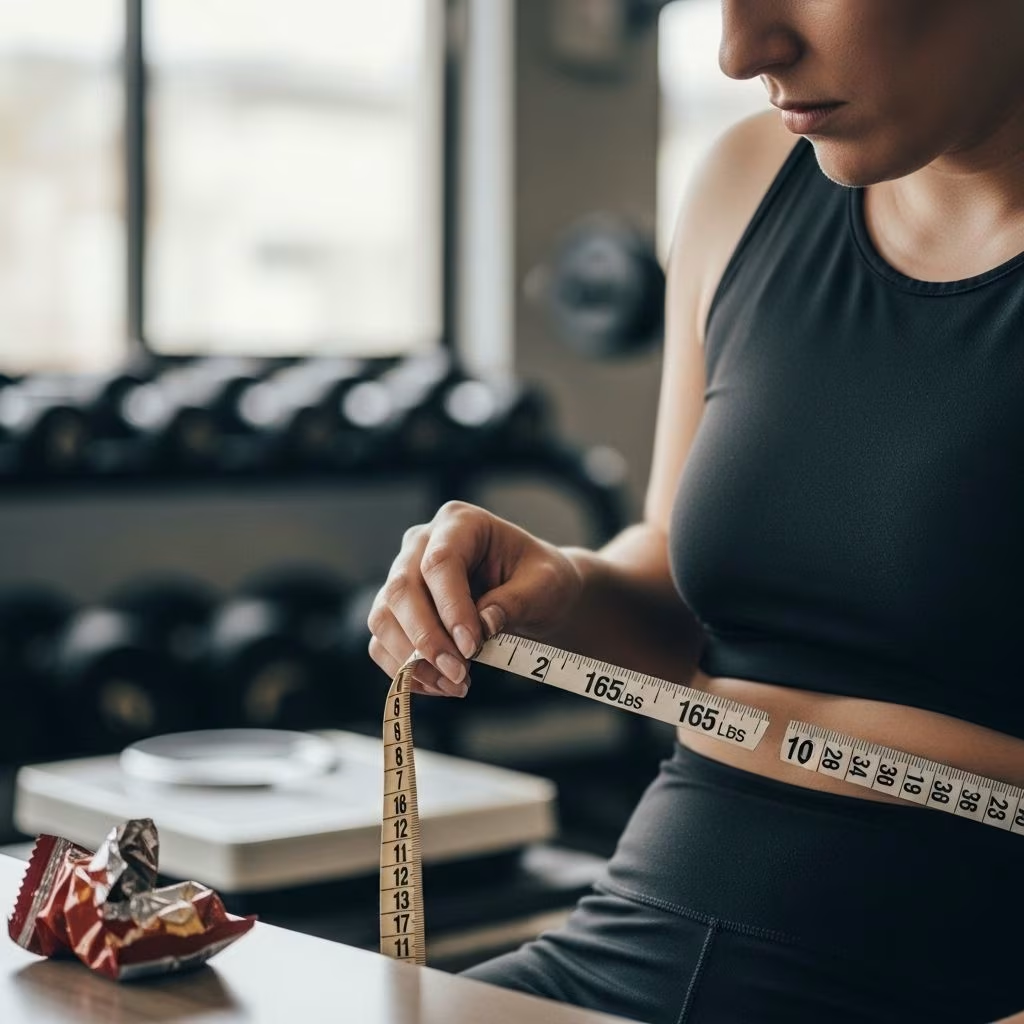
The Hidden Reasons It’s So Hard To Lose The Last 10 Pounds
Many people find that the last 10 pounds of weight loss are much more stubborn than the first. While you may have seen the scale drop quickly at the beginning of your journey, progress often slows, and it can feel like your best efforts are suddenly ineffective. Understanding why this happens is the first step to getting back on track.
Why Does Weight Loss Stall At The End?
Your metabolism slows down as you lose weight, especially after significant progress. As your body gets lighter, it naturally requires fewer calories to perform the same activities. Over time, this metabolic adjustment makes continued weight loss more challenging. According to experts, this is your body’s energy conservation mode: when calorie intake drops, your body tries to hold onto its remaining energy stores for survival rather than continued fat loss.
There’s also a psychological element. As you approach your goal, it’s easy to get complacent, allowing small habits to slip or relaxation to set in — both of which can interfere with your progress.
- Lower body weight means a lower basal metabolic rate (BMR), so you burn fewer calories at rest.
- Hormonal adjustments may increase hunger or slow fat loss in response to perceived deprivation.
- Reduced calorie burning during everyday activities as your body becomes more efficient.
- Potential loss of lean muscle mass, which further impacts the number of calories you burn each day.
Main Mistakes That Keep You From Losing Those Last 10 Pounds
Plateauing is frustrating, but often it comes down to a handful of common mistakes. Addressing these can help you push past your set point and finally reach your goal weight.
Mistake 1: Not Changing Up Your Exercise Routine
Your body is remarkably good at adapting to repeated routines. If you’ve been doing the same workouts for months, your muscles and metabolism are likely no longer being challenged enough.
- Repetitive cardio burns fewer calories over time as your body becomes efficient at the activity.
- Lack of resistance or strength training fails to stimulate new muscle growth, resulting in fewer calories burned overall.
Expert Fix: Incorporate interval training and strength workouts—especially those combining cardio and weights in circuits. High-intensity interval training (HIIT) boosts calorie burning during and after your workout. Alternating between bursts of intense activity and periods of rest keeps your metabolism guessing and encourages continued fat loss.
Mistake 2: Only Focusing On Cardio
Cardio is great for your heart and burns calories, but focusing solely on cardio without resistance training can undermine your final pounds of weight loss. As you lose weight, retaining or increasing lean muscle mass is essential, since muscle tissue burns more calories at rest compared to fat tissue.
Expert Fix: Make strength training a regular part of your routine. Try at least two to three strength sessions each week, using free weights, machines, or bodyweight exercises. Not only will this preserve your hard-earned muscle, but it’ll accelerate metabolism—making it easier to burn the last 10 pounds.
Mistake 3: Ignoring Portion Sizes or Sneaky Calories
It’s common to become lax with measuring portions as you get more comfortable in your routine. Hidden calories in beverages, condiments, and snacks can quickly add up—sometimes enough to cancel out your calorie deficit entirely.
- Over-consuming healthy fats like nuts and avocado, which are calorie-dense.
- Mindlessly eating while cooking or cleaning up.
- Forgetting to track liquid calories from alcohol, sugary drinks, or specialty coffees.
Expert Fix: Consider a short-term return to food journaling. Tracking your intake—either through a dedicated app or by hand—raises awareness of your habits and helps you make conscious adjustments. Research shows that people who regularly track their food intake lose significantly more weight than those who don’t.
Mistake 4: Eating Too Little or Skipping Meals
After a successful weight loss journey, you may be tempted to further slash your calories to break through a plateau. Unfortunately, eating too little can actually slow your metabolism even more and increase cravings, leading to overeating later on.
- Skipping meals can cause energy crashes and binge eating.
- Undereating may lead to muscle loss, reducing your metabolic rate.
Expert Fix: Adhere to a moderate calorie deficit—but don’t deprive your body of the fuel it needs. Structure your snacks and meals to include protein, fiber, and healthy fats at each sitting to boost satiety and preserve lean mass.
Mistake 5: Relying Too Much On Animal Meat
While protein is crucial for weight loss, lean plant-based sources often contain fewer calories and more filling fiber than animal meats. Studies reveal vegetarians and people following plant-focused diets tend to weigh less and sustain weight loss longer.
- Plant-based foods are low in calories and high in fiber, which aids fullness.
- Reducing animal protein can reduce calorie intake and promote heart health.
Expert Fix: Aim for at least a few vegetarian meals each week. Start with three meatless dinners per week, or swap meat for beans, lentils, tofu, or tempeh in your favorite recipes.
Mistake 6: Not Allowing Time For Recovery And Sleep
Poor sleep and overtraining can stall progress by disrupting hormonal balance and encouraging overeating. Sleep deprivation increases levels of ghrelin (the hunger hormone) and reduces leptin (the satiety hormone), making it much harder to stick to your calorie goal.
- Poor recovery leads to persistent fatigue and lower exercise intensity.
- Inadequate sleep may increase cravings for high-calorie foods.
Expert Fix: Make quality rest a top priority. Most adults require 7–9 hours of sleep per night for optimal recovery, metabolism, and hormone regulation. Build regular rest days into your fitness schedule to avoid overtraining.
Mistake 7: Neglecting Hydration and Everyday Activity
Daily non-exercise movement and hydration are key, yet easy to overlook. Even if you have a dedicated exercise routine, insufficient total daily movement and dehydration can undo your efforts.
- Low-level physical activity burns a surprising number of calories throughout the day.
- Dehydration can mask itself as hunger, leading to unnecessary snacking.
Expert Fix: Strive for at least 10,000 steps daily in addition to structured workouts, and drink water consistently throughout the day. Adding fruits or herbs can make water more palatable and encourage greater intake.
Proven Strategies to Break Through Your Plateau
If you’ve identified potential pitfalls in your habits, use these actionable tips to create a sustainable plan for success.
- Change up your workouts: Add HIIT sessions, new sports, or group classes to shock your system and increase calorie burn.
- Focus on strength training: Build muscle to increase your resting metabolic rate and burn more calories even when you’re not working out.
- Eat whole, minimally processed foods: High-fiber vegetables, whole grains, fruits, and lean proteins keep you full for fewer calories.
- Practice mindful eating: Avoid distractions (like phones or TV) during meals to help your body recognize fullness cues.
- Monitor your intake: Use food logs for greater awareness, especially during social events or stressful periods.
- Stay hydrated: Aim for water as your primary beverage. Seltzer, herbal teas, or fruit-infused waters are great options.
- Get enough sleep: Prioritize rest so your body can recover, repair, and regulate hunger hormones.
Extra Tips: Table of Dos and Don’ts
| Do | Don’t |
|---|---|
| Switch up your early morning exercise for an evening session | Stick to the same workout plan indefinitely |
| Fill half your plate with vegetables at each meal | Rely on high-calorie dressings and sauces |
| Snack on protein-rich foods to curb hunger | Allow long gaps between meals |
| Keep a water bottle handy throughout the day | Ignore signs of mild thirst and dehydration |
| Measure or weigh portions regularly | Guess portion sizes, especially for calorie-dense foods |
Frequently Asked Questions (FAQs)
Q: Why does my weight loss slow down after the first few weeks?
A: Weight loss often slows because your body requires less energy as you lose pounds. Your metabolism drops, and small habits or errors can stall progress.
Q: How important is strength training for losing the last 10 pounds?
A: Strength training is critical. It preserves lean mass, boosts metabolism, and helps burn more calories at rest, all of which support continued fat loss.
Q: Should I cut more calories to lose the last bit of weight?
A: Extreme calorie restriction can cause metabolic slowdown and increased hunger. Instead, focus on moderate deficits, increased activity, and nutrient-rich foods.
Q: Is it better to increase exercise intensity or frequency?
A: Both can help, but increasing intensity (such as with HIIT) often yields faster results for breaking a plateau than simply adding more time to your routine.
Q: Do I have to give up meat entirely to lose weight?
A: No, but reducing meat and adding more plant-based meals can help lower calorie intake and boost fullness thanks to fiber-rich ingredients.
Final Thoughts: Making the Last Pounds Disappear
Losing the last 10 pounds may require stepping out of your comfort zone, but small, smart changes to your exercise, eating, and lifestyle habits can reignite your progress. Focus on building and maintaining muscle, monitoring portions, prioritizing recovery, and staying mindful about what—and how—you eat. Plateaus are a normal part of any weight loss journey, but with the right tweaks, your goals are within reach.
References
- https://www.prevention.com/weight-loss/g20450964/mistakes-you-make-when-losing-last-10-pounds/
- https://www.prevention.com/weight-loss/a20480956/lose-the-last-10-pounds/
- https://www.prevention.com/weight-loss/g20504398/how-to-lose-the-last-10-pounds/
- https://www.prevention.com/weight-loss/g20450133/50-ways-to-lose-10-pounds/
- https://www.prevention.com/weight-loss/g20487308/how-to-stop-losing-and-gaining-the-same-10-pounds/
- https://www.prevention.com/weight-loss/g20508464/how-4-women-lost-the-last-10-pounds/
- https://www.prevention.com/weight-loss/a30188568/lose-weight-without-exercise-0/
- https://www.prevention.com/weight-loss/g20490240/10-rules-to-live-by-for-long-lasting-weight-loss/
- https://www.prevention.com/weight-loss/diets/a60578947/how-to-lose-weight-fast-safely/
- https://www.prevention.com/weight-loss/a20481618/right-weight-for-your-body/


